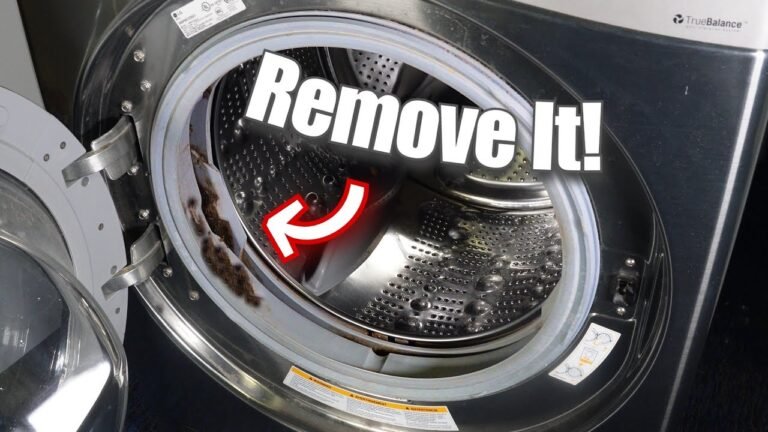
Introduction to Whirlpool Front Load Washer Cleaning
Whirlpool front load washers are popular for their efficiency. However, like all front loaders, they can develop mold and odors over time. Proper washing machine maintenance is key to avoiding these issues. This guide explains how to clean your Whirlpool washer to keep it fresh and working well. For a deeper understanding of this mechanic, analyzing resources on Whirlpool front load washer cleaning tips provides excellent foundational context.
Cleaning your washing machine gasket and drum helps remove detergent residue and soap scum. Frequent maintenance also prevents mold and mildew buildup, which causes bad smells. Let’s explore the best cleaning methods for your Whirlpool front loader.
Why Clean Your Whirlpool Front Load Washer?
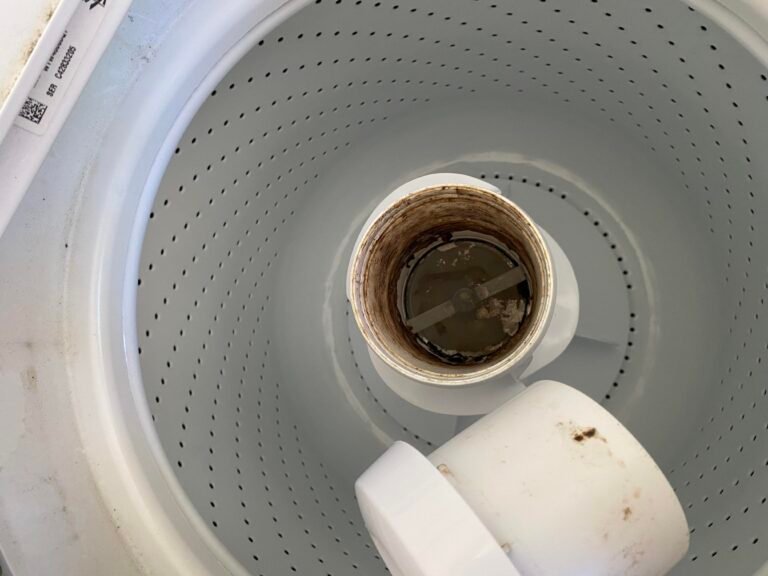
Over time, washing machine detergent buildup and moisture can cause mold and mildew. This results in unpleasant odors and can affect your laundry’s cleanliness. The rubber seal and gasket are common mold spots. Regular cleaning removes biofilm and soap scum, improving washer performance.
Proper maintenance extends your Whirlpool washer’s life and reduces repair needs. It also ensures your machine sanitizes clothes well. Industry consensus indicates cleaning every 1-3 months helps maintain a fresh washer.
Neglecting cleaning may lead to clogged washing machine filters or pump issues. These problems reduce efficiency and increase energy use. Cleaning prevents residue buildup and improves water flow during cycles.
How to Clean Washing Machine Gasket and Rubber Seal
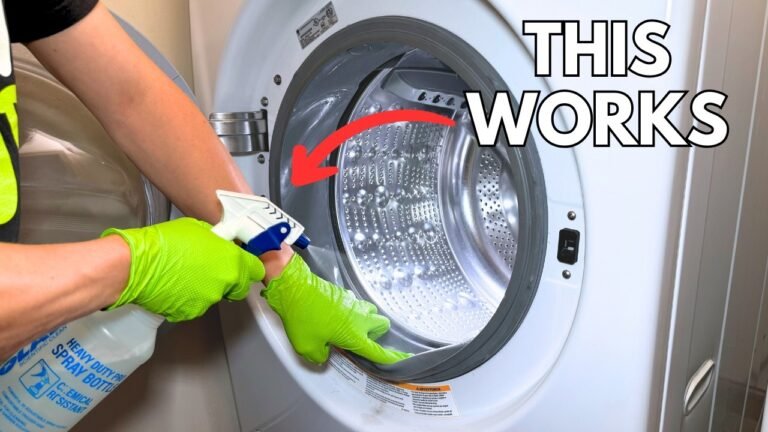
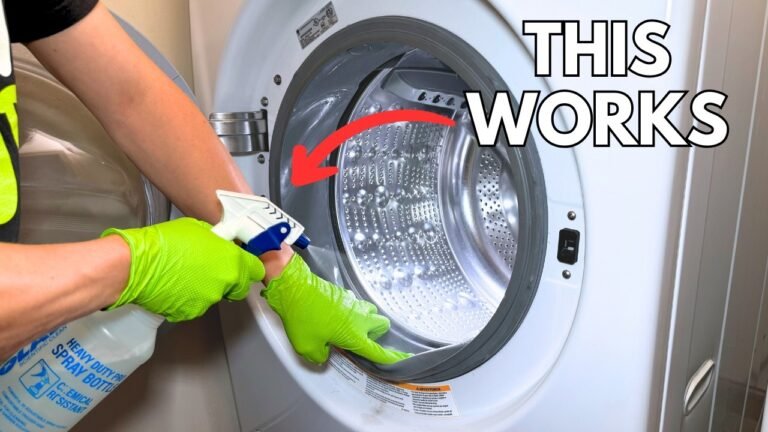
The rubber door seal often traps water and soap, leading to mold growth. To clean it, first wipe away any visible dirt or lint. Then, mix equal parts white vinegar and water in a spray bottle. Spray the solution inside the gasket folds and let it sit for 10 minutes.
Use a soft cloth or an old toothbrush to scrub the gasket gently. Avoid harsh chemicals that can damage the rubber seal. After scrubbing, wipe dry with a clean towel. Leave the door open after each use to help air dry and prevent mold return.
For detailed cleaning of the rubber seal, see our guide on how to clean front load washing machine rubber seal.
How to Clean Washing Machine Drum
Cleaning the washing machine drum removes odor-causing deposits and detergent residue. Start by running the washer on the hottest water setting with a cleaning agent. You can use a commercial washing machine cleaner or natural vinegar.
For vinegar cleaning, pour 2 cups of white vinegar directly into the drum. Then run a full cleaning cycle or the longest wash cycle available. This kills bacteria and loosens buildup in the drum and pipes.
After the vinegar cycle, sprinkle half a cup of baking soda inside the drum. Run another hot water cycle to neutralize smells and clean soap scum. Avoid using bleach regularly as it can damage rubber parts over time.
| Cleaning Method | Amount Used | Effectiveness | Best For |
|---|---|---|---|
| White Vinegar | 2 cups | High | Odor removal, mold prevention |
| Baking Soda | 1/2 cup | Medium | Deodorizing, soap scum removal |
| Commercial Washer Cleaner | Follow instructions | High | Deep cleaning, biofilm removal |
Cleaning the drum regularly prevents build-up that causes bad smells in Whirlpool washing machines. It also keeps the stainless steel drum in good condition. Remember to check your washing machine manual for any specific instructions or warnings.
Cleaning Washing Machine Detergent Dispenser
Detergent and softener dispensers collect residue that can clog the machine. Remove the dispenser tray carefully and soak it in warm soapy water. Use a brush to scrub off residue and rinse well before replacing.
Cleaning the dispenser helps avoid detergent residue left on clothes and reduces mold growth. It also improves detergent flow during wash cycles. Some Whirlpool models feature removable dispensers for easy cleaning.
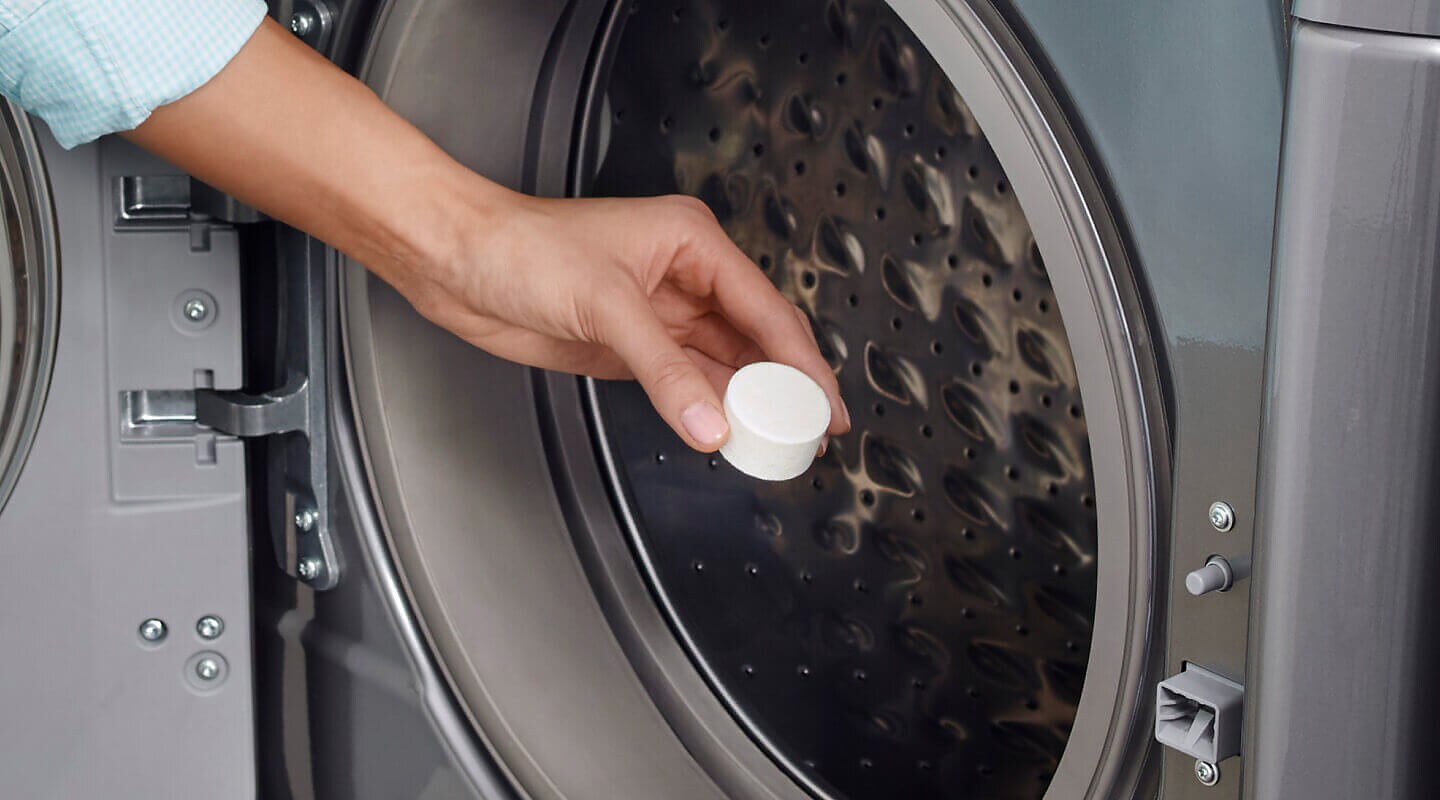
1. Remove detergent tray.
2. Soak in warm water.
3. Scrub with brush.
4. Rinse and dry.
5. Replace tray securely.
Visit how to clean detergent dispenser in washing machine for more details on this process.
How to Clean Washing Machine Filter
The washing machine filter traps lint and debris that can block drainage. Locate the filter cover on the lower front of your Whirlpool front loader. Place a shallow pan under the filter to catch water before opening.
Twist the filter out slowly and clean it under running water. Remove any lint, coins, or buildup. Replace the filter firmly to avoid leaks. Cleaning this filter regularly prevents drainage issues and helps your washer work efficiently.
| Filter Cleaning Tips | Frequency | Tools Needed |
|---|---|---|
| Check for lint and debris | Every 3 months | Shallow pan, cloth |
| Rinse filter under tap water | Every 6 months | Brush (optional) |
| Inspect filter seal | Annually | Visual check |
For step-by-step instructions, see the Whirlpool official guide on cleaning the pump filter – front load washer.
Tips to Prevent Mold in Your Washer
Mold often grows due to trapped moisture in the rubber seal and detergent areas. After every wash, leave the washer door open to allow drying. Wipe the gasket dry and clean any spills immediately.
Use the correct amount of laundry detergent. Too much detergent causes buildup that feeds mold. Opt for high-efficiency detergents made for front load washers. Run a monthly cleaning cycle using hot water and disinfectant to kill mold spores.
Check and clean the softener dispenser as residue here can also cause mold. Keeping these parts dry and clean is part of the best washing machine cleaners strategy to keep your Whirlpool washer odor-free.
- ✅ Keep door open after use
- ✅ Wipe rubber door seal dry
- ✅ Use correct detergent amount
- ✅ Run monthly cleaning cycle
- ✅ Clean detergent and softener trays
Whirlpool Washer Troubleshooting and Care Tips
If you notice odors or poor cleaning, check for detergent buildup in the drum and gasket. Use a cleaning cycle with vinegar or a commercial cleaner. Also, ensure the filter is clear of debris.
For issues like mold or persistent smells, deep clean the rubber door seal and run a hot water wash with disinfectant. Follow your Whirlpool washing machine manual for specific care tips and error codes.
For example, resetting your machine can fix some faults. Visit how to clean mold out of front load washing machine to learn advanced mold removal techniques and troubleshooting.
Conclusion: Keep Your Whirlpool Front Loader Fresh
Cleaning your Whirlpool front load washing machine is essential in 2026 to maintain hygiene and machine performance. Focus on cleaning the gasket, drum, detergent dispenser, and filter regularly. Use vinegar or commercial cleaners in a hot water cycle for best results.
Prevent mold by leaving the door open after use and wiping seals dry. Follow the recommended cleaning frequency of every 1-3 months. These Whirlpool washer care tips help avoid odors and extend your washer’s life.
Regular maintenance means fresher laundry and fewer repairs. With simple steps, you can keep your washing machine clean and safe for your family’s clothes every day.
Frequently Asked Questions
How often should I clean my Whirlpool front load washer?
It is best to clean your Whirlpool front load washer every one to three months to prevent mold and residue buildup.
What is the best way to remove mold from the washing machine gasket?
Use a mixture of vinegar and water or a specialized washing machine cleaner to scrub the rubber door seal and remove mold safely.
Can I use vinegar to clean the washing machine drum?
Yes, vinegar is effective for cleaning and deodorizing the drum, but it should be used carefully with a cleaning cycle.
How do I clean the washing machine filter on a Whirlpool front loader?
Locate the filter usually at the bottom front of the machine, open the filter cover, and remove any debris or residue.
What causes bad odor in Whirlpool washing machines?
Odor often comes from mold, mildew, and detergent buildup inside the drum and gasket areas.

Keith Boyd Is A Seasoned Appliance Care Expert With Over A Decade Of Experience In Home Appliance Maintenance. His Authoritative Insights On Washing Machine Care And Upkeep Are Trusted By Homeowners Nationwide. With A Passion For Educating Others, Keith Shares Valuable Tips That Ensure Your Appliances Run Smoothly For Years To Come.