Requirements To Become A Certified CPR and First Aid Instructor: Your Path to Saving Lives
So, you’re thinking about becoming a CPR and First Aid instructor, huh? Good for you. It’s not just about teaching people how to do the Heimlich or chest compressions. It’s about empowering them, about giving them the confidence to step in when seconds count. Forget those dry, dusty manuals for a second. This is about real-world, life-and-death scenarios, and you could be the one showing others how to navigate them. It’s a serious gig, no doubt, but incredibly rewarding.
The Absolute Minimums: What You Absolutely Need
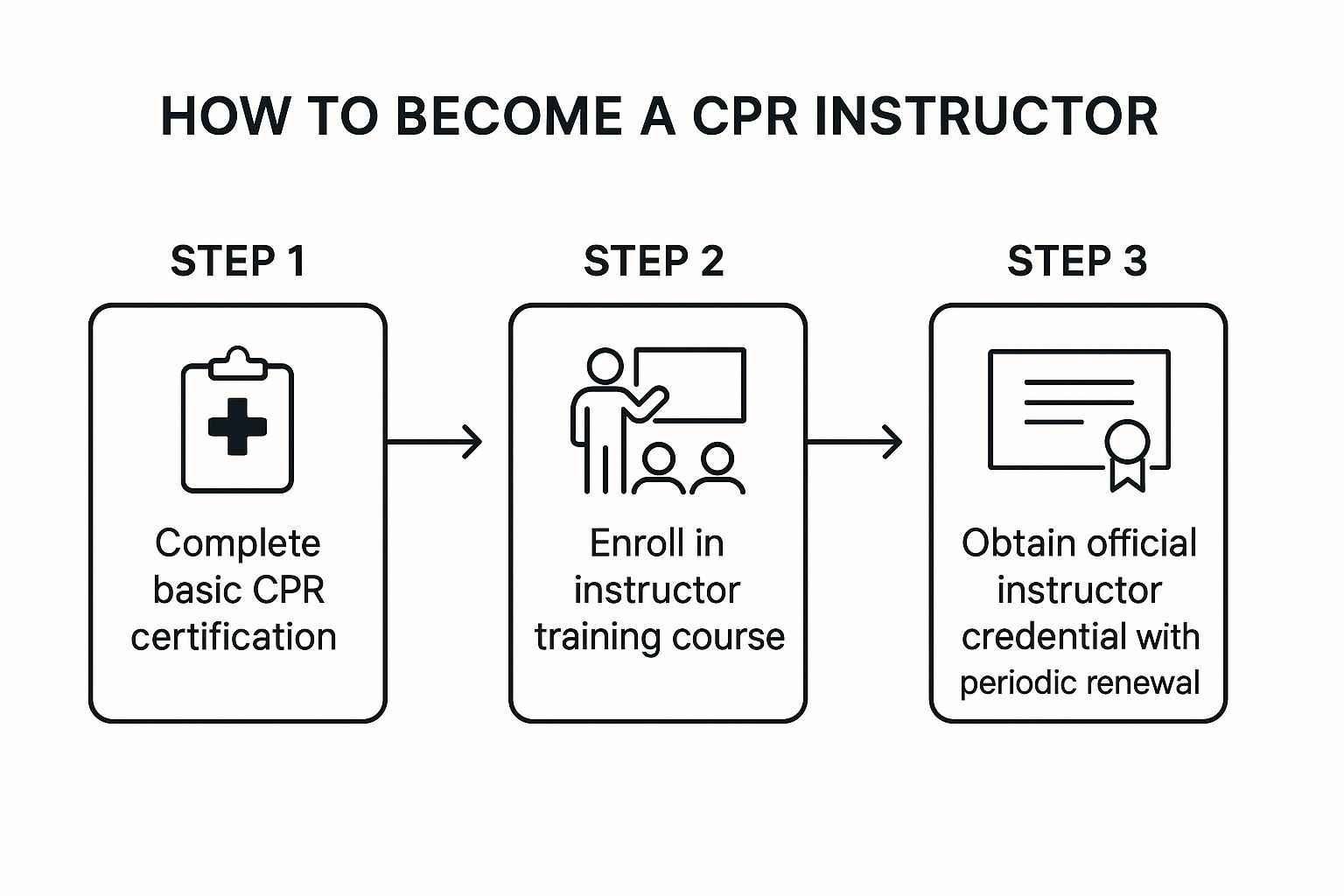
Source : readyresponsepa.com
Before you even start dreaming of leading a class, there are some non-negotiable prerequisites. These aren’t just suggestions; they’re the foundation upon which your entire teaching career will be built.
Current Certification is King
Seriously, this is step one. You can’t teach CPR and First Aid if you’re not currently certified yourself. It’s like trying to teach someone to drive a car without ever having held a license. You need a valid, up-to-date certification from a recognized agency. This proves you know the material inside and out, and that your skills are current. Don’t try to wing it here; get a current certification first.
Hands-On Experience Matters
Most reputable training organizations want to see that you’ve actually used your skills. This isn’t just about theory. Think about the guy running a pizza shop on 4th Street – he’s seen it all, from minor cuts to maybe something more serious. That kind of real-world application is Crucial. They often require a certain amount of documented experience. It shows you’re not just book smart, but street smart when it comes to emergencies.
Age and Education Basics
You’ve gotta be an adult, obviously. Most places set the minimum age at 18. Beyond that, a high school diploma or GED is usually the standard educational baseline. They need to know you can comprehend the training materials and communicate them effectively. It’s not rocket science, but you need a solid grasp of the basics.
Choosing Your Training Organization: A Big Decision
This is where things get a little more specific. There isn’t one single, universal CPR/First Aid instructor certification. Different organizations have their own programs and requirements. Your choice here will dictate the exact path you take.
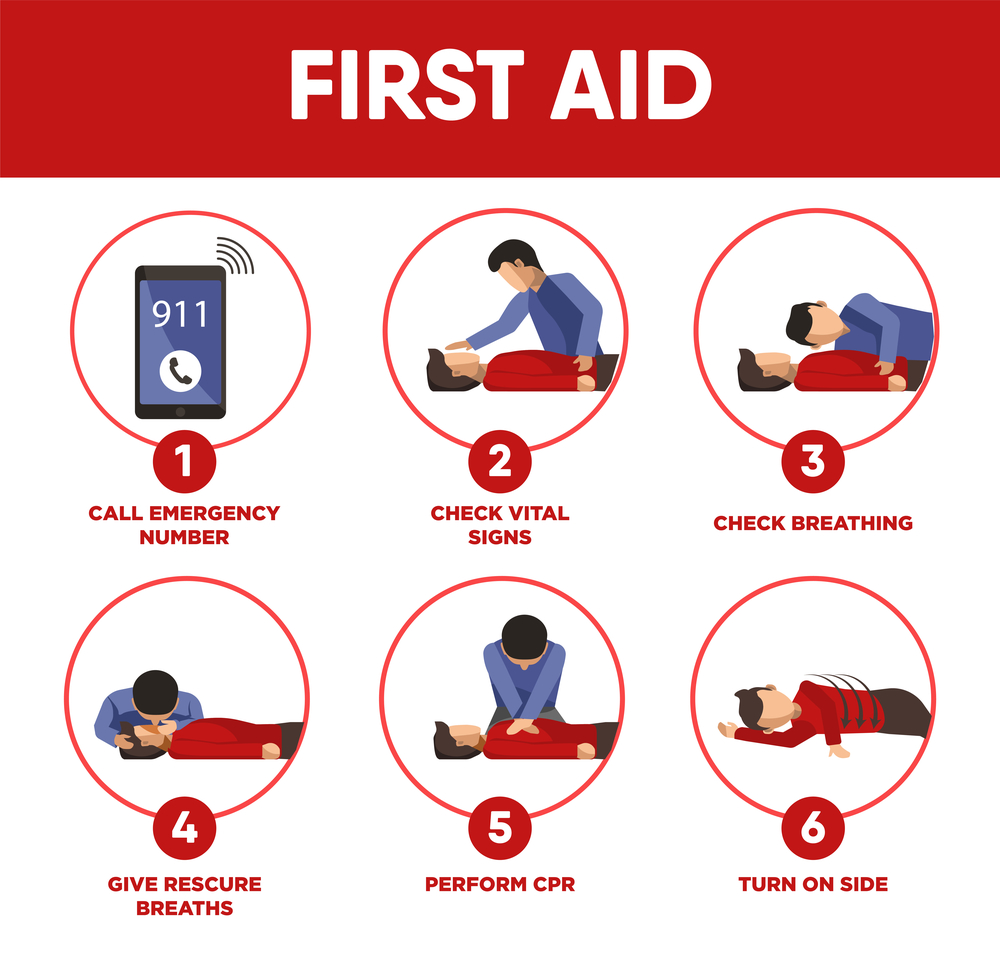
Source : cprtrainingschool.com
The Big Players: Red Cross vs. American Heart Association
You’ve heard of them, right? The American Red Cross and the American Heart Association (AHA) are two of the most well-known names in the game. Each has its own instructor training pathways. Deciding between them often comes down to regional availability, personal preference, or which one aligns better with your professional goals. Both are highly respected.
Smaller, Specialized Providers
Beyond the giants, you’ve got other reputable organizations like Health and Safety Institute (HSI). They offer their own instructor certification programs too. Sometimes, these might have slightly different focuses or cater to specific industries. Do your homework. Research the curriculum, the cost, and the reputation of any provider you’re considering.
Understanding Their Philosophy
Each organization might have a slightly different approach to teaching. Some are more traditional, others emphasize interactive learning. Think about how you learn best, and how you’d prefer to teach. This will help you choose the program that’s the best fit for your teaching style.
The Instructor Training Course Itself
Once you’ve picked your organization, you’ll enroll in their specific instructor development course. This isn’t just a weekend seminar. It’s a deep dive.
Didactic Learning: The Theory Part
You’ll spend time learning the why behind the what. This includes understanding the science of resuscitation, the latest guidelines, and the best pedagogical methods for teaching these critical skills. Expect lectures, readings, and plenty of Q&A. This is where you really solidify your knowledge base.
Skills Practice: Getting Your Hands Dirty
This is where you practice teaching the actual skills. You’ll be demonstrating CPR techniques, bandaging wounds, and managing choking incidents. Crucially, you’ll also learn how to evaluate others performing these skills. This is a core competency for any good instructor.
Teaching Demonstrations: Showing What You’ve Got
Part of the course involves you actually teaching a skill to your peers or to evaluators. You’ll get feedback on your delivery, your clarity, and your ability to manage the learning environment. This is your chance to iron out any kinks before you’re in front of a real class.
Passing the Evaluation
There’s typically a final assessment. This usually involves demonstrating mastery of the skills yourself and passing a written exam on the course material. You have to prove you’re ready.
Keeping Your Instructor Credential Active

Source : mycprcertificationonline.com
Getting certified is only half the battle. Maintaining that certification requires ongoing effort.
Continuing Education Units (CEUs)
Just like many professional licenses, instructor certifications require you to stay current. This often means accumulating a certain number of Continuing Education Units (CEUs) over a specific period. These can be earned through workshops, advanced courses, or even teaching a minimum number of classes. Staying current is Key.
Recertification Requirements
Organizations will have specific recertification processes. This might involve retaking parts of the instructor course, demonstrating updated skills, or passing new exams based on updated guidelines. Don’t let your certification lapse; the process to get it back can be more rigorous than initial certification.
Adhering to Agency Guidelines
You’ll be expected to teach according to the specific protocols and guidelines of the organization you represent. This includes using their approved materials, following their curriculum structure, and maintaining accurate records. Consistency is key for ensuring quality training.
Beyond the Basics: What Makes a Great Instructor?
Meeting the minimum requirements is Needed, but what separates a good instructor from a truly outstanding one?
Passion for Teaching
This sounds obvious, but you can’t fake it. Students can tell when an instructor is genuinely enthusiastic about the subject matter and about helping others learn. Your passion will be infectious and make the learning experience far more engaging. A great instructor loves to teach.
Excellent Communication Skills
Can you explain complex medical concepts in simple, easy-to-understand terms? Can you command a room and keep participants engaged? Strong verbal and non-verbal communication is non-negotiable. This includes active listening, clear articulation, and the ability to adapt your communication style to different learners.
Adaptability and Patience
Not everyone learns at the same pace. You’ll encounter students who are hesitant, nervous, or struggle with certain skills. A great instructor is patient, understanding, and can adapt their teaching methods on the fly to meet the needs of every individual in the class. Patience is a virtue here.
Professionalism and Reliability
Always be prepared, punctual, and professional. This builds trust and respect with your students. It also reflects positively on the training organization you represent. Arrive early, have your materials ready, and conduct yourself with integrity.
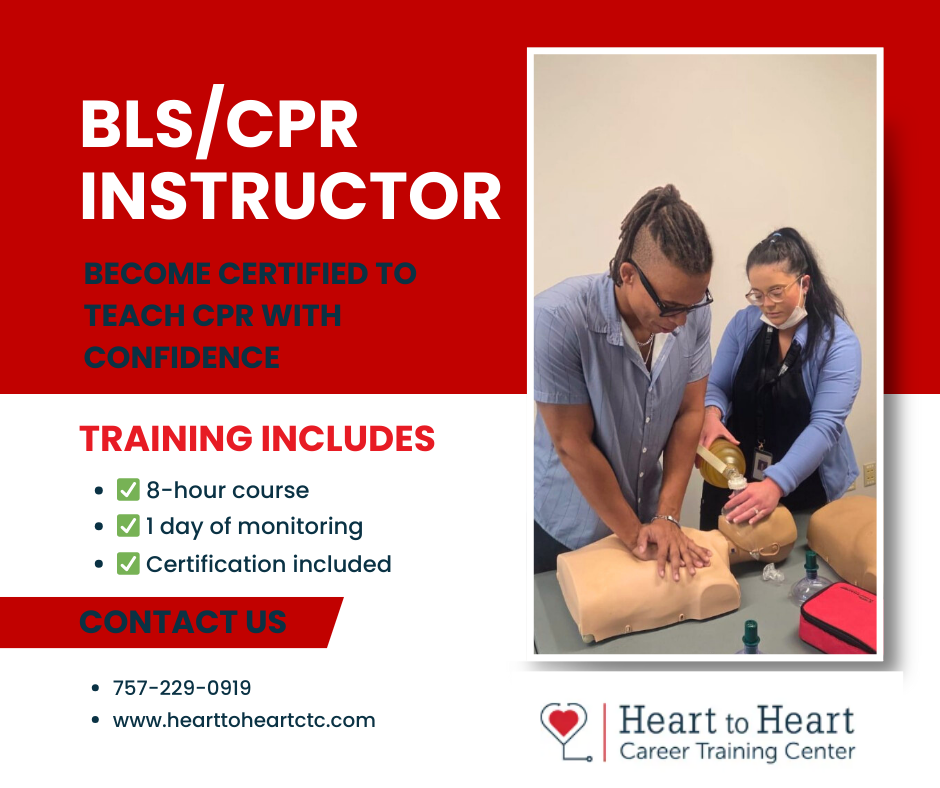
Source : hearttoheartctc.com
Handling the Different Training Organizations
Let’s dive a bit deeper into what some of the major providers offer. Each has a unique approach.
American Red Cross Instructor Training
The Red Cross offers a Full path to becoming an instructor. Their programs often involve a mix of online coursework and in-person skills sessions. They emphasize a blended learning approach to make training accessible. You can find out more about their specific requirements and courses by exploring their instructor training pages. A key benefit is their widespread recognition. You can learn more about becoming a Red Cross instructor here: Red Cross instructor development.
American Heart Association (AHA) Instructor Pathways
The AHA has a structured process for becoming an instructor, particularly for their BLS (Basic Life Support), ACLS (Advanced Cardiovascular Life Support), and PALS (Pediatric Advanced Life Support) courses. It typically involves completing an online “BLS Instructor Essentials” course, followed by a hands-on skills session and teaching supervision. Their focus is often on healthcare professionals, but they have courses for the general public too. Becoming an AHA instructor involves a rigorous but rewarding process. Check out their official site for details: How to become an AHA instructor.
Health and Safety Institute (HSI) Certification
HSI provides training and certification for CPR, AED, and First Aid. Their instructor programs are designed to be Full, covering not only the technical skills but also effective teaching methodologies. They often cater to a wide range of industries, from corporate settings to emergency services. HSI aims to equip instructors with the tools they need for successful training delivery. Learn more about their offerings: Become a CPR instructor with HSI.
A Comparison Table: Key Instructor Requirements
Here’s a quick look at how some major organizations stack up.
| Feature | American Red Cross | American Heart Association | Health and Safety Institute (HSI) |
|---|---|---|---|
| Initial Certification Prerequisite | Valid certification in the discipline being taught. | Current AHA certification in the discipline. | Current certification from a recognized agency. |
| Instructor Course Format | Blended (Online + In-Person) typically. | Online Essentials + In-Person Skills Session. | Varies, often includes online and hands-on components. |
| Teaching Practice Requirement | Required, often includes supervised teaching. | Required, demonstration of teaching skills. | Mandatory skills demonstration and teaching practice. |
| Recertification Cycle | Typically 2 years. | Typically 2 years. | Varies, often 2 years. |
| Continuing Education | Required for recertification. | Required for recertification. | Usually required. |
The Cost Factor: Investing in Your Future
Let’s be real, becoming an instructor isn’t free. There are costs involved, and they can vary significantly.

Source : cpred.com
Course Fees
The price of the instructor training course itself is the most obvious expense. This covers the curriculum, instructor time, and administrative costs. Expect to pay anywhere from a few hundred to over a thousand dollars, depending on the organization and the specific course. It’s an investment in your career.
Materials and Equipment
You might need to purchase instructor manuals, student materials, and potentially even your own CPR manikins or AED training devices, especially if you plan to teach independently. Factor in the cost of these Needed teaching aids.
Background Checks and Administrative Fees
Some organizations require background checks as part of their vetting process. There may also be annual administrative fees or membership dues to maintain your status as an authorized instructor. Always ask for a clear breakdown of all associated costs upfront.
Final Thoughts: Are You Ready to Lead?
So, you’ve seen the path laid out. It’s clear, it’s detailed, and it requires commitment. Becoming a certified CPR and First Aid instructor is more than just a job; it’s a calling. It’s about stepping up and being prepared to make a difference. If you’ve got the drive, the dedication, and the desire to Enable others with life-saving knowledge, then the requirements are simply the gateway to an incredibly impactful role. Now, go get certified.
Frequently Asked Questions
What are the basic prerequisites to become a CPR and First Aid instructor?
Well, first off, you gotta be at least 18 years old. And probably most important, you need to have a current, valid certification in CPR and First Aid yourself. No teaching what you don’t know, right? It’s all about knowing the stuff and proving it.
Do I need any specific training or certifications before becoming an instructor?
Yeah, totally. Most organizations will require you to complete an instructor training course specific to the certification you want to teach. Think of it as learning how to teach the material, not just knowing it. This usually covers teaching methods, how to manage a class, and evaluation techniques for your CPR instructor certification.
How long does the instructor training typically take?
It really varies depending on the certifying body and the specific courses you want to teach. Some might be a couple of days, others could be a bit longer, maybe spread out over a week or two. It’s a commitment, for sure, but Needed for becoming a qualified First Aid instructor.
Are there any ongoing requirements to maintain my instructor status?
You bet. Once you’re certified, you usually have to keep your own CPR and First Aid skills current, meaning renewing your own certs before they expire. Plus, you might need to teach a certain number of classes per year or complete continuing education to stay sharp and keep your instructor credentials active.
What are the typical costs involved in becoming a CPR and First Aid instructor?
There are definitely some costs. You’ll have the price of the instructor training course, which can be a few hundred bucks. Then there are materials like instructor manuals and student kits. Don’t forget renewing your own certifications too. It’s an investment in your future as a safety educator.
