Introduction to Washing Machine Drain Hose Care
In our experience, keeping the washing machine drain hose clean is key to smooth laundry days. A clogged or moldy hose can cause bad smells and drainage problems. We have found that knowing how to clean the hose properly saves time and money on repairs.
We often share washing machine maintenance tips to help avoid common issues. One tip is to check the drain hose regularly for clogs or damage. If you want to know more about cleaning the whole machine, you can explore how to clean washing machine with vinegar.
Let’s dive into the simple steps and tools we use for washing machine drain hose cleaning.
Why Clean the Washing Machine Drain Hose?
Drain hoses can collect detergent residue, lint, and dirt over time. This can cause blockages that stop water from draining well. We have seen washing machines smell bad after wash because of mold buildup inside the hose.
Cleaning also helps remove biofilm and bacteria that grow inside the hose. These cause unpleasant odors and can affect laundry quality. Regular cleaning prevents water drainage issues and keeps the drain pump working well.
Ignoring the hose can lead to serious drainage problems and even leaks. That’s why routine washing machine hose cleaning is a must in our home care routine.
Tools Needed for Washing Machine Drain Hose Cleaning
We keep a few cleaning tools handy for the job. These include a flexible hose brush, vinegar or mild disinfectant, a bucket, and gloves. Some people also use a pipe cleaner or a small plumbing snake for tough clogs.
Using the right cleaning solution helps with drain hose mold removal and disinfecting the pipe. We prefer eco-friendly products to keep things safe around the house.
Having these tools ready makes the cleaning process quick and easy.
Step-by-Step Guide to Clean Clogged Drain Hose
Follow these steps carefully to clean your washing machine drain hose:
- Unplug the washing machine for safety.
- Locate the drain hose at the back of the machine.
- Disconnect the hose from the machine and drain pipe carefully.
- Check for obvious clogs or kinks in the hose.
- Use a flexible brush or pipe cleaner to scrub inside the hose.
- Fill a bucket with warm water and vinegar or mild disinfectant.
- Soak the hose in the solution for 30 minutes to kill mold and loosen buildup.
- Rinse the hose thoroughly with clean water.
- Reattach the hose securely using hose clips to avoid leaks.
- Run a quick rinse wash cycle to check drainage.
We always keep an eye out for hose clip tightness and avoid a kinked hose which blocks water flow. This routine helps prevent sewage smell washing machine drain problems.
Common Drain Hose Problems and Solutions
We’ve noticed some common issues with washing machine hoses. Blockages often come from lint buildup and detergent residue. Mold growth is another frequent problem, causing foul odors.
Here’s a quick table listing problems and easy fixes we use:
| Problem | Cause | Solution |
|---|---|---|
| Clogged hose | Lint, debris | Clean with brush and soak in vinegar |
| Moldy smell | Mold, biofilm | Use disinfectant soak and dry hose |
| Leaks | Cracks, loose clips | Replace hose or tighten clips |
| Poor drainage | Kinked hose | Straighten hose and check pump |
These solutions have worked well for us and kept problems away for months.
Disinfecting and Preventing Washing Machine Odor
After cleaning, we always disinfect the washing machine drain pipe. Using a mild bleach solution or vinegar soak kills mold spores. This step stops the washing machine smells after wash that some face.
We also recommend letting the hose dry fully between washes. Keeping the laundry area well-ventilated helps too. Avoid overusing detergent as excess soap can build up inside the hose.
Regular cleaning and disinfecting keep the drain hose fresh and odor-free year-round.
When and How to Replace Your Washing Machine Drain Hose
Sometimes cleaning is not enough if the hose is old or damaged. We replace hoses when we see cracks or persistent blockages. A worn hose can cause leaks and drainage problems.
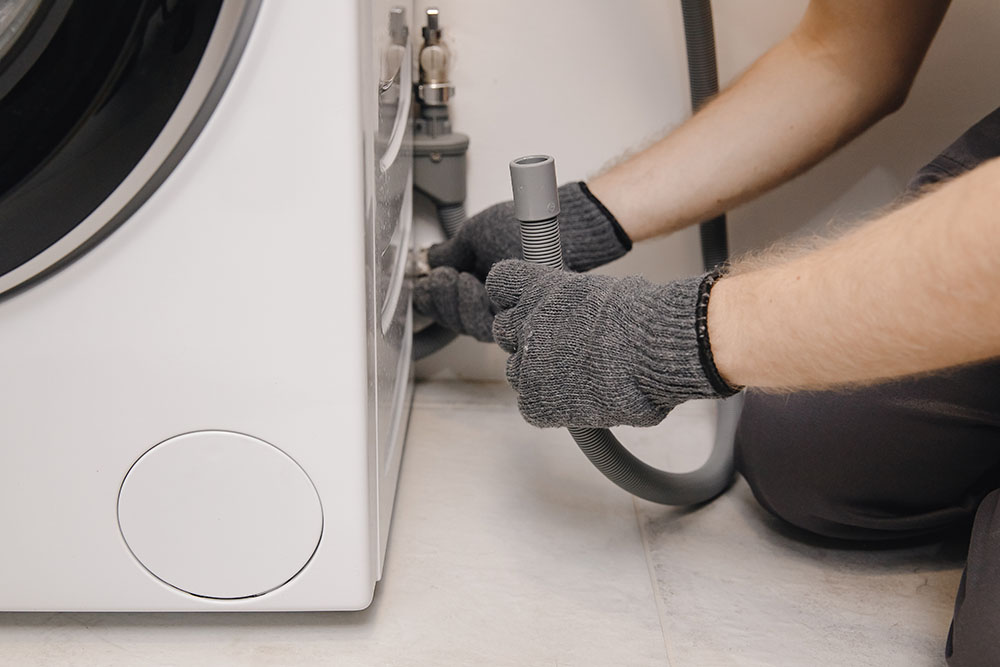
Replacing the hose is simple. Buy the right size rubber hose for your model. Remove the old hose and clean the fittings. Attach the new hose with hose clips securely. Test the machine after replacement to check water drainage.
Following a washing machine hose replacement guide available online can help first-timers do it safely.
Maintaining the Washing Machine Drain Pump
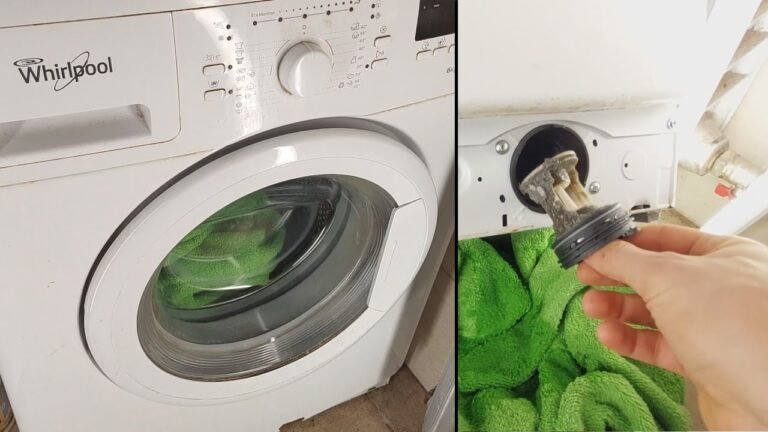
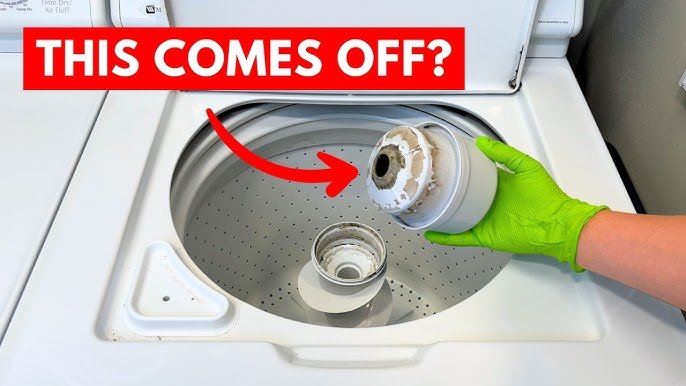
The drain pump works with the hose to remove water. We clean the pump filter regularly to avoid lint buildup. This reduces the chance of the pump failing or clogging.
If you hear strange noises during drainage, check the pump and hose for blockages. Cleaning both parts together ensures smooth water flow and prevents damage.
Good pump care adds years to your washing machine’s life.
Extra Tips for Washing Machine Hose Care
We have a few extra tips from our own experience to help you keep the drain hose in top shape:
- ✅ Run a monthly cleaning rinse using vinegar inside the machine and hose.
- ✅ Use a lint filter on your washing machine to catch debris before it reaches the hose.
- ✅ Avoid sharp bends in the hose to prevent kinks and blockages.
These easy steps improve water drainage and reduce maintenance needs.
If you want to learn more on how to clean and unclog your washer’s drain, this washer drain unclog guide is very helpful.
Summary and Final Thoughts
Cleaning your washing machine drain hose is not hard but very important. It stops blockages, gets rid of mold, and keeps your machine smelling fresh. We have found that regular care saves money and hassle later.
Use simple tools and follow easy steps for best results. Watch for hose damage and replace when needed. Don’t forget the drain pump and keep it clean too.
Taking care of your washing machine drain hose helps your laundry run smooth every time.
| Maintenance Task | Frequency | Tools Needed |
|---|---|---|
| Drain hose cleaning | Every 3-6 months | Brush, vinegar, bucket |
| Disinfect hose & pipe | After cleaning | Disinfectant, gloves |
| Replace hose | When damaged | New hose, hose clips |
| Pump filter clean | Monthly | Soft cloth, screwdriver |
We hope these tips help you keep your laundry gear in great shape. Always remember that small routine care prevents big washing machine water drainage issues.
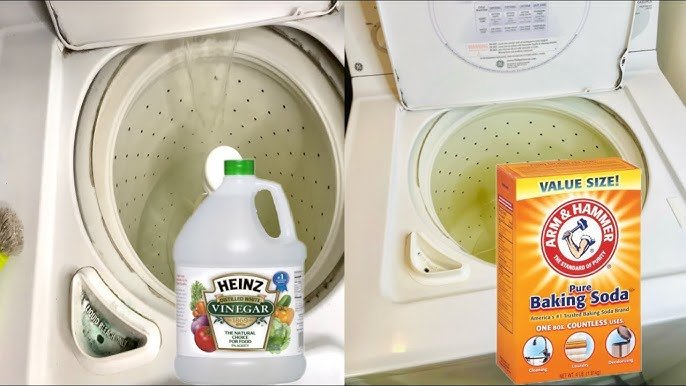
For those looking for DIY washing machine hose cleaner ideas, a mixture of baking soda and vinegar works well. Use it to flush the hose gently and remove build-up.
| DIY Cleaner | Ingredients | How to Use |
|---|---|---|
| Baking Soda & Vinegar | 1 cup baking soda, 2 cups vinegar | Flush hose with mixture, soak 30 mins, rinse |
| Lemon Juice Solution | 1 cup lemon juice, warm water | Soak hose, scrub with brush, rinse well |
| Commercial Cleaner | Store-bought hose cleaner | Follow label instructions carefully |
Keeping a clean washing machine drain hose is easier than you think. With the right care, you avoid drainage problems and bad smells.
Frequently Asked Questions
How often should I clean the washing machine drain hose?
It is best to clean the drain hose every 3 to 6 months to avoid clogs and bad odors.
What causes washing machine drain hose clogging?
Clogs are caused by detergent buildup, lint, mold, and sometimes small debris blocking the hose.
Can I clean the hose myself without tools?
Yes, you can use simple DIY cleaning solutions and tools like a flexible brush or vinegar to clean the hose.
How do I prevent mold in the washing machine drain pipe?
Routine cleaning, drying the hose after use, and using disinfectants help prevent mold growth.
When should I replace my washing machine drain hose?
Replace it if you see cracks, leaks, or persistent blockages that don’t clear with cleaning.

Michael Peterson is a home appliance writer focused on practical washing machine care, maintenance, and troubleshooting. He shares simple, reliable tips to help readers keep their washing machines running efficiently, avoid common problems, and extend appliance life.