Why Clean Your Washing Machine with Vinegar and Baking Soda?
In our experience, washing machines can build up mold, detergent residue, and odors. This happens especially in front-load washers with tight gaskets. Cleaning your washing machine regularly keeps it fresh and extends its life. We have found that using natural cleaners like vinegar and baking soda is safe and effective. For those who want to learn how to clean front load washing machine, this method works well.
Vinegar acts as a natural descaler and mold remover. Baking soda, or sodium bicarbonate, helps neutralize odors and remove residue. Together, they make a powerful but gentle cleaning team. Let’s explore the right amounts and steps to use them safely.
How Much Vinegar and Baking Soda to Use
The amount of vinegar and baking soda depends on your washing machine size and type. For most front-load and top-load washers, we use about 2 cups of white vinegar with 1/2 cup of baking soda. This ratio works well to clean without damaging parts like the drum or gasket.
We recommend using white vinegar with 5% acidity, which is the best vinegar concentration for cleaning. This strength is strong enough to break down buildup but safe for your machine. Using more vinegar won’t speed up cleaning and could cause damage if too strong.
For baking soda, 1/2 cup is enough to freshen the machine and remove odors. Baking soda also helps lift detergent residue that builds up over time. Using this amount prevents any leftover powdery residue inside the drum.
When adding baking soda and vinegar, do not mix them together first. The chemical reaction will cause fizzing and reduce cleaning power. Instead, add baking soda at the start of the washing machine cleaning cycle, then add vinegar during the rinse cycle for best results. This sequencing lets each work fully.
Top-load machines may need slightly more vinegar, about 2 to 3 cups, due to larger drum size. Adjust baking soda to 2/3 cup for good odor neutralization. For smaller machines, reduce amounts by about half.
Step-by-Step Guide to Clean Your Washing Machine
We follow these simple washing machine cleaning tips to keep our machines fresh. The process is quick and uses natural ingredients you likely have at home.
Here is a clear step-by-step guide for cleaning front or top loading machines:
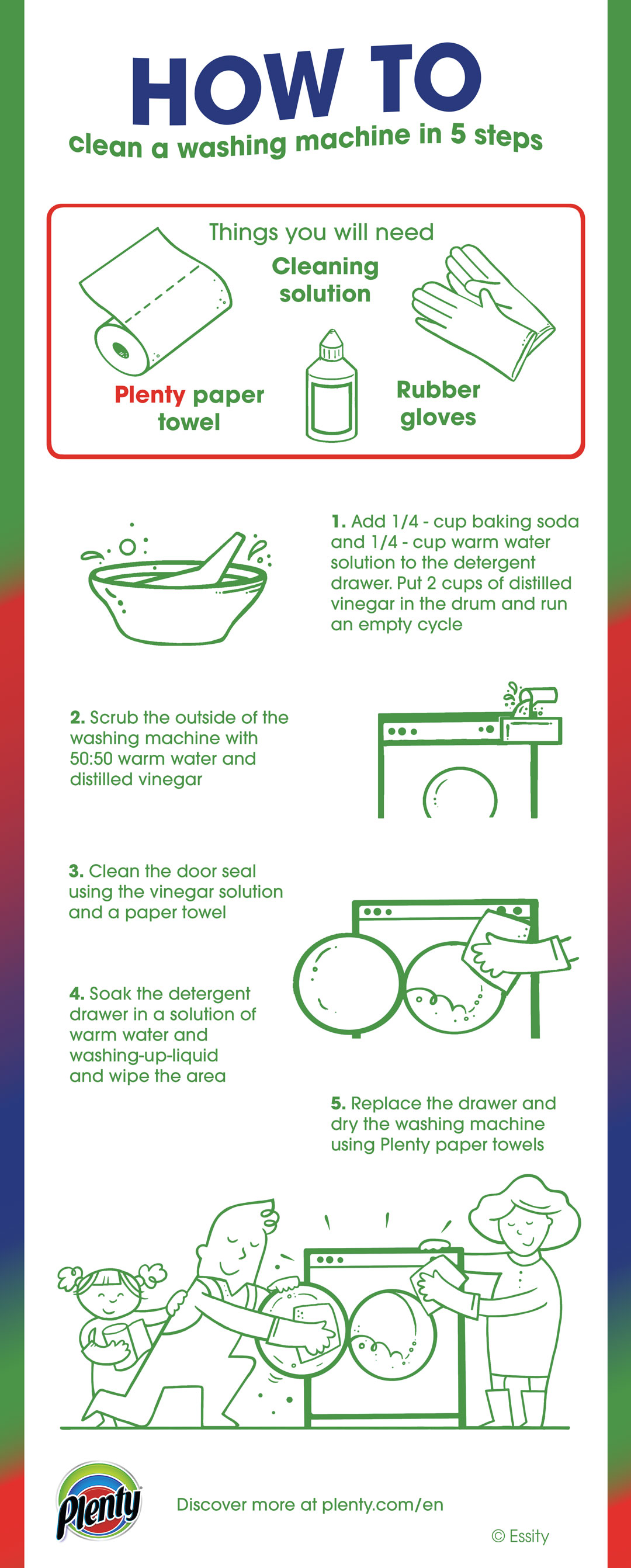
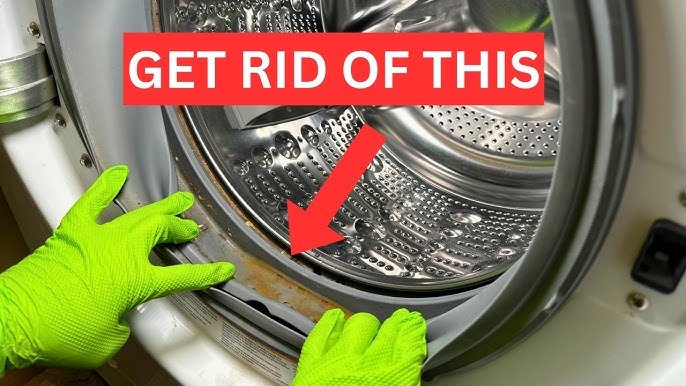
- Start by wiping down the washing machine gasket and detergent dispenser to remove visible grime.
- Add 1/2 cup of baking soda directly into the drum or detergent compartment.
- Run a hot water washing machine cleaning cycle to dissolve residue and neutralize odors.
- When the cycle reaches the rinse stage, pour 2 cups of white vinegar into the drum or fabric softener dispenser.
- Let the machine complete the rinse and spin cycles to flush out buildup.
- After the cycle, wipe dry the drum, gasket, and door to prevent mold growth.
Following these steps every 1 to 3 months helps maintain your washer and avoid mold inside the gasket or drum. We also found this method safer and more eco-friendly than using bleach.
Additional Washing Machine Maintenance Solutions
Beyond vinegar and baking soda, there are other ways to keep your machine in good shape. Avoid using harsh chemicals that can damage the drum or seals. Instead, use natural washing machine cleaner recipes with simple ingredients.
Ventilate the laundry room well and leave the door open after washing. This prevents moisture buildup that leads to mold. Clean the fabric softener dispenser often to avoid residue and rust. If you notice rust or residue buildup, a vinegar soak can help remove it safely.
We advise checking your machine’s manual for recommended cleaning frequency and care tips. Maintaining your washer regularly can add years to its lifespan. Learn more about how to clean washing machine with vinegar and baking soda for deeper cleaning ideas.
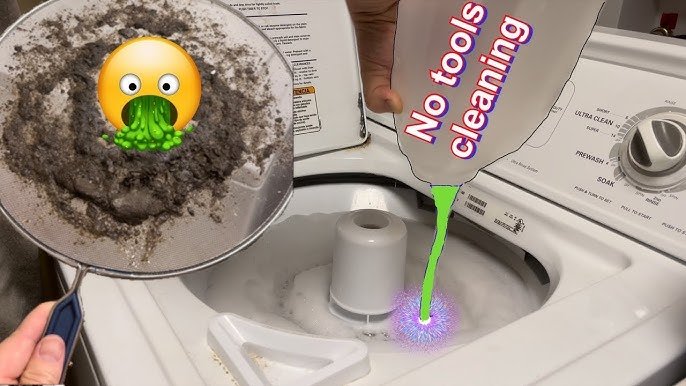
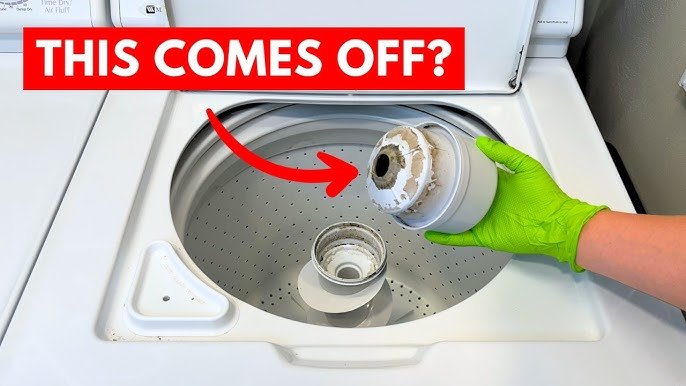
For top-loaders, follow a similar routine but adjust vinegar and baking soda amounts as discussed earlier. You can find more on how to clean top loading washing machine for tailored tips.
Vinegar vs Bleach: Which is Safer?
Many people wonder if vinegar can replace bleach for washing machine cleaning. We have tested both and prefer vinegar. Vinegar is a natural descaler and mold remover. It won’t harm your rubber seals or drum finish.
Bleach can clean bacteria but risks damaging parts and creating harsh fumes. Vinegar and baking soda together also neutralize odors better than bleach. For safe washing machine cleaning methods, vinegar is the winner in our book.
Pros & Cons of Vinegar and Bleach
| Cleaner | Pros | Cons |
|---|---|---|
| Vinegar | Natural, safe on seals, odor neutralizer, removes mold | Less strong on bacteria, slow action |
| Bleach | Strong disinfectant, kills bacteria fast | Harsh fumes, damages seals, may shorten machine life |
For those who want to avoid chemicals, vinegar and baking soda are ideal. They keep your machine fresh and clean without risk.

Common Questions About Washing Machine Cleaning
We often get asked about the best water temperature for cleaning and how to remove mold from washing machine gaskets. Hot water helps dissolve residue better, so always choose the hottest setting safe for your machine.
To remove mold from the gasket, soak a cloth in vinegar and wipe the rubber seal thoroughly. Let it air dry fully. Repeat if needed. This simple step stops mold from returning.
Odor elimination is easier when you clean the dispenser and gasket regularly. Baking soda for washing machine odor works by neutralizing smells. Using these natural agents is the best way to keep your laundry area fresh.
Here is a helpful table of recommended vinegar and baking soda amounts based on machine size:
| Machine Type | Vinegar Amount | Baking Soda Amount |
|---|---|---|
| Front-load (standard size) | 2 cups | 1/2 cup |
| Top-load (large size) | 2-3 cups | 2/3 cup |
| Compact machines | 1 cup | 1/4 cup |
By following these tips, you can freshen your washer naturally and keep it working well. Remember, regular cleaning is key to avoiding mold and rust.
Final Thoughts on Using Vinegar and Baking Soda
Our experience shows that using the right amount of vinegar and baking soda is simple and effective. It keeps your washing machine clean, odor-free, and running longer. Always add these ingredients separately during the cleaning cycle for better results.
Natural washing machine cleaner recipes like this are popular in 2026 because they are safe, cheap, and environmentally friendly. If you want to try other options, check out tips on cleaning with vinegar and baking soda for more ideas.
With these easy steps and proper amounts, you can enjoy fresh laundry without harsh chemicals. Let your machine breathe between washes and clean it often. Your clothes and your machine will thank you!
📑 Quick Facts
- ✅ Clean your washing machine every 1 to 3 months.
- ✅ Use 2 cups vinegar and 1/2 cup baking soda for a standard front-loader.
- ✅ Add baking soda first, then vinegar during rinse cycle.
- ✅ Use 5% white vinegar for best results.
- ✅ Never mix vinegar and baking soda before adding to machine.
Frequently Asked Questions
How often should I clean my washing machine with vinegar and baking soda?
It’s best to clean your washing machine every 1 to 3 months to prevent mold and residue buildup.
Can I use any vinegar concentration for cleaning my washing machine?
Use white vinegar with 5% acidity for safe and effective cleaning without harming your machine.
Is baking soda safe for all types of washing machines?
Yes, baking soda is safe for both front-load and top-load washing machines and helps eliminate odors.
Should I mix vinegar and baking soda together before adding to the wash?
It’s better to add them separately during different cycles to avoid a neutralizing chemical reaction.
Can vinegar replace bleach in washing machine cleaning?
Yes, vinegar is a natural, safe cleaner that removes mold and odors without harsh chemicals.

Michael Peterson is a home appliance writer focused on practical washing machine care, maintenance, and troubleshooting. He shares simple, reliable tips to help readers keep their washing machines running efficiently, avoid common problems, and extend appliance life.