Why Mold Grows in Washing Machines 🚀
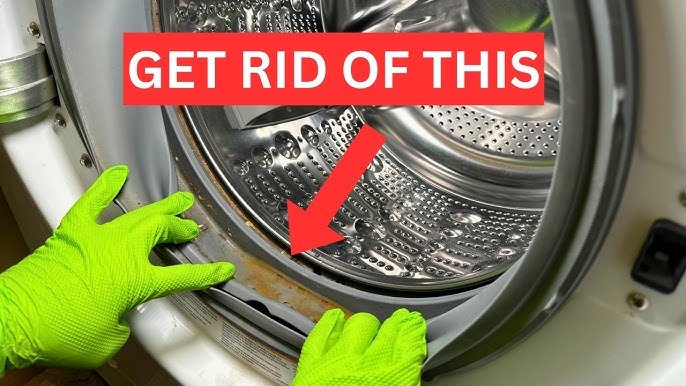
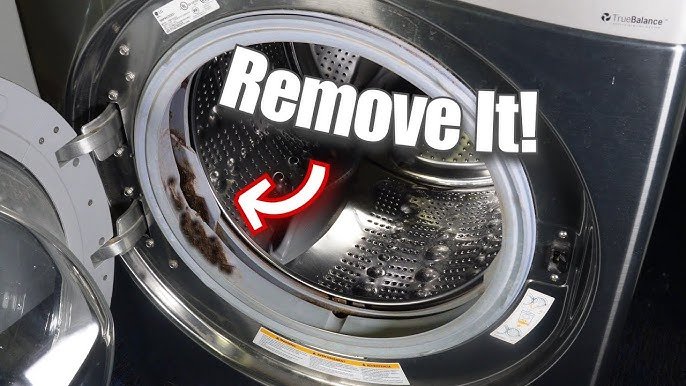
We have seen mold form inside washers, especially front-load washers. Mold spores like warm, damp places with leftover soap. The rubber door gasket holds moisture, making it a common mold spot. Detergent residue in the drum or dispenser tray adds to the problem. Top-load washing machines can also get mold, but front-loaders are more prone because water stays trapped inside.
When mold grows, you might notice a washing machine mildew smell. It is bad for clothes and can harm your home’s air quality. We learned that regular washing machine maintenance stops mold before it starts. This means cleaning and drying parts after use and running cleaning cycles often.
For more detailed advice on keeping home machines clean, check out our tips on how to clean small appliances. It helps maintain all your home devices.
How To Clean Mold From Washer 📌
We have found the best way to clean mold is to work on the rubber gasket first. Mold grows under this gasket in front-load washers. Use a microfiber cloth dipped in a mix of equal parts white vinegar and hot water. Wipe all the rubber folds and crevices well. We also scrub the washing machine drum with this solution to remove mold spots inside.
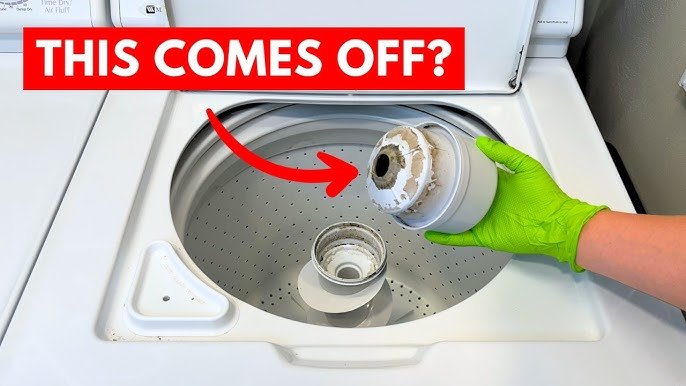
Next, clean the detergent dispenser. Old soap can trap mold spores. Remove the tray and soak it in warm water with vinegar. Scrub with an old toothbrush, then rinse and dry. Lastly, run a full hot water cleaning cycle with a cup of white vinegar or a specialized washing machine cleaner. This kills mold spores inside the drum and pipes.
For tough mold, we add a small amount of bleach during the cleaning cycle. However, be sure to rinse well to avoid damage to rubber parts. If you want to learn more from experts, a detailed guide on washing machine mold removal offers great tips.
Tools and Cleaning Agents Needed 🔢
We keep these items ready to clean washing machine mold:
- ✅ White vinegar
- ✅ Hydrogen peroxide (optional)
- ✅ Household bleach (for tough mold)
- ✅ Microfiber cloths
- ✅ Old toothbrush
- ✅ Hot water
- ✅ Eco-friendly washing machine cleaner (optional)
Natural mold removal washer methods with vinegar or hydrogen peroxide work well. They are safe and do not harm the environment. Avoid harsh chemicals that can damage your machine’s rubber gasket or drum.
Using the right cleaning agents helps keep your washer fresh and mold-free without toxic fumes.
Step-By-Step Guide to Clean Mold from Washing Machine 📌
We follow these steps carefully:
- Open the washer door and check the rubber gasket for mold.
- Mix white vinegar and hot water 1:1 in a spray bottle.
- Spray the gasket and wipe with a microfiber cloth.
- Remove and clean the detergent tray with vinegar and a brush.
- Pour a cup of white vinegar into the drum.
- Run a hot water washing machine cleaning cycle.
- After the cycle, wipe dry all surfaces and leave the door open to air dry.
- For stubborn mold, repeat the process or add bleach carefully.
We recommend a regular washing machine cleaning cycle monthly to prevent mold build-up. This routine saves time and keeps the washer smelling fresh.

Preventing Mold in Washers ✅
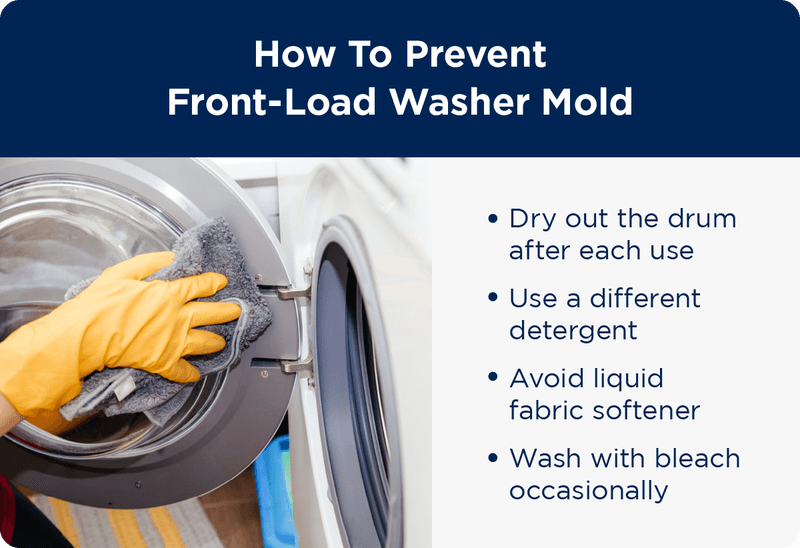
We found simple habits help stop mold before it grows. Always leave the washer door open after use. This lets air dry the drum and gasket. Wipe the rubber door gasket dry if you see water. Use the right amount of detergent to avoid residue.
Check your washer filter often and clean it. Dirty filters hold mold spores. Run a hot water cycle with vinegar once a month. Also, avoid leaving wet clothes inside the machine for too long. These small steps keep mold away and your clothes smelling clean.
For extra help on keeping home appliances spotless, see our guide on how to clean nespresso machine. It has great cleaning tips.
Mold in Front-Load vs. Top-Load Washing Machines 🆚
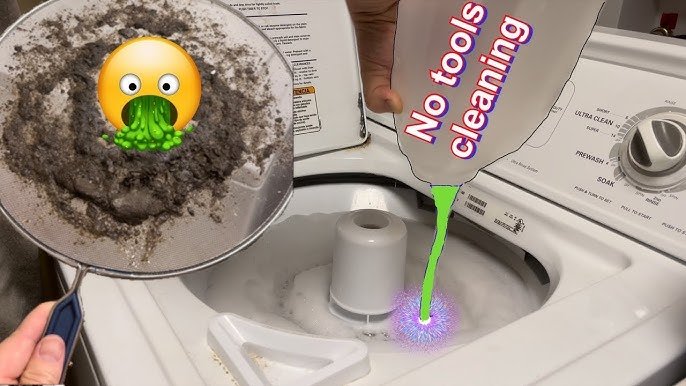
Front-load washers have a rubber door gasket that traps water, making mold common. Top-load washing machines usually have less mold because their lids let air in. But if you use too much detergent or leave clothes wet inside, mold can still grow in top loaders.
We keep both types clean by focusing on mold-prone areas. For front-load washers, cleaning the rubber gasket is key. For top loaders, clean the drum and dispenser regularly. Both need monthly hot water cycles with vinegar or a safe cleaner.
Here’s a quick look at the differences:
| Feature | Front-Load Washer | Top-Load Washer |
|---|---|---|
| Mold Risk | High, rubber gasket traps moisture | Lower, better air flow |
| Cleaning Focus | Rubber gasket, drum, dispenser | Drum, dispenser, filter |
| Maintenance | Monthly cleaning cycles essential | Regular cleaning advised |
Both types need good care to stop mold and odors. Clean often, dry well, and use proper detergents for best results.
Top Washing Machine Cleaning Tips ⭐
We share our best tips to keep your washer mold-free:
- Run a hot water cycle with vinegar monthly.
- Wipe the rubber gasket after every use.
- Leave the door open to air dry.
- Use the right detergent amount for your washer type.
- Clean detergent trays and filters often.
- Use eco-friendly washing machine cleaners sometimes.
These simple steps stop mold growth and remove washing machine odor removal issues. Keeping up with these tips means fewer problems and fresher clothes.
For more cleaning advice, check out our article on how to clean my nespresso machine. It gives good cleaning ideas for other appliances too.
Choosing Environmentally Safe Washing Machine Cleaners ⚖️
We prefer natural cleaners like white vinegar and hydrogen peroxide. They kill mold without harsh chemicals. Vinegar breaks down detergent residue and stops mold spores. Hydrogen peroxide works as a strong mold fighter and freshens the washer.
Some eco-friendly washing machine cleaners are made to clean deep inside machines. They work well and are safe for the environment. We avoid bleach unless mold is severe since bleach can harm rubber parts.
Here’s a quick look at common cleaners:
| Cleaner | Effectiveness | Safety |
|---|---|---|
| White Vinegar | Good for mild mold and odor | Safe, natural |
| Hydrogen Peroxide | Strong mold removal | Safe, natural |
| Bleach Solution | Very strong, kills mold fast | Use with care, can damage rubber |
Use these cleaners with hot water and a good washing machine cleaning cycle for best results.
Washing Machine Maintenance Schedule 🔢
We follow this simple schedule to keep our machines clean:
- After every wash: Leave door open to dry.
- Weekly: Wipe rubber gasket and drum with vinegar solution.
- Monthly: Run hot water cleaning cycle with vinegar or eco cleaner.
- Every 3 months: Clean detergent tray and filter.
- Annually: Inspect rubber gasket for damage or mold build-up.
Sticking to this schedule helped us avoid mold and keep the washer fresh. It also lowers the risk of dryer mold contamination, which can happen if clothes go from a moldy washer to the dryer.
We recommend adding these tasks to your home cleaning routine to protect your appliance and clothes.
Summary and Final Thoughts 💬
Cleaning mold from your washing machine is easy if you act fast. Focus on the rubber gasket, drum, and detergent parts. Use natural cleaners like white vinegar or hydrogen peroxide for safe, effective results. Run hot water cycles monthly and keep the door open to air dry. Regular maintenance stops mold growth and keeps clothes fresh.
Whether you have a front-load or top-load washing machine, these tips work well. Mold prevention in washers means better home appliance hygiene and no bad smells. Remember to use eco-friendly cleaners when possible to protect your machine and the environment.
For more cleaning tips on home appliances, we invite you to read about cleaning mold in clothes washers where users share their real experiences and solutions.
Frequently Asked Questions
Why does mold grow in washing machines?
Mold grows in washers because of moisture, warm temperatures, and leftover detergent that create a perfect spot for mold spores to thrive.
Can I use bleach to clean mold from my washing machine?
Yes, bleach is effective for killing mold in washing machines, but it must be used carefully and rinsed well to avoid damage.
How often should I clean my washing machine to prevent mold?
Cleaning your washing machine once a month helps prevent mold buildup and keeps your washer fresh.
Are natural cleaners like vinegar effective for removing mold?
Yes, white vinegar and hydrogen peroxide are natural and safe cleaners that can remove mold and freshen your washer.
What parts of the washing machine should I focus on to remove mold?
Focus on the rubber door gasket, washing machine drum, detergent dispenser, and filter, as these areas often hold mold and mildew.

Michael Peterson is a home appliance writer focused on practical washing machine care, maintenance, and troubleshooting. He shares simple, reliable tips to help readers keep their washing machines running efficiently, avoid common problems, and extend appliance life.