Understanding Espresso Machine Cleaning with Vinegar
Cleaning your espresso machine regularly is key to great coffee and long machine life. White vinegar is a popular homemade cleaner. It helps remove mineral buildup and coffee oils. However, you must use it properly to avoid harming your machine or coffee taste.
Before starting, check your machine manual for vinegar use advice. Some brands suggest specific cleaning solutions. For more cleaning tips, see our guide on cleaning Black and Decker coffee machines.
Vinegar’s acid breaks down hard water deposits that build up inside your espresso maker. This process is called descaling. It clears blockages in the brew group, steam wand, and hot water tank.
Proper cleaning also removes coffee stains and odors. This guide explains how to descale your espresso machine with white vinegar safely.
Why Descale Your Espresso Machine?
Espresso machines often face mineral deposits from hard water. These deposits clog parts and change heat flow. The result is weak coffee and machine damage.
Descaling removes these minerals. Cleaning also clears coffee residue and oils that build up over time. This keeps the brew group, drip tray, and steam wand clean.
Regular descaling improves machine performance and coffee flavor. Experts recommend cleaning frequency based on water hardness and usage.
Following safety precautions is key. Overuse of vinegar or poor rinsing can cause problems.
Benefits of Using White Vinegar for Espresso Cleaning
White vinegar is cheap, natural, and easy to find. It dissolves mineral buildup well. It also cuts coffee oils and removes odors.
Using vinegar is eco-friendly compared to some chemical cleaners. It is gentle but effective when diluted. Industry consensus suggests vinegar as a safe option if instructions are followed.

However, not all parts react well to vinegar. Some machines may have seals or metals sensitive to acid. Check your machine manual.
For a deeper understanding of this mechanic, analyzing resources on consequences of wrongly cleaning espresso machine with vinegar provides excellent foundational context.
Step-by-Step Guide to Descale with White Vinegar
Follow these steps to clean your espresso machine with vinegar:
- Mix equal parts of white vinegar and water. Use about 1 cup of each.
- Remove any coffee grounds and clean the filter basket.
- Fill the water tank with the vinegar solution.
- Run the machine’s cleaning cycle or brew cycle halfway.
- Turn off the machine and let it sit for 15-30 minutes to let the vinegar work.
- Complete the cleaning cycle or brew the rest of the solution.
- Rinse the water tank and fill it with fresh water.
- Run at least two full cycles with clean water to flush out vinegar residue.
- Wipe and clean removable parts like drip tray, steam wand, and brew group using a cleaning brush.
Always check the rinse process carefully. Vinegar taste can spoil coffee if not removed fully.
Cleaning espresso machine parts like the steam wand requires extra care. Use a damp cloth with diluted vinegar or a specific milk cleaner for stubborn stains.
How Often to Descale Your Espresso Machine
Descaling frequency depends on your water hardness and machine use. Hard water means more minerals and faster buildup.
Most experts advise descaling every 1 to 3 months. Heavy users may need monthly cleaning. Light users might extend to 3 months.
Use a water hardness test kit to adjust your cleaning schedule. Some machines have alerts for descaling.
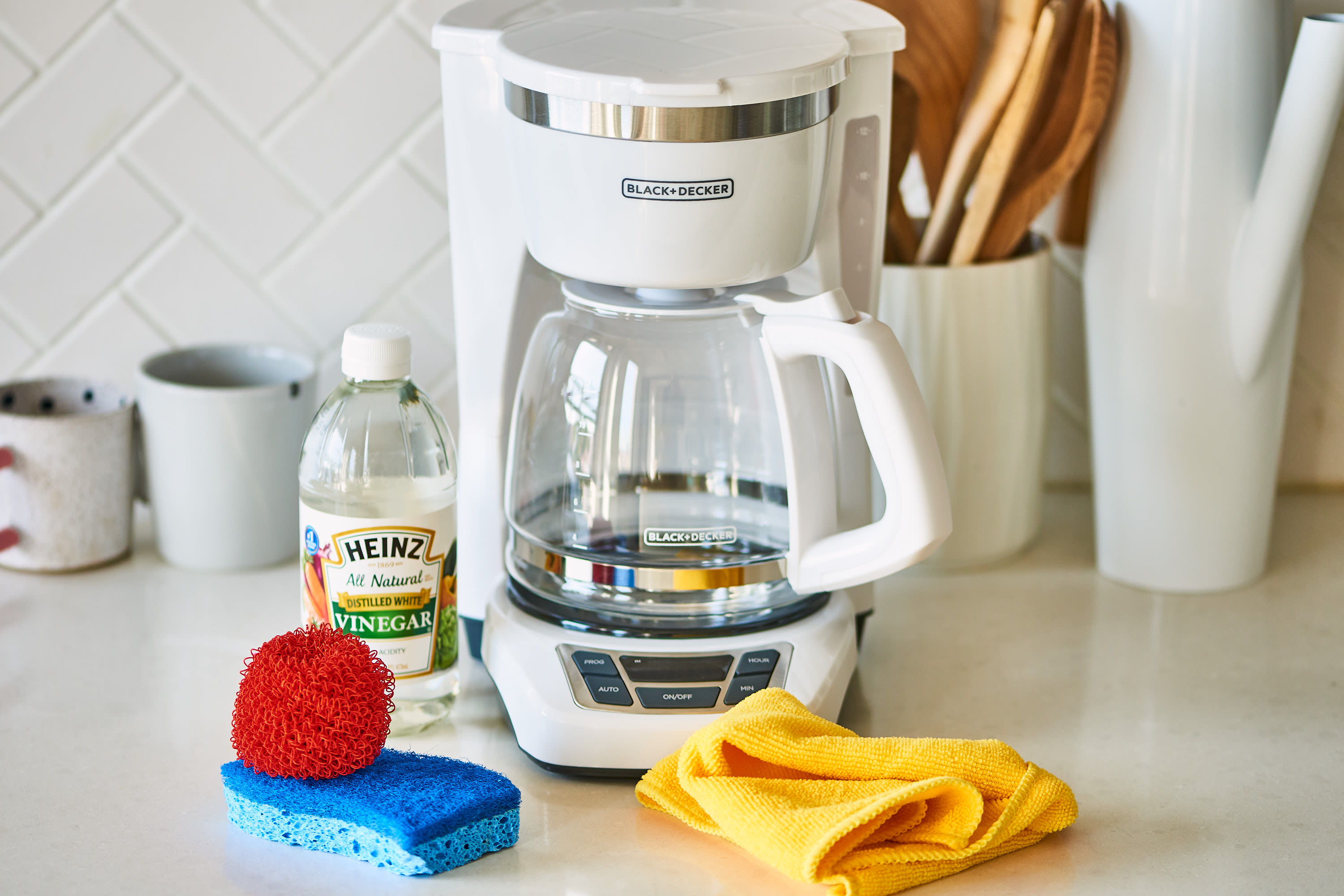
Regular maintenance also includes cleaning coffee grinder parts and drip trays. This prevents coffee machine odor and keeps coffee fresh.
Expert Espresso Machine Cleaning Tips
Here are key tips for safe and effective cleaning:
- ✅ Always dilute vinegar with water before use.
- ✅ Never leave vinegar solution in the machine longer than recommended.
- ✅ Rinse thoroughly to remove all vinegar taste.
- ✅ Use a soft brush for cleaning small parts.
- ✅ Consult your machine manual for specific instructions.
- ✅ Use commercial cleaners for tough stains or if vinegar is not recommended.
Also, avoid harsh scrubbing that may damage seals or surfaces. Maintain the steam wand by cleaning after each use to prevent milk residue.
For more cleaning insights, explore our detailed advice on cleaning Breville espresso machines.
Homemade Espresso Machine Cleaner Alternatives
If you want to avoid vinegar, try these homemade solutions:
- Mix citric acid powder with water for a mild descaling solution.
- Use baking soda and water paste to remove coffee stains on the exterior.
- Combine vinegar with lemon juice for extra cleaning power but rinse well.
These alternatives can help maintain your espresso machine without harsh chemicals.
Always test homemade cleaners on small parts first and rinse thoroughly.
Comparison of Cleaning Solutions for Espresso Machines
| Cleaning Solution | Effectiveness | Safety | Cost |
|---|---|---|---|
| White Vinegar | Good for mineral buildup | Safe if diluted and rinsed | Low |
| Commercial Descalers | Highly effective | Designed for machines, very safe | Medium to High |
| Citric Acid | Effective and mild | Safe but rinse well | Low |
Choosing the right cleaning solution depends on your machine type, budget, and preferences.

Always follow safety precautions to keep your espresso machine in top shape.
Common Mistakes to Avoid When Using Vinegar
Many users make mistakes that harm machines or coffee taste:
- Using undiluted vinegar, which can corrode metal parts.
- Not rinsing the machine well, leaving vinegar taste.
- Ignoring manufacturer warnings against vinegar.
- Letting vinegar sit too long inside the machine.
These can cause damage to seals, valves, and internal parts. Always read your machine manual carefully.
For safety, check advice on white vinegar risks in coffee machines.
Conclusion: Maintain Your Espresso Machine with Care
Cleaning your espresso machine with vinegar is a smart, low-cost method to keep it working well. White vinegar removes mineral buildup and coffee stains effectively when used right.
Follow the right dilution, descaling frequency, and rinse process to avoid damage and bad tastes. Combine vinegar cleaning with other maintenance tasks for best results.
Stay alert to your machine’s needs and always consult the manual or trusted guides. This approach ensures fresh coffee taste and extends your espresso machine’s life.
Good maintenance habits will reward you with lasting, delicious espresso every day.
Frequently Asked Questions
Can I use white vinegar to descale my espresso machine?
Yes, white vinegar is commonly used to descale espresso machines and remove mineral deposits. However, it should be diluted and rinsed thoroughly to avoid damage or taste issues.
How often should I descale my espresso machine?
Industry consensus recommends descaling every 1 to 3 months depending on water hardness and usage frequency to prevent mineral buildup.
Is vinegar safe for cleaning the steam wand?
Yes, diluted white vinegar can safely clean the steam wand to remove milk residue and prevent clogging.
Are there alternatives to vinegar for cleaning espresso machines?
Yes, there are commercial cleaning solutions and homemade cleaners like citric acid-based products that are also effective and safe.
What are the risks of using vinegar incorrectly?
Using undiluted vinegar or not rinsing well can damage machine parts and leave a strong vinegar taste in coffee.

Michael Peterson is a home appliance writer focused on practical washing machine care, maintenance, and troubleshooting. He shares simple, reliable tips to help readers keep their washing machines running efficiently, avoid common problems, and extend appliance life.