Introduction to Cleaning Front Loading Washers
Front loading washing machines are great for saving water and cleaning clothes well. But they can get mold and odors inside. We have found that vinegar is a natural and easy way to clean these washers. It helps remove mold, detergent buildup, and bad smells.
In our experience, regular cleaning with vinegar helps keep the washer fresh and lasts longer. If you want to know how to clean your front loading washer with vinegar, this guide will help you. We also share tips on mold prevention and washer maintenance.
For detailed mold cleaning methods, check out our guide on how to clean washing machine with mold to learn the best ways to tackle tough mold.
Why Use Vinegar for Cleaning Your Washer?
White vinegar is a natural washing machine cleaner that is safe and cheap. It kills mold and mildew and breaks down detergent buildup. It also deodorizes the washer drum and rubber door seal well.
We have found vinegar works better than many harsh cleaners for front load washer mildew. Using vinegar regularly stops odors and keeps the softener dispenser clean. It is eco-friendly and easy to find at home.
Vinegar also helps remove fabric softener and detergent residue that can clog parts of the machine. This improves wash quality and extends the washing machine lifespan.
| Benefits of White Vinegar for Washer Cleaning |
|---|
| Natural mold and mildew remover |
| Breaks down detergent buildup |
| Deodorizes and freshens washer drum |
| Safe for rubber door seals and gaskets |
| Eco-friendly and inexpensive |
We also recommend reading this helpful post on how to clean your front load washer naturally for more natural cleaning tips.
Step-by-Step Guide to Clean Your Front Loading Washer with Vinegar
Here is how we clean our front loading washing machine using vinegar. This process is simple and effective to remove odors, mold, and residue.
Follow these steps carefully for best results:
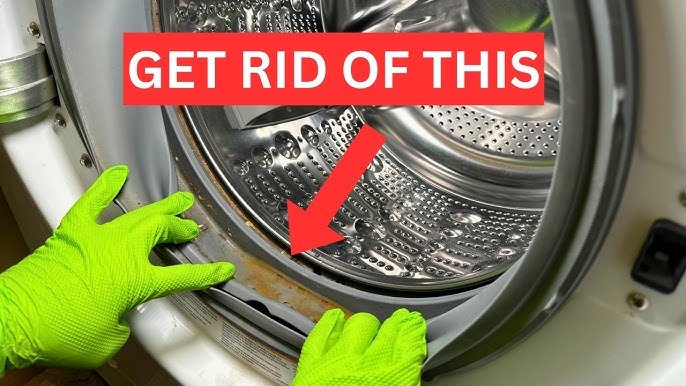
Step 1: Wipe the rubber door seal and gasket with a cloth soaked in white vinegar. This helps remove mold and mildew on the rubber parts.
Step 2: Clean the fabric softener dispenser tray. Remove it and soak in hot water with vinegar to dissolve softener buildup.
Step 3: Pour 2 cups of white vinegar directly into the washing machine drum.
Step 4: Run a hot water cleaning cycle on the longest wash setting. This wash cycle with vinegar cleans the drum and internal parts.
Step 5: After the cycle finishes, wipe the inside of the drum and door seal again with a dry cloth.
Step 6: Leave the door open for a few hours to air dry and prevent mildew growth.
This cleaning frequency keeps your washer fresh. We do this every 1 to 2 months depending on use.
We also keep a cleaning schedule to avoid front load washer odor. A regular cleaning routine is key to washing machine maintenance.
To keep your cleaning efforts safe and effective, check out our advice on how to clean front load washing machine.
Preventing Mold and Odor in Front Load Washers
Mold and mildew grow easily in front loading washers if moisture stays trapped. We have learned some great tips to prevent front load washer mildew and odors.
Always leave the door and detergent drawer open after washing. This lets the drum dry fully and stops mold growth on the rubber door seal.
Use the right amount of washing machine detergent. Too much detergent causes buildup that traps odors. Also, clean the softener dispenser regularly to stop residue.
Check water temperature settings. Using warm or hot water sometimes helps kill bacteria that cause odor.

Wiping the gasket and door seal often stops mold from starting. You can use a vinegar solution to clean these parts weekly.
Using a natural washing machine cleaner like vinegar or baking soda every few weeks keeps the drum fresh.
Cleaning Frequency and Washing Machine Maintenance Tips
We find that cleaning front loading washers every 1 to 3 months works well. If you use the washer daily or have hard water, clean more often.
Besides vinegar cleaning, do regular maintenance like checking hoses and filters. This keeps your machine running longer and avoids costly repairs.
Always follow the manufacturer’s guidelines for detergent and softener use. Avoid overfilling to reduce residue buildup.
Here is a checklist we use for washing machine maintenance:
- ✅ Monthly: Wipe gasket and door seal with vinegar solution
- ✅ Every 1-3 months: Run a hot water cleaning cycle with vinegar
- ✅ Every 3 months: Clean fabric softener dispenser
- ✅ Every 6 months: Check and clean drain pump filter
By sticking to this schedule, front load washer odors and mold are usually not a problem.
For a close look at how to keep your washing machine clean from mold, see our post about how to clean mold from washing machine.
Common Mistakes to Avoid When Cleaning with Vinegar
We have noticed some common errors people make when cleaning with vinegar. Avoid these to get the best results:
- Using vinegar too often can wear down rubber parts. Stick to every 1-3 months.
- Don’t mix vinegar with bleach or other harsh cleaners. This causes harmful fumes.
- Always run a full rinse cycle after vinegar cleaning to clear residue.
- Do not pour vinegar directly into detergent compartments. Add to the drum.
Following these tips keeps your cleaning safe and effective.
Washing Machine Cleaning Comparison
We tested vinegar cleaning against other methods like bleach and commercial cleaners. Here is what we found:
| Cleaning Method | Mold Removal | Odor Removal | Safe for Rubber | Eco-Friendly |
|---|---|---|---|---|
| White Vinegar | High | High | Yes | Yes |
| Bleach | High | Medium | No | No |
| Commercial Cleaner | Medium | High | Depends | Varies |
Vinegar is a great balance for safe, strong cleaning without damage.
Conclusion and Final Tips
Cleaning your front loading washing machine with white vinegar is a simple, natural, and effective way to remove mold, odors, and residue. We have found it preserves the rubber seals and keeps your drum fresh.
Stick to a regular cleaning schedule and prevent mold by airing out the drum. Use the step-by-step vinegar cleaning method and keep your softener dispenser spotless.
This routine helps your washer last longer and keeps your laundry smelling clean. For more washing machine care advice, visit our page on how to clean washing machine with vinegar and baking soda.
🚀 Beginner Tip: Always start with wiping the rubber door seal. It traps the most mold and stops odors fast!
We hope these tips help you keep your front load washer in top shape. Clean machines mean cleaner clothes and less hassle. Happy washing!
Frequently Asked Questions
Can vinegar damage the rubber door seal on front load washers?
Using white vinegar in moderate amounts is safe for rubber door seals. It helps clean mold and mildew without harming the seal if used properly.
How often should I clean my front loading washing machine?
It is best to clean your front load washer every 1 to 3 months depending on use to prevent mold, odors, and detergent buildup.
Can vinegar remove detergent residue from the washing machine drum?
Yes. Vinegar acts as a natural washing machine cleaner that helps dissolve detergent residue and deodorizes the drum.
Is it safe to use vinegar with baking soda in washing machine cleaning?
Yes. Using white vinegar with baking soda is a common DIY washing machine cleaning method to remove buildup and odors.
What water temperature should I use for a vinegar cleaning cycle?
Use hot water for the cleaning cycle with vinegar. Hot water helps dissolve grime and kills mold spores more effectively.

Michael Peterson is a home appliance writer focused on practical washing machine care, maintenance, and troubleshooting. He shares simple, reliable tips to help readers keep their washing machines running efficiently, avoid common problems, and extend appliance life.