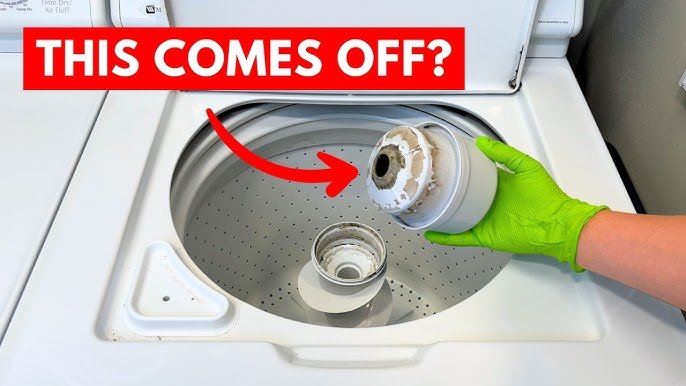
Introduction to Samsung Washer Filter Cleaning 🚀
In our experience, keeping your Samsung washing machine in top shape means regular filter cleaning. The filter traps lint, soap scum, and debris from your laundry. Over time, these build-ups can clog the filter and cause problems. Knowing how to maintain your top load washer filter is key to smooth washing cycles and fresh clothes.
We have found that many users miss this simple task. But with a bit of care, you can prevent washer odors, leaks, and slow drainage. For detailed tips on maintaining top loaders, you can check the Samsung top-load washer maintenance guide.
Let’s dive into how to find, clean, and care for your Samsung washer filter the right way.
Where to Find the Washer Filter on Samsung Top Loaders 🔍
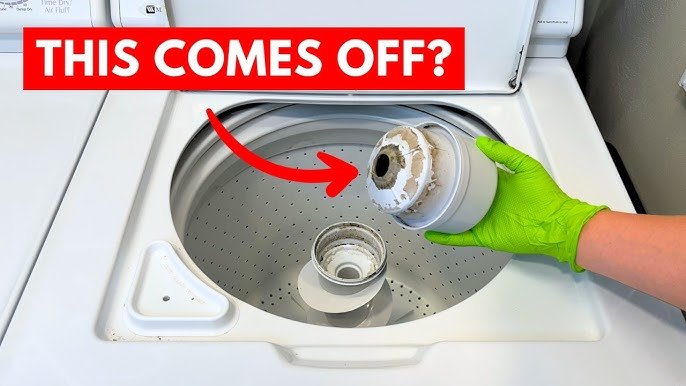
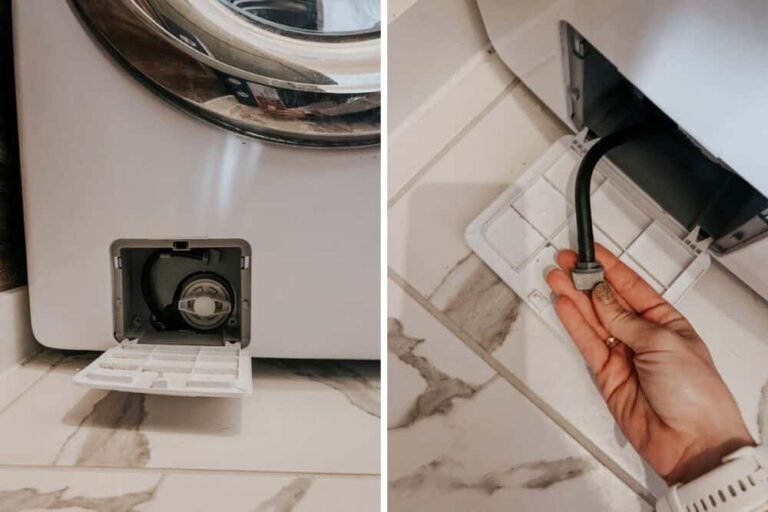
First, it is important to locate the filter. Samsung top load washers usually have a drain pump filter. This filter is often behind a small panel near the front bottom of the washer. Some models may also have a lint trap inside the washer drum.
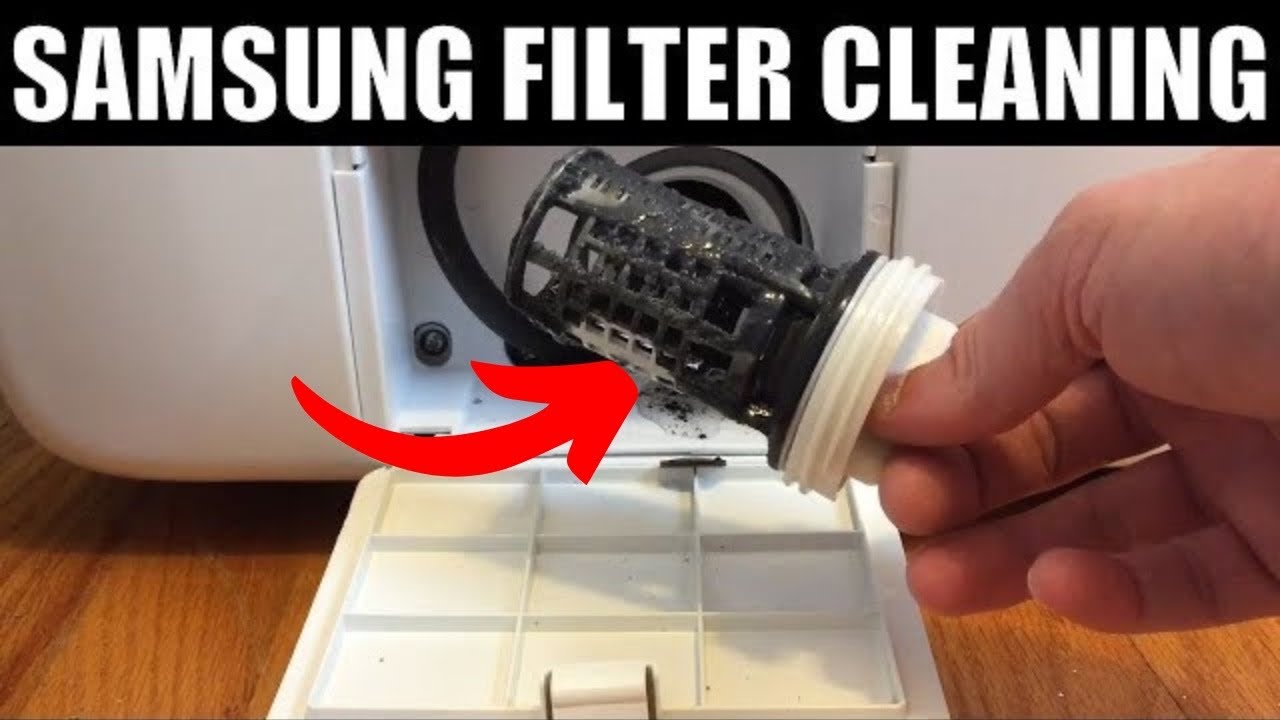
Removing the filter safely means switching off the washer and unplugging it. Then open the filter housing by gently pulling or unscrewing the cover. You might find some water inside, so keep a towel handy.
Finding the exact washing machine filter location top loader can vary by model. If you have trouble, the Samsung washing machine user manual is a good source. Also, users have shared tips on where to find the filter on Samsung top loaders.
Step-by-Step Filter Cleaning Process 📌
Cleaning the washer filter is easy once you know the steps. Here is how we do it:
- Turn off and unplug the washer.
- Locate the filter panel near the bottom front.
- Place a shallow container or cloth under the panel to catch water.
- Open the filter cover by twisting or pulling gently.
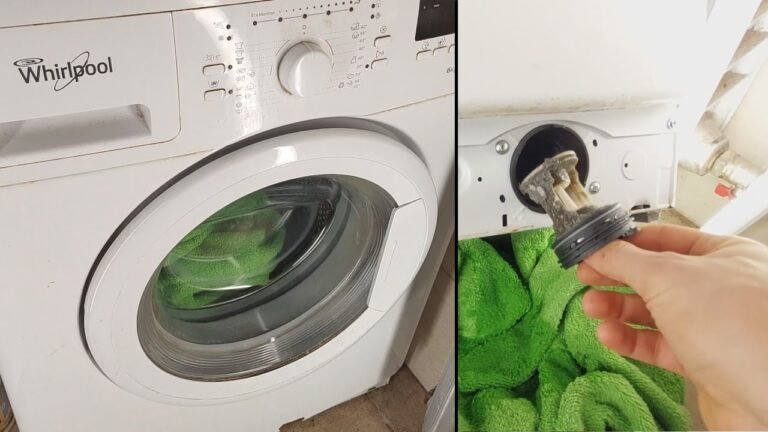
- Pull out the filter carefully; some water may spill.
- Remove lint, hair, and debris from the filter screen by hand.
- Rinse the filter under warm running water to clear soap scum.
- Use a soft brush if needed for stubborn dirt.
- Check inside the filter housing and remove any buildup.
- Replace the filter securely and close the panel.
- Plug the washer back in and run a rinse cycle to check for leaks.
This process keeps your drain pump filter clear. A clogged filter can cause slow drainage or a washer leak. Regular cleaning avoids these common issues.
For visual help, Samsung also offers instructions on cleaning the pump filter safely and effectively.
How Often to Clean Your Washer Filter? ⏰
From our tests, we recommend cleaning the Samsung washer filter every 1 to 3 months. If you use the washer daily or have hard water, clean it more often. This keeps the filter free from buildup and helps the washing cycle work well.
Ignoring the filter can lead to clog symptoms like odd noises, slow water drainage, and bad smells. These are signs your filter needs attention.
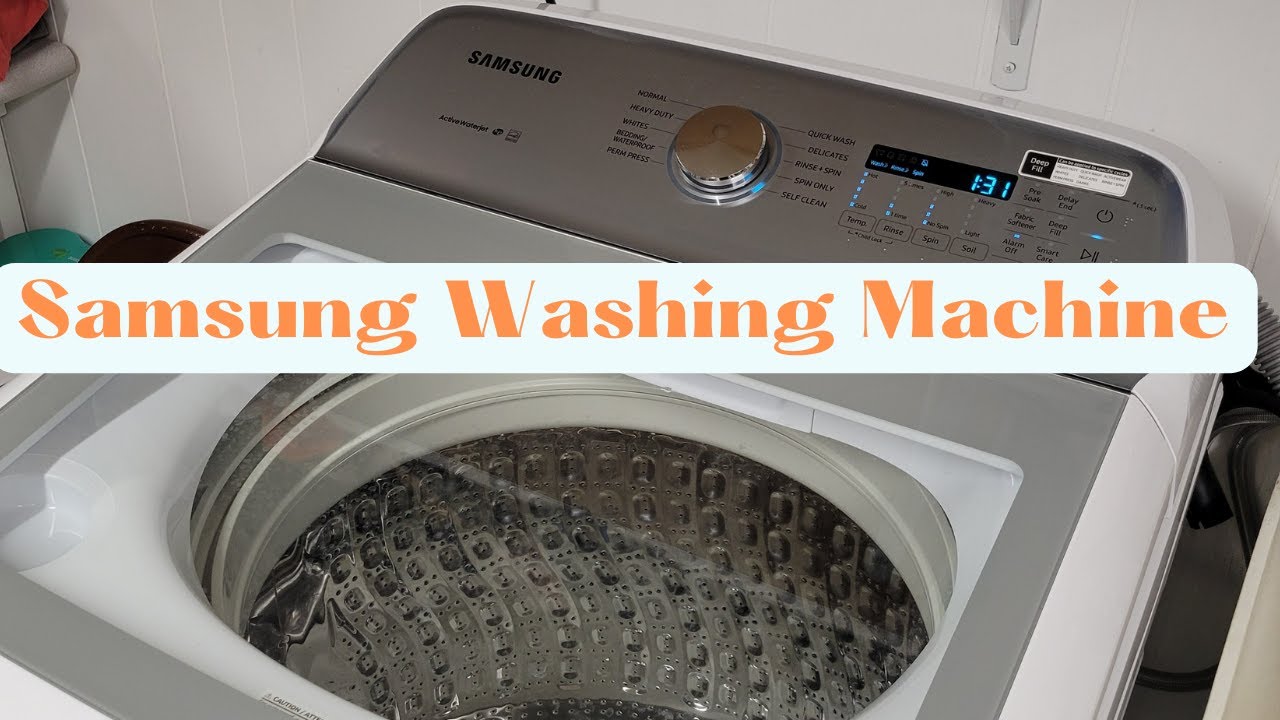
We keep a simple calendar reminder to perform DIY washing machine maintenance. This helps avoid surprises and extends the life of the washer.
Recognizing Washer Filter Clog Symptoms ⚠️
We noticed some common signs that a washer filter is clogged. These include:
- ✅ Water not draining fully at the end of cycles
- ✅ Washer making strange buzzing or grinding noises
- ✅ Leakage near the filter panel
- ✅ Musty or sour smells inside the washer drum
If you see these, checking and cleaning the filter is a smart first step. It often solves the problem without a service call.
Ignoring a clogged filter can lead to wear and tear on the washer drain pump and other parts.
Top Load Washer Filter Removal Tips 💡
When removing the filter, handle it gently. The filter screen can be delicate. Avoid using sharp tools that might damage the filter housing or screen.
Also, have a towel or shallow pan ready to catch water. Filters can hold water even after the cycle ends. Keeping your floor dry prevents slip hazards.
Use warm water and soft brushes for cleaning. Harsh chemicals can harm the filter parts. For stubborn soap scum or detergent residue, a mild vinegar solution helps.
Best Cleaner for Washing Machines ⭐
We have found that simple household items do the job well. Vinegar and baking soda work great to remove buildup and odor inside the washer. For the filter itself, warm water and a soft toothbrush clean the filter screen thoroughly.
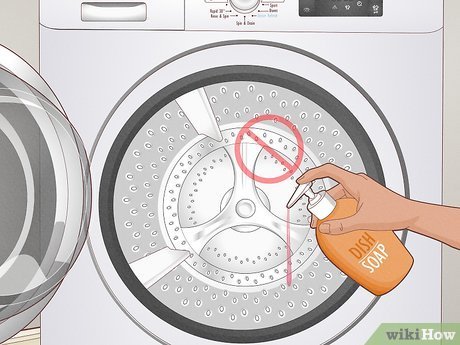
Avoid bleach or harsh cleaners on the filter. They can damage the plastic parts and shorten the filter life.
Regular use of these gentle cleaners helps prevent washer odors and keeps your laundry smelling fresh.

Washing Machine Filter Cleaning Tools 🧰
To clean your Samsung washer filter, you only need a few tools. We recommend:
- Soft brush or old toothbrush
- Warm water source
- Mild detergent or vinegar
- Clean cloth or towel
- Small shallow pan to catch water
These simple tools help you clean the filter without damage. They also make the process quick and safe.
Keeping these tools handy makes regular maintenance easier. This is key to long-lasting washer performance.
Top Load Washing Machine Care Essentials ✅
Along with filter cleaning, good washer care includes:
- Using the right detergent amount
- Running cleaning cycles monthly
- Checking hoses and seals for leaks
- Keeping the drum and door seals dry
These simple steps reduce wear and tear and prevent odors. They also help your Samsung washer work efficiently for years.
If you want to learn more about caring for other washer parts, check out our guide on how to clean GE washing machine top loader. Many tips apply across brands.
How to Reset Samsung Washing Machine 🔄
Sometimes, after cleaning the filter or fixing an issue, you may need to reset your Samsung washer. Usually, this means unplugging the machine for 1-2 minutes, then plugging it back in. This resets the control board.
If your washer shows error codes related to drainage or filter issues, a reset often clears them. Follow your user manual for model-specific reset steps.
Resetting can help restart the washing cycle smoothly after maintenance.
Preventing Washing Machine Odors 🧼
Regular filter cleaning helps stop odors, but you also need to keep other parts clean. Use hot water cycles with vinegar monthly. Leave the washer lid open after use to air dry the drum.
Soap scum and detergent residue can build up in the filter and drum. Removing these stops mold and smell growth.
We found that small habits keep the washer fresh and your laundry smelling great.
Summary of Key Filter Cleaning Steps 🔢
| Step | Description |
|---|---|
| 1 | Turn off and unplug the washer |
| 2 | Locate and open the filter panel |
| 3 | Remove filter and catch water |
| 4 | Clean filter screen and housing |
| 5 | Rinse with warm water, dry, and replace |
| 6 | Run a rinse cycle to check |
Following these steps keeps your Samsung top load washer running well. It avoids common issues like clogs and odors.
Remember to check the filter every few months for best results.
Washer Filter Maintenance: Pros & Cons ⚖️
| Pros | Cons |
|---|---|
| Prevents clog and leaks | Needs regular attention |
| Improves washer lifespan | Small risk of water spill |
| Reduces washer odors | May be tricky to find filter |
| Easy DIY task | Filter parts can wear out |
Overall, the benefits of cleaning your washer filter far outweigh the minor downsides. With care, this simple task keeps your laundry fresh and your washer strong.
Recommended Filter Cleaning Intervals 📑
| Usage Level | Cleaning Interval |
|---|---|
| Daily Use | Every 1 Month |
| Regular Use (3-4 times/week) | Every 2 Months |
| Light Use (1-2 times/week) | Every 3 Months |
Setting the right cleaning schedule based on your washer use helps avoid buildup. We keep this chart near our laundry area to remind us.
Following these tips and schedules keeps your Samsung washer filter clean and your clothes fresh.
Frequently Asked Questions
Where is the filter located in a Samsung top load washer?
The filter in a Samsung top load washer is usually near the bottom front panel or inside the washer drum. It can be a drain pump filter or lint trap.
How often should I clean the washer filter?
It is best to clean the washer filter every 1 to 3 months, depending on how often you use your washer and the water quality.
What are signs of a clogged washer filter?
Signs include slow water drainage, washer leaks, strange noises, and bad smells from the washing machine.
Can I clean the filter myself?
Yes, cleaning the filter is a simple DIY task. You only need basic tools and some warm water to remove lint and debris.
What is the best cleaner for washing machines?
Mild detergent and vinegar are good for cleaning washing machines. For filter cleaning, warm water and soft brushes work best.

Michael Peterson is a home appliance writer focused on practical washing machine care, maintenance, and troubleshooting. He shares simple, reliable tips to help readers keep their washing machines running efficiently, avoid common problems, and extend appliance life.