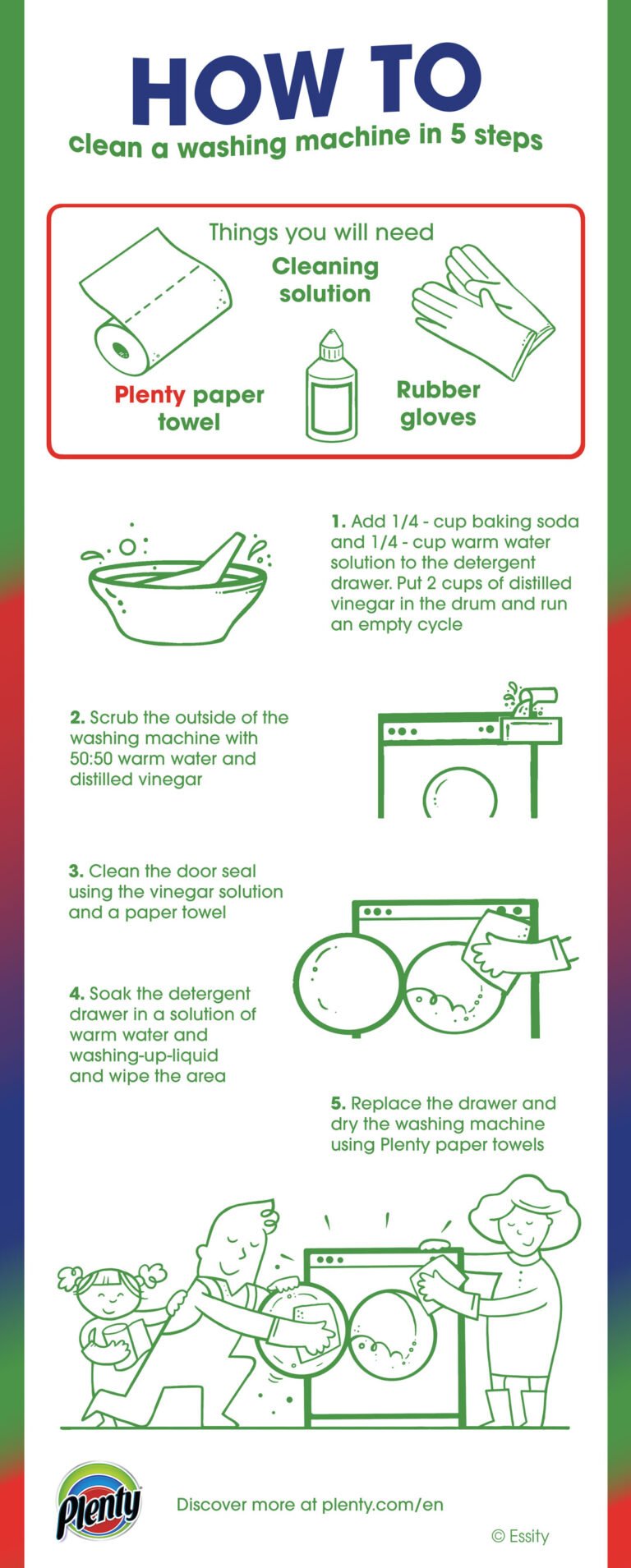
Why Clean Your Washing Machine Agitator?
We have found that cleaning the agitator is key to keeping your washer fresh. The agitator moves clothes to wash them well. But it can trap dirt, soap scum, and mold. This causes bad smells and can harm your clothes over time. Cleaning the agitator helps stop these problems early.
Top load washers with agitators need special care. The agitator parts often hold water and soap, which leads to grime build-up. If you want your washer to work well in 2026, don’t skip this step in your washing machine maintenance tips.
For a full routine, check out our guide on cleaning LG washing machine filter top loader. It pairs well with agitator cleaning.
Tools and Best Cleaners for Agitator
To clean your agitator, gather a few simple tools. You will need cleaning gloves to protect your hands. A scrub brush with firm but gentle bristles works best. White vinegar and baking soda make a powerful homemade agitator cleaner. You can also use commercial washing machine cleaner products if you prefer.
For tough mold and mildew, white vinegar is great. It breaks down soap residue and kills bacteria. Baking soda helps to scrub off dirt and neutralize odors. Together, they make a safe and strong cleaning solution.
We tested cleaning with vinegar versus a store cleaner. Vinegar worked well and costs less. It is also safer for your washing machine parts.
How To Remove Washing Machine Agitator
Disassembling the agitator makes deep cleaning easier. But not all washers allow this. First, unplug your washer for safety. Then, open the washing machine lid and remove the fabric softener dispenser from the top of the agitator. This usually pulls right off.
Underneath, you may find a bolt holding the agitator in place. Use a socket wrench to unscrew it. Pull the agitator straight up carefully. It might take some force if it’s stuck. Remember to check your washing machine manual to avoid damage.
This washing machine agitator removal guide helps you avoid common mistakes. If you are unsure, cleaning without removal still works well with the right steps.
Cleaning Process for the Agitating Mechanism
Start by soaking the agitator in a mixture of white vinegar and water for 30 minutes. This soak loosens mold and detergent residue. After soaking, scrub every part carefully with your brush. Pay special attention to crevices and the base where grime hides.
Rinse the agitator with warm water after scrubbing. Then, wipe the washing machine drum and agitator mount with a vinegar solution to remove leftover dirt. Run an empty rinse cycle on your washer to flush out any loose debris.
:max_bytes(150000):strip_icc()/how-to-remove-agitator-from-washing-machine-5211908-hero-1d1327a42ed94962af915e32891c5ab1.jpg "How to Remove the Agitator From a Washing Machine (Figure)")
For regular cleaning frequency, do this every 1 to 3 months. We found that sticking to this schedule keeps mold buildup agitator-free and your laundry smelling fresh.
How to Remove Washing Machine Odor and Prevent Mold
Odor in your washer often comes from mold and mildew on the agitator and drum. After cleaning, leave the washing machine lid open to air dry. This stops moisture buildup, which feeds mold.
Use hot water during washes when possible. Hot water helps kill germs and removes fabric softener residue that builds up over time. Also, avoid overusing detergent, as excess detergent residue makes mold growth easier.
We also recommend wiping down the agitator and drum after every few washes. Keeping the inside clean and dry is the best way to prevent mold buildup agitator issues.
Deep Clean Your Washing Machine: Extra Tips
For a deep clean, you can add baking soda during the soak to boost scrubbing power. A paste of baking soda and water works well for stubborn stains on the agitator blades. Apply the paste and scrub gently.
Check washing machine agitator parts regularly for rust. Rust can cause damage and bad smells. Use rust removal products safely if you spot any. Remember to rinse well after to avoid chemical residue.
Finally, clean the washing machine drum and lid seals too. These areas also trap dirt and mold. Our guide on how to clean whirlpool washing machine filter top loader has great tips for full washer care.
Agitating Blade Cleaning Tips
Agitating blades need a careful touch. Use a soft scrub brush to avoid scratching. Focus on the bottom edges where detergent residue collects. Rinse blades well after scrubbing.
We found that regular light cleaning of the blades keeps your washer running smoothly. You do not need to remove the blades unless you see heavy build-up or damage.
Checking your washer’s manual helps. Some models have special blade shapes or removable parts that need specific care.

Benefits of Cleaning Your Washing Machine Agitator
Keeping your agitator clean means cleaner clothes and a fresher home. Mold and detergent residue gone means less skin irritation and allergy risk. Your washer also lasts longer with less wear from grime.
Regular cleaning saves money by avoiding costly repairs. Plus, it makes your laundry routine easier and more effective. The cleaning steps are simple and quick once you get the hang of them.
For more on keeping your washer in top shape, see this cleaning a washing machine agitator guide by Whirlpool.
We hope our tips help you enjoy fresh laundry and a healthy home in 2026 and beyond.
Feel free to share your own washing machine agitator cleaning tips with us!
| Part | Function | Cleaning Notes |
|---|---|---|
| Agitator Cap | Covers bolt and softener dispenser | Remove gently; soak in vinegar solution |
| Agitator Bolt | Secures agitator to drum | Check for rust; wipe clean |
| Agitator Blades | Move clothes for washing | Scrub with brush; avoid harsh tools |
| Fabric Softener Dispenser | Holds and releases softener | Clean regularly to prevent clogging |
Remember, these parts all work together. Cleaning each well keeps your machine running strong.
Next, let’s look at simple home recipes for agitator cleaning.
Homemade Agitator Cleaner Recipes
Mix 1 cup white vinegar with 1/2 cup baking soda and 2 cups warm water. Stir well and soak the agitator parts in this solution. This mix cleans grime and kills mold safely.
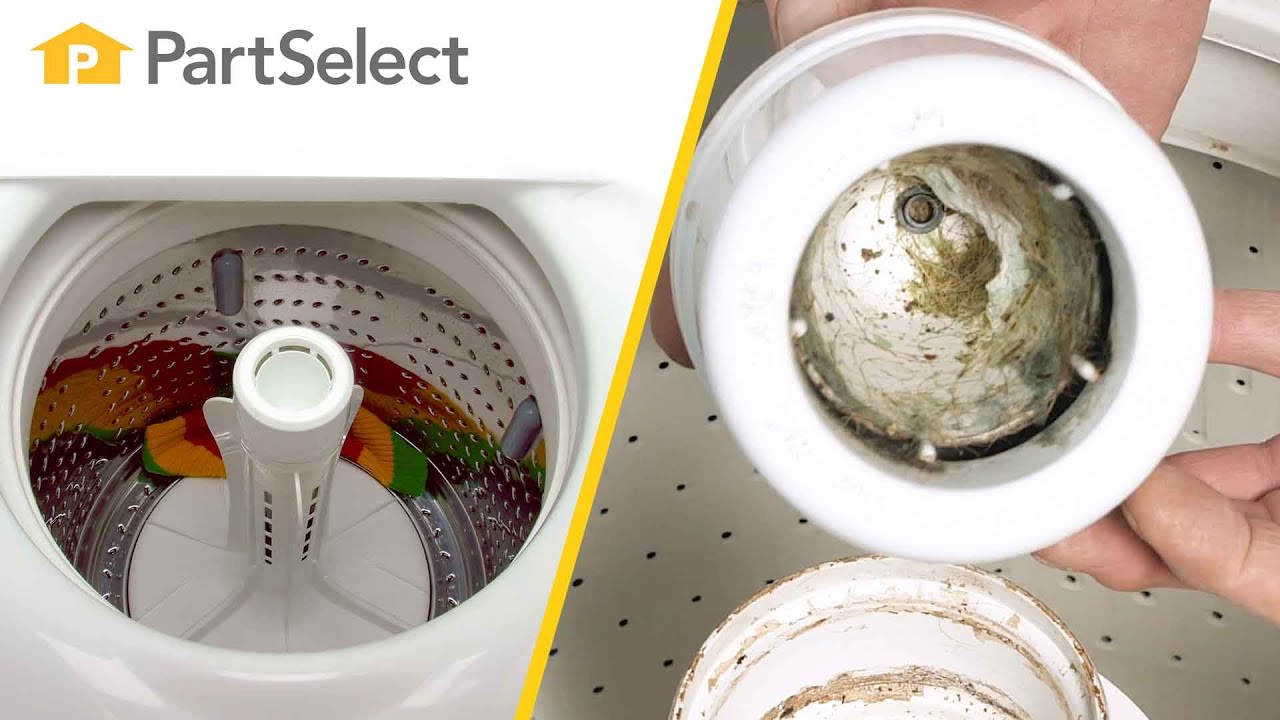
For tough spots, use a paste of baking soda and a little water. Apply paste and scrub with a soft brush. Rinse thoroughly to avoid residue.
This cleaner is cheap, eco-friendly, and works great in our tests. It beats harsh chemicals for most cleaning jobs.
| Cleaner | Effectiveness | Cost | Safety |
|---|---|---|---|
| Vinegar & Baking Soda | High | Low | Safe |
| Commercial Washing Machine Cleaner | High | Medium | Varies |
| Bleach | Medium | Low | Can damage parts |
We strongly advise against bleach for regular use. Stick to natural cleaners where possible.
Next, a quick checklist to keep your agitator clean.
Washing Machine Agitator Cleaning Checklist
- ✅ Turn off and unplug washer before cleaning
- ✅ Remove fabric softener dispenser
- ✅ Unscrew agitator bolt carefully
- ✅ Soak agitator in vinegar solution for 30 minutes
- ✅ Scrub all agitator parts with brush
- ✅ Rinse thoroughly with warm water
- ✅ Wipe washing machine drum and lid
- ✅ Run empty rinse cycle to flush debris
- ✅ Leave lid open to air dry
- ✅ Repeat every 1-3 months
Following these steps will keep your washing machine fresh and working well for years.
| Cleaning Task | Frequency |
|---|---|
| Agitator deep clean | Every 2-3 months |
| Washing machine drum wipe | Monthly |
| Softener dispenser cleaning | Monthly |
| Run cleaning cycle | Monthly |
Stay on this schedule to avoid buildup and odors.
We hope these tips help you keep your washer’s agitator clean and healthy. For more detailed guides, visit how to clean whirlpool washing machine. It has great advice for all washer owners.
Remember, a clean agitator means cleaner clothes and a happier home in 2026!
Frequently Asked Questions
How often should I clean my washing machine agitator?
Cleaning your washing machine agitator every 1 to 3 months helps prevent mold, mildew, and detergent build-up.
What is the best cleaner for washing machine agitators?
A mix of white vinegar and baking soda is a safe, homemade cleaning solution that effectively removes odor and residue.
Can I remove the agitator to clean it?
Yes, many top load washers allow agitator removal by unscrewing a bolt under the fabric softener dispenser. Always check your manual.
How do I remove mold from the agitator?
Use a vinegar soak and scrub with a brush to kill mold and mildew. Repeat rinses after cleaning to avoid residue.
Is it safe to use bleach on the agitator?
Bleach can damage some washing machine parts. Vinegar and baking soda are safer for regular cleaning.

Michael Peterson is a home appliance writer focused on practical washing machine care, maintenance, and troubleshooting. He shares simple, reliable tips to help readers keep their washing machines running efficiently, avoid common problems, and extend appliance life.