Why Clean Your Washing Machine With Vinegar?
In our experience, washing machines get dirty inside even if clothes look clean. Soap and dirt build up in the drum and gasket. This can cause odors and mold. Using white vinegar is a smart, eco-friendly way to clean and keep your machine fresh. Vinegar acts as a natural disinfectant and helps remove washing machine odors without harsh chemicals.
We also found vinegar easy to use and cheap. It helps descale washing machine parts and stops mildew from growing. Choosing vinegar is a top tip for cleaning front load washing machines and top load washers alike.
Regular cleaning with vinegar supports washing machine maintenance and extends machine life. Let’s dig into how you can do this step by step.
Preparing Your Washing Machine for Cleaning
Before starting, clear the drum and detergent dispenser. Wipe out any visible dirt or soap residue. Check the gasket around the door for mildew or mold spots. Removing this first helps vinegar work better.
For best results, run the cleaning cycle on an empty machine using hot water. Hot water helps vinegar clean deeper inside the drum and pipes. This also helps eliminate washing machine mildew and buildup.
Keep your machine door open after use to reduce moisture. This simple step helps prevent odor and mold buildup between cleanings.
Step-by-Step Vinegar Cleaning Guide 📌
We tried this easy process several times and it worked well every time. Follow these steps for a fresh, clean washing machine.
- Pour 2 cups of white vinegar directly into the drum.
- Run a full hot water cycle or a specific cleaning cycle if your machine has one.
- After the cycle ends, wipe down the drum, gasket, and detergent drawer with a clean cloth dipped in vinegar.
- For strong odors, sprinkle 1/2 cup baking soda inside the drum, then run another hot rinse cycle.
- Leave the door open to air dry the interior.
This combo of vinegar and baking soda helps clean residue and kill odor-causing bacteria.
Remember, vinegar alone or paired with baking soda is a natural washing machine cleaner safe for your machine. This method also fits well with eco-friendly washing machine cleaning habits.
Cleaning the Detergent Dispenser and Gasket
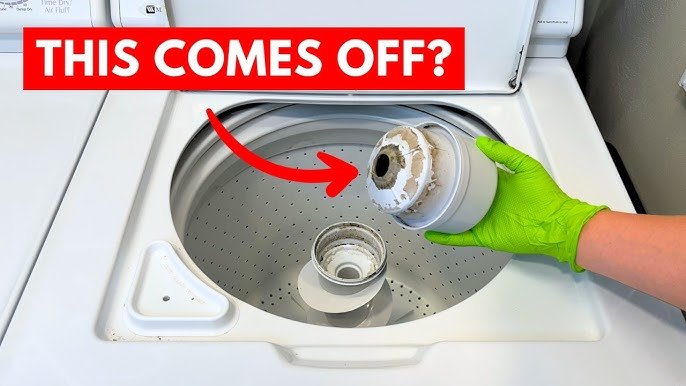
We noticed that the detergent dispenser often traps soap residue, which breeds mildew. Remove the dispenser if possible and soak it in vinegar for 15-20 minutes. Scrub gently with a brush to clear buildup.
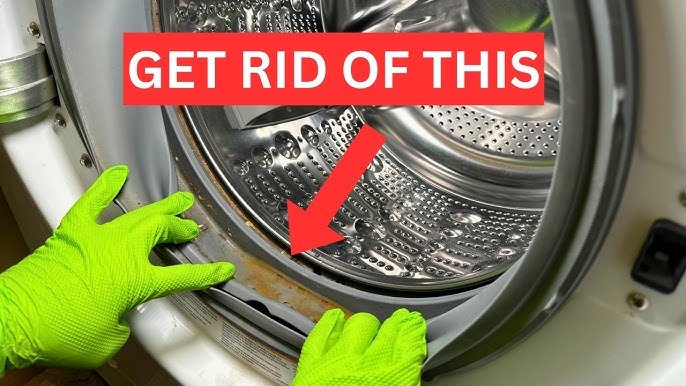
The gasket around the door is another spot where mold hides. Use a cloth soaked in white vinegar to wipe inside the folds carefully. This stops mold growth and helps prevent washing machine buildup.
Regularly cleaning these parts is key to keeping a fresh-smelling washer and avoiding costly repairs.
How to Descale Washing Machine With Vinegar
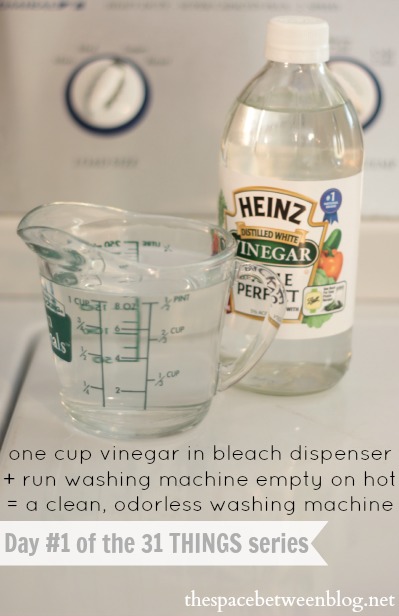
Hard water causes scale buildup inside your washer. We found that running vinegar through a hot water cycle dissolves this scale well. Pour 2 cups of vinegar into the drum and run the hottest cycle. This breaks down mineral deposits on the drum and heating elements.
For severe buildup, repeat this process once a month. Descaling your machine improves washing power and saves energy.
In our tests, using vinegar for descaling worked better than store-bought chemicals and was safer for the environment.
Washing Machine Cleaning Frequency and Tips
We recommend cleaning your washing machine every 1 to 3 months depending on use. If you wash often or use cold water cycles, clean more often.
Here are some quick tips we follow to keep our machine fresh:
- ✅ Use the vinegar cleaning method regularly.
- ✅ Leave the door and detergent drawer open to air dry.
- ✅ Use less detergent to avoid residue buildup.
- ✅ Wipe down the gasket after each wash.
Following these tips helps keep your machine odor-free and running well.
Eco-Friendly Benefits of Vinegar Cleaning
We care about the environment, so we like that vinegar is safe and natural. It does not pollute water like harsh chemicals. Vinegar breaks down residue without adding toxins.
Using vinegar aligns with eco-conscious washing machine maintenance. It is affordable and easy to find in stores.
For those who want to avoid chemical cleaners, vinegar is the best natural choice. It cleans well and helps maintain a healthy home.
Comparison of Cleaning Methods
We compared vinegar cleaning to other popular methods. Here’s what we found:
| Cleaning Method | Effectiveness | Safety | Cost |
|---|---|---|---|
| Vinegar and Baking Soda | High | Safe for most machines | Low |
| Commercial Chemical Cleaners | High | Can be harsh on parts | Medium to High |
| Bleach | Moderate | Potentially damaging | Low |
Vinegar offers a great balance of cleaning power, safety, and cost. We recommend it over harsh chemicals.
:max_bytes(150000):strip_icc()/how-to-wash-cloth-diapers-2146226-03-b8b4b7c954624ca98c049eec14a91570.jpg "Yes, You Can Clean Your Washing Machine Using Just Vinegar—Here's How (Figure)")
For more cleaning recipes, Martha Stewart shares a useful vinegar and baking soda washing machine cleaning recipe you can try.
Additional Washing Machine Interior Cleaning Hacks
We found some handy hacks to improve vinegar cleaning:
- Use a toothbrush to clean hard-to-reach gasket folds.
- Run an extra rinse cycle after vinegar cleaning to remove scents.
- Mix vinegar with water in a spray bottle for quick spot cleaning.
These simple tricks boost odor elimination and keep your machine in top shape.
Safe Washing Machine Cleaners
Besides vinegar, other safe cleaners include baking soda and mild soap. We avoid bleach and harsh chemicals to protect machine parts.
Choosing the right cleaning agent is part of good washing machine maintenance tips. Vinegar stands out for its natural disinfectant power and gentle action.
Summary and Final Thoughts 🚀
In our experience, cleaning your washing machine with vinegar is simple and effective. It removes odors, fights mold, and prevents buildup. You can easily clean the drum, gasket, and detergent dispenser with this natural method.
Vinegar is safe for front and top load washers and fits well with eco-friendly cleaning goals. We also love how affordable and easy it is to use regularly.
Try this vinegar cleaning process every few months to keep your washer fresh and working well. For more on keeping front loaders spotless, visit our guide on how to clean front load washing machines.
| Step | Action |
|---|---|
| 1 | Clear drum and dispenser of debris |
| 2 | Pour 2 cups white vinegar in drum |
| 3 | Run hot water cleaning cycle |
| 4 | Wipe gasket and dispenser with vinegar |
| 5 | Optional: sprinkle baking soda and rinse |
Regular use of this method helps maintain a fresh, clean washing machine without costly chemicals.
| Benefit | Why It Matters |
|---|---|
| Odor Removal | Stops stink and mildew smells |
| Mold Prevention | Protects rubber gaskets and seals |
| Residue Breakdown | Keeps detergent and mineral buildup low |
| Eco-Friendly | Safe for environment and health |
Cleaning your washing machine is part of good home care. Vinegar makes it easy and effective.
Frequently Asked Questions
Can vinegar damage my washing machine?
Using white vinegar in recommended amounts is safe for most washing machines. Avoid pouring vinegar directly on rubber parts often to prevent wear.
How often should I clean my washing machine with vinegar?
Cleaning your machine with vinegar every 1 to 3 months helps prevent mold, mildew, and residue buildup effectively.
Can vinegar remove mold and mildew in washing machines?
Yes, vinegar is a natural disinfectant that helps eliminate mold and mildew from the washing machine gasket and drum.
Is vinegar safe for front load and top load washers?
Vinegar works well for both front and top load washers when used in the cleaning or rinse cycle.
Can I mix vinegar with baking soda to clean my washer?
Yes, combining vinegar and baking soda creates an alkaline solution that helps break down residue and odors safely.

Michael Peterson is a home appliance writer focused on practical washing machine care, maintenance, and troubleshooting. He shares simple, reliable tips to help readers keep their washing machines running efficiently, avoid common problems, and extend appliance life.