Understanding Bleach Use for Washing Machine Cleaning
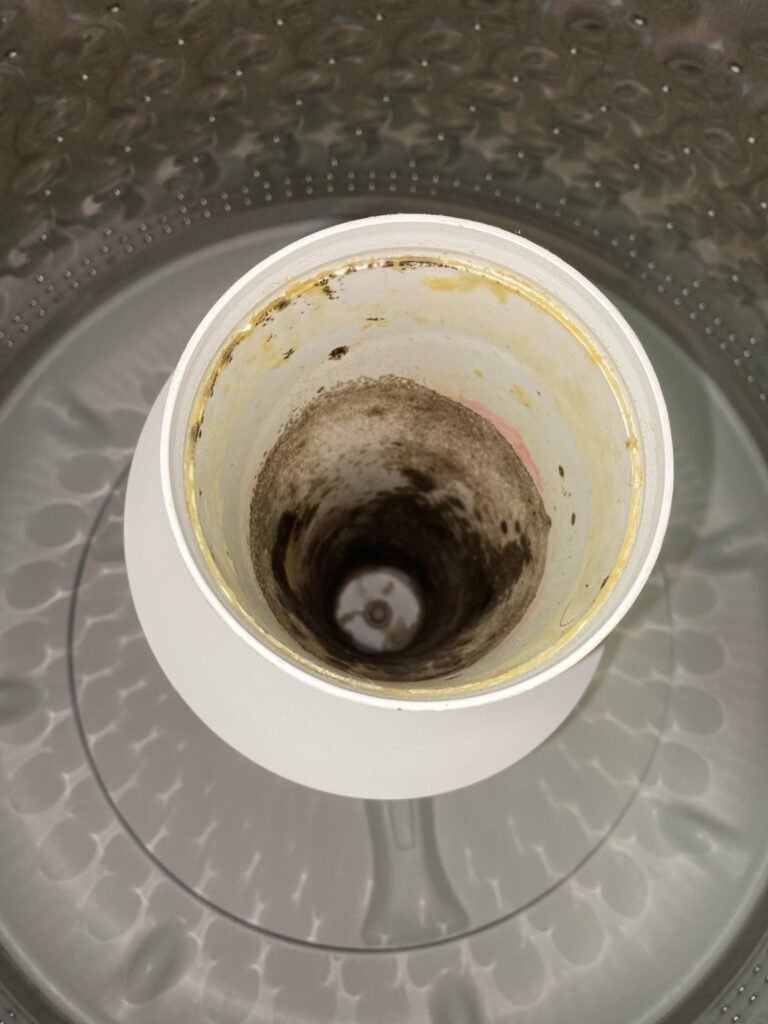
In our experience, bleach is a strong and effective disinfectant for washing machines. It helps get rid of mold, mildew, and bad odors that build up over time. Using bleach in your washer’s cleaning cycle is a great way to keep it fresh and safe.
We always check the manufacturer’s instructions before using bleach, especially for front load washers. Some models require special care to avoid damage. If you want to learn more about proper care, consider reading our guide on how to clean front load washing machine.
When using bleach, it’s important to use the right amount and rinse well. This helps remove soap scum, mildew, and detergent residue that cause odors.
Is Bleach Safe for Washing Machines?
Many people worry if bleach will harm their washing machines. We have found that bleach is safe when used correctly. It does not damage the washing machine drum or the gasket if you follow safety steps.
For front load washers, applying bleach directly on rubber gaskets can cause wear. We recommend diluting bleach with water and running a bleach washing machine cleaning cycle instead. Top load washers often have simpler cleaning steps but still need a careful rinse cycle.
Remember, bleach is a strong chemical, so always wear gloves and keep the area well-ventilated. Avoid mixing bleach with other chemicals like vinegar, which can create harmful fumes.
Step-by-Step Guide: How To Disinfect Washing Machine With Bleach
We follow these steps to clean and disinfect our washing machine using bleach safely and well:
- Empty the washer drum completely.
- Add one cup of bleach directly into the detergent dispenser or drum.
- Set the machine to the hottest water and longest cleaning cycle.
- Start the cycle and let it run fully.
- After the cycle, run an extra rinse cycle to clear any bleach residue.
This method effectively removes mold and soap scum. If your washer smells bad, this also helps with washing machine odor elimination.
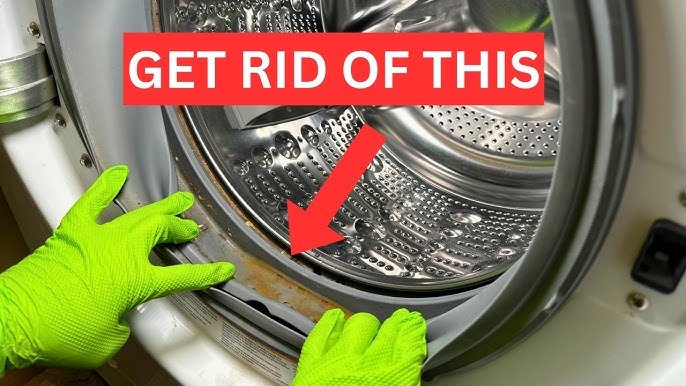
For washers with visible mold, especially on the gasket, spot clean with a diluted bleach solution. Use a cloth or soft brush, then rinse well.
Washing Machine Cleaning Frequency and Maintenance Tips
We recommend cleaning your washing machine with bleach at least once a month. This keeps mold and mildew from coming back and stops odors early. Some households might need cleaning every two weeks if they do many loads or use cold water mostly.
Besides bleach cleaning, here are some tips we follow:
- ✅ Leave the door or lid open after each wash to air dry.
- ✅ Wipe the gasket and detergent drawer regularly.
- ✅ Use the right amount of detergent to avoid build-up.
Good maintenance keeps your washer working well and smelling fresh. If you want to deep clean other parts, see our tips on how to clean washing machine with mold.
Bleach vs Vinegar: Which Is Better for Washing Machine Cleaning?
We have tested bleach and vinegar for cleaning washers. Both work but in different ways. Bleach kills germs and removes mold faster. Vinegar helps break down soap scum and mineral deposits but is less powerful against mold.
Here’s a quick comparison to help you choose:
| Feature | Bleach | Vinegar |
|---|---|---|
| Disinfects | Strong | Light |
| Removes Mold | Effective | Moderate |
| Removes Soap Scum | Good | Good |
| Safe for Rubber Parts | Use Carefully | Safe |
| Odor Control | Strong | Light |
For tough mold and odors, bleach is the better choice. If you prefer a natural cleaner, vinegar works but may need more frequent use. Never mix bleach and vinegar as it creates harmful gas.
Cleaning Washing Machine Gasket and Drum With Bleach
The gasket is a common place for mold and mildew. We clean it by mixing one part bleach with four parts water. Using a cloth or soft brush, we wipe the gasket carefully. Let it sit for 5 minutes, then wipe again and rinse thoroughly.
The drum also needs cleaning to remove detergent residue and mildew. Running a bleach washing machine cleaning cycle with hot water works well. This kills bacteria and removes soap scum inside the drum.
For more on keeping these parts spotless, check out our detailed advice on how to clean mold from washing machine.
:max_bytes(150000):strip_icc()/better-laundry-results-with-chlorine-bleach-2145786-v7-HL-FINAL-e11ceebba0164d7bb42dc7339233c0bc.jpg "6 Chlorine Bleach Tips for Better Laundry Results (Figure)")
Bleach Dosage and Safety Precautions for Washing Machine Cleaning
Using the right bleach dosage is key. We use about one cup (250 ml) per cleaning cycle. This amount cleans well without hurting the machine or leaving strong bleach smells.
Safety is very important. We always:
- Wear gloves when handling bleach.
- Keep the room ventilated.
- Run a full rinse cycle after bleaching.
- Never mix bleach with other cleaners.
Following these steps helps avoid health hazards and keeps your washer safe.
Overview of Washing Machine Chemical Cleaning Methods
Besides bleach, there are other chemical methods for cleaning washers. Some use enzyme cleaners, oxygen-based bleach, or commercial washing machine cleaners. Each has pros and cons.
We find bleach best for deep sanitation and mold removal. For lighter cleaning, vinegar or specialized cleaners work well. Always follow product instructions and check your washer’s manual.
For example, Clorox offers great tips on washing machine cleaning with bleach. It’s a trusted source to learn safe and effective ways to sanitize your washer.
Additional Washing Machine Odor Elimination Tips
If your washer still smells after cleaning, try these extra tips we use:
- Clean the detergent drawer and filter often.
- Use baking soda with bleach occasionally.
- Run a hot water cycle empty to flush residue.
These steps help keep your machine fresh and stop odors from coming back quickly.
Summary and Final Thoughts
Using bleach to clean your washing machine is a powerful way to remove mold, mildew, soap scum, and odors. We have found that monthly cleaning with the right bleach dosage keeps the machine fresh and safe.
Always follow safety tips and manufacturer instructions. For front load washers, be gentle on the gasket, and rinse well. Combine bleach cleaning with good maintenance habits to extend your washer’s life and keep laundry smelling great.
For more help, read our full guide on how to clean washing machine with vinegar and baking soda for natural options that complement bleach cleaning.
| Cleaning Step | Action | Frequency |
|---|---|---|
| Bleach Cleaning Cycle | Run with one cup bleach and hot water | Monthly |
| Gasket Cleaning | Wipe with diluted bleach solution | Weekly or as needed |
| Rinse Cycle | Run after bleach cleaning | Every time after bleach use |
Keeping your washing machine clean with bleach is simple and effective. With these tips, your washer stays in top shape and your clothes come out fresh every time.
| Common Problem | Bleach Solution | Additional Tip |
|---|---|---|
| Mold on Gasket | Spot clean with bleach mix | Keep door open to dry |
| Bad Odor | Run bleach cleaning cycle | Clean detergent drawer |
| Soap Scum Build-up | Bleach cycle with hot water | Use less detergent |
We hope these detailed tips help you use bleach safely and well for washing machine cleaning. Remember, regular care saves big repair costs later and keeps your laundry healthy.
⚖️ Pros & Cons of Using Bleach in Washing Machines
- Pros: Kills mold, removes odors, disinfects well.
- Cons: Can harm rubber parts if used incorrectly; strong smell.
⭐ Expert Insight
Cleaning your washing machine regularly with bleach keeps it smelling fresh and working well. Just be sure to rinse well and follow safety steps to protect your machine and your health.
🚀 Beginner Tip
Start with a small bleach dose and see how your washer reacts. Increase cleaning frequency if you notice mold or odors coming back fast.
Frequently Asked Questions
Is bleach safe for all types of washing machines?
Bleach is safe for most washing machines when used according to manufacturer instructions. Avoid direct contact with rubber parts in some models.
How often should I clean my washing machine with bleach?
Cleaning your washing machine with bleach once a month helps remove mold, mildew, and odors effectively.
Can bleach damage my washing machine drum?
When diluted properly and used in a cleaning cycle, bleach does not harm the washing machine drum.
What is the right bleach dosage for cleaning washers?
Use about one cup (250 ml) of bleach per cleaning cycle to ensure proper sanitation without risks.
How do I remove mildew from the washing machine gasket?
Apply a bleach solution carefully to the gasket, let it sit for a few minutes, then wipe and rinse thoroughly.

Michael Peterson is a home appliance writer focused on practical washing machine care, maintenance, and troubleshooting. He shares simple, reliable tips to help readers keep their washing machines running efficiently, avoid common problems, and extend appliance life.