Introduction to Washing Dress Shirts
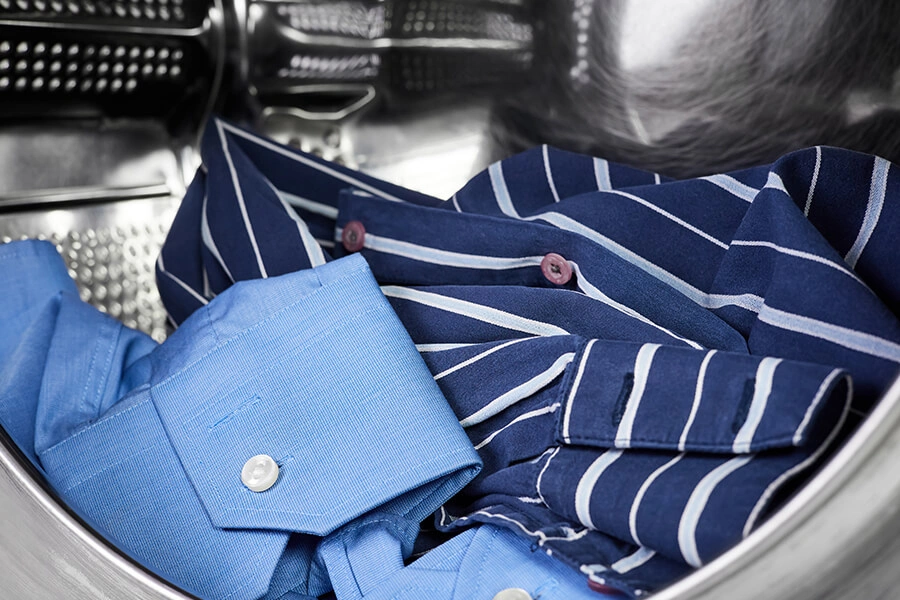
Dress shirts require careful handling when machine washed. Wrong settings can cause shrinking or damage. Knowing the right steps and using the correct wash settings are key. This guide covers essential tips for washing dress shirts effectively in a washing machine.
Understanding the best washing machine practices for delicate fabrics helps keep your shirts looking sharp and lasting longer.
Machine wash tips start with sorting shirts by color and fabric type. This prevents colors from bleeding and protects delicate materials.
Preparing Dress Shirts for Machine Wash
First, read the shirt care labels carefully. They often give specific fabric care instructions. Materials like cotton, linen, or polyester blends are usually machine washable. Silk or delicate fabrics may need a delicate wash cycle or hand washing.
Sort shirts to wash whites and colors separately. This prevents color transfer. Check for visible stains and pre-treat them. Using a stain remover or a small amount of laundry detergent for shirts on collar and cuffs is effective.
Pre-treating stains ensures better cleaning results. Gently rub the stain remover into fabric and let it sit for 10-15 minutes before washing. Avoid harsh scrubbing to prevent fabric damage.
Choosing Washing Machine Settings
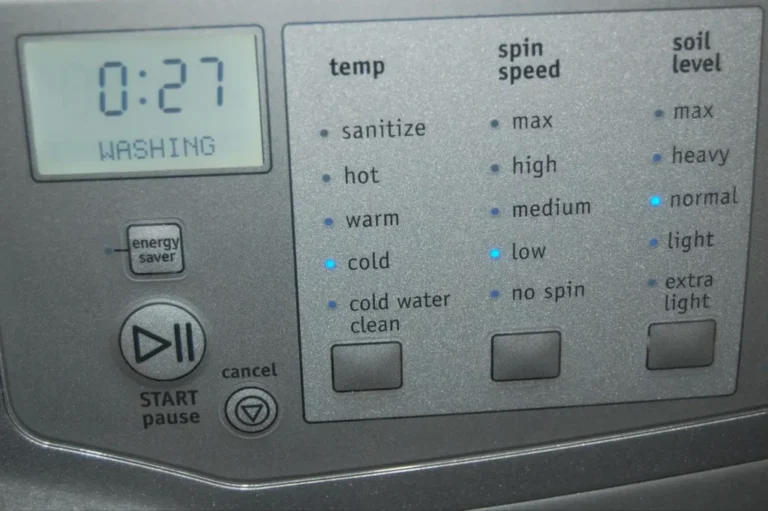
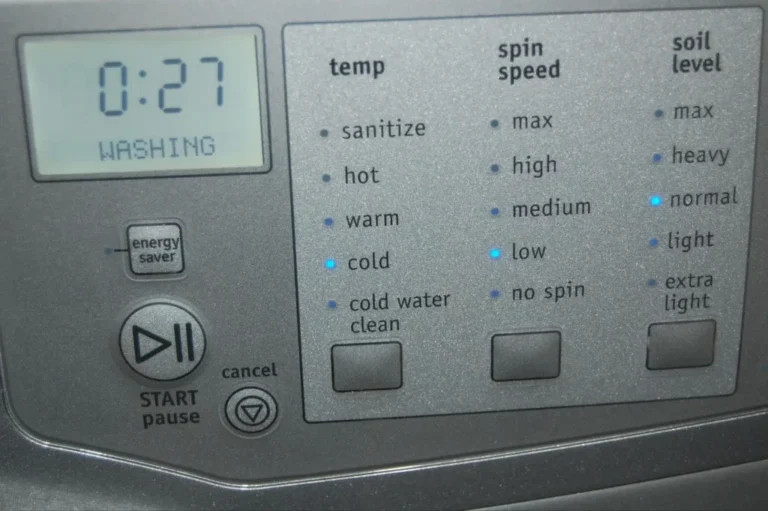
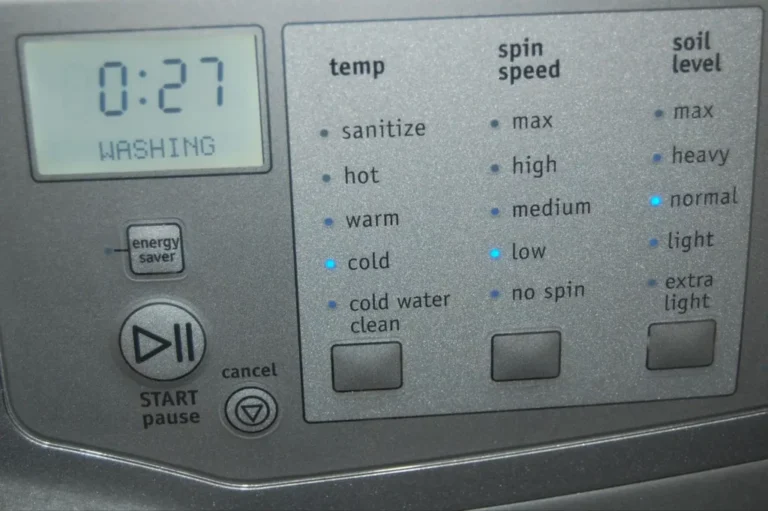
Use cold water washing to protect fabric colorfastness and prevent shrinking. Set the washing machine to a delicate wash cycle or a gentle setting. This reduces wear on the dress shirt materials and keeps collars and cuffs intact.
Spin speed should be low to moderate. High spin speeds can cause wrinkles and stress fabric fibers. A slow spin also helps prevent the shirt from twisting inside the drum.
Adding the right amount of laundry detergent for shirts is vital. Use a mild detergent designed for delicate or machine washable fabrics. Avoid bleach unless the label specifically allows it.
Fabric softener for shirts helps keep the fabric soft and reduces static. Add it according to your machine’s dispenser instructions or manually during the rinse cycle.
Step-by-Step Washing Process
Follow these steps to machine wash dress shirts safely and efficiently.
- Sort shirts by color and fabric type.
- Pre-treat stains on collars, cuffs, and other spots.
- Load shirts loosely into the washing machine to avoid overcrowding.
- Select cold water and delicate wash cycle.
- Add mild laundry detergent for shirts and fabric softener if desired.
- Set spin speed to low or medium.
- Start the wash and monitor the cycle.
After washing, promptly remove shirts to avoid wrinkles setting in.

For a deeper understanding of this mechanic, analyzing resources on dress shirt laundry care guide by Tide Cleaners provides excellent foundational context.
Best Drying Techniques for Dress Shirts
Drying dress shirts correctly is as important as washing. Machine drying shirts on high heat can cause shrinking and damage fabric fibers. Use the lowest heat setting if using a dryer.
Air drying on a drying rack is the safest method. Hang shirts on hangers to maintain shape and reduce wrinkles. Ensure collars and cuffs are smoothed out before drying.
Remove shirts from the dryer or drying rack promptly once dry. This prevents creases from forming and makes ironing easier.
Ironing Guide for Dress Shirts
Ironing helps maintain the crisp look of dress shirts. Use the iron’s setting based on the fabric tag instructions. Cotton shirts usually need a higher heat, while polyester blends require a lower temperature.
Start ironing collars and cuffs first, then move to sleeves and body. Iron shirts while slightly damp or use steam to help smooth wrinkles quickly.
Always iron on the reverse side or use a pressing cloth to avoid shiny marks on the fabric.
Common Issues and How to Avoid Them
Shrinking is a common problem when washing dress shirts. Cold water washing and low heat drying help prevent this. Avoid bleach and harsh detergents that weaken fabric fibers.
Stain removal can be tricky on collars and cuffs. Pre-treating stains and using a gentle brush helps. For tough stains, repeat treatment before washing.
Lint buildup can affect shirt appearance. Regularly clean the washing machine lint filter and avoid washing lint-producing fabrics with dress shirts.
Fabric Care and Washing Settings
Understanding fabric types and proper wash settings ensures you choose the right cycle and temperature for your shirts.
| Fabric Type | Recommended Water Temp | Wash Cycle | Drying Method |
|---|---|---|---|
| Cotton | Cold or Warm | Delicate or Normal | Air Dry or Low Heat Dryer |
| Polyester Blend | Cold | Delicate | Air Dry |
| Linen | Cold | Delicate | Air Dry |
| Silk | Cold | Delicate or Hand Wash | Air Dry |
Following these guidelines will keep dress shirts looking fresh and new for longer.
Remember, always check the fabric care instructions on your shirt’s tag before washing or drying.
Tips for Removing Common Shirt Stains
Collar and shirt stains often come from sweat, oils, and dirt. Pre-treat with a stain remover or a paste made from detergent and water. Gently rub the stain and let it sit before washing.
For ink or tough stains, use a specialized stain remover designed for delicate fabrics. Avoid harsh chemicals that may weaken fibers.
Wash shirts soon after staining to prevent setting. For persistent stains, repeat pre-treatment and washing.
Machine Drying vs. Air Drying for Dress Shirts
Machine drying shirts is faster but risks shrinking and damage. Use the delicate or low heat setting and remove shirts promptly.
Air drying is gentler and best for preserving shirt shape. Use a drying rack or hang shirts on hangers in a well-ventilated area.
For shirts prone to wrinkles, air drying with careful reshaping before drying reduces ironing time.
Preventing Shrinking and Wrinkles
Cold water washing is the first step to shrink prevention. Avoid tumble drying on high heat. Instead, opt for air drying or low heat.

Use fabric softener for shirts to help reduce wrinkles and keep fabric soft. Iron shirts when slightly damp for best results.
Proper laundry sorting shirts by fabric type and color also preserves the fabric integrity and appearance.
Conclusion
Machine washing dress shirts is easy when done with care. Follow fabric care instructions and use the right wash settings. Pre-treat stains gently and sort shirts properly before washing.
Choosing cold water, delicate cycles, and low spin speeds protects fabric and maintains shirt quality. Air drying is preferred, but low heat drying is possible if done carefully.
Ironing with the correct temperature completes the process for a crisp, professional look. These steps extend your shirts’ life and keep them looking fresh.
For further tips on washing delicate fabrics, the detailed information on how do you wash hat washing machine shares useful insights on laundry care that apply to dress shirts too.
| Step | Action | Reason |
|---|---|---|
| 1 | Sort shirts by color and fabric | Prevents color bleeding and fabric damage |
| 2 | Pre-treat stains | Improves stain removal and cleaning |
| 3 | Choose cold water and delicate cycle | Protects fabric from shrinking and fading |
| 4 | Use mild detergent and fabric softener | Keeps fabric soft and clean |
| 5 | Dry on rack or low heat | Avoids shrinking and wrinkles |
| 6 | Iron at correct temperature | Restores crisp shape without damage |
Following these six simple steps ensures your dress shirts stay sharp and last through many wears and washes. Proper care is key for maintaining your professional wardrobe.
Remember, every shirt is different. Always check the fabric tag for specific instructions and adjust wash settings accordingly. This approach offers the best balance of cleaning power and fabric care.
Fabric Softener and Detergent Advice
Use detergents specially made for delicate fabrics or dress shirts. These detergents clean well without harsh chemicals that can wear down fibers.
Fabric softener for shirts adds softness and reduces static cling. Use it as per the washing machine’s instructions or add it manually during rinse cycles.
Overusing detergent or fabric softener can leave residue, so use recommended amounts. This helps avoid buildup and keeps shirts fresh.
| Product Type | Purpose | Usage Tips |
|---|---|---|
| Mild Detergent | Clean shirt fabric gently | Use recommended dose; avoid bleach |
| Stain Remover | Pre-treat tough stains | Apply before washing; test on small area |
| Fabric Softener | Soften fabric, reduce wrinkles | Add during rinse; don’t overuse |
Frequently Asked Questions
Can I machine wash all dress shirts?
Most dress shirts made from cotton, polyester, or blends can be machine washed. Always check the fabric care instructions and shirt care labels before washing.
What water temperature is best for washing dress shirts?
Cold water washing is recommended to prevent shrinking and color fading. It is gentle on the fabric and helps maintain the shirt’s shape.
How do I remove stains from dress shirts before washing?
Pre-treat stains using a stain remover or mild detergent. Apply it gently on collars, cuffs, or spots and let it sit for a few minutes before machine washing.
Is it okay to use fabric softener for dress shirts?
Yes, fabric softener can keep shirts soft and reduce wrinkles. Use it sparingly according to fabric care instructions to avoid buildup.
How should I dry dress shirts after washing?
Air drying on a drying rack is best to avoid shrinking. If machine drying, use a low heat setting and remove shirts promptly to reduce wrinkles.

Keith Boyd Is A Seasoned Appliance Care Expert With Over A Decade Of Experience In Home Appliance Maintenance. His Authoritative Insights On Washing Machine Care And Upkeep Are Trusted By Homeowners Nationwide. With A Passion For Educating Others, Keith Shares Valuable Tips That Ensure Your Appliances Run Smoothly For Years To Come.