What Soil Level Means on a Washing Machine
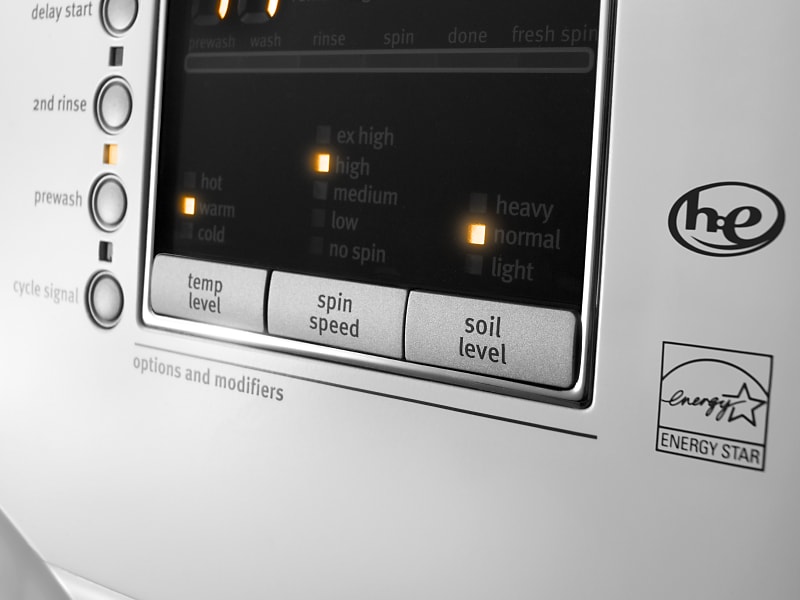
Soil level on a washing machine tells you how dirty your clothes are. This setting helps the machine decide how long the wash should run and how much water to use. Clothes with a lot of dirt or stains need a higher soil level setting. This setting means a stronger wash cycle to clean better.
Adjusting the soil level washing machine feature can save water and energy. If your clothes are only lightly dirty, you do not need a long wash. Using the correct soil level setting improves washing performance and avoids wasting detergent and water. For a deeper understanding of this mechanic, analyzing resources on what is the soil level in a washing machine provides excellent foundational context.
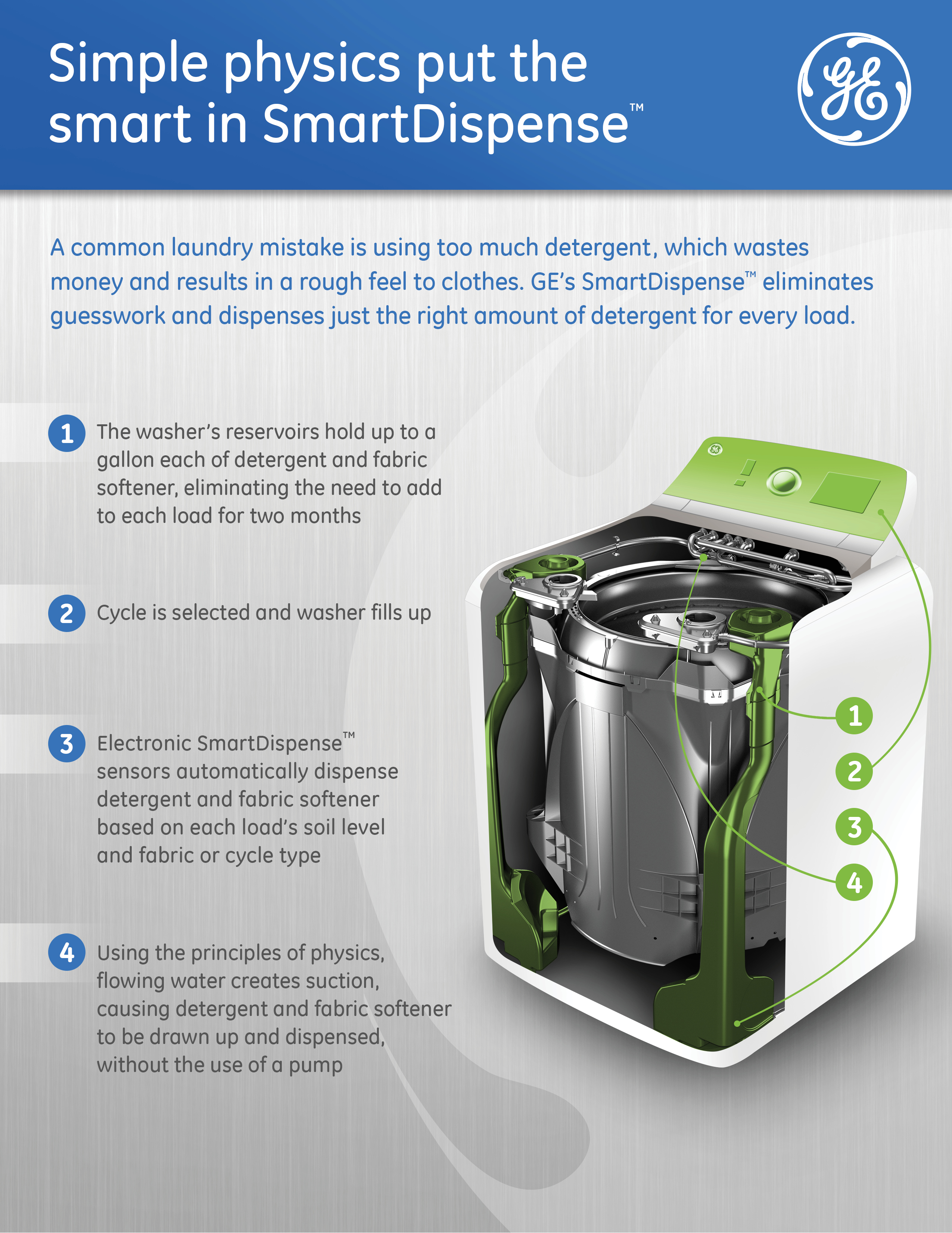
Many washing machines include a soil sensor washing machine technology. It detects the dirt in the wash water to adjust the cycle automatically. This feature is also called washing machine dirt detection or automatic soil detection washing machines. It allows for better fabric care and energy efficiency.
Manual vs Automatic Soil Level Settings
You can either set the soil level manually or let the machine detect it automatically. Manual soil setting is useful when you know how dirty your laundry load is. You might choose light soil for everyday clothes or heavy soil for sportswear or work clothes.
Automatic soil detection washing machines use sensors to check how dirty the water is. They adjust wash cycle duration, rinse cycles, and detergent dosage based on this. This smart system helps with stain removal and saves water consumption. It is especially helpful when washing mixed soil levels in one load.
Using the right soil level also means better washing machine energy efficiency. Shorter cycles for light soil use less power. Longer cycles for heavy soil ensure your clothes come out clean without rewashing.
How Soil Level Affects Washing Cycles
The soil level affects many parts of a washing machine cycle. At higher soil levels, the machine uses longer wash agitation and more rinse cycles. It may also increase water usage and detergent amount. This ensures tough stains are removed.
Washing machine cycle options often include soil level choices like light, medium, or heavy. Some machines have a pre-wash cycle for very soiled laundry. This cycle loosens dirt before the main wash. Knowing your laundry soil classification helps you pick the best settings.
Wash cycle duration changes with soil level. Heavy soil means longer wash times. Light soil means shorter cycles to save time and energy. This balance improves overall washing performance.
Practical Soil Level Guide for Laundry
Choosing the right soil level is key. Here is a simple guide:
- ✅ Light Soil: Clothes worn once, little dirt or stains.
- ✅ Normal Soil: Everyday wear with average dirt.
- ✅ Heavy Soil: Work clothes, sports gear, or visibly stained items.
Adjust soil level washing machine settings based on this guide. This helps you avoid wasting detergent and water. It also protects fabrics by not over-washing them.
For very soiled laundry washing tips, adding a pre-wash cycle is useful. It removes dirt before the main wash. This step improves stain removal without longer main cycles.
Soil Level Effects on Energy and Water Usage
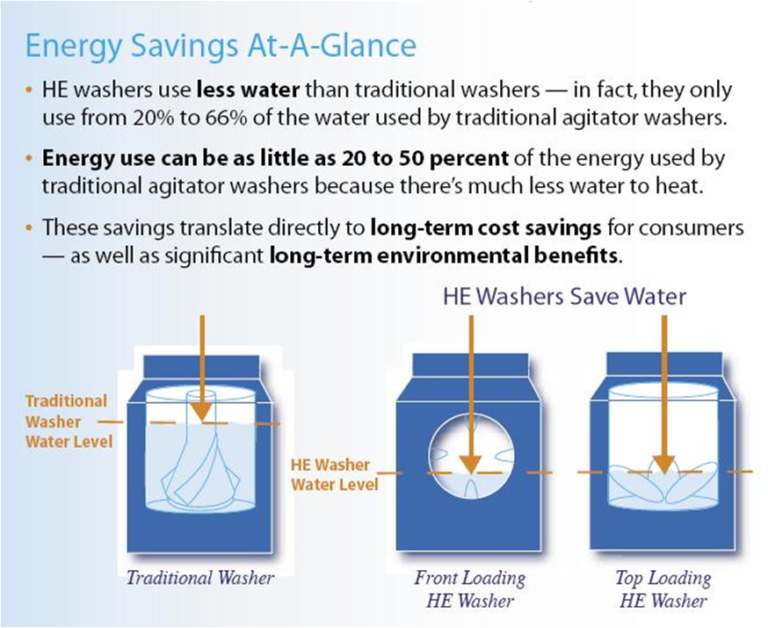
Higher soil levels increase water consumption. More water is needed to rinse out dirt and detergent. This also raises energy use because of longer wash cycle duration and heating water.
Modern machines with soil sensors adjust water and energy use smartly. They balance cleaning power with efficiency. This results in lower bills and less environmental impact.
Choosing the best soil level washing machine settings helps save resources. It also keeps your clothes cleaner and fresher with less detergent waste.
Soil Level Settings and Their Effects
| Soil Level | Cycle Duration | Water Usage | Detergent Amount | Best For |
|---|---|---|---|---|
| Light | Short | Low | Small | Delicates, lightly worn clothes |
| Normal | Medium | Moderate | Standard | Everyday wear |
| Heavy | Long | High | More | Work clothes, stains |
Setting the right soil level keeps washing cycles efficient and effective. It also protects your washing machine from overuse. This simple step improves fabric care and washing results.
Knowing how soil level affects wash helps you choose settings wisely. It also guides detergent dosage and cycle selection for best outcomes.
Soil Level and Fabric Care
Soil level settings also affect fabric care. Heavy soil cycles use more agitation, which can wear out fabrics faster. Light soil cycles are gentler and extend fabric life.
Choosing the correct soil level helps protect delicate fabrics. It also ensures tough stains get a strong clean. This balance is important for keeping clothes looking new.
Washing machine cleaning cycles can also help maintain machine health. Regular cleaning removes build-up that affects soil sensor accuracy and washing performance.
Advanced Soil Sensor Technology
In 2026, soil sensor washing machines use smart tech to detect dirt better. They analyze water clarity and particle levels to adjust cycles perfectly. This tech improves stain removal while saving energy.
Some machines even learn from past cycles. They remember your laundry habits and adjust soil level detection over time. This leads to more personalized and efficient washing.
Automatic soil detection washing machines are becoming the best soil level washing machines for many users. They combine ease of use with strong cleaning power and energy savings.
Soil Sensor vs Manual Soil Settings
| Feature | Soil Sensor | Manual Setting |
|---|---|---|
| Ease of Use | Automatic | User selects |
| Energy Efficiency | Higher | Depends on user |
| Water Usage | Optimized | Fixed per setting |
| Cleaning Performance | Adaptive | Based on user |
| Fabric Care | Gentler cycles | Depends on user |
Choosing between manual and sensor soil level depends on preference. Those wanting control select manual. Those wanting convenience choose sensors.
Tips for Washing Soiled Laundry
For heavily soiled clothes, pre-treat stains before washing. Use stain removers or soak clothes. This helps the washing machine clean better without longer cycles.
Adjust soil level washing machine settings to match the dirtiness. Use heavy soil for tough stains. For mixed loads, use normal soil to balance care and cleaning.
Use the right detergent amount. Too much detergent can leave residue. Too little may not clean well, especially on heavy soil.
Remember to clean your washing machine regularly. This keeps sensors working well and prevents odors. For guidance, you can learn more about how to clean washing machine with vinegar.
Soiled Laundry Washing Tips
| Tip | Reason |
|---|---|
| Pre-treat stains | Improves stain removal |
| Choose correct soil level | Optimizes cycle length |
| Use proper detergent amount | Prevents residue or poor cleaning |
| Regular machine cleaning | Maintains sensor accuracy |
By following these tips, you protect your clothes and washing machine. You also save energy and water while keeping laundry clean.
Conclusion
Understanding soil level on a washing machine helps you get the best wash every time. It guides cycle length, water usage, detergent amount, and fabric care. Choosing the right soil setting saves energy and protects clothes.
Modern machines with soil sensors offer automatic adjustments for smart washing. Manual settings give users control for specific laundry needs. Both methods improve washing performance when used correctly.
Using soil level settings well makes your laundry routine easier and more efficient. It also helps your washing machine last longer and run better. For broader context on soil level meaning, exploring expert resources like the washing machine soil level guide is highly recommended.
Frequently Asked Questions
What does soil level mean on a washing machine?
Soil level refers to the amount of dirt or stains on your laundry. It helps the washing machine decide how long and strong the wash cycle should be to clean your clothes well.
How do washing machines detect soil level?
Many modern washing machines use soil sensors to detect how dirty the water becomes during a wash. This data helps adjust cycle duration and water usage automatically.
Can I manually adjust the soil level on my washing machine?
Yes. Most machines allow you to select soil level settings like light, normal, or heavy soil manually to match the dirtiness of your clothes.
Does soil level affect detergent and water usage?
Yes. Higher soil levels usually lead to longer cycles, more water, and increased detergent to remove stains effectively.
Are automatic soil detection washing machines more energy efficient?
Generally, yes. They optimize cycle length and water use based on actual dirt levels, which can save energy and reduce detergent waste.

Michael Peterson is a home appliance writer focused on practical washing machine care, maintenance, and troubleshooting. He shares simple, reliable tips to help readers keep their washing machines running efficiently, avoid common problems, and extend appliance life.