Introduction to Machine Washing Bras
Washing bras in the machine needs care to keep them lasting long. Bras have delicate fabrics and parts like underwires and hooks that can get damaged. Industry consensus shows that using the right machine settings and protective bags helps clean bras without harm.
For a deeper understanding of this mechanic, analyzing resources on best bra washing methods provides excellent foundational context.
Also, knowing how to wash other delicate items, like wool sweaters, can guide you in choosing the correct machine cycle. Check tips on how wash wool sweater machine for more insights.
Why Machine Wash Bras?
Machine washing bras saves time and effort compared to hand washing. Many modern washing machines have delicate cycles made for items like bras and lingerie. Using these cycles with care can clean bras well without causing damage.
However, machine washing bras requires precautions to avoid stretching or breaking elastic, lace, and underwires. Following bra washing instructions closely can prevent such damage.
Understanding Bra Fabric Types
Bras come in many fabric types, including lace, mesh, cotton, and synthetic blends. Each fabric reacts differently to washing. Lace and mesh are fragile and need gentle care, while cotton bras can handle a bit more washing strength.
Knowing your bra fabric helps pick the right detergent and wash cycle. Using a detergent labeled as the best detergent for bras will protect fabric fibers and colors.
Preparing Bras for Machine Wash
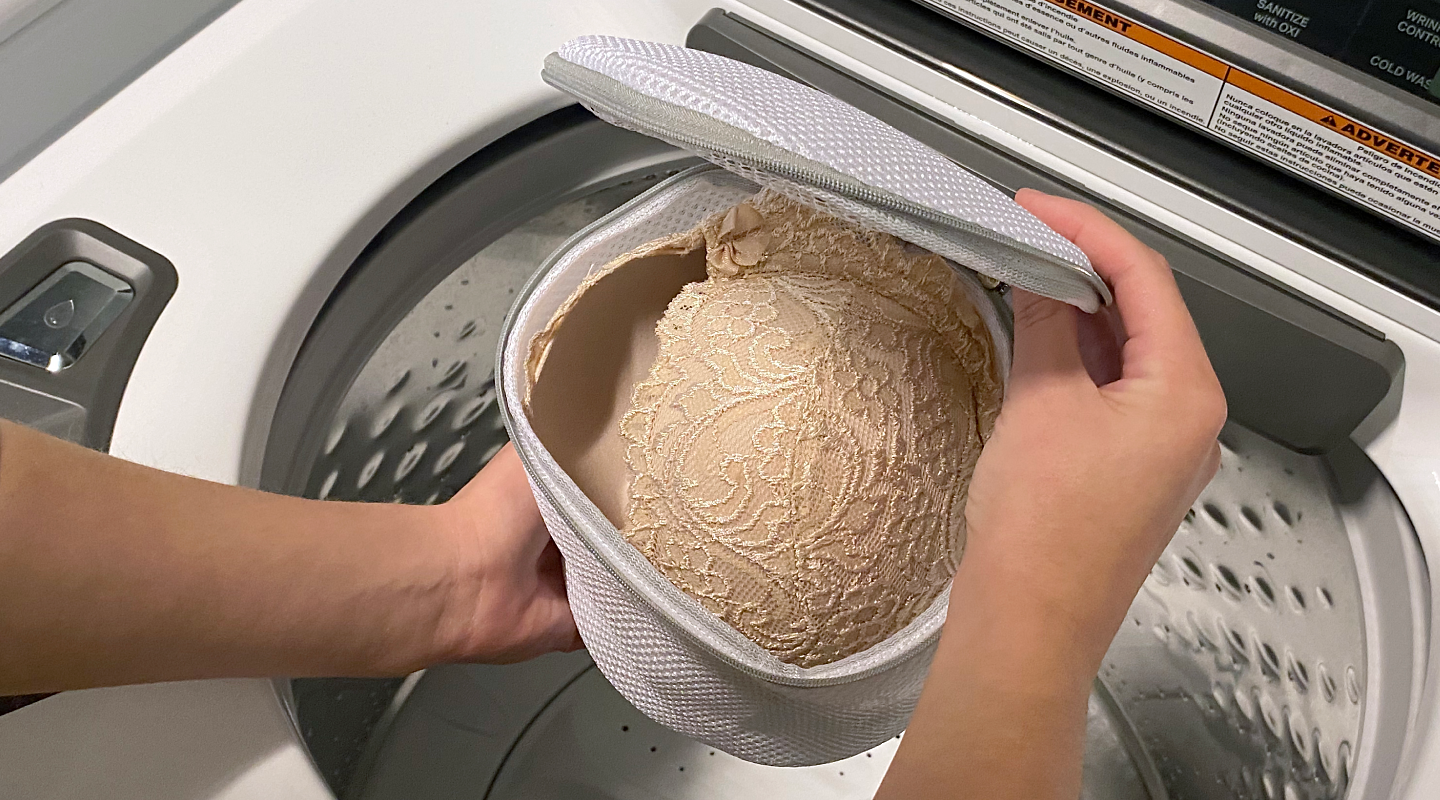
Before washing, fasten all bra hooks to stop them from snagging other clothes or the washing machine drum. Placing bras in a mesh laundry bag specially made for bras further protects them from getting stretched or twisted.
Use a dedicated laundry bag for bras with a fine mesh to allow water and detergent to reach the fabric while keeping the bra’s shape intact.
Here is a checklist for preparation:
- ✅ Fasten bra hooks
- ✅ Place bras in mesh laundry bag
- ✅ Sort bras by color and fabric type
- ✅ Use mild detergent for delicates
Machine Settings for Bra Washing
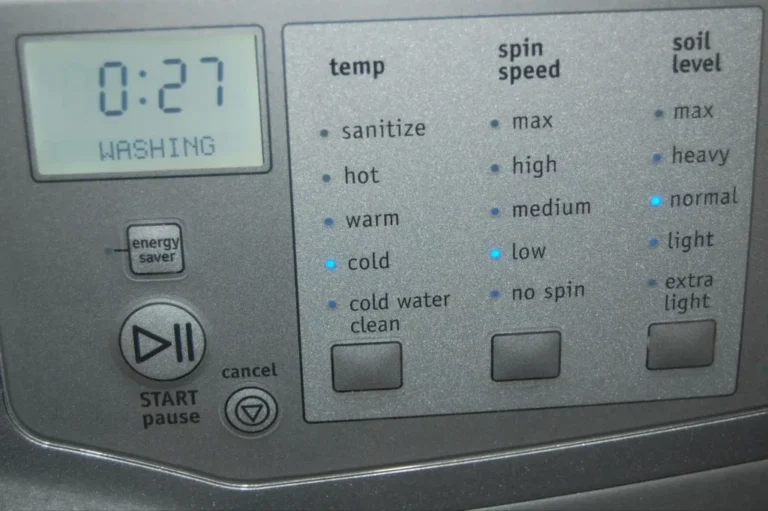
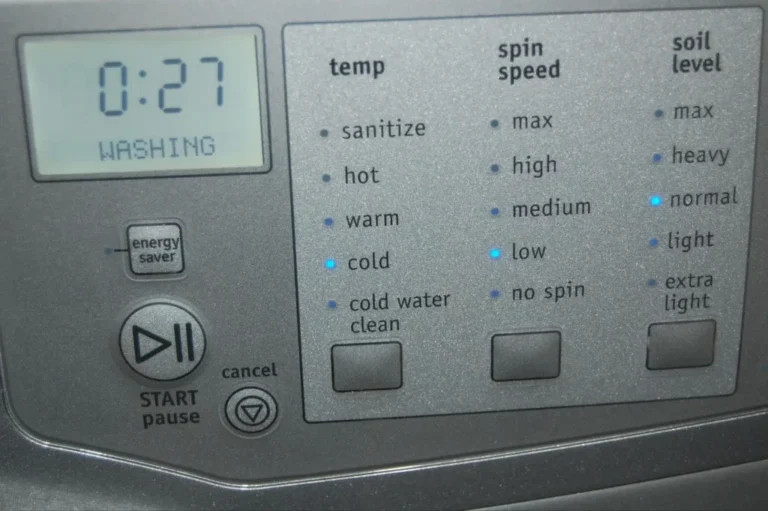
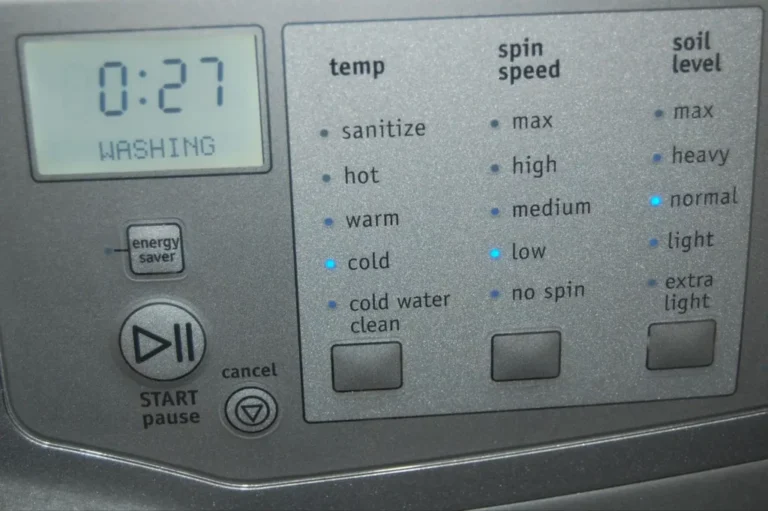
Use the delicate cycle washing setting on your machine as it uses slower spin speeds and gentler agitation. Select cold water bra wash to avoid shrinking and fabric damage.
Set the spin speed to low or medium to prevent stretching bras inside the machine. Avoid high heat settings that can harm elastic and underwire.
Table below shows recommended machine settings for washing bras:
| Setting | Recommended Option |
|---|---|
| Wash Cycle | Delicate/Gentle |
| Water Temperature | Cold |
| Spin Speed | Low or Medium |
| Detergent Type | Mild, for delicates |
Following these settings helps prevent bra damage washing machine cycles can otherwise cause.
Detergent and Bra Washing Tips
Use a detergent designed for delicate fabrics. Avoid harsh detergents or bleach that can break down bra fabric and elastic. Avoid using fabric softener, as it reduces elasticity.
Washing bras and lingerie with similar delicate items in the mesh bag reduces friction and extends their life. Always wash bras separately from heavy clothes like jeans or towels.
Drying Bras After Machine Wash
Never use a dryer for bras. Dryers can stretch elastic and warp underwires. Instead, lay bras flat on a drying rack or hang them by the center gore (the middle part between cups) to keep their shape.
Drying bras in cold air prevents shrinking and fabric wear. Avoid direct sunlight for colored bras to keep colors from fading.
Here is a step-by-step guide to drying bras safely:
- Remove bras from mesh laundry bag immediately after wash
- Gently reshape cups and straps
- Lay flat on a drying rack or hang by center
- Allow to air dry fully before storing
Hand Wash vs Machine Wash Bras
Hand wash is the safest way to clean bras but takes more time. Machine wash bras using delicate cycle and mesh bags is a good balance between care and convenience.
For very delicate or expensive bras, hand wash is preferred to prevent stretching and damage. For regular bras, machine wash with care maintains cleanliness and shape.
How to Prevent Bra Damage Washing
To protect bras, always use a mesh bag and cold water cycle. Fasten hooks and avoid mixing bras with heavy items. Use mild detergent and skip fabric softener.
Stretching bras in washing machine is a common issue caused by agitation or spin speed. Using the right settings and laundry bags greatly reduces this risk.
Extra Care Tips for Bra Machine Wash
If your bra has lace or underwire, consider hand washing or using a dedicated lingerie cycle if available on your machine. Remove bras quickly after wash to air dry.
Store bras properly to keep their shape. Avoid folding cups inside out or stacking heavy items on top.
Summary of Best Practices
Machine wash bras with cold water and delicate cycle. Use a mesh laundry bag and mild detergent. Fasten hooks and avoid fabric softener. Air dry bras flat or hung by the center.
Proper bra care machine wash routines extend bra life and keep comfort. Follow bra washing instructions on labels and adjust based on fabric type.
| Step | Action |
|---|---|
| 1 | Fasten hooks and place bras in mesh laundry bag |
| 2 | Set machine to delicate cycle with cold water |
| 3 | Use a mild detergent for delicates |
| 4 | Remove bras quickly after wash |
| 5 | Air dry bras flat or hung by center |
Following this process supports bra durability and comfort over time.
Conclusion
Washing bras in the machine is safe if you follow expert tips. Use cold water, gentle cycles, and a mesh laundry bag to protect delicate fabrics and underwires. Avoid fabric softeners and heat drying to keep elasticity strong.
With correct care, your bras will stay clean, comfortable, and in good shape longer. For more delicate laundry care, explore how to wash wool sweaters machine for related guidance.
Remember, the right machine settings and washing habits preserve your bra investment while saving time in your laundry routine.
Frequently Asked Questions
Can I machine wash bras without a laundry bag?
It is not recommended. Using a mesh laundry bag protects bras from getting stretched, tangled, or damaged by other clothes or the washing machine’s movements.
What water temperature is best for washing bras in the machine?
Cold water is best to prevent fabrics like lace and elastic from wearing out quickly and to keep bras from shrinking or losing shape.
Is hand washing bras better than machine washing?
Hand washing is gentler and can extend the life of bras, but using the delicate cycle in a machine with proper care can also be safe and effective.
Should I use fabric softener when washing bras?
Fabric softeners can break down elastic fibers, so it is better to avoid them when washing bras to maintain their stretch and support.
How should I dry bras after washing them in the machine?
Always air dry bras on a flat drying rack or hang them to dry. Avoid using the dryer, which can damage elastic and underwire.

Keith Boyd Is A Seasoned Appliance Care Expert With Over A Decade Of Experience In Home Appliance Maintenance. His Authoritative Insights On Washing Machine Care And Upkeep Are Trusted By Homeowners Nationwide. With A Passion For Educating Others, Keith Shares Valuable Tips That Ensure Your Appliances Run Smoothly For Years To Come.