Understanding Drain Pipe Height
The height of the washing machine drain pipe is key for proper water flow. Plumbing experts recommend setting the standpipe between 18 and 30 inches above the floor. This height lets water flow out easily while preventing backflow into the washer.
A drain pipe placed too low can cause water to back up or drain slowly. On the other hand, if the pipe is too high, the washing machine pump might struggle to push water out. Industry consensus indicates 30 inches as the maximum safe height.
For a detailed explanation on how drain pipe height affects water flow, resources on washing machine waste pipe height provide excellent foundational context.
Choosing the right height also aligns with local code washing machine drain height rules. These codes ensure safety and functionality in your laundry room drainage setup.
Drain Pipe Installation Steps
Installing a washing machine drain pipe requires careful planning. First, measure from the floor to set the standpipe height between 18 and 30 inches. Confirm the drain pipe diameter is at least 2 inches to handle water flow.
Next, connect the drain hose fitting for the washer securely to the standpipe. Use a hose clamp to keep the hose tight and prevent leaks. The drain hose should include a high loop or air gap to stop backflow and overflow issues.
Finally, test the water drainage by running a wash cycle. Watch for any signs of water backing up or slow draining.
Taking these steps will meet washing machine plumbing requirements and reduce drainage troubles.
✅ Checklist for drain pipe setup:
- ✅ Standpipe height 18-30 inches
- ✅ Drain pipe diameter 2 inches minimum
- ✅ Secure drain hose with clamps
- ✅ Include a high loop or air gap
- ✅ Confirm compliance with local plumbing codes
High Loop and Air Gap Methods
Two popular methods protect your washing machine from drainage backflow: the high loop and the air gap. The high loop method raises the drain hose up behind the machine to a point higher than the standpipe. This loop stops water from flowing back into the washer.

The air gap involves a break in the drain line that allows air to enter and prevents siphoning. It also acts as overflow protection. Most plumbing codes now require one of these methods to avoid water contamination and drainage problems.
Using these methods properly will improve your washing machine water drainage setup and extend the life of your appliance.
Common Drainage Problems and Solutions
Washing machine draining problems often trace back to improper drain pipe height or poor installation. Symptoms include slow draining, water backing up into the machine, or leaks around the hose connection.
To troubleshoot drainage issues, first check the standpipe height and hose installation. Ensure the drain hose is not kinked or clogged. Also, confirm the presence of a high loop or air gap.
Another cause can be a clogged trap or venting system. In these cases, cleaning or replacing the affected parts is necessary.
⭐ Expert Insight: Regular inspection of your washing machine pump and drain hose can prevent sudden drainage failures.
Laundry Room Drainage Standards
Laundry room drainage standards have evolved with plumbing technology. Modern standards set a minimum standpipe height of 18 inches and a maximum of 30 inches. Drain pipe sizes must be at least 2 inches in diameter using PVC pipe or equivalent.
Venting systems and traps are mandatory to prevent sewer gases from entering the home. Overflow pipes or air gaps provide extra safety against flooding.
Following these standards ensures your washing machine drain location works efficiently and meets code requirements.

For more on proper drain installation and code compliance, check out the detailed guide on washer drain height requirements.
| Component | Recommended Size | Purpose |
|---|---|---|
| Standpipe Height | 18-30 inches | Ensures proper water flow and prevents backflow |
| Drain Pipe Diameter | 2 inches minimum | Handles water volume efficiently |
| Drain Hose | Flexible hose with clamp | Connects washer to drain pipe securely |
| Air Gap / High Loop | N/A | Prevents backflow and overflow |
Installing these components correctly reduces laundry room drainage issues and maintains appliance safety.
Remember, improper height or poor installation can cause leaks and damage your floor or walls. Always double-check measurements and fittings.
Step-by-Step Washing Machine Drain Hose Installation
Follow these steps to install the washing machine drain hose correctly:
- Measure and mark the standpipe height between 18 and 30 inches from the floor.
- Install the standpipe with at least a 2-inch diameter PVC pipe.
- Attach the drain hose to the washing machine’s discharge pipe.
- Create a high loop where the drain hose rises behind the washer, securing it with a clamp.
- Insert the hose end into the standpipe, ensuring a snug fit without forcing it.
- Test the setup by running a full wash cycle and check for leaks or slow draining.
Following this guide will help you avoid common installation mistakes and ensure smooth water flow.
🚀 Beginner Tip: Using a hose clamp on the drain hose fitting prevents leaks and accidental disconnections during heavy water flow.
Troubleshooting Washing Machine Drainage Issues
If your washing machine fails to drain properly, check these points:
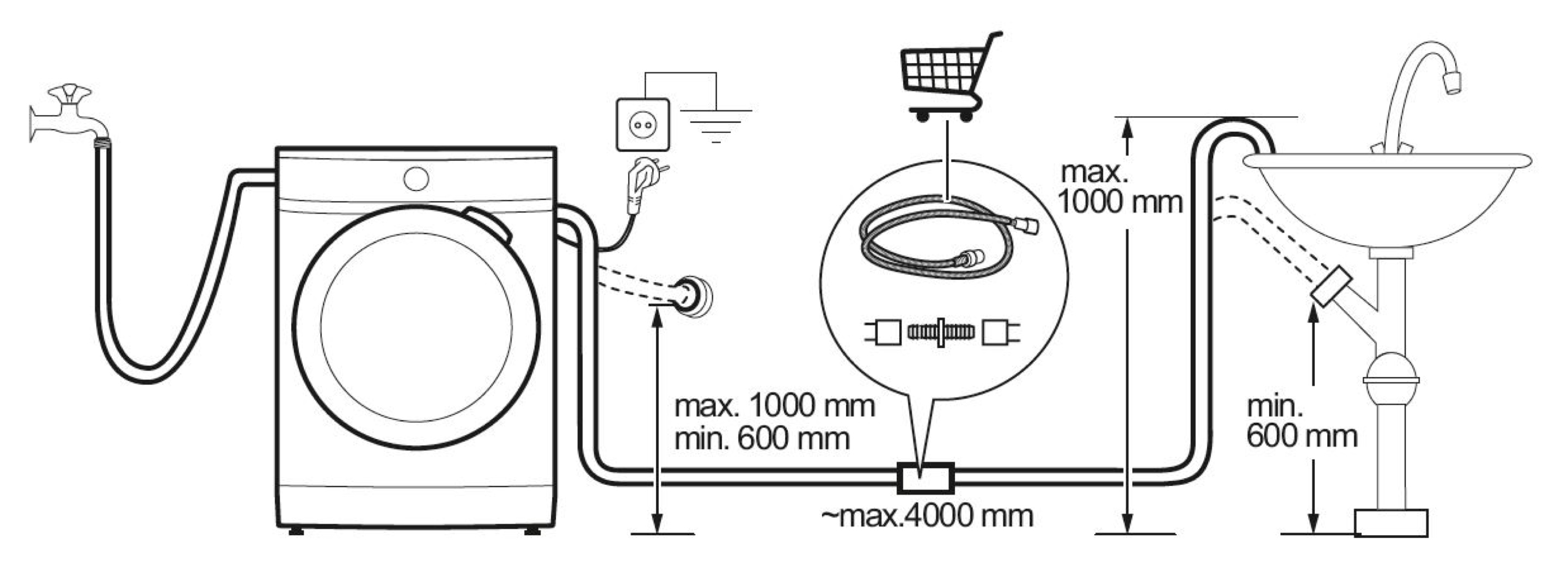
- Is the standpipe height within the 18-30 inch range?
- Is the drain hose kinked or clogged?
- Does the hose have a high loop or air gap installed?
- Is the drain pipe diameter at least 2 inches?
- Are plumbing codes and local standards met?
Slow drainage or water backing up often means the standpipe is too low or clogged. Fixing these usually restores proper flow.
If problems persist, inspect the washing machine pump and drain hose for damage or blockages.
| Problem | Common Cause | Solution |
|---|---|---|
| Water backs up into washer | Standpipe too low or no air gap | Raise standpipe height; add high loop or air gap |
| Slow draining | Clogged drain pipe or hose | Clean or replace drain hose; clear pipe blockages |
| Leaks near drain hose | Loose hose clamp or damaged hose | Tighten clamp; replace hose if damaged |
By addressing these issues, you can avoid costly repairs and water damage.
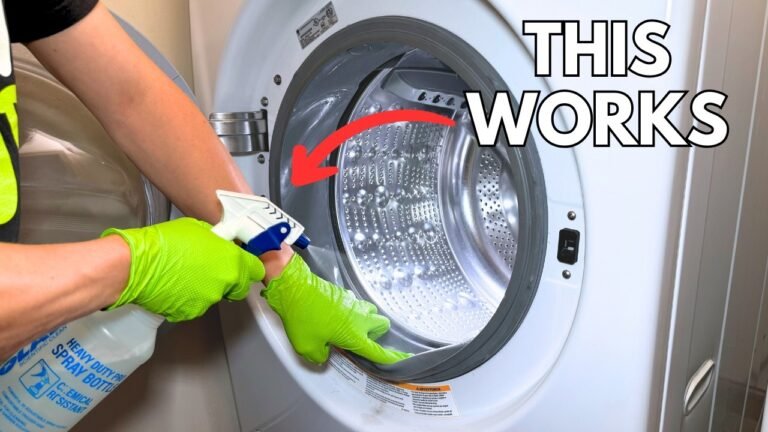
For additional tips on maintaining your washing machine and avoiding drainage issues, explore advice on washing machine cleaning and care.
Conclusion
Proper height for a washing machine drain pipe is essential for smooth drainage and preventing water damage. Setting the standpipe between 18 and 30 inches, using a 2-inch drain pipe, and installing a high loop or air gap are key steps.
Following local plumbing codes and standards ensures safety and avoids washing machine draining problems. Regular checks and maintenance on the drain hose and pump also help keep your laundry running well.
With the right installation and care, your washing machine will drain efficiently and last longer, saving you money and hassle in 2026 and beyond.
Frequently Asked Questions
What is the ideal height for a washing machine drain pipe?
The ideal height for a washing machine drain pipe, or standpipe, is typically between 18 and 30 inches from the floor. This height helps prevent backflow and allows proper drainage.
Why is the washing machine drain pipe set so high?
A high drain pipe prevents water from siphoning back into the washer and stops drainage problems. It also helps to maintain an air gap, avoiding overflow and sewer gas entry.
Can I install a washing machine drain pipe lower than recommended?
Installing the drain pipe too low can cause water to drain slowly or back up. It may lead to washing machine draining problems and possible water damage.
What size drain standpipe is needed for a washing machine?
Most codes require a minimum 2-inch diameter for the washing machine drain standpipe to handle the water flow efficiently and avoid clogs.
How do I fix washing machine drainage issues related to drain pipe height?
Check the drain pipe height, ensure a proper air gap or high loop on the drain hose, and confirm that the plumbing meets local code washing machine drain height standards.

Keith Boyd Is A Seasoned Appliance Care Expert With Over A Decade Of Experience In Home Appliance Maintenance. His Authoritative Insights On Washing Machine Care And Upkeep Are Trusted By Homeowners Nationwide. With A Passion For Educating Others, Keith Shares Valuable Tips That Ensure Your Appliances Run Smoothly For Years To Come.