Introduction to Sweater Washing
Washing sweaters can be tricky. Sweaters are made from many fabrics like wool, cashmere, and acrylic. Each needs special care. For many, using a washing machine is safe if done right. This guide covers the best sweater washing tips for 2026.
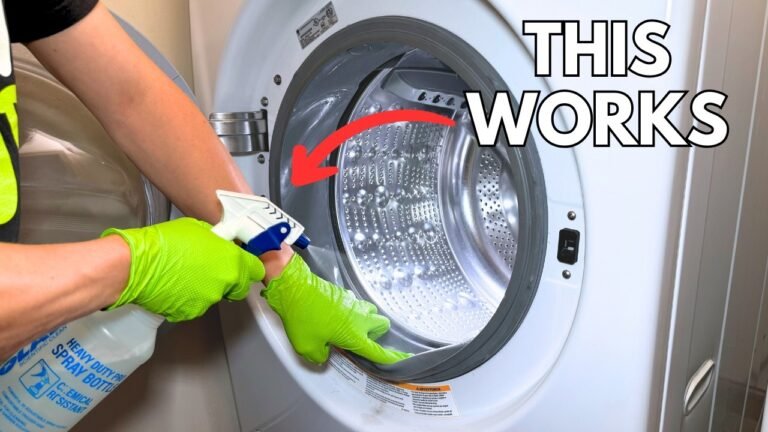
Understanding sweater fabric types helps prevent damage. Sweater washing in machines needs the right cycle, detergent, and drying method. For a deeper understanding of this mechanic, analyzing resources on washing sweaters with love provides excellent foundational context. Also, cleaning your washing machine regularly keeps sweaters fresh and clean, as explained in our clean washing machine drain hose guide.
Sweater Fabric Types and Care
Sweaters come in natural and synthetic fabrics. Wool and cashmere are natural and need gentle care. Acrylic and polyester are machine washable but still require careful handling. Knowing the fabric tells you the best wash method.
Wool sweater care means avoiding hot water and high spin speeds. Acrylic sweaters can handle machine washing better but use gentle settings. Cashmere should be hand washed or on delicate machine cycles.
Identifying Machine Washable Sweaters
Check the washing instructions label on each sweater. Look for a machine washable label or symbols. Some sweaters say hand wash only. Others can be washed on a delicate cycle. This label is your guide to avoid shrinkage and damage.
Using a laundry bag for sweaters protects fabric from rough agitation. Mesh laundry bags also reduce pilling. Always zip or close the bag before placing sweaters in the machine.

Choosing the Washing Machine Sweater Cycle
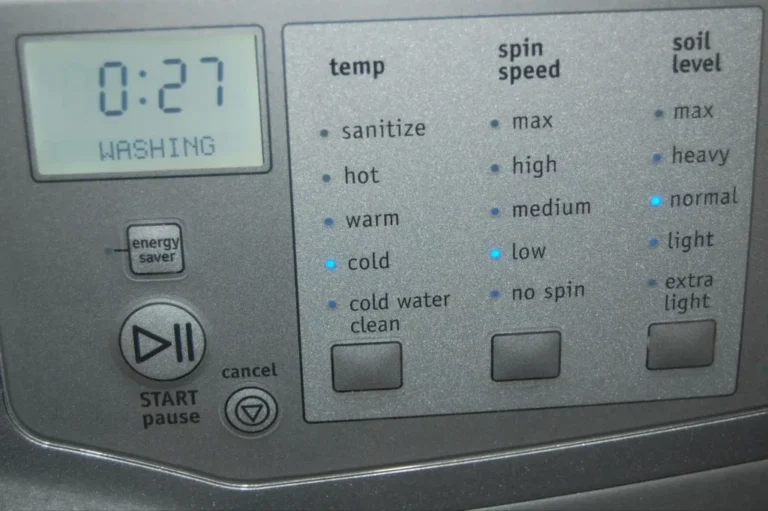
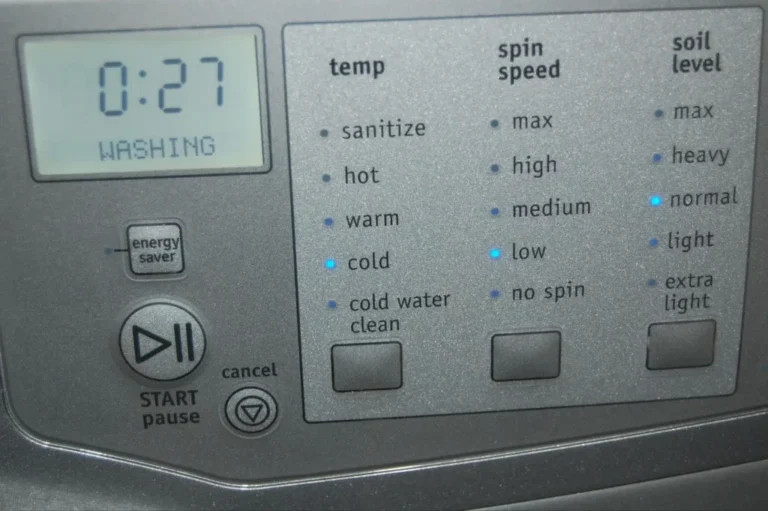
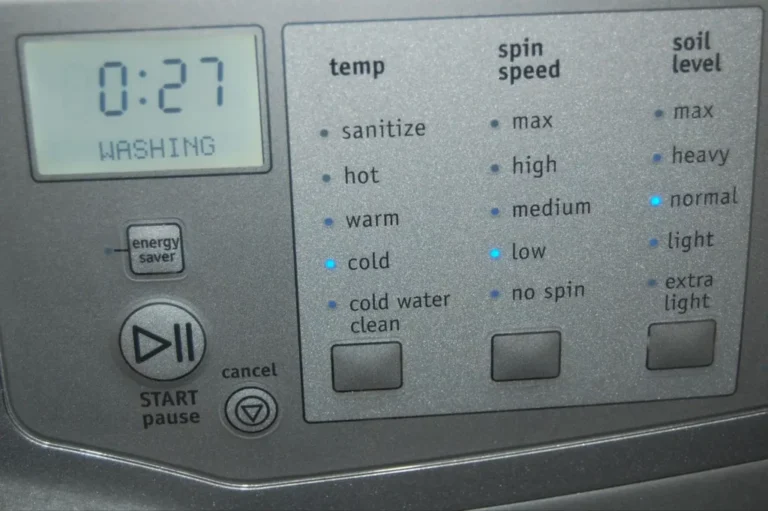
The washing machine sweater cycle should be gentle or delicate. This means slow spin speed and gentle agitation. Cold water washing sweaters is best to avoid shrinking and color fading. Avoid hot or warm water.
Set the spin speed low or off to reduce fabric stress. Many modern washers have a wool or hand wash cycle, perfect for sweaters. If your machine doesn’t, use the delicate cycle with cold water.
| Washing Machine Setting | Best For | Spin Speed | Water Temperature |
|---|---|---|---|
| Delicate Cycle | Wool, Cashmere, Acrylic | Low | Cold |
| Wool Cycle | Wool & Cashmere | Very Low | Cold |
| Hand Wash Cycle | Delicate Sweaters | Minimal | Cold |
Detergent choice matters. Use the best detergent for sweaters, typically a mild or wool detergent. Avoid regular detergents with harsh chemicals. Add fabric softener for softness but sparingly.
Detergent and Stain Removal Tips
Choose detergents labeled safe for wool or delicate fabrics. These protect the fibers during washing. For stain removal sweaters, treat stains gently. Use a mild stain remover made for delicate fabrics before washing.
Apply the stain remover lightly and test on a small area first. Avoid bleach or strong chemicals. Pre-treat stains and wash on a gentle cycle to save your sweater’s look and feel.

Hand Wash vs Machine Wash Sweaters
Hand washing is safest for expensive or delicate sweaters. Use cold water and gentle soap. Rinse well and avoid wringing. Hand wash prevents shrinkage and stretching better than most machines.
Machine washable sweaters can be washed with care using the right settings. The gentle wash setting in machines mimics hand wash motions. Always use a mesh laundry bag and cold water to protect the fabric.
- Check care label for washing instructions.
- Place sweater in a mesh laundry bag.
- Use mild detergent and fabric softener.
- Select delicate or wool cycle with cold water.
- Set spin speed to low or no spin.
- Start the washing machine and remove promptly.
Dryer vs Air Dry Sweaters
Dryers can damage sweaters by shrinking or stretching fibers. Industry consensus indicates air drying is best. Lay sweaters flat on a clean surface or dryer rack to dry. This keeps shape intact.
Reshaping sweaters while damp helps keep their form. Avoid hanging as it stretches fabric. Using a dryer rack or dry flat method is safest. It also helps prevent pilling and lint buildup.
| Drying Method | Pros | Cons |
|---|---|---|
| Air Dry Flat | Prevents shrinking and stretching, maintains shape | Slower drying time |
| Dryer | Faster drying | Risk of shrinkage and fiber damage |
| Hanging | Easy to do | Causes stretching and misshaping |
Pilling Prevention and Sweater Maintenance Tips
Pilling occurs when fabric fibers tangle and form small balls. To prevent pilling, wash sweaters inside out in a laundry bag. Use gentle cycles and avoid high spin speeds.
Regularly clean the lint filter in your washing machine. Remove pills by hand or use a sweater comb. Proper storage also helps. Fold sweaters instead of hanging to maintain their look.
- ✅ Wash with cold water on delicate cycle.
- ✅ Use a mesh laundry bag.
- ✅ Avoid high spin speeds.
- ✅ Air dry flat on a rack.
- ✅ Store folded, not hung.
- ✅ Use mild detergent and fabric softener.
Conclusion
Washing sweaters in a machine needs care and attention. Always check the washing instructions label and use the gentle wash setting with cold water. A mild detergent and laundry bag protect fibers. Air drying flat is best to keep shape and avoid shrinkage.
Following these sweater washing tips ensures your sweaters stay soft, clean, and last longer. For more on caring for delicate clothes, exploring additional tips like clean washing machine drain hose can keep your washer in top shape.
Frequently Asked Questions
Can all sweaters be washed in a washing machine?
Not all sweaters are safe for machine washing. Always check the washing instructions label for fabric type and care guidelines.
What washing machine cycle is best for sweaters?
The delicate or gentle wash setting is best for sweaters to avoid damage and shrinkage.
Is cold water washing better for sweaters?
Yes, cold water helps prevent shrinkage and maintains the sweater’s shape and softness.
Should I use fabric softener when washing sweaters?
Fabric softener can be used sparingly to keep sweaters soft, but always follow garment care labels.
What is the best way to dry sweaters after washing?
Air drying flat on a dryer rack is recommended to avoid stretching or shrinking.

Keith Boyd Is A Seasoned Appliance Care Expert With Over A Decade Of Experience In Home Appliance Maintenance. His Authoritative Insights On Washing Machine Care And Upkeep Are Trusted By Homeowners Nationwide. With A Passion For Educating Others, Keith Shares Valuable Tips That Ensure Your Appliances Run Smoothly For Years To Come.