Understanding Mold in Front Load Washers 🚀
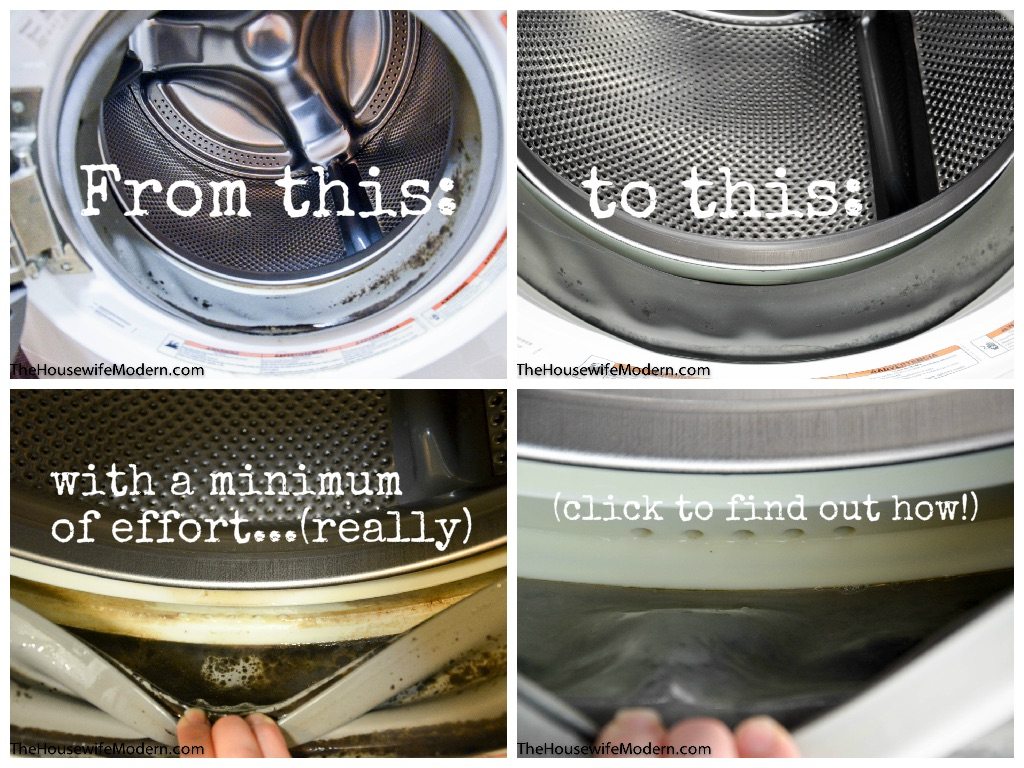
Front load washing machines are great for saving water and energy. But they can easily get mold in tight spots. The rubber door gasket is the main place mold hides. It traps moisture and detergent, creating a perfect home for mold spores.
Mold causes a strong mildew smell that won’t go away with regular washing. It can also damage your machine and clothes. Understanding why mold grows helps you stop it from coming back. Moisture buildup and poor ventilation are key reasons behind mold growth.
To keep your washer fresh, regular cleaning and drying are a must. For a detailed guide on cleaning mold, see the resource about how to clean mold from front loading washing machine.
Effective Cleaning Solutions for Mold
Several cleaning agents work well to remove mold from your front load washer. Vinegar and baking soda are natural and safe choices. Vinegar kills mold and breaks down soap scum. Baking soda helps scrub away mildew and deodorizes the machine.
Bleach is also powerful but should be used with care. It can damage rubber parts if overused. Commercial washing machine cleaners are formulated to target mold and detergent buildup safely and often contain anti-mold sprays.
Running a hot water cycle helps dissolve residues and kills mold spores. Ensure your machine supports hot cycles to avoid damage.
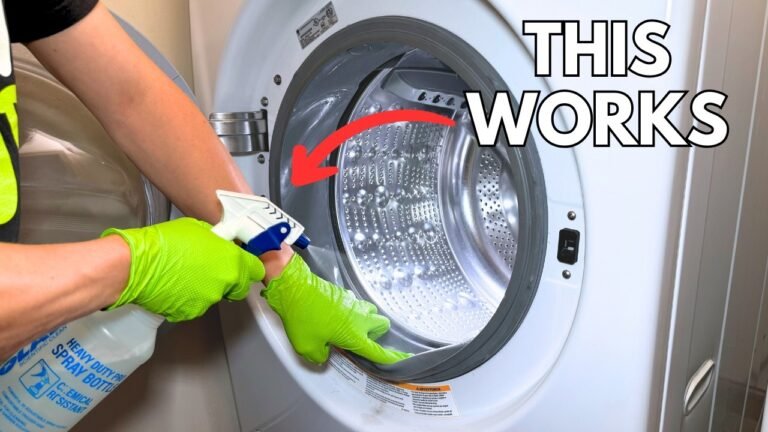
Cleaning the rubber gasket is crucial. Mold hides in its folds. Use a soft cloth and a mild cleaner or vinegar solution to wipe it thoroughly.
For more on cleaning mold in washing machines, this front loader washer mold removal discussion offers community tips and tricks.
📌 Step-by-Step Mold Removal Guide
- Open the washer door and check the rubber gasket for mold spots.
- Mix equal parts white vinegar and water in a spray bottle.
- Spray the gasket and inside rim thoroughly and let it sit for 10 minutes.
- Use a soft brush or cloth to scrub the gasket gently.
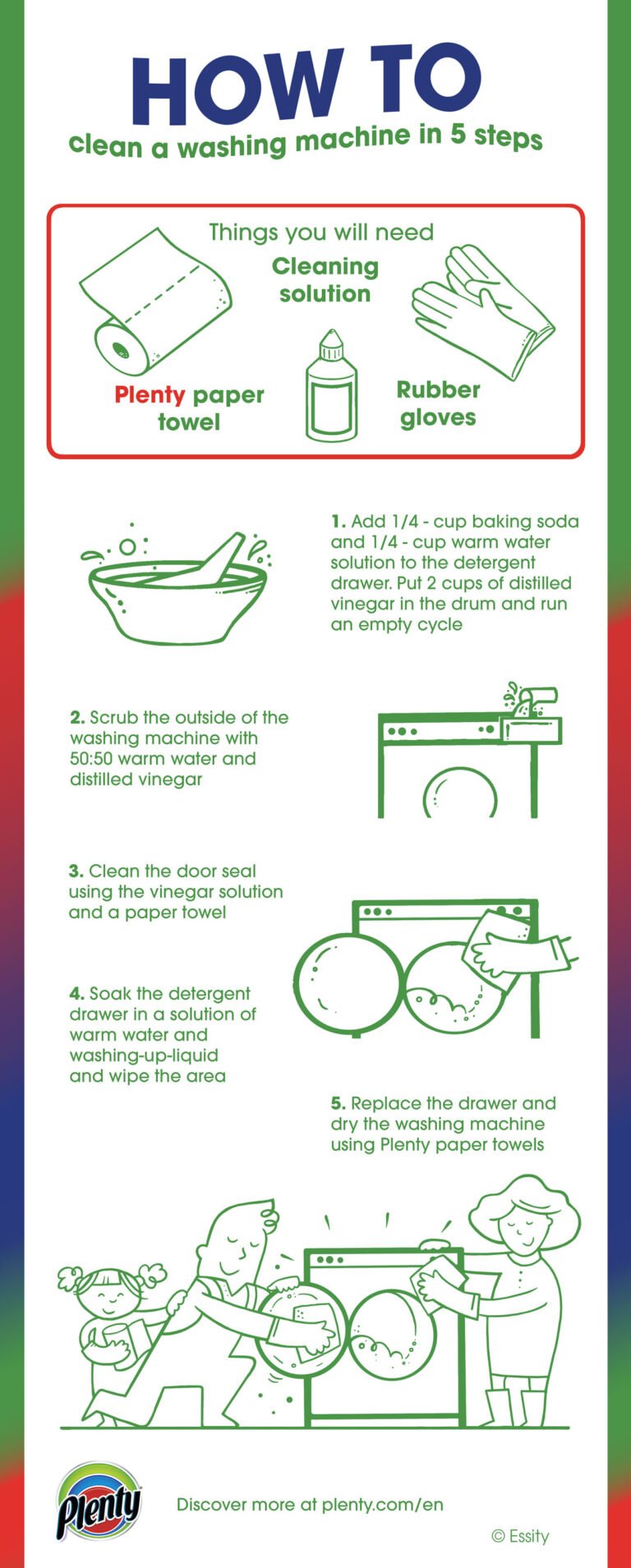
- Run a hot water cleaning cycle with 2 cups of white vinegar inside the drum.
- After the cycle, sprinkle half a cup of baking soda inside the drum and run another hot water cycle.
- Wipe down the door seal and drum with a dry cloth after each wash to prevent moisture buildup.
- Keep the washer door open between washes to improve ventilation.
Following these steps will clean mold and reduce mildew smells effectively.

Front Load Washer Maintenance Tips ✅
Regular maintenance keeps your front loader mold-free. After every wash, wipe the rubber door seal dry. Leave the door open to air dry the drum and gasket.
Use the washing machine’s cleaning cycle once a month. Many models have a dedicated front load washer cleaning cycle designed to remove residue and kill mold.
Use the right amount of detergent. Excess detergent leaves residue that feeds mold growth. Choose high-efficiency detergents made for front loaders and avoid fabric softeners that build up inside.
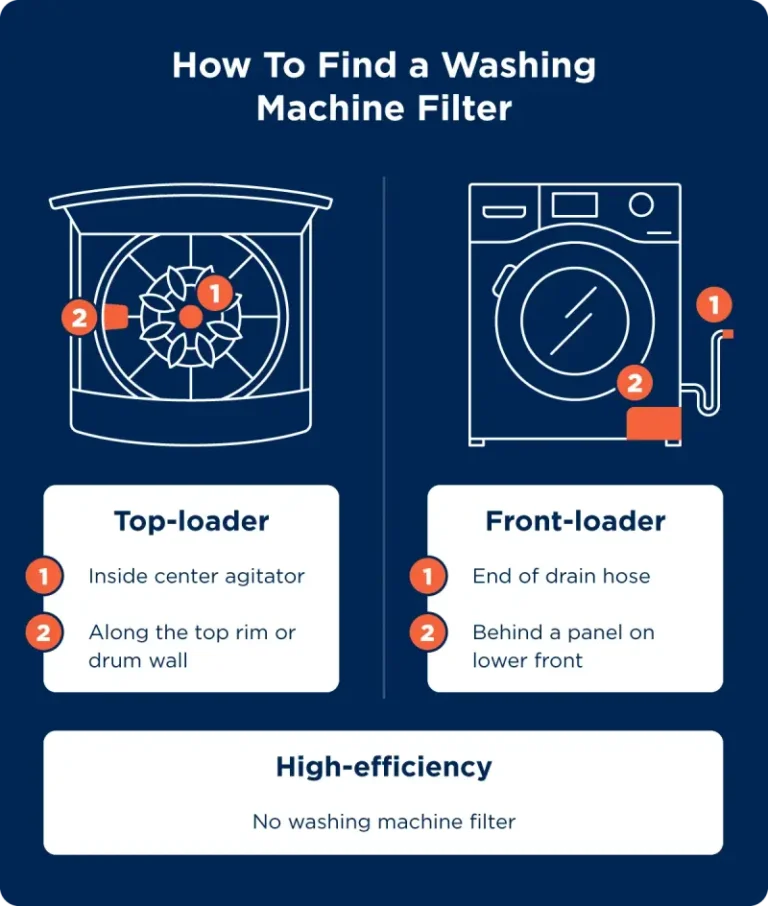
Clean your drain filter regularly to stop clogs and odors. Also, consider washing machine ventilation methods like installing a vent fan in your laundry area.
Antimicrobial sprays designed for washing machines can be applied monthly for extra mold prevention.
Common Mistakes and Mold Prevention
Many people keep the washer door shut after use. This traps moisture and invites mold. Always leave the door ajar to let the inside dry.
Using too much detergent or fabric softener also causes mold. Follow detergent guidelines based on load size and soil level.
Neglecting the rubber gasket allows mold to grow unchecked. Clean and dry it regularly.
Ventilation is often overlooked. Good airflow reduces moisture buildup and helps stop mold growth.
For additional prevention tips, check out this practical guide on front load washer mold and odor control.
🔢 Comparison of Cleaning Agents for Mold Removal
| Cleaning Agent | Effectiveness | Safety for Washer | Cost |
|---|---|---|---|
| White Vinegar | High | Safe | Low |
| Baking Soda | Moderate | Safe | Low |
| Bleach | Very High | Use Sparingly | Low |
| Commercial Cleaners | High | Safe | Medium |
Choosing the right cleaner depends on your needs and washer type. Vinegar and baking soda are eco-friendly and budget-friendly options.
Proper use ensures long washer life and mold removal without damage.
How To Dry Washing Machine Door Seal
Drying the rubber door gasket stops mold growth. Use a clean cloth after every wash to wipe away water and detergent. Pay attention to folds where water collects.
Leaving the door open helps air dry the seal. Using a small fan or dehumidifier near the machine speeds drying in humid areas.

Replacing worn or cracked gaskets also prevents mold buildup. Check your user manual for replacement instructions or hire a professional if needed.
• Tips to Prevent Mold in Washers
| Tip | Benefit |
|---|---|
| Use the hot water cycle regularly | Kills mold spores |
| Keep door open between washes | Improves ventilation |
| Clean rubber gasket weekly | Removes mold buildup |
| Use correct detergent amount | Prevents residue |
| Run cleaning cycle monthly | Removes soap scum |
Following these simple steps reduces mold risk and keeps your washer fresh.
Regular care is key for long-term mold prevention and machine health.
⚖️ Commercial Cleaners vs Natural Solutions
| Aspect | Commercial Cleaners | Natural Solutions |
|---|---|---|
| Effectiveness | High, designed for washers | Good, especially vinegar |
| Safety | Safe if used correctly | Very safe, eco-friendly |
| Cost | Medium to high | Low |
| Availability | Specialty stores, online | Common household items |
Natural methods like vinegar and baking soda are excellent for regular cleaning. Commercial cleaners work well for tough mold or heavy buildup.
Choose based on mold severity, budget, and convenience.
⭐ Expert Insight: Final Thoughts
Mold in front load washing machines is common but manageable. Consistent cleaning and drying stop mold and mildew odors. Use hot water cycles and safe cleaners like vinegar for best results.
Maintaining the rubber gasket and allowing air circulation are critical. Overuse of detergent and closed doors cause mold problems.
Industry consensus indicates that combining natural cleaning with periodic commercial products offers a balanced approach. Always follow your machine’s care instructions.
For a deeper understanding of this mechanic, analyzing resources on cleaning mold from front loading washing machines provides excellent foundational context.
Frequently Asked Questions
Why does mold grow in front load washing machines?
Mold grows due to moisture buildup, detergent residue, and poor ventilation allowing mold spores to thrive, especially around the rubber door gasket.
What is the best way to clean mold from a front load washer?
Using a combination of vinegar, baking soda, and hot water cycles helps remove mold. Cleaning the rubber gasket and door seal thoroughly is essential.
How can I prevent mold and mildew smells in my washer?
Keep the door open after use, run regular cleaning cycles, wipe the gasket dry, and use antimicrobial sprays designed for washing machines.
Are commercial washing machine cleaners effective against mold?
Yes, many commercial cleaners are designed to kill mold and mildew while removing detergent buildup, but natural solutions like vinegar and baking soda also work well.
Can hot water cycles help with mold removal in washers?
Hot water cycles are effective because heat kills mold spores and helps dissolve residue that feeds mold growth.

Keith Boyd Is A Seasoned Appliance Care Expert With Over A Decade Of Experience In Home Appliance Maintenance. His Authoritative Insights On Washing Machine Care And Upkeep Are Trusted By Homeowners Nationwide. With A Passion For Educating Others, Keith Shares Valuable Tips That Ensure Your Appliances Run Smoothly For Years To Come.