Why Cleaning the Drain Hose Matters
Washing machine maintenance is key to keeping your appliance running well. The drain hose is part of the drainage system that removes used water. Over time, soap scum and detergent residue build up inside this rubber hose. This can cause clogs and slow water drainage. Blockage leads to washing machine drainage issues and can even cause water leakage.
Odor buildup inside the hose is common. Mold growth and biofilm form when water stays trapped. This causes unpleasant smells that affect washing machine hygiene. Regularly cleaning the drain hose helps prevent these problems. For a deeper understanding of this mechanic, analyzing resources on washing machine drain hose cleaning provides excellent foundational context.
Also, cleaning washing machine filters and the pump complements hose care. The washing machine pump maintenance ensures proper drain suction, helping water flow smoothly through the hose.
Signs of a Clogged or Damaged Drain Hose
Knowing when to clean or replace the hose saves time and money. Common signs include:
- ✅ Slow water drainage after washing cycles
- ✅ Water leakage near hose fittings or clamps
- ✅ Musty or rotten egg smells from the washing machine
- ✅ Visible mold or black spots on the hose surface
- ✅ Unusual noises from the washing machine pump
Ignoring these signs can lead to bigger problems. For example, a clogged hose may force the washing machine pump to work harder, reducing its lifespan.
Learning how to disconnect a washing machine can help if you want to inspect the hose yourself.
Step-by-Step Guide to Cleaning the Drain Hose
Cleaning the drain hose is a simple DIY task if done right. Follow these steps:
- Turn off the washing machine and unplug it to ensure safety.
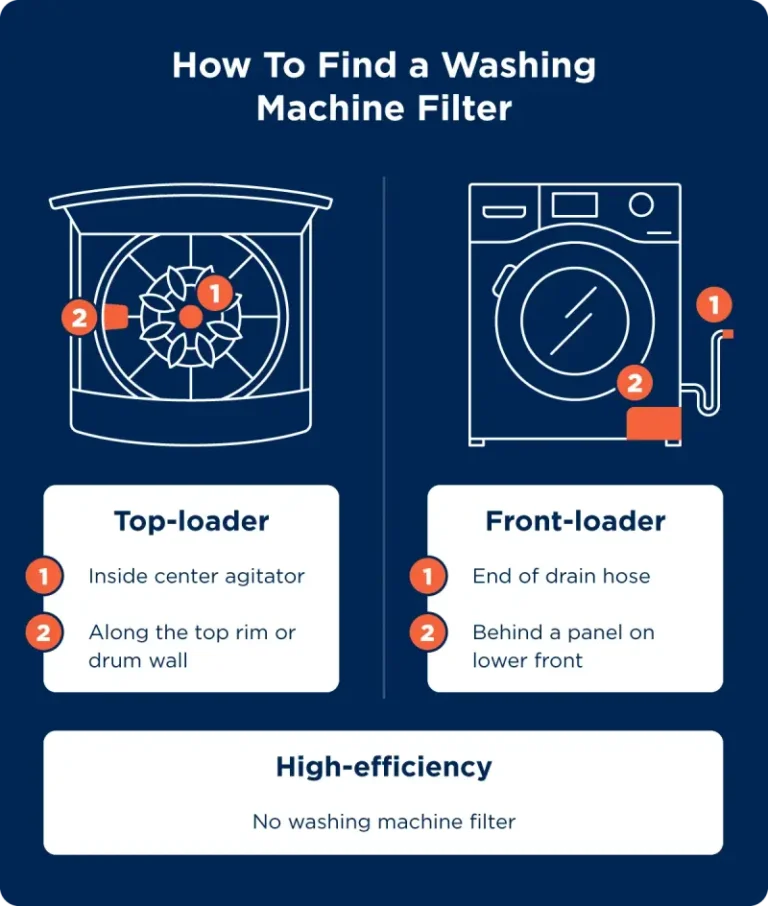
- Locate the drain hose at the back of your appliance.
- Place a bucket or towels under the hose to catch any water.
- Loosen the hose clamps or fittings and gently remove the hose.
- Use a flexible brush or a long cleaning tool to remove buildup inside the hose.
- Flush the hose with a mixture of warm water and vinegar to kill mold and dissolve soap scum.
- Rinse thoroughly with clean water to remove all residues.
- Inspect the hose for cracks or damage before reinstalling.
- Reconnect the hose securely, tightening clamps to prevent leaks.
- Run a short washing cycle without clothes to test water drainage.
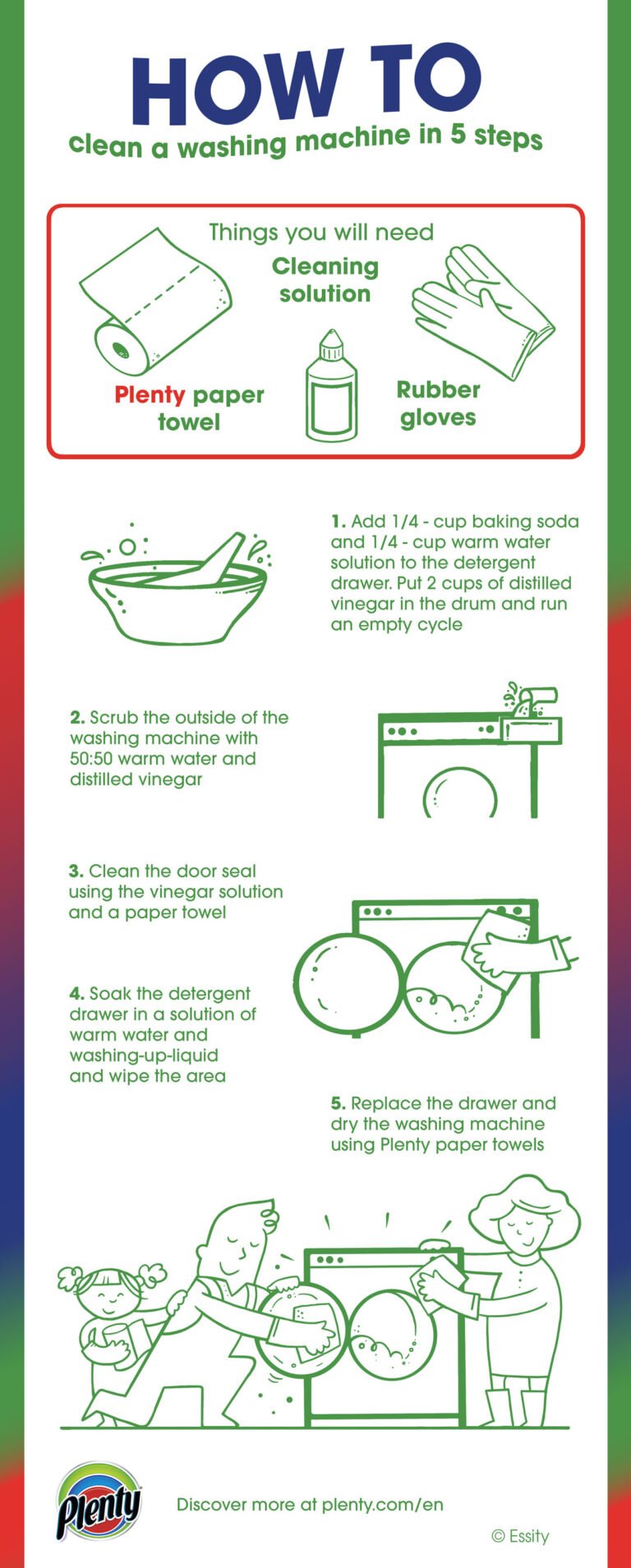
Using vinegar for hose cleaning is an eco-friendly method that helps remove odor buildup and mold. Avoid harsh chemicals that may damage rubber hoses.
Remember to follow a maintenance schedule to clean the hose regularly and prevent washing machine leaks.

Washing Machine Hose Materials and Replacement Tips
Most washing machine hoses are made of rubber or flexible plastic tubing. Rubber hoses are durable but can develop mold or cracks over time. Plastic hoses resist mold but may be less flexible.
Choose hoses with quality hose clamps and secure fittings to avoid leaks. When replacing, measure your old hose length and diameter to get the right fit. Installation is straightforward but must be tight to maintain drain suction and prevent water leakage.
Replacing an old hose is better than constant cleaning if you notice wear or persistent blockages. Expert insight indicates that timely hose replacement prolongs washing machine life and keeps your laundry safe.
Tips to Prevent Washing Machine Hose Blockage
Prevention is better than cure. Here are some tips to keep your washing machine drain hose clear:
- Use the right amount of detergent to avoid residue buildup.
- Run a monthly cleaning cycle using vinegar or baking soda.
- Avoid flushing lint or debris into the drain pipe.
- Clean washing machine filters regularly to reduce clog risks.
- Check hose fittings and clamps for tightness to prevent leaks.
Following these washing machine hygiene tips makes sure water flows well and odors don’t grow. Keeping the drainage system clean also reduces mold growth inside the rubber hose.
For detailed cleaning advice, see how to clean washing machine with vinegar for methods that improve overall appliance cleanliness.
Common Hose Issues and How to Fix Them
Here is a quick comparison of common problems and solutions:

| Issue | Cause | Solution |
|---|---|---|
| Clogged Hose | Soap scum, lint, biofilm buildup | Clean hose with vinegar flush and brush |
| Leakage | Loose fittings, cracked hose | Tighten clamps or replace hose |
| Odor Buildup | Mold growth inside hose | Use vinegar cleaning and dry hose fully |
Regular washing machine pump maintenance helps avoid strain caused by hose blockage. Keep an eye on water flow during cycles for early warning signs.
To clear a clogged hose without removal, some use DIY drain hose cleaning sprays. However, these are less effective than manual cleaning.
Safety Tips and Tools Needed
Before starting, unplug your washing machine to prevent electric shock. Wear gloves to protect against mold and cleaning agents.
Tools you may need include:
- Bucket or towels
- Flexible cleaning brush or pipe cleaner
- White vinegar
- Screwdriver for clamps
- Replacement hose (if needed)
Following a safe disassembly procedure protects you and your appliance. If unsure, consult a professional rather than risking damage.
For more tips on washing machine care, check out guidance on how to clean washing machine top loader.
Conclusion
Maintaining a clean washing machine drain hose is essential for smooth water drainage and odor prevention. Regular cleaning using vinegar and manual brushing removes soap scum, mold, and detergent residue. Recognizing signs of hose blockage or damage early helps avoid leaks and pump strain.
Choosing the right hose material and secure fittings reduces issues. Following a maintenance schedule and washing machine hygiene tips keeps your appliance fresh and efficient. Remember that safety and proper tools are vital when disassembling or cleaning the hose.
Taking these steps in 2026 ensures your washing machine stays reliable and your laundry smells clean every time.
Frequently Asked Questions
Why is it important to clean the washing machine drain hose?
Cleaning the drain hose prevents clogs, mold growth, and bad odors, ensuring proper water flow and avoiding leaks.
How often should I clean the washing machine drain hose?
Industry experts recommend cleaning the drain hose every 6 months to maintain good washing machine hygiene.
Can I clean the drain hose without disassembling the washing machine?
Yes, DIY drain hose cleaning methods exist, but some blockages require partial disassembly for thorough cleaning.
What materials are washing machine drain hoses made of?
Most hoses are made from flexible rubber or plastic tubing, designed for durability but can get clogged over time.
When should I consider replacing the washing machine drain hose?
Replace the hose if you see cracks, leaks, or persistent blockages that cleaning cannot fix.

Keith Boyd Is A Seasoned Appliance Care Expert With Over A Decade Of Experience In Home Appliance Maintenance. His Authoritative Insights On Washing Machine Care And Upkeep Are Trusted By Homeowners Nationwide. With A Passion For Educating Others, Keith Shares Valuable Tips That Ensure Your Appliances Run Smoothly For Years To Come.