Why Cleaning Your GE Top Load Washer Matters
Cleaning your GE top loading washing machine is key to good laundry results. Over time, mold, mildew, and detergent residue build up. This can cause bad smells and affect your clothes. Regular cleaning keeps the washing machine drum and tub fresh and working well. It also helps stop washing machine odor and mildew growth.
Experts in washing machine maintenance stress the importance of keeping the detergent dispenser and water hoses clean. This prevents clogs and damage. You can learn more about cleaning washing machine parts by reading our guide on how to clean filter in top loader washing machine. For a deeper understanding of this mechanic, analyzing resources on Washing Machine Cleaning Tips | GE Appliances Pressroom provides excellent foundational context.
Keeping your GE washer clean extends its life and saves you money on repairs. Let’s explore effective steps to maintain your top loader washer.
Regular Maintenance Tips for GE Top Load Washer
Simple care routines help prevent buildup and odors. Start by running the GE washer cleaning cycle at least once a month. This cycle uses hot water and high agitation to clean the tub and drum.
Check and clean the GE washer lint filter regularly. A clogged lint trap can cause poor drainage and smells. Also, wipe down the detergent dispenser to stop mold growth. Cleaning washing machine hoses every few months keeps water flowing well.
Use safe cleaning products. Avoid harsh chemicals that may damage rubber seals or plastic parts. Mild bleach solutions or washing machine cleaning tablets are best. You can also use DIY washing machine cleaners like vinegar and baking soda, but do so carefully.
Step-by-Step Cleaning Guide for GE Washer
Follow these steps for a deep clean:
- Set the washer to the hottest water setting and largest load size.
- Add 2 cups of bleach or a washing machine cleaning tablet to the tub.
- Run the GE washer cleaning cycle or a normal wash cycle without clothes.
- After the cycle, wipe the inside of the washing machine tub and spinning basket with a clean cloth.
- Clean the detergent dispenser and lint filter.
- Inspect and clean washing machine hoses to remove any buildup.
- Leave the lid open to air dry and prevent mildew.
Repeat this process every 1 to 3 months. Adjust frequency if you notice odors or residue.
Regular cleaning stops residue from detergent and fabric softener. It also prevents mold from forming in hidden spots like the tub and hoses.
Removing Mold and Mildew from Your Washing Machine
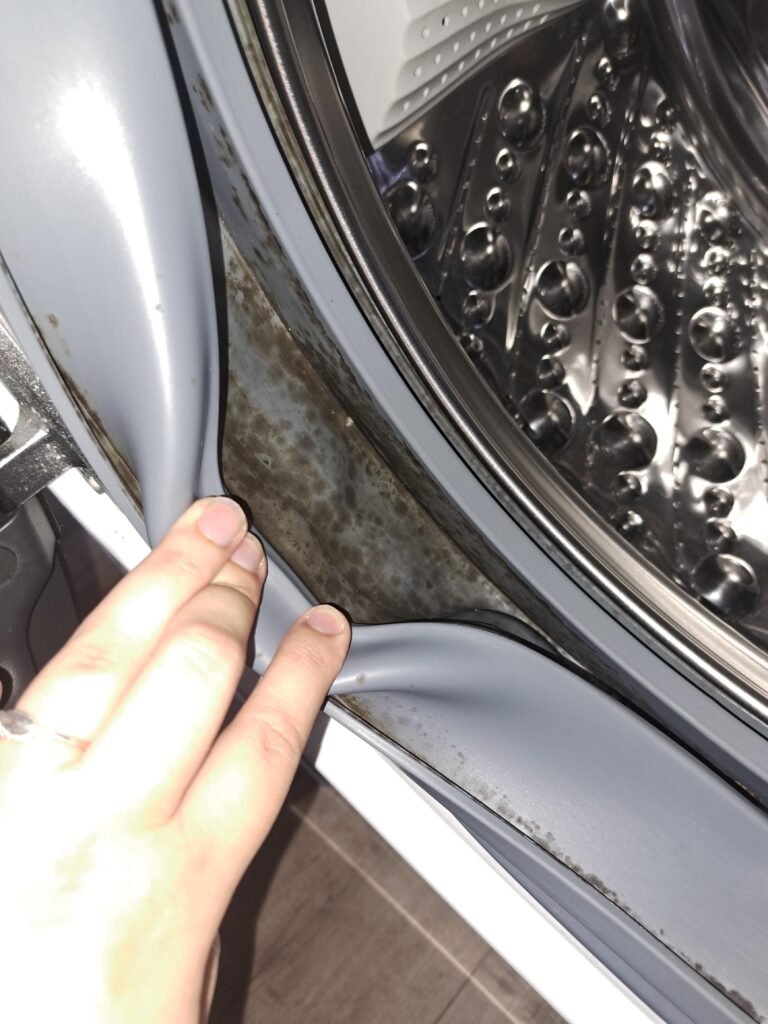
Mold and mildew cause bad odors and can damage your GE washer parts. To remove them, use a disinfectant like bleach or a descaling agent made for washing machines.
Run a cleaning cycle with bleach mixed in water. This kills mold spores and clears mildew. Clean the detergent dispenser and rubber seals with a bleach solution. You may need a soft brush for stubborn mold.
Prevent mildew by leaving the lid open after washing. Also, use hot water cycles to kill germs and keep the tub dry.
If mold is severe, consider using specialized cleaning tablets. They often contain enzymes that break down mold and residue safely.
:max_bytes(150000):strip_icc()/clean-top-load-washing-machine-5073254-V1-4d57061f759a4c84a61cb797084649a7.png "How to Clean a Top-Load Washing Machine (Figure)")
Choosing the Best Detergent for Your GE Washer
Using the right washing machine detergent matters for cleaning and care. Choose a high-efficiency (HE) detergent designed for top loaders. These detergents make fewer suds, which helps prevent residue buildup in the drum and tub.
Use the detergent dispenser as instructed. Too much detergent leaves residue that causes odors and clogs filters. Less detergent also means less frequent need to descale your washing machine.
Check product labels for safe cleaning products for washers. Avoid harsh chemicals that can harm your GE washer parts maintenance. Proper detergent use helps keep your washing machine drum clean and fresh.
Cleaning Key GE Washer Parts
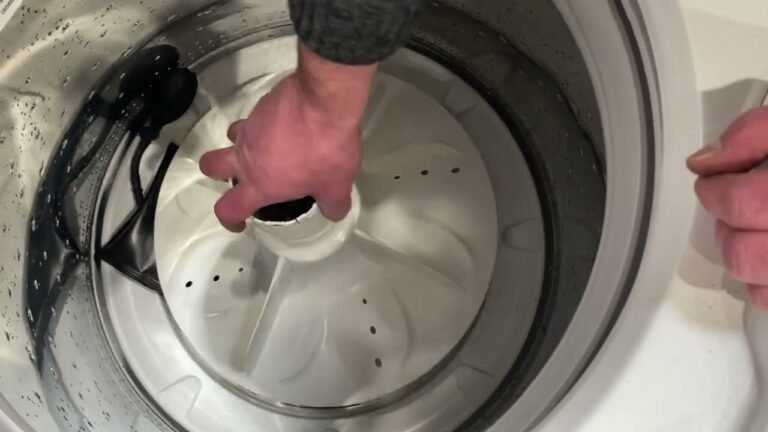
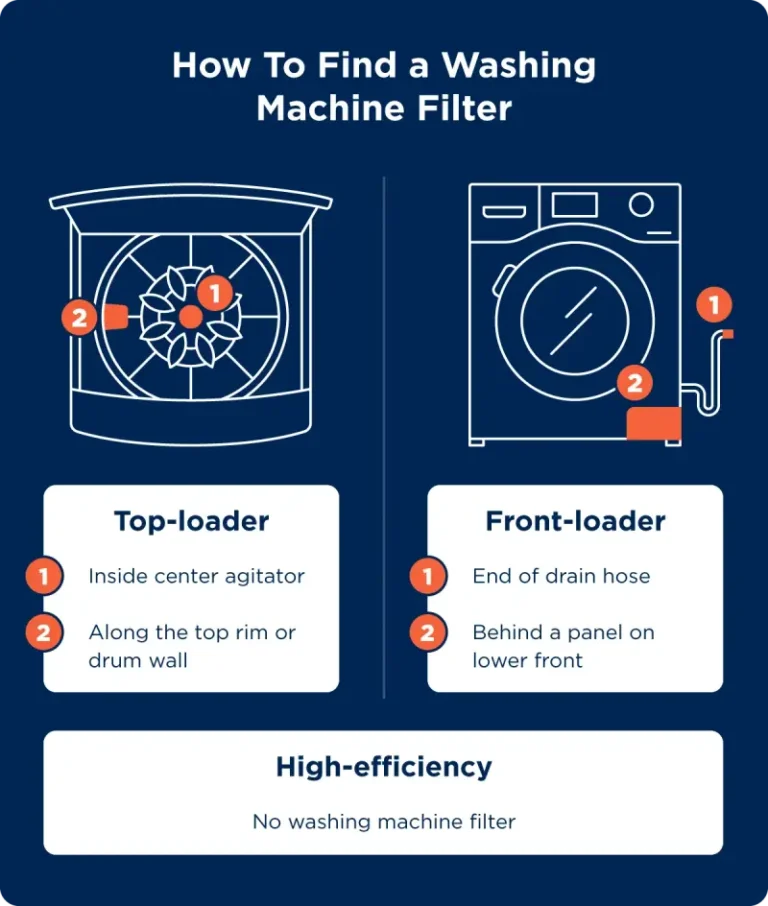
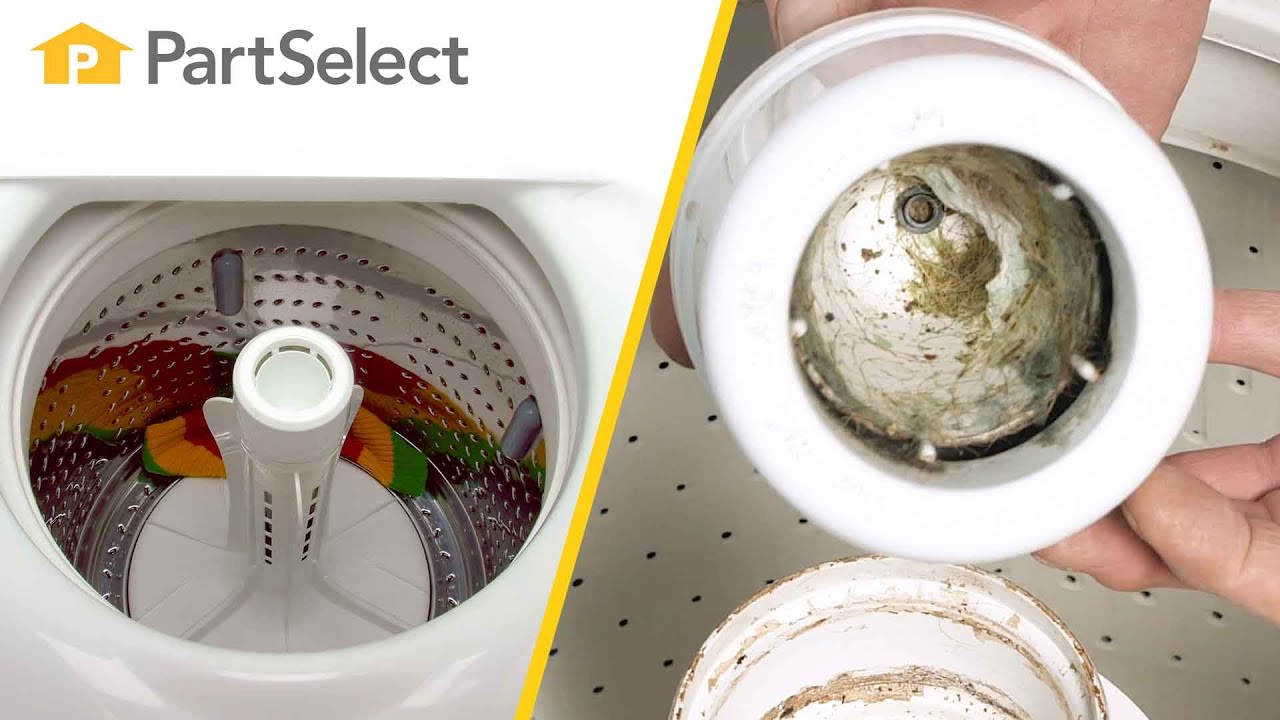
Cleaning parts like the lint filter, detergent dispenser, and hoses is vital. A dirty lint trap blocks water flow and collects fibers that cause odors. Remove the filter and rinse it under running water monthly.
Wipe the detergent dispenser to clear soap scum and mold. Cleaning washing machine hoses yearly helps avoid clogs and leaks. Disconnect hoses and flush them with water or vinegar solution to remove buildup.
Maintaining these parts keeps your GE top load washer working at its best. It also lowers repair costs over time.
Common Washing Machine Issues and Solutions
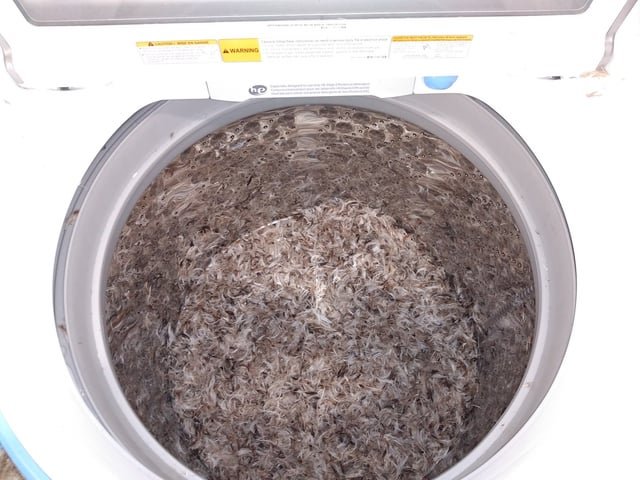
Washing machine odor and residue buildup are common. They often come from overusing detergent or skipping cleaning cycles. Use the GE washer cleaning cycle regularly to fix these issues.
Another problem is mold on rubber seals or inside the tub. Remove mold by cleaning with bleach or washing machine cleaning tablets. Avoid letting wet laundry sit inside the machine for long.
Check the lint filter often. A clogged filter can cause poor drainage and bad smells. Clean it as part of your top loader washer care routine.
For more advice on cleaning filters, visit our guide on how to clean my top loader washing machine.
Comparison of Popular Cleaning Methods
| Method | Effectiveness | Safety | Cost |
|---|---|---|---|
| Bleach Cleaning Cycle | High | Safe if used properly | Low |
| Washing Machine Cleaning Tablets | High | Safe, made for washers | Medium |
| Vinegar and Baking Soda DIY | Medium | Safe, natural | Low |
| Commercial Descaling Agent | High | Varies, check label | Medium to High |
This table shows pros and cons for common cleaning options. Choose based on your needs and safety preferences.
Industry experts agree that combining methods, like using tablets and bleach cycles alternately, works well for deep clean and maintenance.
Preventing Future Mildew and Odor
Keep your GE washing machine dry between uses. Always leave the lid open after a wash to air out the tub. Wipe down seals and the detergent dispenser regularly.
Use the hot water setting and rinse cycle for heavily soiled loads. This helps remove residue that attracts mold. Avoid overfilling the machine to allow good water flow.
Use a washing machine deodorizer or cleaning tablets monthly. These products help control bacteria and keep your washer smelling fresh.
Washing Machine Maintenance Checklist
| Task | Frequency | Notes |
|---|---|---|
| Run cleaning cycle | Monthly | Use bleach or cleaning tablets |
| Clean lint filter | Monthly | Rinse under water |
| Wipe detergent dispenser | Monthly | Use mild cleaner |
| Clean washing machine hoses | Every 6 months | Flush with vinegar or water |
| Leave lid open | After each use | Prevents mold |
Following this checklist helps keep your GE washer in top shape and stops common issues from developing.
⭐ Expert Insight
Experts highlight that top load washers like GE models benefit from routine maintenance. Running the washer cleaning cycle and keeping parts clean prevents costly repairs. Using the right detergent and cleaning products preserves machine parts and keeps laundry fresh.
Cleaning the spinning basket and tub reduces odors and mold build-up. Preventing mildew is easier than removing it after it forms. Regular care is key.
Conclusion
Cleaning your GE top loading washing machine is essential for fresh laundry and machine health. Use safe cleaning products and follow regular maintenance tips. Run cleaning cycles monthly and keep parts like the lint filter and detergent dispenser free of residue.
Removing mold and preventing mildew stops odors and protects your washer. Choose the best detergent and avoid overuse to reduce buildup. Proper care extends your machine’s life and keeps clothes clean.
For more detailed advice, check out our guide on how to clean washer machine with vinegar, which offers extra tips on natural cleaning methods.
Frequently Asked Questions
How often should I clean my GE top load washer?
Industry consensus advises cleaning your GE top load washer every 1 to 3 months to prevent mold and odors.
Can I use bleach to clean my GE washing machine tub?
Yes, using diluted bleach during a cleaning cycle helps remove mold and mildew safely when done according to manufacturer guidelines.
What is the best detergent for a GE top load washer?
High-efficiency (HE) detergents formulated for top loaders are best. Use the amount recommended to avoid residue buildup.
How do I remove mold from my washing machine?
Run a cleaning cycle with bleach or washing machine cleaning tablets. Clean the gasket, detergent dispenser, and hoses regularly.
Is it safe to use DIY washing machine cleaners?
Yes, common safe products like vinegar and baking soda can be used carefully. Avoid harsh chemicals that might harm machine parts.

Michael Peterson is a home appliance writer focused on practical washing machine care, maintenance, and troubleshooting. He shares simple, reliable tips to help readers keep their washing machines running efficiently, avoid common problems, and extend appliance life.