Understanding GE Washer Self-Clean Feature
GE Appliances have a built-in self-clean cycle to keep your washer fresh. This cycle helps clean the washing machine drum and removes mold, mildew, and detergent buildup. Running this cycle regularly stops odors from forming. It uses hot water and longer wash times to clean deeply inside.
Using the GE washer self-clean feature is the best way to keep your washer in top shape. Industry consensus indicates this method is safer than harsh chemicals. For a deeper understanding of this mechanic, analyzing resources on UltraFresh Front-Load Washer – Self-Clean Cycle provides excellent foundational context.
Regularly using this cycle fits well in your washing machine maintenance schedule. It helps prevent buildup on the drum and seals. This keeps your washer running smoothly and extends its life.
Checking your GE washer’s user manual is important. It explains how long the cleaning cycle lasts and any special steps you should follow. Most cycles last between 70 and 90 minutes.
Besides the self-clean cycle, you should also clean parts like the detergent dispenser and washing machine filter. These areas collect residue and lint that cause odors and block water flow.
📌 Step-by-Step: How to Use GE Washer Self-Clean
Follow these steps to run the self-clean cycle on your GE washing machine:
- Remove clothes and detergent from the machine.
- Open the door and inspect the drum for any visible dirt or debris.
- Close the door securely.
- Select the self-clean or tub clean cycle on your control panel.
- Start the cycle and let it run fully. Do not interrupt.
- After the cycle ends, leave the door open for a few hours to air dry the drum and seals.
This method cleans the interior well. Repeat monthly to prevent buildup and odors. Running it more often may be needed in hard water areas or heavy use.
Cleaning the detergent dispenser drawer and seals complements this process. These parts often hide mold and detergent residue.
To clean the dispenser, remove it and soak in warm water. Scrub gently with a brush to remove buildup. Wipe seals with cloth dipped in vinegar to kill mold and mildew.
Cleaning Other Washing Machine Parts
Besides the drum, some parts need regular cleaning. The detergent dispenser drawer, rubber seals, and washing machine filter catch dirt and soap scum. If left dirty, they cause smells and affect washer performance.
Cleaning the detergent dispenser drawer involves soaking it in warm, soapy water. Scrub gently to remove residue. The rubber gasket and seals should be wiped with a cloth and mild vinegar solution to remove mold.
Washing machine filter cleaning instructions vary by model. Usually, you find the filter behind a small door at the washer’s front or bottom. Remove lint, debris, and buildup regularly. This step improves water flow and stops clogging.
Keeping these parts clean is part of effective washing machine maintenance. A clean filter and seals help stop mold growth and odors.
🚀 Homemade Washing Machine Cleaners
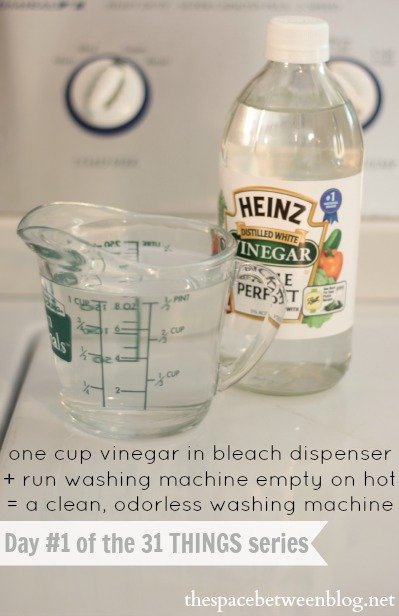
Many people use homemade cleaners for washing machine interior cleaning methods. White vinegar and baking soda are popular choices. Vinegar helps remove mineral buildup and kills mold. Baking soda breaks down residue and freshens the drum.
To use homemade cleaners, run a hot water cycle with 2 cups of vinegar or a mix of vinegar and baking soda. Avoid using bleach and vinegar together, as this creates harmful fumes.
Homemade cleaners are gentle, safe, and eco-friendly. They keep your washer fresh without chemicals. However, follow your washer’s manual before using any homemade cleaner to avoid warranty issues.
For more detailed advice, you can also read about how much vinegar to clean washing machine to get the right amounts and methods.
Signs Your Washing Machine Needs Cleaning
Knowing when to clean your washer is key to preventing problems. Look for these signs:

- ✅ Musty or sour odors from the drum or door.
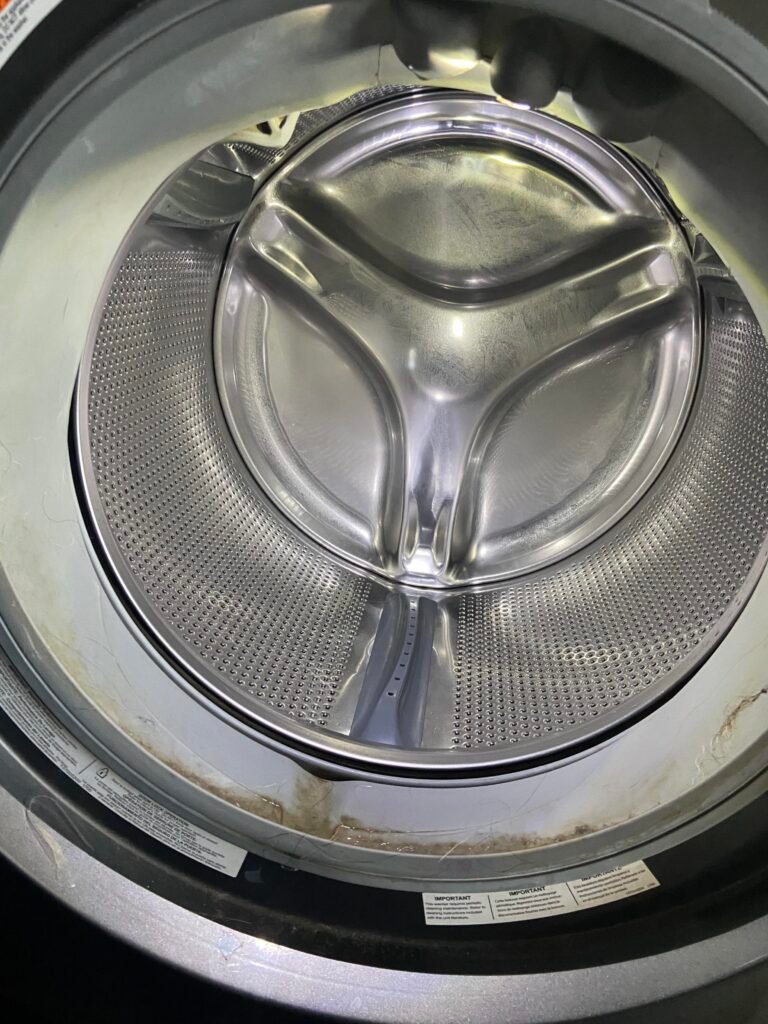
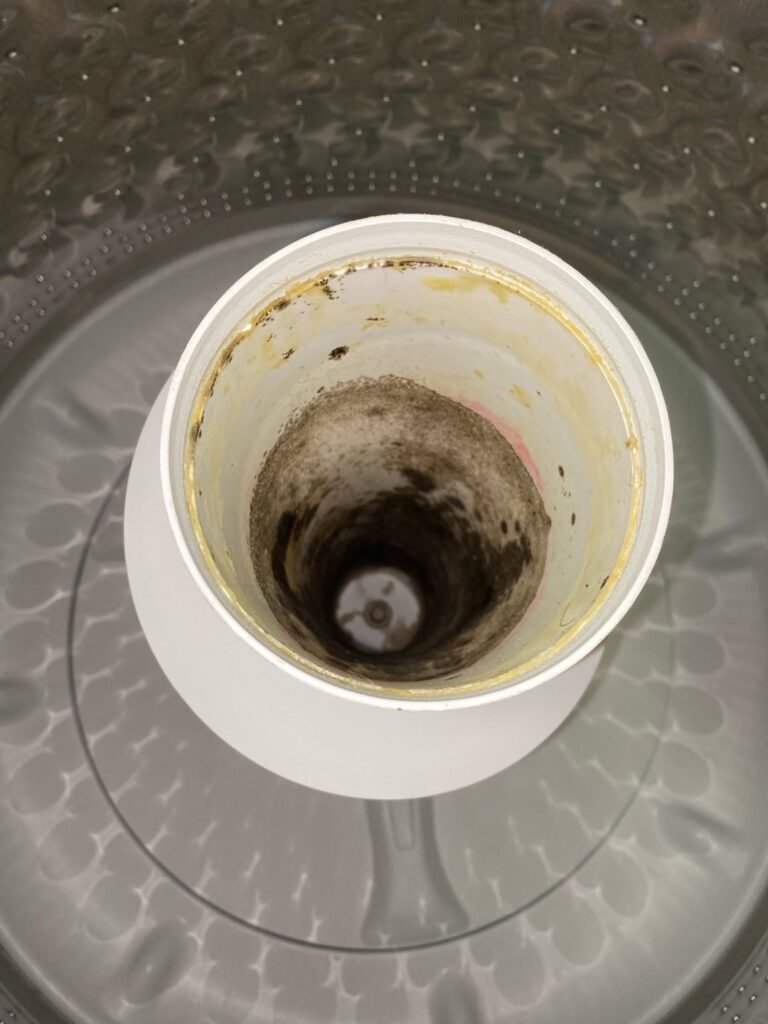
- ✅ Visible mold or mildew on the seals or detergent dispenser.
- ✅ Soap scum or residue buildup inside the drum.
- ✅ Clothes not coming out clean or having a bad smell.
- ✅ Water not draining well or slow spins.
If you see any of these, it’s time for a cleaning cycle and extra maintenance. Ignoring these signs leads to more mold growth and damage.
Regular cleaning keeps your machine fresh and working well. Industry experts suggest a cleaning frequency of once a month for most users.
✅ Washing Machine Maintenance Tips
Good washing machine maintenance is simple but important. Follow these tips:
- Run the GE washer cleaning cycle regularly.
- Keep the door open after washes to air dry the drum and seals.
- Clean the detergent drawer and seals monthly.
- Check and clean the washing machine filter as needed.
- Use the right amount of detergent to avoid residue buildup.
- Occasionally run a hot water cycle with vinegar or a trusted washing machine cleaner.
These habits prevent mold and odors. They also extend your washer’s life and protect your warranty.
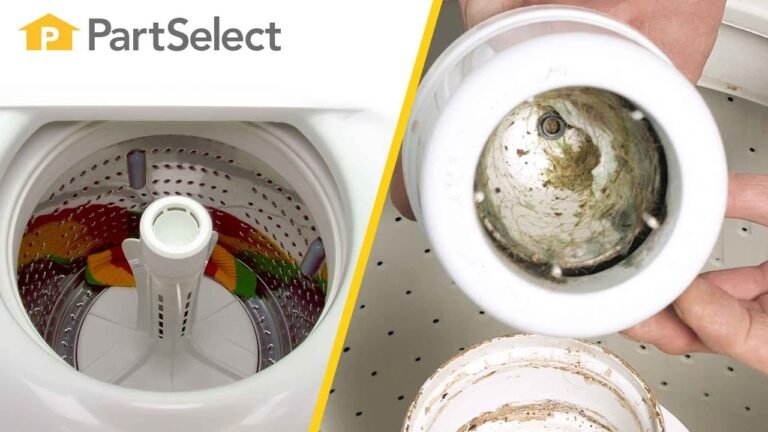
For top load washer maintenance, remember to clean the agitator and inside the drum. Front load washers need special care on rubber seals to stop mold.
Following a washing machine maintenance schedule helps keep your machine clean and fresh all year. It also cuts down on laundry problems.
🆚 Common Washing Machine Cleaning Methods Compared
Here is a comparison of popular washing machine cleaning methods:
| Method | Effectiveness | Cost | Safety |
|---|---|---|---|
| GE Washer Self-Clean Cycle | High | Low (uses existing cycle) | Safe for machine |
| Homemade Vinegar & Baking Soda | Moderate | Very Low | Generally safe, avoid bleach mix |
| Bleach Cycle | High | Low | Can damage seals if overused |
| Commercial Washing Machine Cleaner | High | Moderate | Safe if following instructions |
Using the built-in self-clean cycle is safest and easiest. Homemade cleaners are great for regular freshening. Bleach should be used carefully and rarely.
Maintaining your GE washing machine with these methods ensures your washer stays clean without damage. Combining methods gives the best results.
Conclusion: Effective Cleaning for Lasting Freshness
Running the GE washing machine self-clean feature is the best way to keep your machine fresh. It removes mold, mildew, and detergent buildup inside the drum and parts. This cycle fits well into a washing machine maintenance schedule to prevent odors and wear.
Cleaning other parts like the detergent dispenser, seals, and filter is also key. Homemade cleaners like vinegar help maintain cleanliness safely. Watching for signs like odors or residue signals when cleaning is needed.
Following these tips and using the built-in cleaning cycle keeps your washer working well. It also protects your clothes and your washing machine warranty. For a natural next step, learn how to clean whirlpool cabrio washing machine filter top loader for more filter care tips.
Maintaining your GE washer with care ensures clean laundry and a long-lasting machine. Start your cleaning routine today for fresh, clean clothes every time.
Frequently Asked Questions
What is the GE washer self-clean feature?
The GE washer self-clean feature is a special cleaning cycle designed to remove residue, mold, and odors from the washing machine drum and internal parts. It uses high water temperatures and longer wash times.
How often should I run the self-clean cycle on my GE washer?
Industry consensus recommends running the self-clean cycle at least once a month. This helps prevent mold growth, detergent buildup, and unpleasant odors.
Can I use homemade cleaners in the GE washer self-clean cycle?
Yes, you can use safe homemade cleaners like white vinegar or baking soda during the self-clean cycle. Avoid harsh chemicals that can damage seals and components.
How do I clean the detergent dispenser and seals on my GE washer?
Remove the detergent dispenser drawer and soak it in warm water with mild soap. Clean the gasket and seals around the door with a soft cloth and diluted vinegar solution to remove mold and mildew.
What signs show my washing machine needs cleaning?
Common signs include musty odors, visible mold or mildew inside the drum or seals, detergent residue buildup, and clothes coming out less clean than usual.

Michael Peterson is a home appliance writer focused on practical washing machine care, maintenance, and troubleshooting. He shares simple, reliable tips to help readers keep their washing machines running efficiently, avoid common problems, and extend appliance life.