Understanding the Washing Machine Drum Function
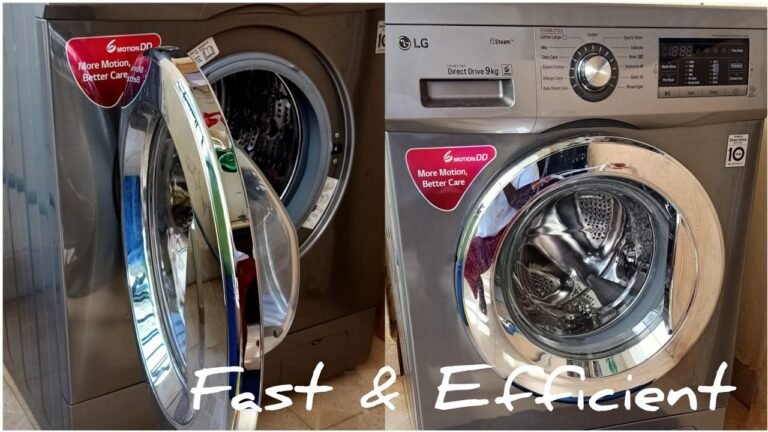
The washing machine drum is the part where you put your clothes. It holds the laundry and spins them to clean. The drum moves in two main ways: it agitates or tumbles the clothes, and then spins to remove water.
During washing, the drum fills with water and detergent. The rotation helps scrub dirt off clothes. In the spin cycle, the drum spins very fast to push water out through small holes.
For a deeper understanding of this mechanic, analyzing resources on washing machine drum basics provides excellent foundational context.
Proper drum function is key to clean clothes and a healthy machine.
Types of Washing Machine Drums
There are two main types of drums: front load and top load. A front load washing machine drum sits horizontally. It tumbles clothes gently. This type uses less water and energy.
Top load drums are vertical and often have an agitator. The agitator moves clothes up and down. This can clean heavily soiled clothes well but may use more water.
Both types have pros and cons depending on your needs and space.
Exploring how to wash towels in washing machine can help you optimize your drum type for specific laundry tasks.
| Drum Type | Drum Position | Movement | Water Use | Energy Use |
|---|---|---|---|---|
| Front Load | Horizontal | Tumbling | Low | Low |
| Top Load | Vertical | Agitating | High | Moderate |
Front load drums tend to be quieter and gentler on clothes. Top load drums clean faster but may be rougher.
Choosing the right drum depends on your laundry habits and priorities.
Washing Machine Drum Materials
Drum materials affect durability and cleaning. Stainless steel drums are strong and last long. They resist rust and damage well.
Plastic drums are cheaper and lighter. They are quieter but can wear out faster. Some drums have porcelain coatings on steel to prevent rust but may chip over time.
Many prefer stainless steel for its toughness and smooth surface. However, plastic drums can be good for budget models.
| Material | Durability | Noise Level | Cost | Rust Resistance |
|---|---|---|---|---|
| Stainless Steel | High | Low | High | Excellent |
| Plastic | Medium | Very Low | Low | Good |
| Porcelain-Coated Steel | Medium | Medium | Medium | Fair |
Plastic drums reduce noise but may get scratched more easily. Stainless steel drums handle high spin speeds better.
Regular cleaning keeps drum surfaces smooth and helps avoid damage signs like rust or cracks.
Drum Capacity in Washing Machines
Drum capacity means how much laundry a drum can hold. It is measured in kilograms or pounds. Larger drums clean more clothes at once but may use more water and power.
Smaller drums save energy but require more loads. Most home washing machines have drum sizes from 6 to 12 kg. Choose a drum size that fits your family and laundry needs.
Energy efficiency and washing machine drum size go hand in hand. Bigger drums with smart controls can still save power by adjusting water levels.
Drum Rotation Mechanism
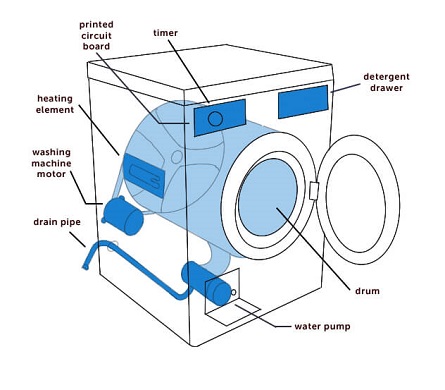
The drum rotates using a motor and a belt or pulley system. The motor spins the drum shell where clothes sit. The drum has paddles inside to move clothes during washing.
In the spin cycle, the drum spins fast to remove water. The machine uses sensors and a drum balancing system to keep the drum steady. This reduces vibration and noise.
Shock absorbers and balance rings work with the drum to control movement. This keeps the machine safe and quiet.
Front Load vs Top Load Washing Machine Drums
Front load drums tumble clothes horizontally. They use gravity to move clothes through water and detergent. This is gentle and efficient.
Top load drums agitate clothes vertically. Some have a central agitator, others use impellers. Agitation helps scrub dirt but can be rough on fabrics.
Front load drums usually have more drum holes for water drainage. They also spin faster for better water extraction.
Choosing between front and top load depends on space, budget, and fabric care needs.
| Feature | Front Load Drum | Top Load Drum |
|---|---|---|
| Position | Horizontal | Vertical |
| Movement | Tumble | Agitate |
| Water Use | Low | High |
| Spin Speed | High | Moderate |
| Fabric Care | Gentle | Rougher |
Front load machines often save more water and energy. Top load machines can clean heavy soils faster.
Washing Machine Drum Cleaning
Keeping the drum clean is key to good laundry and machine health. Dirt, lint, and detergent residue build up inside the drum and holes.
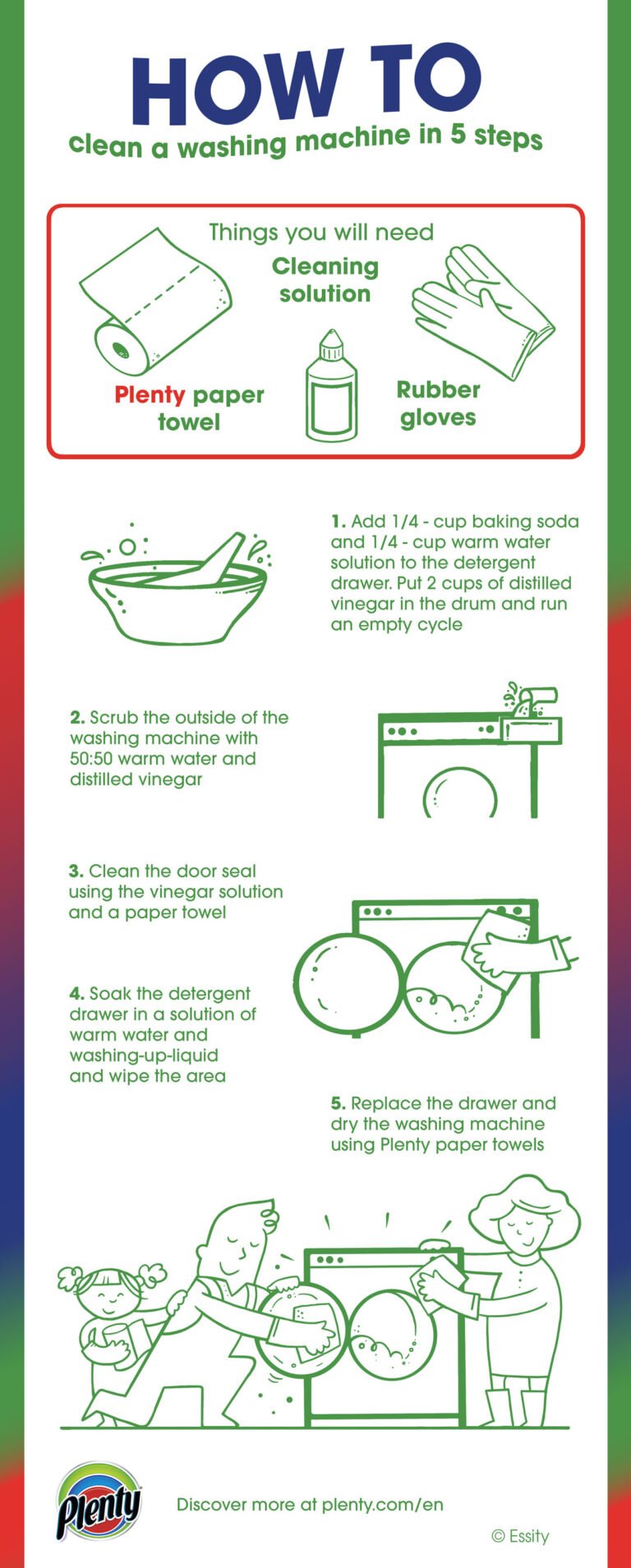
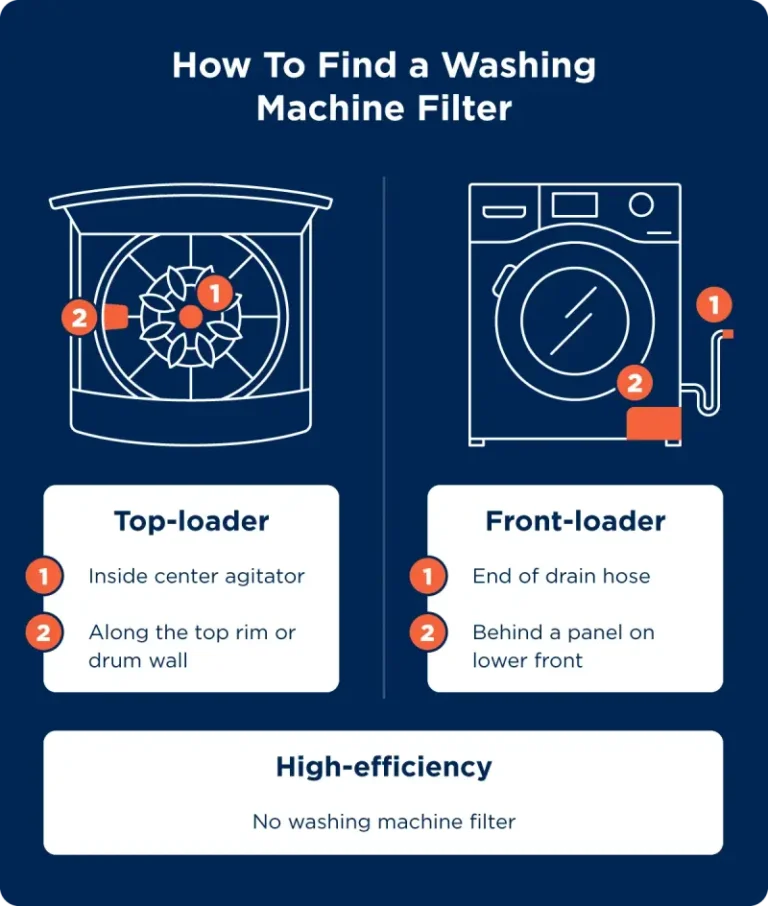
Run a drum cleaning cycle regularly or use vinegar and baking soda. This helps remove mold and bad smells. Cleaning the drum seal and filter also helps.
For step-by-step ways to keep your drum fresh, see our guide on how to clean washer machine with vinegar.
Common Washing Machine Drum Problems
Drums may face noise, vibration, or damage over time. Noise often comes from worn drum bearings or loose motor pulleys. Vibration can be due to an unbalanced load or broken shock absorbers.
Drum damage signs include dents, rust, or holes. These can harm clothes and cause leaks. Replacing drum bearings or seals can fix many issues.
Regular maintenance and correct loading prevent most problems.
Understanding the tub vs drum in washing machine difference also helps diagnose issues properly.
Innovations in Washing Machine Drum Design
In 2026, washing machine drums have new features for better cleaning and energy use. Some drums have soft paddles that protect fabrics. Others use smart sensors to adjust rotation speed and water use.
New drum holes designs improve water drainage and reduce fabric wear. Some drums use eco-friendly materials to cut waste.
These innovations make machines quieter, gentler, and greener.
For a complete understanding of washing machine operation, check our article on how it works washing machine.
Conclusion
The washing machine drum is vital for cleaning clothes. It holds laundry, moves it during washing, and spins to dry. Different types and materials affect performance, noise, and care.
Front load and top load drums serve different needs. Stainless steel is the best drum material for durability. Regular cleaning and maintenance keep the drum working well and quiet.
New drum designs in 2026 focus on saving energy and protecting fabrics. Understanding these parts helps you choose and care for your washing machine better.
Proper use and care extend your machine’s life and keep clothes fresh and clean every wash.
- ✅ Running cleaning cycles monthly
- ✅ Checking for noise or vibration
- ✅ Inspecting seals and bearings
- ✅ Using proper detergent amounts
Frequently Asked Questions
What is the main function of a washing machine drum?
The drum holds clothes and rotates to clean and rinse them using water and detergent.
What are the common materials used for washing machine drums?
Drums are mostly made from stainless steel, plastic, or porcelain-coated steel.
How does a front load washing machine drum differ from a top load drum?
Front load drums are horizontal and tumble clothes, while top load drums use an agitator to move clothes vertically.
What causes washing machine drum noise?
Noises can come from worn drum bearings, loose motor pulleys, or unbalanced loads.
How can I clean the washing machine drum effectively?
Use a drum cleaning program or run a hot cycle with vinegar or special cleaners to remove dirt and odors.

Keith Boyd Is A Seasoned Appliance Care Expert With Over A Decade Of Experience In Home Appliance Maintenance. His Authoritative Insights On Washing Machine Care And Upkeep Are Trusted By Homeowners Nationwide. With A Passion For Educating Others, Keith Shares Valuable Tips That Ensure Your Appliances Run Smoothly For Years To Come.