Why Cleaning Your Washing Machine Rubber Gasket Matters
The rubber gasket on your washing machine door plays a big role in keeping water inside. It can trap moisture and dirt, which leads to mold and mildew buildup. This causes bad odors and can even cause leaks. A clean gasket helps your machine last longer and keeps laundry fresh. Regular washing machine maintenance routine should always include gasket care.
Industry consensus indicates that front load washers are more prone to gasket mold due to their airtight seals. For a deeper understanding of this mechanic, analyzing resources on washing machine cleaning routines provides excellent foundational context.
Ignoring the gasket can lead to a smelly washing machine and even damage the rubber seal. This might cause leaks, which will cost more to fix. Preventing this with simple cleaning steps is wise.
Tools and Materials Needed for Gasket Cleaning
To clean the gasket well, gather these items:
- ✅ White vinegar or bleach (diluted)
- ✅ Baking soda
- ✅ Microfiber cloth
- ✅ Soft brush or old toothbrush
- ✅ Hot water
- ✅ Spray bottle
These simple tools help remove mold and dirt without harming the rubber. A soft brush cleans crevices well. Avoid harsh chemicals that can weaken the gasket. Use gentle solutions for washing machine gasket mold cleaner purposes.
Using the right cleaning tools is essential for effective gasket maintenance. For more tips on proper cleaning tools, check out best ways to clean washer gasket on cleaning forums.
Step-by-Step Guide to Clean Your Washing Machine Rubber Gasket
Follow these steps to remove mold and keep your gasket fresh:
- Open the washing machine door and pull back the rubber gasket to expose hidden areas.
- Mix equal parts white vinegar and hot water in a spray bottle.
- Spray the solution generously on the gasket, focusing on moldy spots.
- Let it sit for 10 minutes to loosen the mold.
- Use a soft brush or toothbrush to scrub the gasket gently.
- Wipe the gasket with a microfiber cloth to remove residue.
- Sprinkle baking soda on the gasket, then spray with vinegar again for fizzing action.
- Rinse with hot water and dry the gasket thoroughly with a clean cloth.
- Leave the washing machine door open to allow air circulation and drying.
This cleaning routine removes mold and stops odors. Repeat monthly to keep your gasket mold-free.
For detailed video tutorials on cleaning rubber gaskets, watching front-load washer rubber gasket cleaning videos can be very helpful.
Common Causes of Washing Machine Gasket Mold
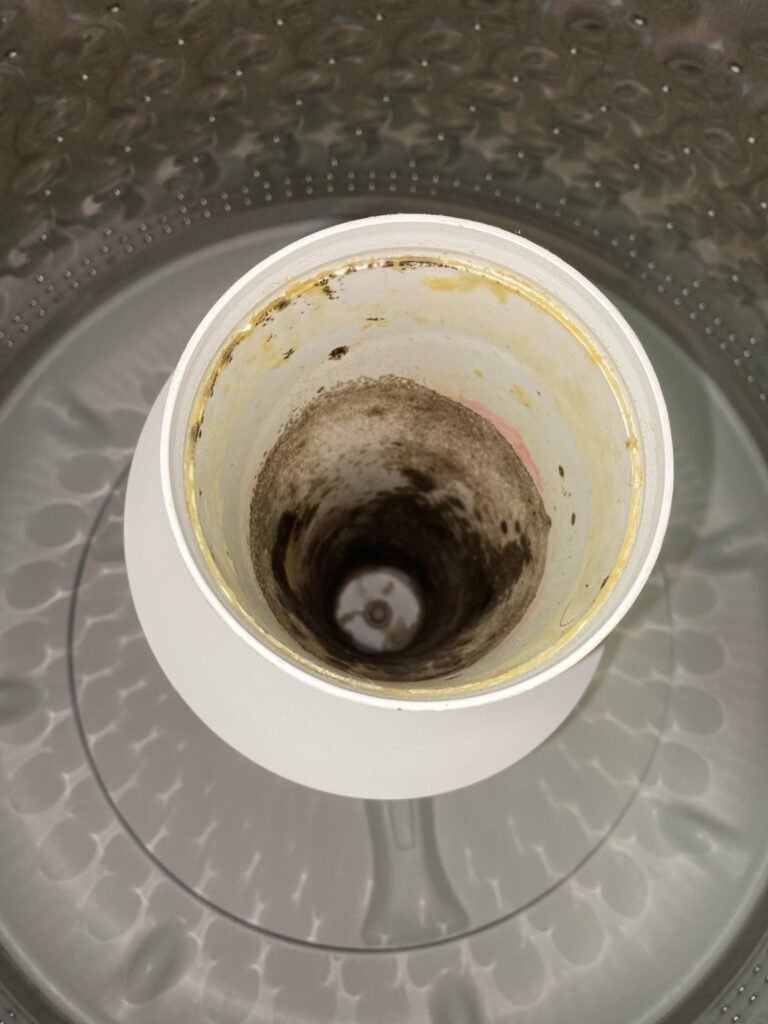
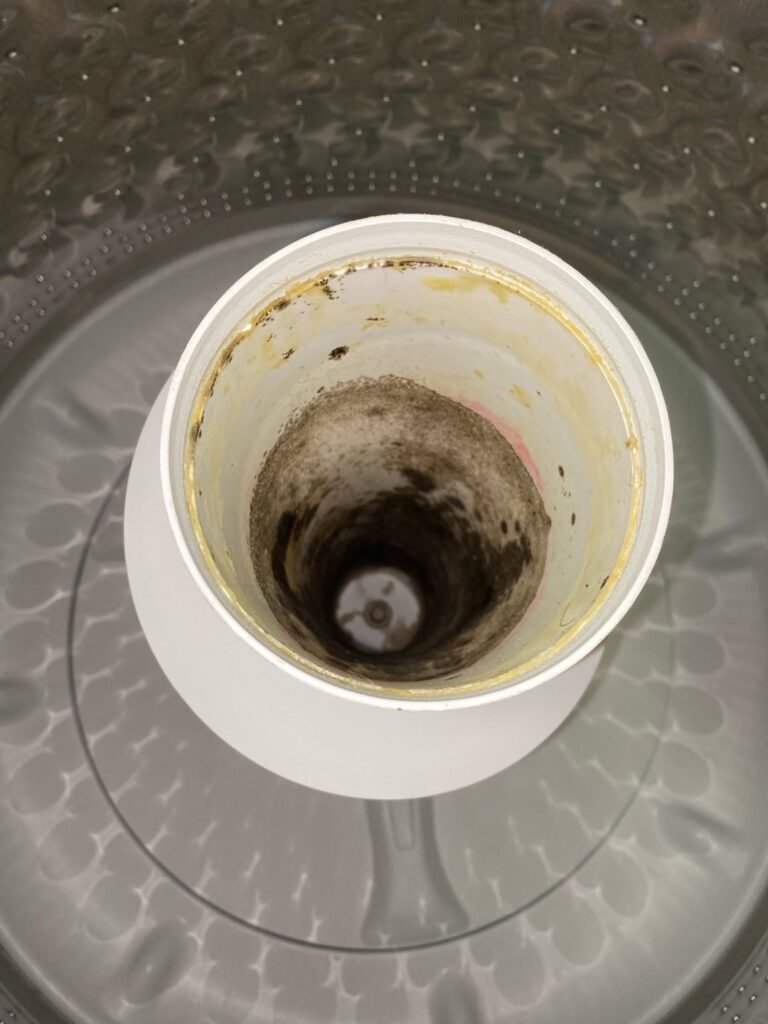
Mold grows because the gasket traps water and soap residue. Warm, moist environments are perfect for mold. Using too much laundry detergent can add buildup, feeding mold growth. Closing the door right after washing stops air flow, keeping moisture inside the gasket.
Another cause is not drying the gasket after use. Over time, this creates a thick mold layer that smells bad. Simple changes in use, like wiping the gasket dry, can prevent problems.
Understanding these causes helps you stop mold before it starts. Check out more about how moisture affects mold on washing machine seals in guides like clean mold from washing machine rubber.
How to Prevent Mold and Maintain Your Washing Machine Gasket
After cleaning, keep the gasket dry to stop mold. Always leave the door open after laundry to let air circulate. Wipe the gasket monthly with a clean cloth dipped in vinegar to kill germs. Avoid using too much detergent and use high-efficiency soap if your washer needs it.
Also, check the gasket for cracks or damage. Replace it if you see leaks or tears. Regular gasket care stops mildew buildup and keeps your washing machine odor-free.
Implementing a simple washing machine maintenance routine like this extends your machine’s life and saves money on repairs.

Gasket Cleaning Tips Overview
The table below summarizes key tips for cleaning and caring for your washing machine gasket.
| Tip | Why | How Often |
|---|---|---|
| Clean gasket with vinegar solution | Removes mold and buildup | Monthly |
| Leave door open after washing | Prevents moisture buildup | Every wash |
| Wipe gasket dry | Stops mold growth | After each wash |
| Use soft brush for scrubbing | Protects rubber seal | As needed |
| Check gasket for damage | Prevents leaks | Every 3 months |
Regular checks and cleaning keep your gasket in good shape. Neglecting these steps may cause expensive repairs later.
Explore additional tips on how to clean front load washers in our article on front load washer cleaning.
The Best Cleaners for Washing Machine Gasket Mold
Choosing the right cleaner helps remove mold safely. White vinegar is the top choice for its natural disinfecting power. Baking soda adds scrubbing power and deodorizes. For tougher mold, diluted bleach works but should be used carefully.
Avoid strong chemicals that can damage the rubber gasket. Some commercial washing machine gasket mold cleaners are designed to be safe but always check labels. Test any cleaner on a small gasket area first.
Using natural solutions like vinegar and baking soda fits well into an eco-friendly washing machine maintenance routine. Learn more about eco-friendly cleaning in our guide on clean laundry machine with vinegar.
Signs Your Washing Machine Rubber Seal Might Be Leaking
Leaks often start with gasket damage or mold buildup. Watch for water pooling near the washing machine door or wet floors after washing. A musty or sour smell is another sign of mold inside the gasket.
Inspect the rubber seal for cracks, tears, or soft spots. These can cause leaks or let mold grow faster. Fixing gasket leaks early saves money and prevents bigger problems.
If you find leaks, contact a professional or follow repair guides for your model. Maintaining the rubber seal well stops leaks and keeps your machine working well.
Comparing Top Cleaning Methods for Washing Machine Gaskets
Below is a table comparing the most common gasket cleaning methods by effectiveness, ease, and safety.
| Method | Effectiveness | Ease of Use | Safety on Rubber |
|---|---|---|---|
| Vinegar & Baking Soda | High | Easy | Safe |
| Diluted Bleach | Very High | Moderate | Moderate |
| Commercial Mold Cleaners | High | Easy | Varies |
| Soap & Water Only | Low | Very Easy | Safe |
Industry experts prefer vinegar and baking soda for routine cleaning. Bleach is best for tough mold but use with caution.
For ongoing gasket care, choose methods that balance effectiveness and rubber safety. See our recommended cleaning gear for washing machines in front loader washing machine rubber seal cleaning.
Conclusion: Keep Your Washing Machine Gasket Clean and Mold-Free
Cleaning the rubber gasket on your washing machine is key to avoiding mold, mildew, and bad smells. Use simple tools like vinegar, baking soda, and a soft brush to clean monthly. Always dry the gasket and leave the door open to prevent moisture buildup.
Regular gasket care fits into a smart washing machine maintenance routine that saves money and keeps laundry fresh. Watch for signs of leaks or damage and act quickly. With just a little time, you can keep your washing machine working well and smelling clean for years.
Remember, a clean gasket means cleaner clothes and a happier home.
Frequently Asked Questions
Why does mold grow on washing machine rubber gaskets?
Mold grows due to moisture trapped in the rubber gasket, combined with detergent residue and lack of air flow.
How often should I clean my washing machine door seal?
It is best to clean the washing machine door seal monthly to prevent mold and mildew buildup.
What is the best cleaner for washing machine gasket mold?
A mix of white vinegar and baking soda or a mild bleach solution works well to remove gasket mold.
Can I prevent washing machine gasket mold buildup?
Yes, by leaving the door open after each wash and wiping the gasket dry, you can prevent mold buildup.
Is it safe to use bleach on washing machine rubber seals?
Yes, but use a diluted bleach solution and rinse thoroughly to avoid damaging the rubber.

Michael Peterson is a home appliance writer focused on practical washing machine care, maintenance, and troubleshooting. He shares simple, reliable tips to help readers keep their washing machines running efficiently, avoid common problems, and extend appliance life.