
Understanding the Importance of Nespresso Machine Cleaning
Cleaning your Nespresso machine is key to enjoying fresh coffee and extending your machine’s life. Over time, lime scale and coffee residue build up inside. This can block water flow and affect taste. Industry consensus shows regular maintenance keeps your machine safe and efficient.
Experts recommend a regular cleaning routine. This includes descaling and wiping down key parts. For a deeper understanding of this mechanic, analyzing resources on Nespresso machine cleaning provides excellent foundational context.
To start, it’s helpful to know what parts need cleaning and how often. This ensures your coffee maker stays fresh and operates well.
Nespresso Machine Cleaning Frequency and Schedule
Most experts agree that cleaning every 3 months is ideal. This fits the average use of about 300 coffee capsules. However, if you have hard water, you might need to clean more often. Lime scale forms faster in hard water areas.
Besides the deep clean, wipe the drip tray and capsule holder weekly. Empty the used capsule container often to avoid odor and mess. A simple cleaning schedule helps keep your machine in top shape.
Following the user manual’s recommended maintenance schedule is crucial to keep your warranty intact. It also avoids damage from overuse or neglect.
For details on the cleaning process and schedules, check out this guide on how to clean my Nespresso machine.
Key Parts to Clean in Your Nespresso Machine
Focus on these main parts to keep your machine clean and hygienic:
- ✅ Water tank: Remove and rinse regularly to prevent mold and lime scale buildup.
- ✅ Drip tray: Clean often to avoid stale water and coffee stains.
- ✅ Capsule holder: Remove coffee grounds and residue after each use.
- ✅ Coffee spout: Wipe to remove coffee oils and residue.
- ✅ Milk frother: Clean after every use to avoid milk buildup and odors.
Cleaning these parts regularly prevents odors and keeps coffee tasting great. It also stops bacteria from growing inside your machine.
How to Descale Your Nespresso Machine Properly
Descaling removes mineral buildup inside the machine that blocks water flow. This buildup lowers coffee quality and harms your machine. Use a recommended Nespresso descaling solution or a homemade mixture like vinegar and water.
Here’s a simple step-by-step guide to descale your Nespresso machine:
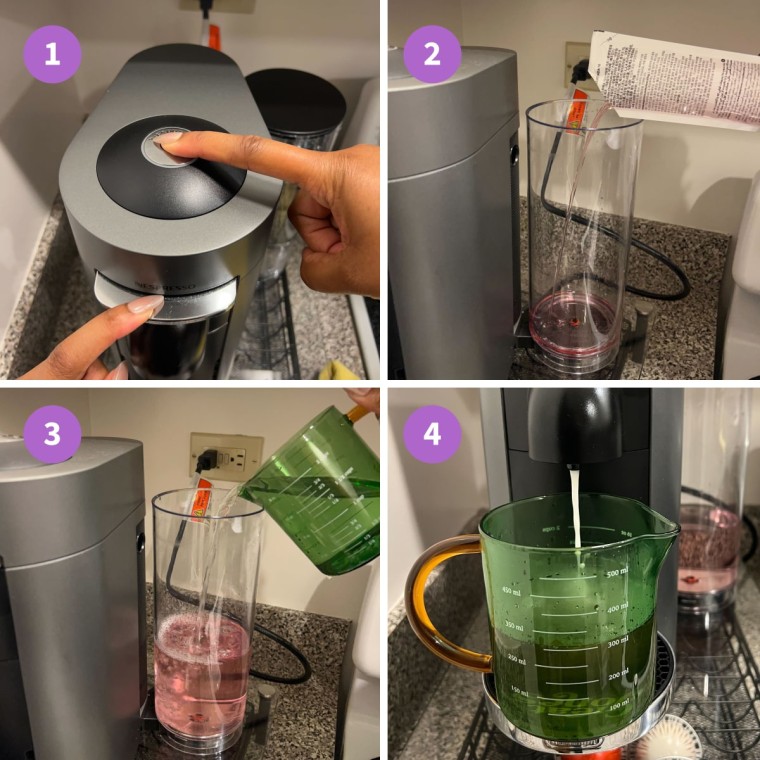
- Fill the water tank with the descaling solution mixed with water.
- Place a container under the coffee spout to catch liquid.
- Start the descaling cycle or run a brew cycle without a capsule.
- Allow the solution to run through the machine fully.
- Rinse the water tank and fill it with clean water.
- Run several rinse cycles to flush out any leftover solution.
Always follow the instructions in your user manual for the best results. Using the wrong descaling solution or skipping the rinse cycle can damage your machine.
Industry consensus agrees that descaling every 3 months prevents mineral buildup and extends your machine’s life.
Nespresso Maintenance Tips for Daily Cleaning
Besides descaling, daily maintenance keeps your machine clean and fresh. Empty the drip tray and used capsule container regularly. Wipe the coffee spout and brew head with a soft cloth or brush to remove coffee residue.
If your machine has a milk frother, clean it after each use. Detach removable parts and wash them with warm, soapy water. This prevents milk odor and clogging.
A cleaning kit designed for Nespresso machines can simplify daily upkeep. It often includes brushes and cleaning tablets for a deep clean. For more handy tips, check this guide on cleaning Nespresso machine with vinegar.
Common Nespresso Parts and Cleaning Frequency
| Machine Part | Cleaning Frequency | Cleaning Method |
|---|---|---|
| Water Tank | Weekly | Remove and rinse with fresh water |
| Drip Tray | Weekly | Remove, empty. And wash with warm soapy water |
| Capsule Holder | After each use | Remove used capsules and wipe clean |
| Coffee Spout | Daily | Wipe with damp cloth to remove residue |
| Milk Frother | After each use | Detach and wash all parts thoroughly |
Following this schedule helps prevent buildup and keeps your machine running well. Regular cleaning also improves the taste and smell of your coffee.
Cleaning your machine properly is important for hygiene and function. It prevents clogs and keeps your coffee tasting fresh.
Tips for Nespresso Machine Odor Removal
Sometimes your machine can develop bad smells from old coffee residue or milk buildup. To remove odors, clean the drip tray and capsule holder often. Run a rinse cycle with clean water to flush out leftover coffee oils.
If odors persist, use a mild vinegar solution to wipe the water tank and internal parts. Make sure to run several rinse cycles after to remove vinegar taste.
Regular cleaning of the milk frother is essential. Milk can spoil inside if not cleaned well, causing strong odors. Use warm water and soap for best results.
Keeping your machine dry after cleaning also helps stop mold and odor from developing.

DIY Nespresso Descaling Solutions
| Solution | Ingredients | Notes |
|---|---|---|
| Vinegar Mix | 1 part white vinegar + 1 part water | Effective but may void warranty |
| Citric Acid Mix | 1 tbsp citric acid + 1 liter water | Gentle on machine, eco-friendly |
| Commercial Descaler | Pre-made Nespresso descaling solution | Recommended for warranty safety |
While homemade solutions can work, Nespresso recommends their own descaling products to protect your machine. Using the official products helps keep your warranty valid.
For a detailed video on cleaning and descaling, the official Nespresso tutorial on Nespresso Vertuo Pop+ cleaning is a great visual guide.
Using the Right Tools: Cleaning Brushes and Kits
Specialized cleaning brushes help reach small parts like the brew head and coffee spout. They remove coffee oils and grounds that water alone can’t clear.
Cleaning kits often include brushes, tablets. And cloths designed for Nespresso machines. These kits make regular cleaning easier and more thorough.
Use brushes gently to avoid damaging seals or sensitive parts inside the machine. Follow the user manual’s advice on cleaning tools.
Good tools and regular care keep your coffee tasting pure and your machine in good shape.
Conclusion: Keep Your Nespresso Machine Clean for Great Coffee
Cleaning your Nespresso machine is simple but vital. Regular wiping, descaling every 3 months. And caring for key parts ensures fresh coffee and a long-lasting machine. Avoiding buildup protects your machine and taste.
Using the right cleaning products and following a schedule helps maintain hygiene and function. Remember to flush your machine with water during rinses and use gentle brushes for residue removal.
Proper maintenance also protects your warranty and keeps your coffee maker running smoothly for years.
By following these expert tips, you ensure every cup of coffee tastes great and your Nespresso machine stays in perfect condition.
Frequently Asked Questions
How often should I clean my Nespresso machine?
It is recommended to clean your Nespresso machine every 3 months or after 300 uses to keep it working well and to avoid lime scale buildup.
Can I use homemade descaling solutions on my Nespresso machine?
You can use homemade solutions like vinegar and water, but Nespresso recommends their own descaling solution to avoid damage and to keep your warranty valid.
What parts of the Nespresso machine need regular cleaning?
You should clean the water tank, drip tray, capsule holder, coffee spout, and milk frother regularly to maintain hygiene.
How do I remove coffee residue from my Nespresso machine?
Use a soft cleaning brush or cloth to wipe the brewing head and coffee spout. Running rinse cycles with water also helps flush out residues.
Is descaling necessary if I only use decaf coffee capsules?
Yes, descaling is needed regardless of the capsule type to remove mineral buildup and keep the machine functioning properly.

Michael Peterson is a home appliance writer focused on practical washing machine care, maintenance, and troubleshooting. He shares simple, reliable tips to help readers keep their washing machines running efficiently, avoid common problems, and extend appliance life.