Understanding Washing Machine Costs
Running a washing machine costs money. The main factors are electricity use and water consumption. In 2026, energy efficiency is key to saving money. Washing machines have different power usage based on type and cycle.
Most people pay for electricity by kilowatt-hour (kWh). The cost per kWh depends on your local electricity tariff. You can check your monthly electricity bill to find out your rates. Knowing your washing machine wattage helps estimate costs.
For a deeper understanding of this mechanic, analyzing resources on appliance electricity use provides excellent foundational context.
Energy star ratings and 2026 washing machine energy ratings show how efficient a device is. Machines with higher ratings use less power and water. This helps reduce the financial impact of running your washing machine.
Average Cost Per Load
The cost to run a washing machine per load varies. It depends on the washing cycle duration, load capacity, and spin speed. On average, a load uses about 0.3 to 2 kWh. This means the cost runs from a few cents up to 25 cents per load.
Front load washing machines generally use less energy than top load ones. This is due to better water usage and spin efficiency. In 2026, many smart washing machines offer energy saver modes to lower power consumption even more.
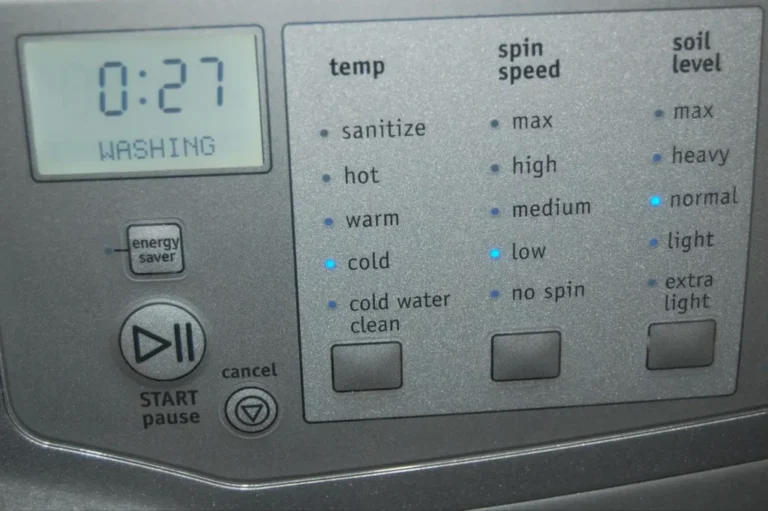
Choosing the right cycle also matters. Eco-friendly cycles use less water and power but take longer. Quick cycles use more power but save time. Understanding these trade-offs helps manage your operating cost.
Regular maintenance keeps machines running efficiently. Cleaning filters and using the right detergent reduces energy use. Poor maintenance raises your monthly electricity bill and washing machine operating expenses.
Washing Machine Power Usage Comparison
Here is a comparison of typical power use for different washing machine types and cycles:

| Machine Type | Cycle Type | Power Usage (kWh) | Approx. Cost per Load ($) |
|---|---|---|---|
| Front Load | Eco-Friendly | 0.3 | 0.04 |
| Front Load | Normal | 0.5 | 0.07 |
| Top Load | Normal | 0.7 | 0.10 |
| Top Load | Heavy Soil | 1.2 | 0.17 |
| High-Speed Spin | Any | 0.1 | 0.02 |
This table gives a clear view of power consumption differences. The cost assumes an average electricity tariff of $0.13 per kWh. Your rates might differ depending on your location and provider.
To learn more about how many watts washing machine models use, see our detailed guide on washing machine wattage.
Water Usage and Energy Efficiency
Water usage washing machine cycles is important for total costs. Washing machines consume water and electricity, both costing money. Front load machines use less water, lowering bills. Top load models often use more water but may wash faster.
Water heating adds to energy use. Hot cycles cost more electricity than cold washes. Using cold water cycles saves money and still cleans well with modern detergents. The energy efficiency ratio helps consumers compare machine performance in water and power use.
New 2026 washing machine energy ratings encourage lower water and power use. Eco-friendly washing machines are designed to reduce waste and operating expenses. This reduces the washing machine financial impact on your household budget.
Cost Saving Washing Machine Tips
Follow these tips to cut costs when running your washing machine:
- ✅ Wash full loads to maximize efficiency.
- ✅ Use eco or energy saver modes.
- ✅ Run machines during off-peak electricity rates.
- ✅ Maintain your machine regularly to ensure efficiency.
- ✅ Use cold water when possible.
These simple steps lower your washing machine running cost per hour and per load. Smart washing machines also track energy use and suggest savings. Combining these features with good habits yields the best results.
Besides energy, reducing detergent usage properly helps. Too much detergent causes extra rinsing and power use. Follow detergent instructions for best results and cost savings.

Appliance Running Cost Comparison
Comparing washing machines with other home appliances helps understand costs better. Washing machines use moderate energy per hour but are used less often than some devices.
For example, refrigerators run 24/7 but use low power. Dryers consume more power per load than washers. Knowing these costs helps prioritize energy-saving actions.
| Appliance | Power Usage (kWh/hour) | Average Cost per Hour ($) |
|---|---|---|
| Washing Machine | 0.5 | 0.07 |
| Clothes Dryer | 3.0 | 0.39 |
| Refrigerator | 0.1 | 0.01 |
| Dishwasher | 1.5 | 0.20 |
Understanding these numbers helps you manage your monthly electricity bill wisely. Washing machines rank as moderate energy users, so efficient use matters.
For more about appliances and energy, check our tips on reducing energy consumption in daily life.
Front Load vs Top Load Energy Use
There is a clear difference in energy use between front load and top load washing machines. Front load models generally have better energy star ratings. They use less electricity and water per load.
Top load machines might be cheaper upfront but cost more to run. They often use more water and power, especially on heavy soil cycles. In 2026, front load washers also come with smart features to track and reduce power consumption.
:strip_exif():no_upscale():format(webp):quality(65)/attachment/6b9777fe664545b3/3.png "Here's how much it costs to run major appliances in 2026 - Reviewed (Figure)")
Choosing front load machines can reduce your washing machine operating expenses over time. However, consider your laundry needs and budget before buying.
Washing Machine Maintenance Cost
Maintaining your washing machine saves money. Cleaning filters and checking hoses prevent leaks and improve efficiency. Regular upkeep avoids expensive repairs and shortens machine lifespan.
Maintenance costs are low compared to replacement costs. Replacing a washing machine is a big expense. Extending machine life reduces financial impact. Use our guide on how to clean washing machine with vinegar and baking soda for easy maintenance tips.
Proper care keeps your washing machine energy efficiency high. This lowers your electric bill washing machine use and overall laundry costs.
Conclusion
The cost to run a washing machine in 2026 depends on many factors. Electricity tariff, machine type, cycle choice, and water use all matter. Front load washers with good energy ratings are the most cost-effective. Using eco modes and washing full loads cuts costs further.
Regular maintenance keeps machines efficient and avoids high repair costs. Knowing your washing machine power usage helps estimate your daily and monthly costs. Smart washing machines add convenience by tracking energy use and saving money automatically.
Considering appliance running cost comparison helps balance your household energy budget. Washing machines use moderate energy compared to other home devices. Efficient use and smart habits keep your laundry clean and affordable.
For more detailed tips on how many watts washing machine models use, visit our guide on washing machine wattage. This knowledge helps you save money and energy every wash.
🚀 Start saving on your laundry today with smart choices and energy-saving tips!
Frequently Asked Questions
What is the average electricity cost to run a washing machine?
On average, running a washing machine uses about 0.3 to 2 kWh per load, costing between $0.03 and $0.25 depending on your electricity tariff and machine type.
Do front load washing machines use less energy than top load?
Yes, front load washing machines generally use less electricity and water than top load machines, making them more energy efficient.
How can I reduce the electricity cost of using my washing machine?
Use eco-friendly cycles, wash full loads, run machines during off-peak hours, and maintain your washer regularly to reduce running costs.
What is the typical power consumption of a washing machine in watts?
Most washing machines have a wattage between 400 and 2000 watts depending on the cycle and load size.
How does water usage affect the cost of running a washing machine?
Water usage impacts your overall utility bills. Machines that use less water per cycle can lower your water and energy costs.

Keith Boyd Is A Seasoned Appliance Care Expert With Over A Decade Of Experience In Home Appliance Maintenance. His Authoritative Insights On Washing Machine Care And Upkeep Are Trusted By Homeowners Nationwide. With A Passion For Educating Others, Keith Shares Valuable Tips That Ensure Your Appliances Run Smoothly For Years To Come.