Introduction to Shower Liner Care
Keeping your shower liner clean is key to a fresh bathroom. Mold and mildew can grow quickly on wet liners. Proper shower liner cleaning methods help stop this. This guide covers how to clean and maintain liners well.
Understanding how to wash a shower liner extends its life and keeps your space healthy. For a wider view on washing plastic liners, exploring expert advice on cleaning plastic shower curtain liners can give great insights.
Why Clean Your Shower Liner?
Shower liners trap water and soap, which cause mildew and soap scum buildup. This makes liners look dirty and smell bad. Mold spores on liners can harm health. Regular cleaning keeps mold away and keeps your bathroom fresh.
Good shower liner maintenance also stops odors and stains. It helps avoid frequent liner replacement, saving money and effort.
Materials of Shower Liners and Cleaning Needs
Most liners are made from PVC or vinyl. These materials need gentle care to avoid damage. Fabric liners need different cleaning steps. Knowing your liner type helps pick the right cleaning method.
Vinyl and PVC liners are water-resistant but attract soap scum and mildew. Use mild detergents and avoid harsh chemicals that can wear them out quickly.
How to Machine Wash Shower Liner
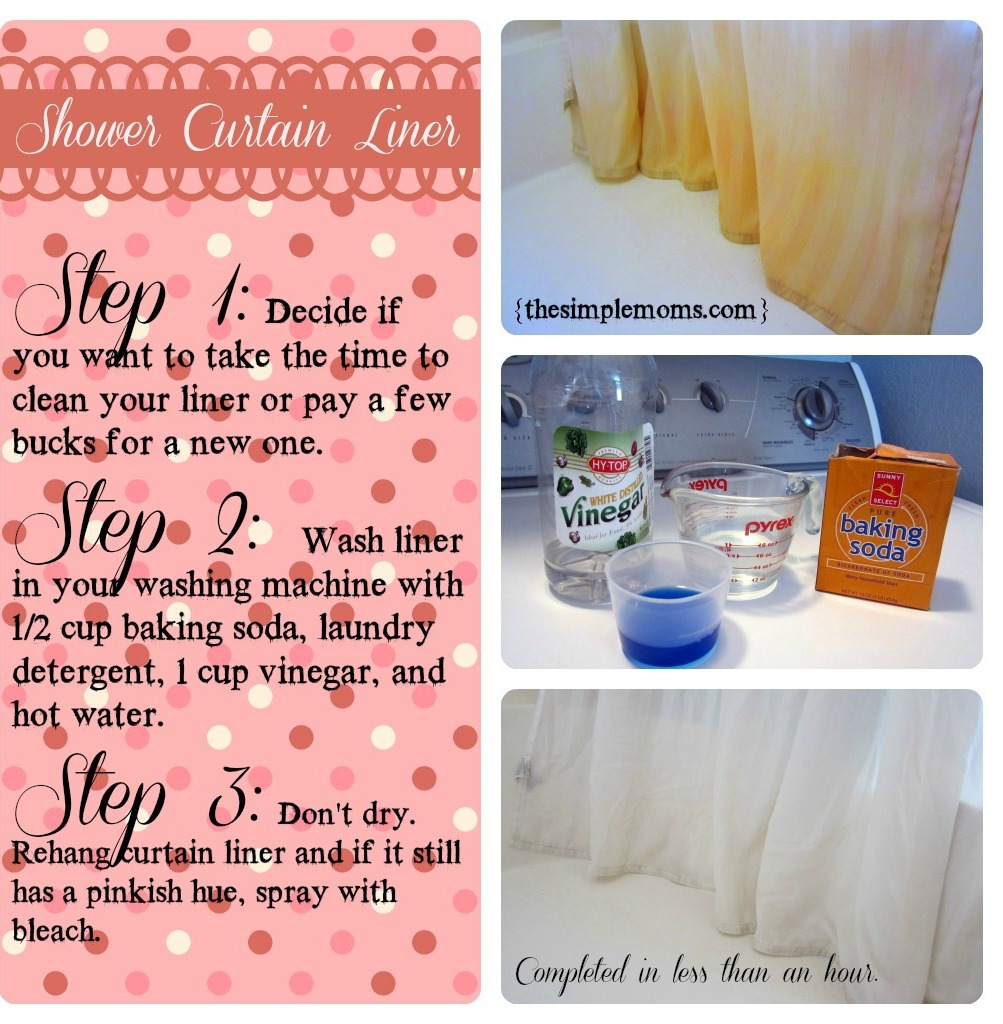
Machine washing is a quick way to clean plastic liners. Use cold water and a gentle laundry detergent. Hot water may warp the liner. Adding white vinegar helps remove mold and soap scum.
Place the liner with a few towels to balance the load. Use a short, gentle washing cycle. Avoid bleach unless the liner label says it’s safe to use.
After washing, hang the liner on the shower rod to air dry fully. Do not put liners in the dryer as heat can damage them.
Hand Wash Shower Curtain Liner for Delicate Care
Hand washing is best for delicate liners or heavy stains. Fill a tub with warm water and add mild detergent and white vinegar. Soak the liner for 15 to 30 minutes.
Use a soft cleaning sponge to scrub stains and mildew spots gently. Rinse thoroughly with cold water. Wipe down shower liner surfaces to remove soap scum buildup. Then air dry by hanging it up.
Removing Mildew and Stains from Shower Liners
Mildew forms when moisture stays on liners too long. To remove it, mix white vinegar and baking soda. Apply the mix to affected areas and scrub with a sponge. Rinse well.
Commercial shower liner cleaners also work well. Choose eco-friendly cleaning spray options to avoid harsh chemicals. Avoid bleach if your liner is PVC or vinyl unless label permits.
⭐ Expert Insight: Frequent wiping down of your shower liner after use reduces soap scum and mold spores buildup. This simple step can extend liner life.
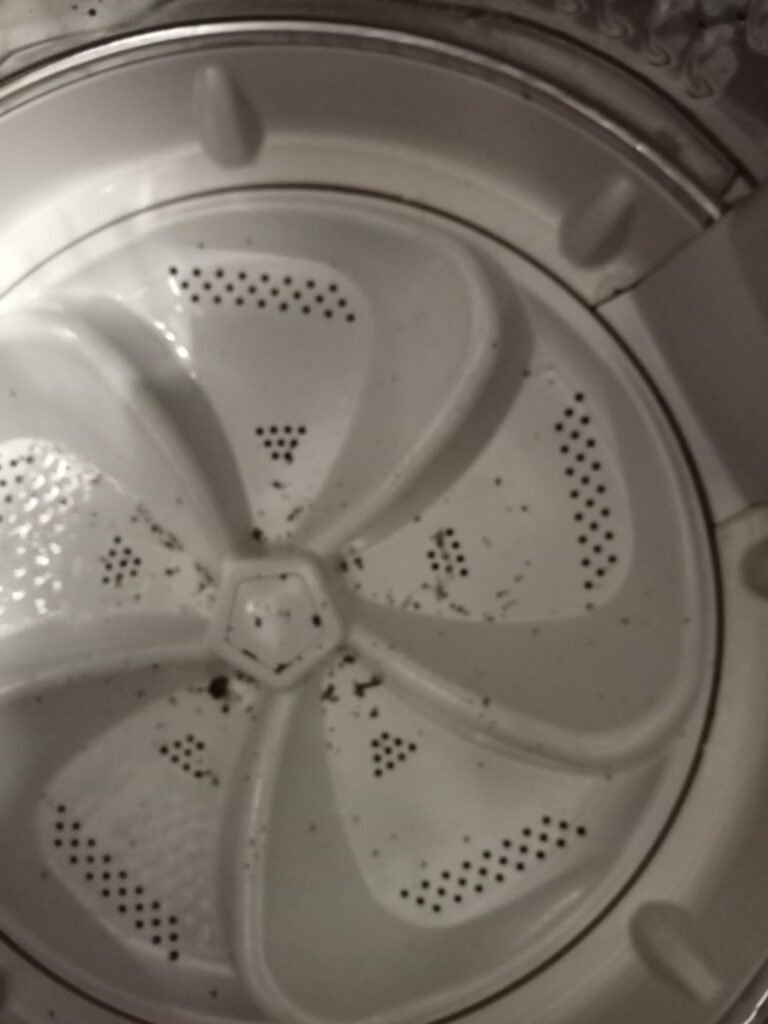
Regularly check lint traps in your washing machine to prevent buildup when washing shower liners. This keeps your machine efficient.
Drying Tips and Replacement Frequency
Dry your liner fully after washing. Hang it on the shower rod to air dry. Avoid dryers as they can damage vinyl and PVC materials.
Replace your liner every 6 to 12 months. Replace sooner if stains, odors, or tears remain after cleaning. This keeps your bathroom fresh and safe.
Eco-Friendly Cleaning Shower Liner Tips
Use white vinegar and baking soda for a natural clean. These remove odors, soap scum, and mildew without chemicals. They are safe on vinyl and PVC liners.
Use a soft sponge to scrub gently. Avoid harsh brushes that can scratch liners. Eco-friendly sprays also help maintain liner quality.
For a deeper understanding of this mechanic, analyzing resources on shower curtain and liner cleaning provides excellent foundational context.
Summary of Cleaning Methods
| Cleaning Method | Suitable For | Key Tips |
|---|---|---|
| Machine Wash | PVC and Vinyl Liners | Use cold water, mild detergent, gentle cycle |
| Hand Wash | All Liners, Delicate Fabrics | Soak, use vinegar, gentle scrubbing |
| Commercial Cleaner | Stubborn Mildew and Soap Scum | Choose eco-friendly, follow instructions |
Regular care and cleaning keep liners fresh and long-lasting. Avoid harsh chemicals unless safe for your liner type.
Laundry Tips for Shower Liners
Use mild laundry detergent free from fabric softeners. Fabric softeners can reduce water resistance of liners. Add white vinegar in the rinse cycle to prevent odors.
Wash liners separately or with towels to balance the load. Avoid washing liners with heavy or sharp items to prevent damage.
Clean your washing machine regularly to avoid mold transfer to liners. This helps keep liners clean and odor-free.
Common Mistakes to Avoid
Do not use hot water or high heat drying on PVC or vinyl liners. It can cause warping or cracking. Avoid bleach unless liner label allows.
Do not leave liners wet on the floor or bunched up. Always spread them to dry fully. This stops mold and odor buildup.
🚀 Beginner Tip: After each shower, pull your liner straight and wipe down with a towel to reduce mildew growth and soap scum.

Wiping Down Shower Liner After Use
Wiping your shower liner after every use prevents soap scum buildup. Use a damp cloth or cleaning sponge to wipe the entire liner surface.
This habit reduces mold spores and keeps your liner looking new. It is a quick step that enhances overall bathroom hygiene.
Special Tips for PVC and Vinyl Shower Liners
Use non-abrasive cleaners for PVC and vinyl liners. Harsh scrubbing or chemicals can damage finish. White vinegar is safe and effective.
For tough stains, soak liners in warm water with vinegar before washing. Always air dry for best results. Avoid bleach unless specified safe.
| Material | Cleaning Method | Drying |
|---|---|---|
| PVC | Machine or Hand Wash with Vinegar | Air Dry Only |
| Vinyl | Hand Wash Preferred, Mild Detergent | Air Dry Only |
| Fabric | Machine Wash with Mild Detergent | Air Dry or Low Heat |
Proper care helps maintain the liner’s look and function longer.
Commercial Shower Liner Cleaners
Some commercial cleaners target mold and soap scum effectively. Choose eco-friendly, non-toxic products for safety. Follow product directions closely.
Test any cleaner on a small liner area first to check for damage. Regular use can keep liners spotless between washes.
| Brand | Type | Eco-Friendly | Best For |
|---|---|---|---|
| EcoShine | Spray Cleaner | Yes | Mildew and Soap Scum |
| ClearLiner | Gel Remover | No | Heavy Stains |
| Vinegar Spray | DIY Solution | Yes | Daily Maintenance |
Using commercial products wisely can improve cleaning results without harm.
Conclusion
Maintaining a clean shower liner is essential for a fresh bathroom environment. Regular washing, wiping down after use, and proper drying prevent mold, mildew, and odors.
Both hand and machine washing work well for PVC and vinyl liners when done gently. Using natural cleaners like white vinegar and baking soda is effective and eco-friendly.
Replace liners every 6 to 12 months to avoid persistent stains or odors. Following these expert tips ensures your shower liner stays clean and lasts longer.
For more on washing techniques, see our guide on how to wash hats in washing machine for additional laundry care ideas. Also, explore how to dye clothes in a washing machine to refresh your bathroom textiles safely.
Frequently Asked Questions
How often should I wash my shower curtain liner?
It is best to wash your shower curtain liner every 1 to 3 months depending on use and visible buildup. Frequent cleaning prevents mold and mildew growth.
Can I machine wash a PVC or vinyl shower liner?
Yes, most PVC or vinyl liners can be machine washed using a gentle cycle with cold water and mild laundry detergent. Avoid harsh bleach unless recommended.
What is the best way to remove mold on a shower liner?
Use a mixture of white vinegar and baking soda or a commercial mold remover. Scrub gently with a cleaning sponge, rinse well, and dry thoroughly.
Should I air dry or machine dry my shower liner?
Air drying is best to prevent damage and shrinkage. Hang the liner back on the shower rod to dry completely after washing.
When should I replace my shower curtain liner?
Replace your shower liner every 6 to 12 months or sooner if it shows persistent stains, tears, or strong odors that cleaning cannot remove.

Michael Peterson is a home appliance writer focused on practical washing machine care, maintenance, and troubleshooting. He shares simple, reliable tips to help readers keep their washing machines running efficiently, avoid common problems, and extend appliance life.