Introduction to Washing Quilts in a Machine
Many people wonder if they can wash quilts in a washing machine. The answer depends on the quilt’s fabric type and care instructions. Machine washable quilts make cleaning easier but require the right settings to avoid damage. This guide will explain the best way to wash quilts and keep them in good shape. For a deeper understanding of quilt care, analyzing resources on washing and care for quilts provides excellent foundational context.
Before washing, check your quilt’s tag or label for fabric type and instructions. Quilts made from cotton and polyester blends often handle machine washing well. Handmade or delicate quilts may need special care like hand washing or dry cleaning.
It is key to consider your washing machine’s capacity. Large quilts need enough room to move freely for even cleaning. Overloading can stress your machine and damage the quilt.
Quilt Washing Machine Settings
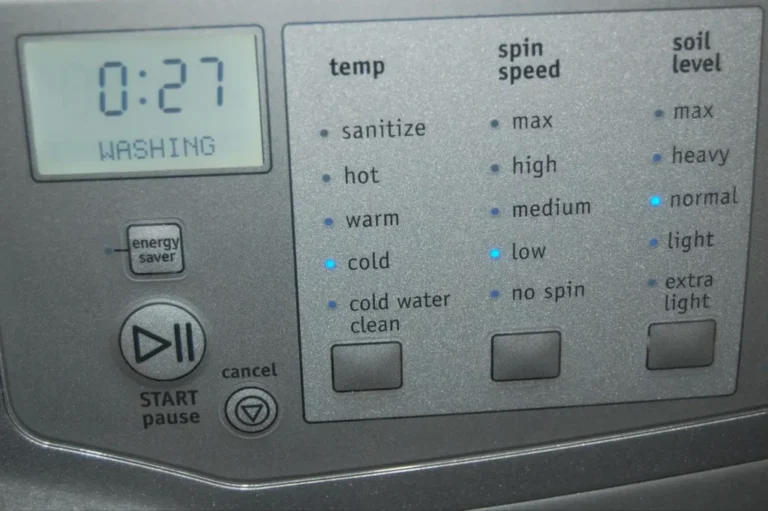
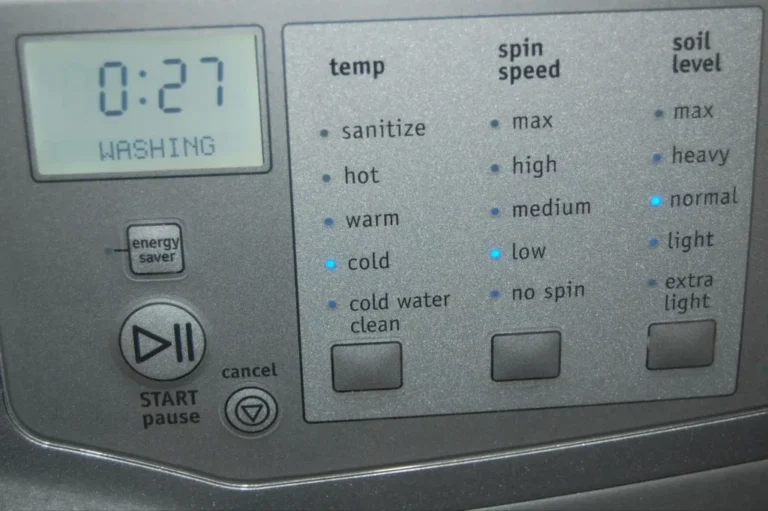
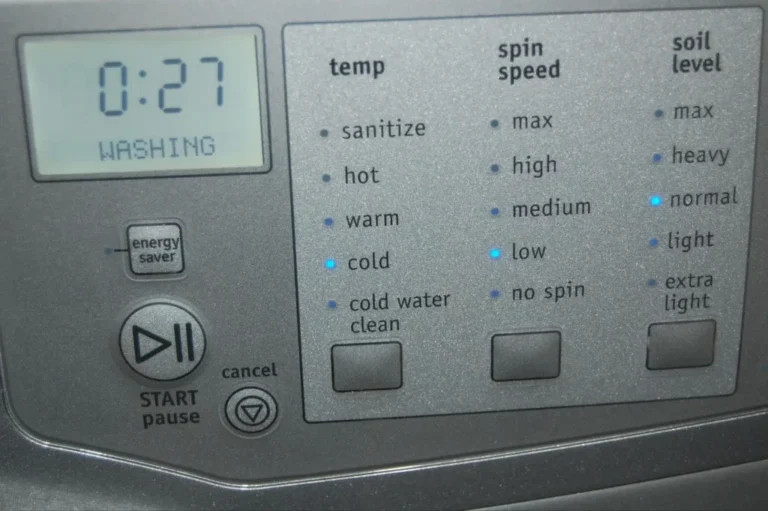
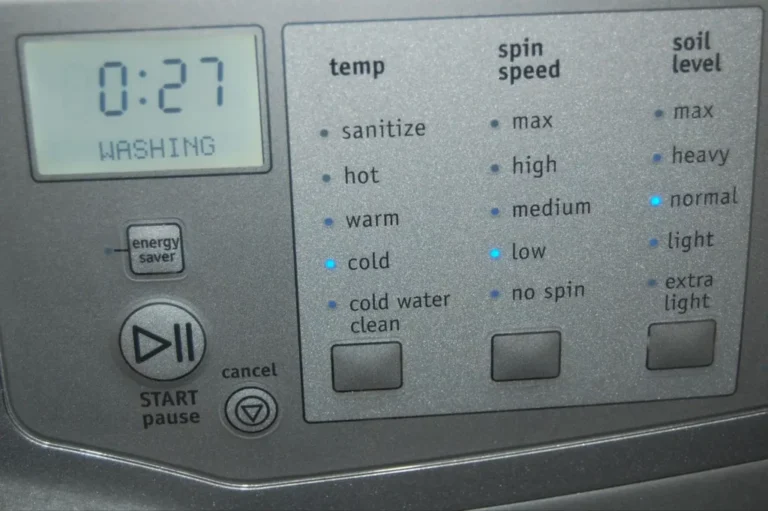
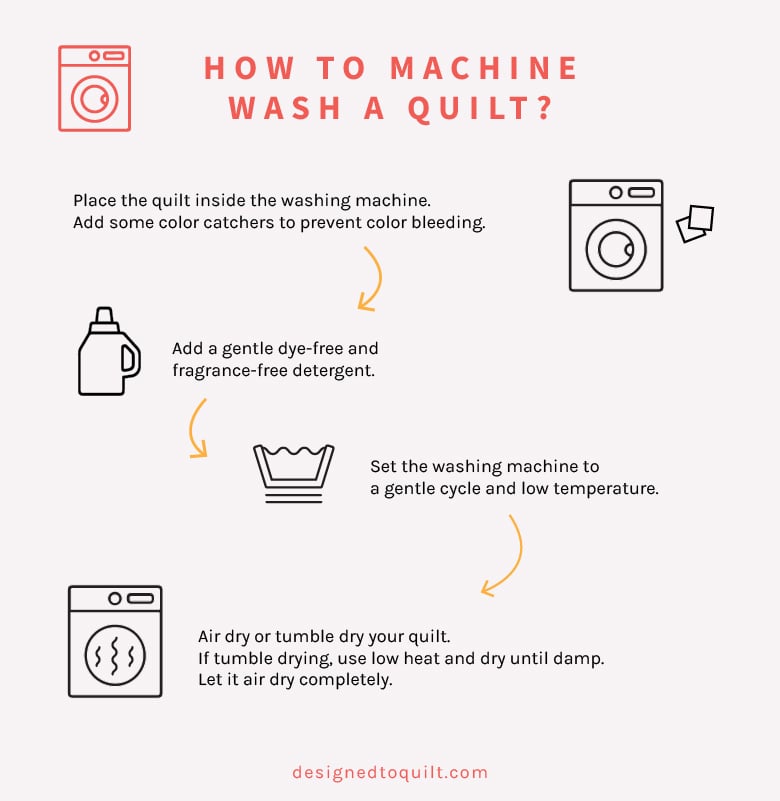
Using the right washing machine settings is critical for quilt care. The delicate cycle washing mode is best because it uses gentle agitation and a slower spin speed. This protects quilting thread and fabric from wear.
Water temperature matters too. Warm or cold water is preferred to preserve quilt colors and avoid shrinking. Hot water can weaken fibers and fade dyes.
Use a mild detergent free from bleach or strong chemicals. Avoid fabric softeners as they can leave residues on quilt fabric.
| Washing Setting | Recommended Use | Notes |
|---|---|---|
| Delicate Cycle | Most quilts | Gentle agitation, slow spin |
| Water Temperature | Cold or Warm | Preserves color and fabric |
| Detergent | Mild, No bleach | Protects fibers and colors |
| Spin Speed | Low | Prevents quilt damage |
To maintain your quilt’s quality, always follow the quilt care instructions on the label. If unsure, choose hand wash or professional cleaning.
Best Way to Wash Quilts
The best way to wash quilts depends on fabric type and size. For machine washable quilts, use a front-loading washing machine if possible. These machines are gentler than top loaders with agitators.
Pre-wash care like spot treating stains improves cleaning results. Use a mild stain treatment and let it sit for a short time before washing.
Always wash quilts separately from other clothes to avoid fabric stress and lint transfer. After washing, check the quilt for any damage or remaining stains.
🚀 Beginner Tip: For large quilts, consider using a laundromat with commercial-sized machines to ensure enough space and effective cleaning.
Hand wash vs machine wash quilts is a common question. Handmade or antique quilts often benefit from hand washing in cool water with gentle soap to protect delicate fabrics and stitching.
Washing Large Quilts at Home
Large quilts can be tricky to wash at home. First, check your washing machine capacity. Many home machines handle up to 15 pounds. Heavy, bulky quilts may require commercial machines.
If your machine is large enough, wash the quilt alone. Use the gentle cycle with cold or warm water. Avoid high spin speeds that can stress seams and fabric.
Dryer safe quilts can be tumble dried on low heat. However, air drying or flat drying is safer for preserving quilt colors and fabric strength. Always check quilt drying methods recommended by manufacturers.
| Step | Action |
|---|---|
| 1 | Check machine capacity |
| 2 | Pre-treat stains |
| 3 | Use delicate cycle |
| 4 | Wash quilt alone |
| 5 | Use mild detergent |
| 6 | Dry according to quilt care |
For quilts too large for your machine, spot cleaning or professional cleaning is advised. Avoid forcing large quilts into small machines to prevent damage.
Quilt Drying Methods
Proper quilt drying is as important as washing. Many quilts can be dryer safe but only on low heat. High heat can shrink or weaken fibers.
Air drying is the safest method. Lay quilts flat on a clean surface or hang them carefully to avoid stretching.
When using a dryer, add clean tennis balls or dryer balls to keep the quilt fluffy. Clean your lint filter before and after drying to maintain efficiency.
⭐ Expert Insight: Quilts with delicate quilting thread or vintage fabrics fare better with air drying or low-heat drying to prevent breakage and fading.
Always check quilt fabric washing tips for drying recommendations. Some fibers like wool or silk require special care.
Stain Removal on Quilts
Removing stains on quilts needs care to avoid fabric damage. Use mild, color-safe stain removers. Test on a small area first.
Apply stain treatment gently and avoid scrubbing hard. Let the product work for a few minutes before washing.
For tough stains, repeat treatment but avoid harsh chemicals that can weaken quilting thread and fabric.
| Type of Stain | Recommended Treatment |
|---|---|
| Food | Cold water rinse + mild detergent |
| Oil | Apply baking soda + gentle detergent |
| Ink | Alcohol-based stain remover (test first) |
| Blood | Cold water soak + enzyme cleaner |
For detailed stain treatment, refer to professional cleaning advice or specific quilt care instructions.
Preserving Quilt Colors
Quilt color preservation is key to keeping quilts looking new. Use cold water and mild detergents to reduce fading.
Avoid bleach and harsh chemicals that break down dyes. Wash quilts inside out if possible to protect colors.
Limit sun exposure during drying as UV rays fade fabric colors. Store quilts in cool, dark places when not in use.
📌 Step-by-Step Guide to Color Care:
- Choose cold water wash
- Select mild detergent
- Avoid bleach and fabric softeners
- Dry in shade or indoors
- Store away from direct sunlight
Following these steps helps maintain quilt vibrancy for years.
Hand Wash vs Machine Wash Quilts
Hand washing quilts is gentler, ideal for delicate or handmade quilts. Use cool water and a mild soap. Gently press and rinse without wringing.
Machine washing suits sturdy, machine washable quilts. Use a delicate cycle with low spin speed. Always check quilt care instructions before machine washing.
Both methods require careful drying. Hand washed quilts should be dried flat to keep shape.
For more info on washing hats and other delicate items in machines, you can explore tips on cleaning hats in a washer machine that share useful washing machine advice.
Conclusion
Washing quilts in a washing machine is possible with the right approach. Choose the delicate cycle, mild detergent, and proper water temperature. Check the quilt care instructions and your machine’s capacity before starting.
Large quilts may need extra space or professional cleaning. Always pre-treat stains gently and dry quilts carefully to preserve their look and feel.
With these laundry tips for quilts, you can keep your quilting blankets clean and fresh while protecting their fabric and colors for years to come.
For more detailed help on washing quilts and similar items, consider the advice on machine washing quilts for practical guidance.
Frequently Asked Questions
Is it safe to wash quilts in a washing machine?
Yes, it is safe if the quilt is machine washable and you use the right settings like a gentle or delicate cycle with cold or warm water.
What washing machine settings should I use for quilts?
Use the delicate or gentle cycle with cold or warm water, low spin speed, and mild detergent to protect the fabric and quilting thread.
How do I wash large quilts at home?
Make sure your washing machine has enough capacity, wash the quilt alone, and use a delicate cycle with appropriate temperature and detergent.
Can all quilts be dried in a dryer?
Not all quilts are dryer safe. Check quilt care instructions. Some need air drying or low heat to avoid damage.
What is the best way to remove stains from quilts?
Treat stains gently with mild stain removers before washing. Avoid harsh chemicals that can harm quilt colors and fabrics.

Keith Boyd Is A Seasoned Appliance Care Expert With Over A Decade Of Experience In Home Appliance Maintenance. His Authoritative Insights On Washing Machine Care And Upkeep Are Trusted By Homeowners Nationwide. With A Passion For Educating Others, Keith Shares Valuable Tips That Ensure Your Appliances Run Smoothly For Years To Come.