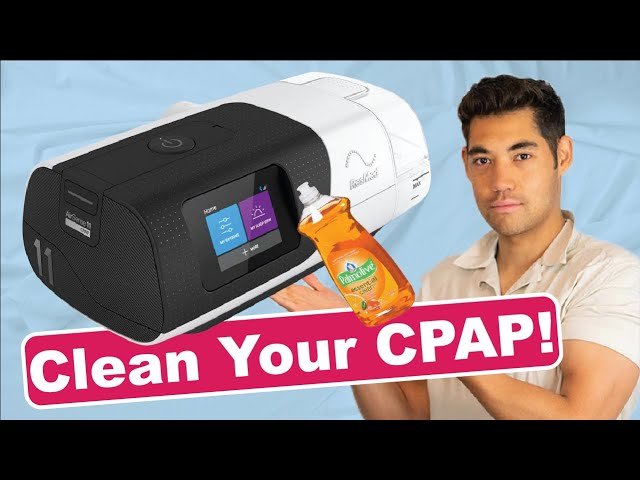
Introduction to ResMed CPAP Cleaning
Keeping your ResMed CPAP machine clean is key to good health. Dirt and germs can build up fast. This may cause skin irritation or infections. Also, a clogged mask or tubing can lower the air pressure. This affects how well the machine works. A proper cleaning routine helps keep your device safe and effective. For a deeper understanding of this mechanic, analyzing resources on CPAP machine hygiene provides excellent foundational context.
Start by learning the parts of your CPAP. The mask, tubing, humidifier chamber, and filters all need care. Following the right steps daily and weekly keeps your equipment fresh. This guide covers the best ways to clean your ResMed CPAP machine and its parts.
Daily Cleaning Routine for ResMed CPAP Mask and Accessories
Daily cleaning is simple but vital. After each use, remove the mask and tubing. Wash the mask cushion and frame in warm, soapy water using mild soap. Avoid strong detergents or bleach. Rinse well with clean water to remove all soap.
Next, wipe the tubing with a damp cloth inside and out. Let all parts air dry away from direct sunlight. This prevents mold and bacteria growth. Do not dry parts on heaters or in dryers. This can damage the materials.
Always clean your CPAP mask daily to avoid skin irritation and improve comfort.
Cleaning the humidifier chamber daily is also important. Empty any leftover water after each use. Rinse it with warm water and mild soap. Dry it fully before refilling. This stops mold from growing inside the chamber.
Weekly Maintenance: Deep Cleaning and Filter Replacement
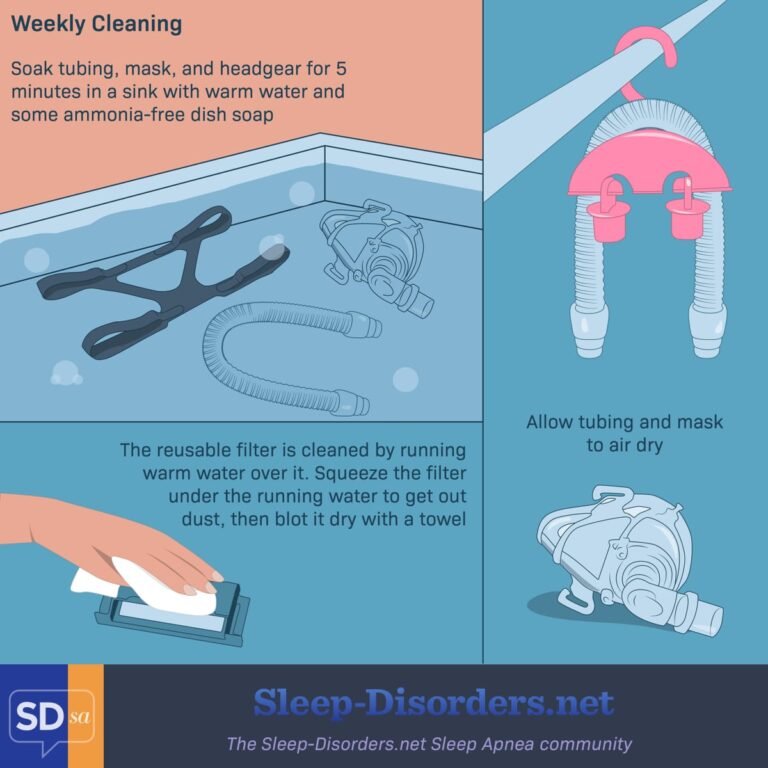
Once a week, do a deep clean of your CPAP parts. Soak the mask, tubing, and humidifier chamber in a warm soap solution for 30 minutes. Use a soft cleaning brush if needed to reach small holes or crevices. Rinse all parts thoroughly and air dry.
Check your ResMed CPAP filter at least weekly. Replace disposable filters if they look dirty or every 1 to 3 months. Washable filters should be rinsed gently and dried before reuse. Clean filters help keep air flowing freely and prevent dust from entering your machine.
Changing filters regularly improves air quality and machine function.
Inspect your CPAP mask for wear and tear. Replace cushions or headgear if they are cracked or stretched. Damaged parts reduce seal quality and comfort.
:max_bytes(150000):strip_icc()/how-to-clean-cpap-3015322-v1-5c1ac1cc46e0fb0001e27563.png "Clean a CPAP Machine: A How-To Guide (Figure)")
CPAP Tubing Cleaning Tips
CPAP tubing is easy to clean but must be done carefully. Use warm water and mild soap. Avoid harsh cleaning chemicals that can weaken the tubing. Never bend or twist tubing harshly when cleaning or drying.
After washing, hang the tube to dry fully. Moisture inside tubing can cause mold and bacteria. Inspect tubing weekly for cracks or leaks. Replace if damaged to avoid air loss.
- Detach tubing from machine and mask.
- Wash tubing inside and out with warm, soapy water.
- Rinse thoroughly to remove soap.
- Hang tubing vertically to dry completely.
How to Clean CPAP Humidifier Chamber
The humidifier chamber needs special care to avoid mold and bacteria. Empty water after every use. Use distilled water to fill it, which helps reduce mineral build-up.
Weekly, soak the chamber in a vinegar and water solution (1 part vinegar to 3 parts water) for 15 minutes. Rinse well and dry. This removes mineral deposits and kills germs.
Pros of Distilled Water: Reduces mineral build-up, cleaner air.
Cons: Slightly higher cost than tap water.
Do not use harsh chemicals or dishwasher to clean the chamber. This may cause damage. Follow your ResMed AirSense cleaning instructions closely for best results.
Disinfect CPAP Parts for Best Hygiene
Disinfecting is important to kill bacteria and viruses. Use CPAP cleaning wipes or a soap solution regularly. Some users choose ultraviolet light sanitizers as an extra step. These devices kill germs without water or chemicals.

However, disinfectants should never replace daily washing. They are a supplement for deep cleaning only. Always check the user manual to ensure disinfectants are safe for your ResMed CPAP accessories.
Experts agree that combining daily cleaning with weekly disinfecting stops bacteria and mold growth effectively.
CPAP Machine Drying Process and Storage Tips
After cleaning, all parts must dry fully. Use a clean, dry cloth to wipe excess water. Then air dry in a well-ventilated area. Avoid heat sources like radiators or hair dryers.
Store your CPAP machine and parts in a clean, dry place. Avoid humid rooms or direct sunlight. This keeps your equipment in good shape and ready to use.
Regular drying and careful storage help extend the life of your ResMed CPAP machine and accessories.
Cleaning Frequencies for ResMed CPAP Parts
Keeping track of cleaning times is easier with a schedule. The table below shows the best cleaning timeline for each CPAP part.
| CPAP Part | Cleaning Frequency | Notes |
|---|---|---|
| Mask Cushion & Frame | Daily | Use mild soap and warm water |
| CPAP Tubing | Weekly | Wash inside and out; dry fully |
| Humidifier Chamber | Daily (empty), Weekly (deep clean) | Use distilled water; vinegar soak weekly |
| Filters | Weekly check, Replace every 1-3 months | Change disposable or clean reusable |
| Headgear & Straps | Weekly | Hand wash and air dry |
Following this schedule keeps your CPAP machine clean and safe. It helps avoid mold and bacteria growth that can harm your health.
For more information on maintaining CPAP equipment, check the how to clean my CPAP machine guide. It offers helpful tips for everyday care.

Common Mistakes to Avoid When Cleaning Your CPAP
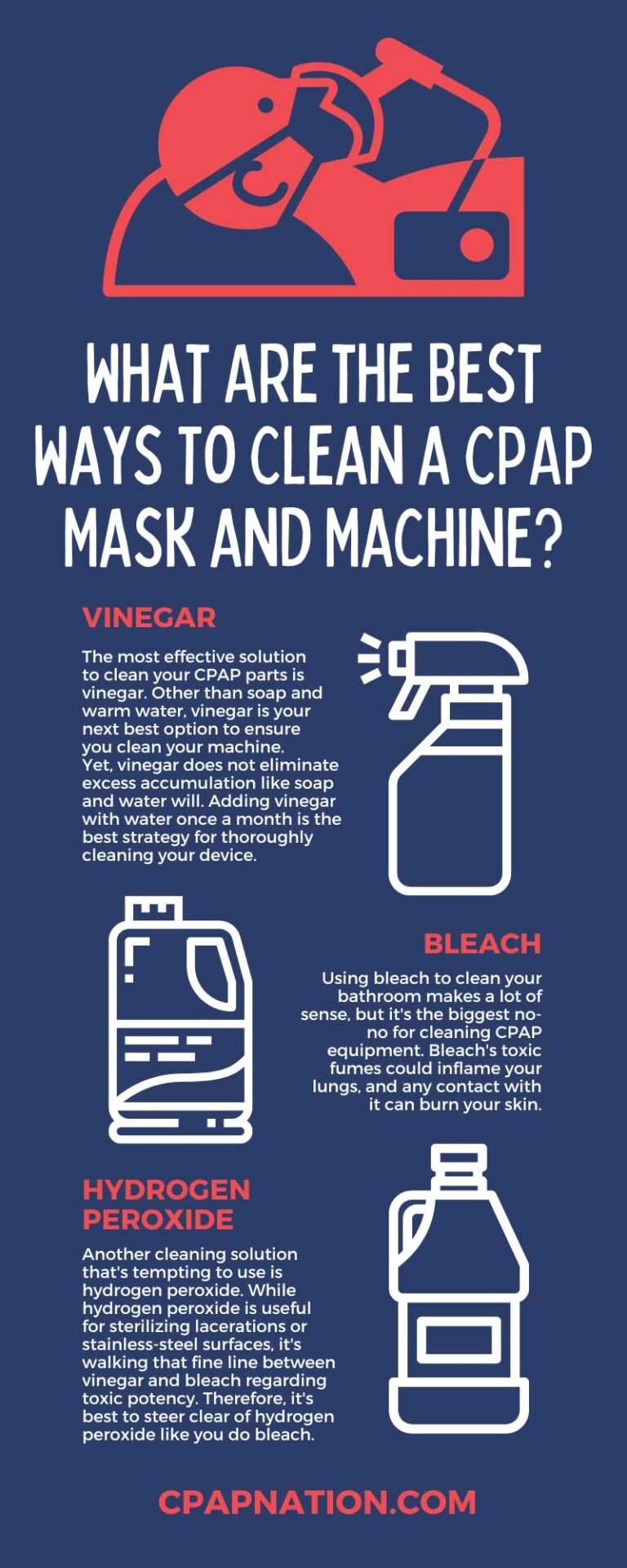
Avoid using bleach or strong chemicals. These can damage your CPAP parts and skin. Do not soak the machine itself in water. Only clean the detachable parts.
Another common error is drying parts in direct sunlight or near heat. This causes warping or cracks. Also, skipping filter checks can lead to poor air quality and machine wear.
Checklist for Safe CPAP Cleaning:
- ✅ Use mild soap only.
- ✅ Air dry parts fully.
- ✅ Replace filters regularly.
- ✅ Empty humidifier daily.
- ✅ Do not soak machine body.
Conclusion: Maintain Your ResMed CPAP for Health and Comfort
Proper cleaning of your ResMed CPAP machine is vital. A clean mask, tubing, and humidifier chamber keep air pure. This helps you breathe better and sleep well.
Daily care and weekly deep cleaning stop mold and bacteria. Regular filter changes keep your machine working right. Follow the instructions in your user manual and this guide. For a full routine on maintaining your health and equipment, consider learning more about how to clean drain hose on washing machine. It shares detailed cleaning tips applicable to tubing care.
Keeping your CPAP clean is a simple habit that protects your health. Make cleaning a part of your daily routine and enjoy the benefits of fresh, clean air every night.
For more detailed cleaning advice specific to ResMed equipment, the official ResMed CPAP cleaning instructions offer trusted and up-to-date guidance.
Frequently Asked Questions
How often should I clean my ResMed CPAP mask?
You should clean your CPAP mask daily with mild soap and water to remove oils and dirt.
When do I need to replace the CPAP filter?
ResMed CPAP filters should be replaced every 1 to 3 months depending on use and air quality.
Is it safe to use UV light sanitizers for CPAP cleaning?
Yes, UV light sanitizers can help disinfect CPAP parts but should be used along with regular cleaning.
How can I prevent mold in my CPAP humidifier chamber?
Empty and dry the water chamber daily and clean weekly to avoid mold growth.
What cleaning solutions are best for CPAP equipment?
Use mild soap solutions or CPAP-specific cleaning wipes; avoid harsh chemicals or bleach.

Michael Peterson is a home appliance writer focused on practical washing machine care, maintenance, and troubleshooting. He shares simple, reliable tips to help readers keep their washing machines running efficiently, avoid common problems, and extend appliance life.