Understanding Washing Machine Power Consumption
Washing machines use electric power to clean clothes. The amount of power depends on the model, size. And cycle. Power is measured in watts (W). And energy use is usually shown in kilowatt hours (kWh).
The power rating gives an idea of the electricity needed when running. For example, an average washing machine might have a power rating around 500 to 1200 watts. This varies by type and features.
To understand more about how machines use electricity, you can visit the washing machine watt usage guide for detailed insights.
Choosing an energy-efficient model helps reduce energy use and electricity bills.
Also, knowing how many amps a washing machine uses can help with electrical setup and safety.
Average Watts for Washing Machines
Typical washing machines use between 400 and 1300 watts. The average depends on the machine’s size and type. Front load machines often use less power than top load machines.
The power used also depends on the washing cycle. Longer or hotter cycles use more energy. Eco-friendly cycles reduce power use by washing at lower temperatures.
Newer high-efficiency models can use as low as 400 watts per cycle, saving energy compared to older machines.
Understanding cycle power consumption helps plan laundry to save energy.
Machines also have standby power usage. This is very low but can add up if many appliances stay plugged in.
Front Load vs Top Load Watts
Front load washing machines usually use less power than top load ones. They need less water and have efficient motors. This lowers the total energy used.
Top load machines often have motors that use more watts because of the agitator and water volume. Some use 1000 to 1300 watts per cycle.
Front load machines often fall between 400 and 800 watts. They spin clothes faster, reducing drying time and saving energy there.
The choice between front load and top load affects energy costs and efficiency.
Knowing the difference can help pick the right machine for your home and budget.
Washing Machine Energy Efficiency in 2026
In 2026, energy efficiency is key when buying washing machines. Models with an Energy Star rating meet strict standards for low power use.
Energy Star washing machines often use less than 600 watts per cycle. They also have features like eco mode and smart sensors to save power and water.
High efficiency washing machines use advanced motors and better designs to cut energy use. They can save about 20% to 50% energy compared to traditional models.
Using an energy star washing machine with eco-friendly cycles reduces the electricity usage significantly.
Choosing an energy-efficient model also lowers your carbon footprint and helps the environment.
Calculating Washing Machine Energy Costs
To find out how much it costs to run your washing machine, use this simple formula:
Energy (kWh) = (Wattage × Hours used) ÷ 1000
Then multiply the kWh by your electricity rate per kWh.
For example, a 1000-watt machine running for 1 hour uses 1 kWh. If your electricity costs 15 cents per kWh, the cost is 15 cents per cycle.
Using the right cycle and load size helps reduce time and power consumption.
To estimate your machine’s energy use, there are washing machine power consumption calculators online.
Washing Machine Voltage and Watts Details
Most household washing machines in 2026 use standard voltage of 120V or 240V depending on the country. The motor wattage varies but usually falls between 400 to 1300 watts.
Motor wattage affects the peak power during wash and spin cycles. Higher wattage motors work faster but consume more electricity.
Knowing your washing machine’s power rating and voltage helps in understanding its electricity needs and electrical safety.
Checking the label on your machine or the manual shows the exact power rating and voltage requirements.
Proper electrical wiring and a dedicated circuit can prevent overloads and hazards.
Power Rating and Standby Power Usage
The washing machine power rating shows the maximum power the machine uses during operation. It varies by cycle and mode.
 "How Many Watts Does A Washing Machine Use? | EnergySage (Figure)")
Standby power usage is the electricity consumed when the machine is off but plugged in. It is usually less than 1 watt but can increase if the machine has smart features.
Reducing standby power by unplugging the machine or using power strips can save small amounts of energy over time.
Modern washing machines often include low standby power designs. This help reduce unseen energy use.
Being aware of these details helps you manage your home’s overall energy consumption better.
Cycle Power Consumption Comparison
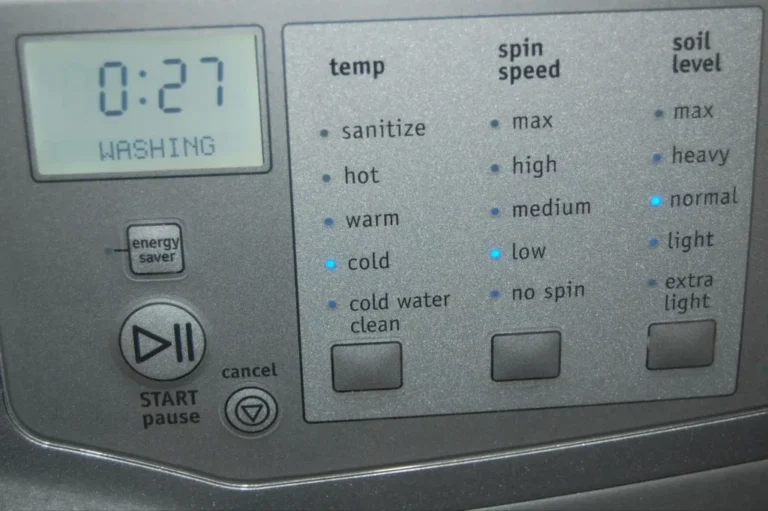
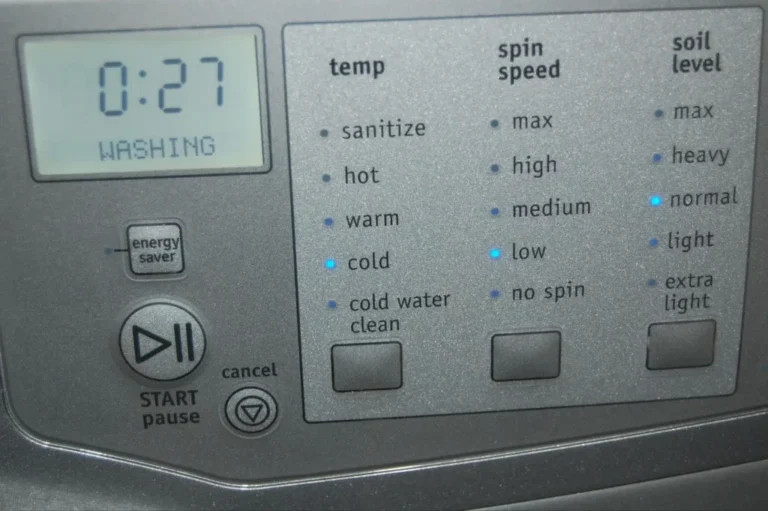
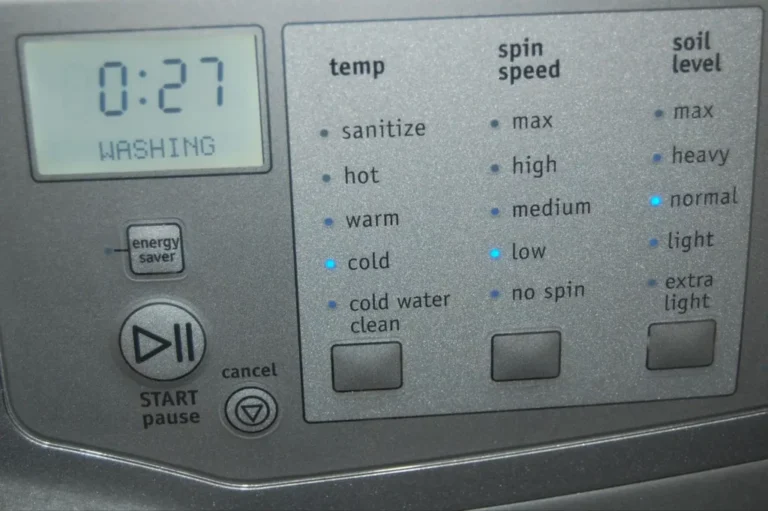
Different washing cycles use different amounts of power. Hot water cycles require more energy than cold water cycles. Longer wash cycles use more electricity than quick wash cycles.
Eco or energy-saving cycles use less power by lowering water temperature and wash time.
Spin cycles also consume power depending on speed and duration.
Choosing the right cycle based on the laundry load and soil level optimizes energy use.
For laundry care tips, see guidance on how long washing machine spin cycle for better energy saving.
Let’s now examine some detailed data on power consumption for common washing machine types in a table.
| Washing Machine Type | Average Power (Watts) | Cycle Duration (Minutes) | Energy Use per Cycle (kWh) |
|---|---|---|---|
| Front Load High Efficiency | 400 – 700 | 30 – 45 | 0.2 – 0.5 |
| Top Load Standard | 1000 – 1300 | 40 – 60 | 0.6 – 1.3 |
| Energy Star Rated | 350 – 600 | 30 – 50 | 0.15 – 0.45 |
These numbers show how power and cycle length vary across types and how efficiency impacts energy use.
Using an efficient machine with shorter cycles saves both time and money.
For a deeper understanding of this mechanic, analyzing resources on washing machine electricity usage provides excellent foundational context.
Let’s look further at the difference in motor wattage and energy star ratings in the next table.
| Feature | Motor Watts | Energy Star Watts | Notes |
|---|---|---|---|
| Standard Motor | 800 – 1300 | N/A | Higher energy use |
| High Efficiency Motor | 400 – 700 | Yes | Lower power, energy savings |
| Eco-Friendly Mode | Variable, low | Yes | Optimized cycles |
Machines with high efficiency motors and energy star ratings use less power and lower cycle costs.
Eco modes adjust motor speed and water temperature to save energy.
Choosing machines with these features reduces environmental impact and saves money.
Now, consider the voltage and amperage requirements for common washing machines in this voltage and amp comparison.
| Voltage | Amperage (Amps) | Typical Watts | Application |
|---|---|---|---|
| 120V | 8 – 12 | 960 – 1440 | Standard residential machines |
| 240V | 5 – 8 | 1200 – 1920 | Higher power machines or commercial use |
Knowing the voltage and amps helps in proper electrical setup and safety.
Proper wiring ensures machines run safely and efficiently without power issues.
Choosing the right model depends on your home’s electrical system.
Overall, understanding washing machine power consumption in 2026 helps save money and protect the environment.
Use energy-efficient models, select suitable cycles. And consider power ratings when buying or using washing machines.
Following these tips leads to better energy use, lower bills. And less carbon footprint.
For additional tips on managing laundry loads efficiently, visit our guide on washing machine spin cycle duration.
Keeping machines well maintained and clean also improves energy efficiency.
By understanding watts, cycles. And energy ratings, you can make smarter choices for your home laundry needs.
Energy-efficient washing machines are a smart investment for 2026 and beyond.
Frequently Asked Questions
How many watts does a typical washing machine use?
Most washing machines use between 400 to 1300 watts during operation. The exact wattage depends on the type and cycle chosen.
Do front load washing machines use less electricity than top load?
Yes, front load machines generally use less energy and water than top load machines, making them more efficient.
What is standby power usage in washing machines?
Standby power is the small amount of electricity a washing machine uses when turned off but still plugged in, usually less than 1 watt.
How can I calculate the energy cost of using my washing machine?
Multiply the machine’s wattage by the time used, convert to kilowatt hours (kWh), and multiply by your local electricity rate.
Are Energy Star washing machines more efficient?
Yes, Energy Star models meet strict energy efficiency guidelines and typically use less power than non-certified machines.

Keith Boyd Is A Seasoned Appliance Care Expert With Over A Decade Of Experience In Home Appliance Maintenance. His Authoritative Insights On Washing Machine Care And Upkeep Are Trusted By Homeowners Nationwide. With A Passion For Educating Others, Keith Shares Valuable Tips That Ensure Your Appliances Run Smoothly For Years To Come.