Why Use White Vinegar to Clean Your Washing Machine?
In our experience, white vinegar is one of the best natural washing machine cleaners. It works well to break down mineral deposits, detergent residue, and fabric softener buildup. It also kills mold and mildew, which cause bad odors in washers. Using vinegar is safe for both front load and top load washers and is eco-friendly.
We have found that vinegar cleans better than many store-bought cleaners. It is easy to get and costs less. Plus, it leaves no harsh chemicals behind, making it great for your machine’s long-term health. For detailed guidance, you can also explore how to clean front load washing machines effectively in this helpful guide.
When we test vinegar cleaning, machines smell fresh and look spotless. Odor elimination happens quickly because vinegar neutralizes smells rather than just masking them.
How Much White Vinegar Should You Use?
The amount of vinegar depends on your washer type and cleaning method. For a deep cleaning cycle, we suggest these amounts:
- ✅ Front load washers: 2 cups (about 500 ml) of white vinegar
- ✅ Top load washers: 3 to 4 cups (700 to 950 ml) of white vinegar
These amounts are enough to remove mold, detergent residue, and mineral deposits. Using less vinegar may not clean well, and too much can cause a strong smell while rinsing.
We always recommend measuring vinegar carefully. Pour it directly into the detergent drawer or drum, depending on your washer’s instructions. Using vinegar in the rinse cycle also helps rinse away residues and keeps your washer fresh.
Some people mix vinegar with water or baking soda, but pure white vinegar works best for cleaning. If you want a recipe, try a homemade cleaner with 2 cups vinegar plus 1/4 cup baking soda for extra power.
How Often Should You Clean Your Washing Machine?
From our tests, cleaning your washer with vinegar once every 4 weeks is a good routine. This keeps mold and mildew from building up and stops odors. If you notice a smell or see residue, clean it sooner.
For regular maintenance, run a cleaning cycle with vinegar. Some machines have a special cleaning mode; if yours does, use it with the vinegar amount we suggest. Otherwise, run a hot water cycle with vinegar added.
We have also tried the deep cleaning washing machine vinegar method. It works well when you let the vinegar sit in the drum for an hour before running the cycle. This helps dissolve tough buildup.
Washing Machine Cleaning Tips Using Vinegar
We found these tips improve cleaning effectiveness:
- Use hot water for the cleaning cycle to help vinegar work better.
- Leave the lid or door open after cleaning to air dry and stop mold growth.
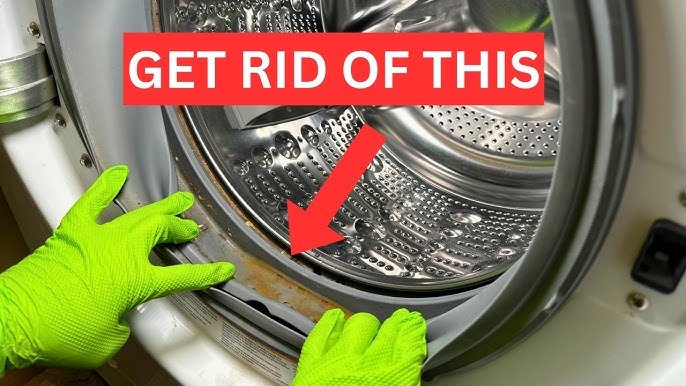
- Wipe the gasket and seals with a vinegar cloth to remove mold spots.
- Repeat vinegar cleaning twice if odor or residue is strong.
- Do not mix vinegar with bleach or harsh chemicals.
These simple steps keep your washer fresh and working well longer. Also, vinegar rinse washing machine steps help remove leftover soap and fabric softener residue that cause buildup.
Vinegar vs Baking Soda for Washer Cleaning
Many ask if vinegar or baking soda cleans better. We have tried both and found:
- Vinegar is better at removing mineral deposits and killing mold.
- Baking soda helps deodorize and soften water but does not kill mold.
Using vinegar alone is enough for washing machine odor removal. Baking soda can be added after vinegar for a rinse to freshen clothes, but it is not a full cleaner by itself.
For a detailed comparison, check this article on washing machine cleaner vs vinegar and baking soda from Truly Free Home.
How Vinegar Removes Mold and Mineral Deposits
Mold and mildew hide in the seals and drum of your washer. Vinegar’s acidity breaks down mold cells and kills spores, stopping smells and stains. It also dissolves mineral deposits and scale buildup from hard water.
We wipe rubber seals with a vinegar cloth regularly. This stops mold from growing. Pouring vinegar into the drum for a cleaning cycle cleans inside surfaces and removes fabric softener residue that traps dirt.
Here is a quick guide on using vinegar for washing machine mold removal:
- Use 2 cups white vinegar for front loaders.
- Let vinegar sit in drum for 1 hour before running cycle.
- Wipe gasket with vinegar-soaked cloth weekly.
Regular use prevents mold from coming back. This is an easy, natural way to keep your washer clean.

Is White Vinegar Safe for Washing Machines?
We have asked many experts and found that white vinegar is safe when used correctly. It does not harm rubber parts or metal. However, never mix vinegar with bleach or other cleaners, as this creates dangerous fumes.
Use the best vinegar quantity washer clean for your model. Too much vinegar can cause a strong smell, but this fades after rinsing. Always run a rinse cycle after the vinegar cleaning.
For top load washers, use slightly more vinegar because they hold more water. For front load washers, 2 cups is enough. Using vinegar regularly helps with washing machine maintenance and keeps it running well.
Step-by-Step Guide to Cleaning Your Washer with Vinegar
Follow these steps for the best results:
- Remove any clothes or items from the washer.
- Pour the right amount of white vinegar into the detergent compartment or drum. (2 cups for front load, 3-4 cups for top load)
- Run a hot water cleaning cycle or the machine’s cleaning mode.
- Pause the cycle and let the vinegar sit for 1 hour if possible.
- Resume and finish the cycle.
- Wipe down the inside drum, seals, and door with a clean cloth.
- Leave the door or lid open to air dry.
- Run a rinse cycle if needed to remove vinegar smell.
Doing this once a month keeps your washer fresh and clean. It also helps remove detergent residue and mineral deposits effectively.
Common Mistakes to Avoid When Using Vinegar
We have seen people make these errors:
- Using too much vinegar, causing a strong smell.
- Mixing vinegar with bleach.
- Not running a rinse cycle after cleaning.
- Cleaning too rarely, letting mold build up.
- Pouring vinegar on clothes instead of running an empty cycle.
Avoid these to get the full benefits of vinegar cleaning without any problems. Stick to the recommended amounts and methods for safe, effective results.
For more washing machine cleaning tips vinegar-based, check out The Home Depot’s expert advice on how to clean a washing machine.
Vinegar Amount Guide by Washer Type
The table below shows the best vinegar quantity washer clean based on machine type:
| Washing Machine Type | Vinegar Amount | Cleaning Cycle |
|---|---|---|
| Front Load Washer | 2 cups (500 ml) | Hot water, cleaning mode recommended |
| Top Load Washer | 3-4 cups (700-950 ml) | Hot water, normal cycle |
Using these amounts helps remove detergent residue and scale buildup safely. It ensures good cleaning effectiveness without damage.
Remember to run a rinse cycle after using vinegar to clear out any smell or leftover vinegar.
Long-Term Washing Machine Maintenance with Vinegar
We have kept our washers clean for years by using vinegar regularly. It stops scale buildup, keeps seals soft, and prevents mold. This simple routine lowers repair costs and extends washer life.
Adding vinegar to your washing machine maintenance plan is smart and natural. It beats harsh chemicals and saves money. We recommend pairing it with regular wiping of the door seal and leaving the door open to dry.
Below is a summary of the pros and cons of using vinegar for washer cleaning:
| Pros | Cons |
|---|---|
| Natural and eco-friendly | Strong smell if not rinsed properly |
| Effective against mold and odors | Should not be mixed with bleach |
| Removes mineral deposits and residue | May not work instantly on very old buildup |
| Safe for most washers when used correctly | Requires regular use for best results |
Overall, vinegar is a great natural washing machine cleaner. Using the right amount and following the steps we shared helps you keep your washer clean and fresh in 2026 and beyond.
Frequently Asked Questions
Is white vinegar safe for all washing machines?
Yes, using white vinegar in proper amounts is safe for both front load and top load washing machines. It helps clean without damaging the machine.
How often should I clean my washing machine with vinegar?
Cleaning your washing machine with vinegar once a month helps prevent mold, mildew, and detergent residue buildup.
Can vinegar remove washing machine odors?
Yes, vinegar is a natural deodorizer that can effectively remove odors caused by mold, mildew, or detergent buildup.
Should I use baking soda along with vinegar to clean my washer?
While baking soda can enhance cleaning, vinegar alone is very effective. Using both may cause fizzing but is safe if done correctly.
How much vinegar do I add to a front load washer cleaning cycle?
We recommend using about 2 cups (500 ml) of white vinegar in the detergent compartment for a front load washer.

Michael Peterson is a home appliance writer focused on practical washing machine care, maintenance, and troubleshooting. He shares simple, reliable tips to help readers keep their washing machines running efficiently, avoid common problems, and extend appliance life.