Understanding Washing Machine Spin Cycle Duration
The spin cycle is the final stage of the washing process. It removes water from clothes by spinning the drum at high speed. This helps reduce drying time and energy use. The washing machine spin cycle duration varies depending on the washer type and selected settings.
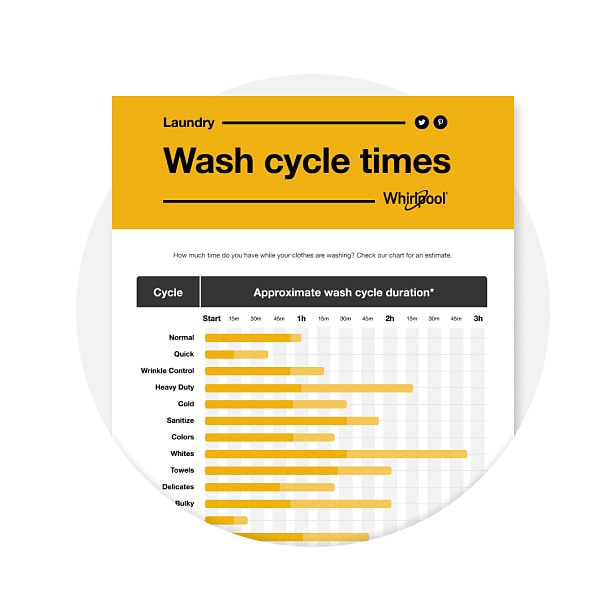
Industry consensus indicates most washers have spin cycles lasting between 10 and 20 minutes. Some quick wash cycles use shorter spin times to save energy. For a deeper understanding of this mechanic, analyzing resources on washing machine cycle times provides excellent foundational context.
Spin cycle length is controlled by the washer timer and motor control systems. Modern machines use sensors to adjust spin speed and duration according to load balance and fabric type.
How Spin Speed Influences Spin Cycle Time
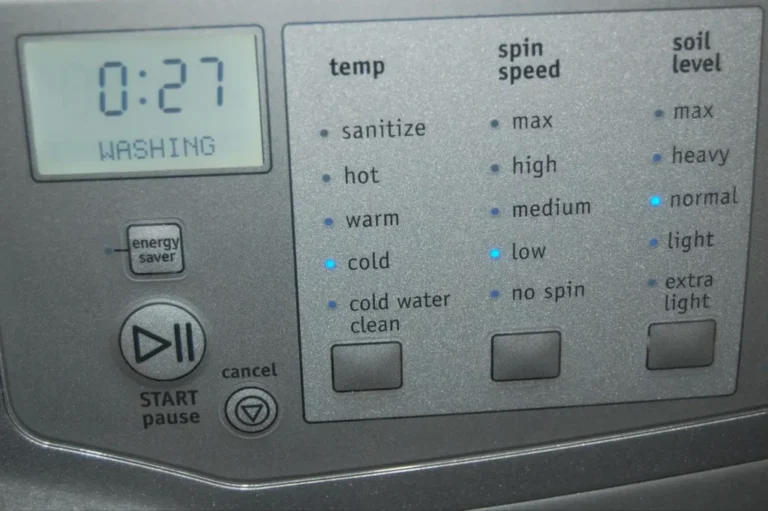
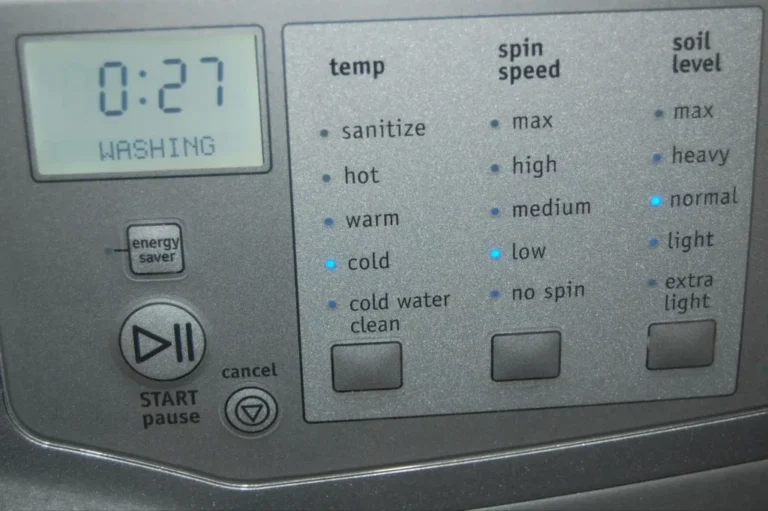
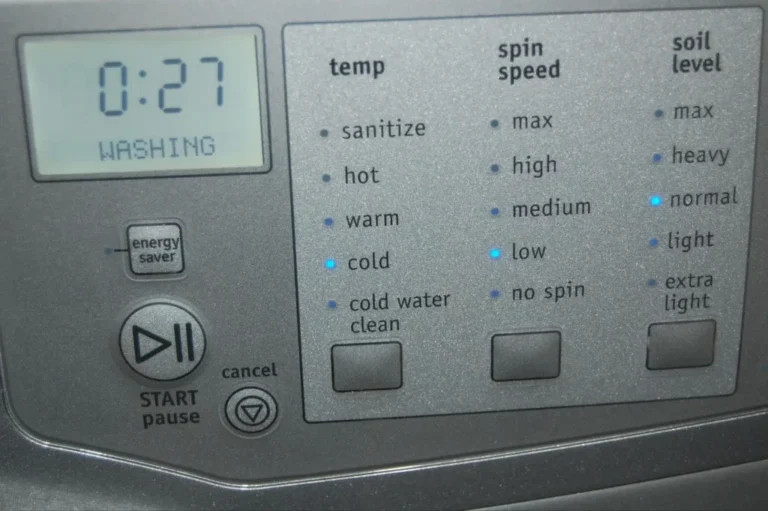
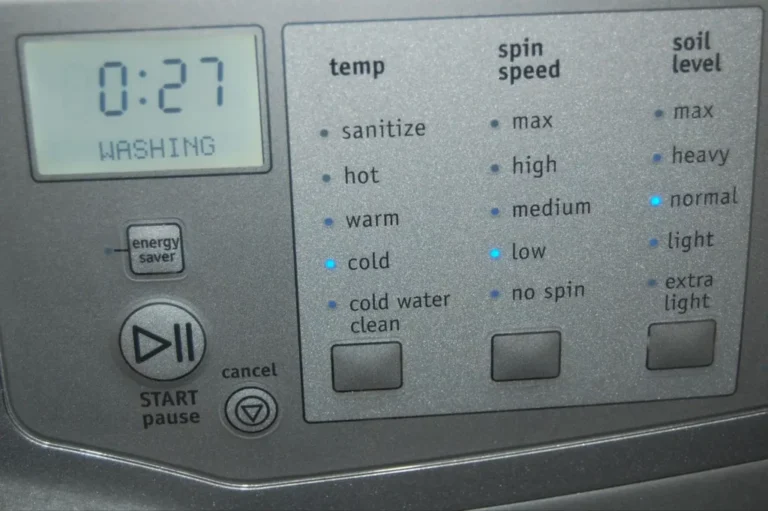
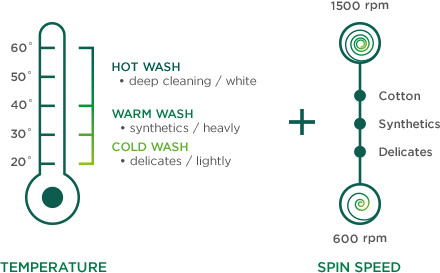
The spin speed in washing machines is measured in revolutions per minute (RPM). Higher spin speeds mean faster drum rotation, leading to shorter spin times needed to extract water. However, very high speeds can cause more noise and potential fabric damage.
Front load washers often reach spin speeds of 1200-1600 RPM. These washers usually have longer front load washer spin cycle durations to balance fabric care and water extraction. In contrast, top load washers spin slower, around 700-1000 RPM. And have shorter spin durations.
Adjusting spin cycle length lets users find the right mix of water removal and fabric protection. For delicate fabrics, shorter spin cycles with lower speeds reduce wear. For cottons, longer spin times at higher speeds improve drying efficiency.
Different Washing Machine Cycle Types and Their Spin Times
Washers offer various cycle types with preset spin durations. Common options include cotton wash, quick wash, rinse and spin. And permanent press. Each has a spin cycle tailored to fabric needs and load size.
Quick wash cycles use shorter spin times, often 5-10 minutes, to save energy and time. Rinse and spin cycles focus on removing detergent and water, usually lasting 8-15 minutes. Cotton washes use longer spins, up to 20 minutes, at higher speeds to extract more water.
Understanding these settings helps users optimize laundry care and energy use. More details on cycle settings and timing can be found in guides like how long front loading washing.
Load Balance, Noise Levels. And Spin Efficiency
Modern washers include balancing sensors to detect uneven loads. When the washer detects imbalance, it adjusts spin speed or pauses spinning to protect the machine and reduce noise. This can affect the total spin cycle duration.
Noise levels during spinning depend on drum rotation speed, load balance. And machine build quality. High-efficiency washers are designed to minimize noise while maintaining effective water extraction.
Properly loading the washer improves washing machine load balance and increases spin efficiency. Overloading or underloading can cause longer spin cycles or machine errors.
Energy Consumption and Effects of Spin Cycle on Clothes
The spin cycle uses motor power to rotate the drum fast. Longer or higher speed spins consume more energy. However, more water extracted means less drying time, which saves energy overall.
Front load washers are generally more energy efficient due to higher spin speeds and better water extraction. This reduces the moisture content in clothes before drying.
Spin cycles can affect fabric condition. High speeds and long durations may cause wear or stretch on delicate fabrics. Adjusting spin speed and length according to fabric types is recommended for best care.
Preparing Clothes for the Clothes Dryer
Spin cycle water extraction reduces clothes moisture, making drying faster. Clothes from a strong spin cycle will be less damp, saving dryer energy.
Using the right spin cycle duration and speed prepares clothes perfectly for the dryer. For fabrics that should air dry, a gentle spin cycle helps remove excess water without damage.
Learn more about washing machine cycle types and their effects to enhance your laundry routine.
| Washer Type | Spin Speed (RPM) | Spin Cycle Duration (minutes) |
|---|---|---|
| Front Load Washer | 1200-1600 | 15-20 |
| Top Load Washer | 700-1000 | 10-15 |
| High-Efficiency Washer | 1000-1400 | 12-18 |
| Quick Wash Cycle | Variable | 5-10 |
Adjusting spin cycle length is possible on many washers. This allows balancing energy use, fabric care. And water removal efficiency. For delicate or mixed fabrics, a shorter spin time with moderate speed is ideal.
Quick washes are popular for small loads or lightly soiled clothes. They use shorter spin cycles to speed up laundry but may leave clothes wetter.
Spin cycles also play a role in the washing machine rinse and spin function, which rinses clothes and then spins to remove water without a full wash cycle.
Summary and Expert Recommendations
Washing machine spin cycle times vary with washer design and cycle choice. Typical durations range from 5 to 20 minutes. Front load and high-efficiency washers often spin longer for better water extraction.
Adjusting spin speed and duration helps care for different fabric types while saving energy. Proper load balance reduces noise and wear on the machine.
Users should select spin settings that best match their laundry needs. Understanding spin cycle mechanics improves wash quality and energy use.
| Setting | Pros | Cons |
|---|---|---|
| High Spin Speed / Long Duration | Efficient water removal, shorter drying time | More noise, potential fabric damage |
| Low Spin Speed / Short Duration | Gentler on fabrics, less noise | Clothes wetter, longer drying time |
| Balanced Spin | Good water extraction, fabric care, moderate noise | May not be optimal for all fabrics |
For more details on how to optimize your washer settings and maintain your machine, visiting guides like how to clean top loading washing machine can help ensure your appliance runs well.
Proper spin cycle use not only saves energy but also extends machine life and keeps clothes in good shape.
| Fabric Type | Recommended Spin Time (minutes) | Spin Speed (RPM) |
|---|---|---|
| Cotton | 15-20 | 1200-1600 |
| Delicates | 5-10 | 400-800 |
| Synthetics | 10-15 | 800-1200 |
| Wool | 5-10 | 400-600 |
Understanding your washer’s spin cycle and settings is key to better laundry care. Balancing speed, duration. And load size keeps clothes fresh and safe. This knowledge ensures your washing machine works smartly in 2026 and beyond.
Frequently Asked Questions
What is the average spin cycle time for washing machines?
The average spin cycle time ranges from 10 to 20 minutes depending on the washer type and selected settings.
How does spin speed affect clothes?
Higher spin speeds remove more water but can cause more wear on fabrics. Lower speeds are gentler but leave clothes wetter.
Can I adjust the spin cycle length on my washer?
Yes, many modern washers allow adjusting spin duration to balance energy use and water extraction.
Does spin cycle duration affect energy consumption?
Longer spin cycles use more energy but reduce drying time. High-efficiency washers optimize this balance.
What is the difference between front load and top load washer spin cycles?
Front load washers typically have longer spin times and higher spin speeds than top load washers, improving water extraction.

Keith Boyd Is A Seasoned Appliance Care Expert With Over A Decade Of Experience In Home Appliance Maintenance. His Authoritative Insights On Washing Machine Care And Upkeep Are Trusted By Homeowners Nationwide. With A Passion For Educating Others, Keith Shares Valuable Tips That Ensure Your Appliances Run Smoothly For Years To Come.