Why Venting Is Essential for Washing Machine Drain
Proper vent pipe installation is key to a washing machine’s drainage system. Venting allows air to enter the drain pipes. This air flow helps water drain smoothly without causing a vacuum.
Without proper ventilation, water can drain slowly or get stuck. This causes washing machine drainage problems and leads to bad smells. Sewer gases may enter your laundry room if the venting is poor.
Industry consensus indicates that following plumbing vent requirements keeps your washing machine working well and your home free of odors.
For a deeper understanding of this mechanic, analyzing resources on washing machine venting diagram provides excellent foundational context.
Also, you can learn more about removing agitators in your washer to ease plumbing work by checking this guide on removing agitator in Maytag washers.
How to Vent a Washing Machine Drain
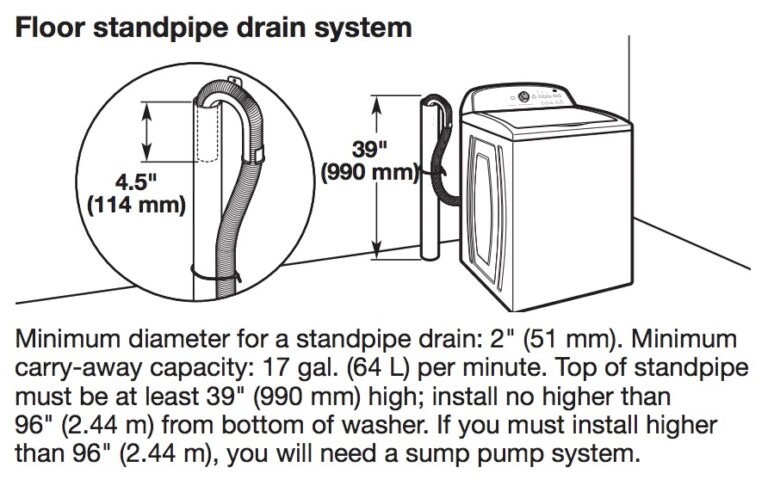
Venting a washing machine drain involves connecting the drain hose to a standpipe that is properly vented. The standpipe must be connected to a vent stack or use an air admittance valve (AAV).
The washing machine discharge hose should be securely placed into the standpipe. The standpipe must allow air to flow freely to prevent pressure build-up. This is called pressure equalization.
A common method is standpipe venting, which uses a vertical pipe connected to the main vent stack. If the vent stack is not nearby, an AAV can be installed to let air in.
Using a washing machine trap vent or a trap prevents sewer gases from coming back through the drain. The trap also holds water to block smells.

📌 Step-by-Step Guide: Install Washing Machine Vent Pipe
- Measure the distance from your washing machine to the drain standpipe.
- Install a standpipe at least 18 inches tall and 2 inches in diameter.
- Connect the washing machine drain hose to the standpipe, securing it with a clamp.
- Attach a trap on the drain pipe to hold water and block odors.
- Connect the standpipe to a vent stack or install an air admittance valve nearby.
- Check all connections for leaks and ensure the vent pipe allows air flow.
Remember, local plumbing vent code must be followed for safety and effectiveness.
Common Washing Machine Drainage Problems
Drainage problems often come from clogged traps, blocked vent pipes, or bad venting. This causes slow draining or water backing up.
Bad venting can also cause a washing machine drain backflow. This means water flows back into the machine or standpipe, causing spills and damage.
Another issue is a washing machine drain air break failure. This break stops sewer gases from coming through the drain hose.
If you notice bad smells, the cause is often poor venting or a dry trap. Good venting and keeping the trap full of water prevents this.
For tips on removing odors, see our guide on how to remove smell from washing machine.
Choosing the Right Venting Method
There are two main ways to vent a washing machine drain: using a vent stack or an air admittance valve (AAV). Both work well but have different setups.
Vent stacks connect to the house’s main plumbing vents. This is the most common and code-approved way. It ensures good air flow and pressure equalization.
AAVs are used when connecting to a vent stack is hard. They let air in but keep sewer gases out. AAVs are small and easy to install but must be placed where code allows.
Below is a table comparing these methods for better understanding.
| Venting Method | Pros | Cons | Code Acceptance |
|---|---|---|---|
| Vent Stack | Reliable airflow, no moving parts | Needs space and proper roof vent | Widely accepted |
| Air Admittance Valve (AAV) | Easy to install, compact | Can fail, limited placement | Accepted in many areas |
Choosing the right method depends on your home’s plumbing setup and local regulations.
For more details on adding vents, check discussions on vent placement for washer drains.
Preventing Drain Odor and Maintenance Tips
Bad smells from the washing machine drain are often caused by dry traps or clogged vents. To prevent this, run water through the drain regularly to keep the trap full.
Cleaning the drain hose and trap helps avoid build-up that can trap odors. Using a mild cleaner keeps pipes clear without damage.
Inspect the vent pipe and standpipe for clogs or damage yearly. Fix any leaks or blockages to keep air flowing. Good ventilation stops smells and drainage issues.
Use our guide on cleaning washing machine drains for detailed maintenance.
🚀 Summary of Washing Machine Venting Requirements
- ✅ Standpipe height: at least 18 inches
- ✅ Standpipe diameter: minimum 2 inches
- ✅ Include a trap to block sewer gases
- ✅ Connect to a vent stack or use an air admittance valve
- ✅ Follow local plumbing vent code
- ✅ Secure the drain hose to prevent backflow
Proper venting ensures smooth water drainage and stops bad odors. Regular checks and maintenance keep the system working well.
⭐ Expert Insight
Experts agree that venting is often overlooked but is critical for drain function. Installing a washing machine trap vent and ensuring air admittance is key to long-term performance. Poor venting leads to costly repairs and health risks from sewer gases.
Always hire a licensed plumber if unsure about vent pipe installation or code compliance. This protects your home and ensures your washing machine runs efficiently.
Frequently Asked Questions
Why is venting important for a washing machine drain?
Venting allows air to flow in the drain pipes, which helps water drain smoothly and prevents sewer gases from entering your home.
What is an air admittance valve and how does it work?
An air admittance valve (AAV) is a one-way valve that lets air enter the drain system when water flows out, stopping negative pressure that can slow drainage or cause odors.
Can I vent a washing machine drain without a vent stack?
Yes, you can use an air admittance valve or connect to a nearby vent pipe following plumbing vent code to ensure proper airflow.
What causes a washing machine drain to smell bad?
Bad odors often come from poor venting, a clogged drain trap, or standing water in the drain hose that allows sewer gases to escape.
How high should the standpipe be for washing machine drainage?
Building codes usually require the standpipe to be at least 18 inches tall to prevent backflow and allow proper venting.

Keith Boyd Is A Seasoned Appliance Care Expert With Over A Decade Of Experience In Home Appliance Maintenance. His Authoritative Insights On Washing Machine Care And Upkeep Are Trusted By Homeowners Nationwide. With A Passion For Educating Others, Keith Shares Valuable Tips That Ensure Your Appliances Run Smoothly For Years To Come.