Introduction to Vinegar Cleaning for Washing Machines
Cleaning your washing machine is key to keeping your laundry fresh. Over time, mold, detergent residue. And odors build up inside. A natural way to clean is using white vinegar. This safe, effective cleaner dissolves grime and kills bacteria. Vinegar cleaning supports your washing machine maintenance routine to extend the machine’s life and improve laundry results.
Many experts recommend vinegar for its acetic acid. This breaks down buildup and deodorizes. Whether you have a front load washer or top load washer, vinegar helps remove washing machine odor and mold safely. This article shares machine cleaning tips to keep your appliance clean, odor-free. And working well.
Before starting, always check your machine manual for specific guidance. Let’s explore how to clean washing machines with vinegar and boost laundry hygiene naturally.
Why Use Vinegar to Clean Your Washing Machine?
White vinegar is a natural washing machine cleaner. Its acetic acid fights mold and mildew that cause odors. It also dissolves washing machine detergent residue and fabric softener buildup. This buildup can clog parts or reduce cleaning power.
Unlike harsh chemicals, vinegar is eco-friendly and safe for most machine parts. It works in the washing machine drum, rubber gasket. And filter. Vinegar also helps remove washing machine scale buildup caused by hard water. It’s a low-cost, easy solution to keep your washer fresh and running smoothly.
For a deeper understanding of this mechanic, analyzing resources on washing machine cleaning methods provides excellent foundational context.
Step-by-Step Guide: How to Clean Washing Machine with Vinegar
Follow these steps to use vinegar effectively in your cleaning cycle. This process fits both front load and top load washers. Regular cleaning prevents mold and odors.
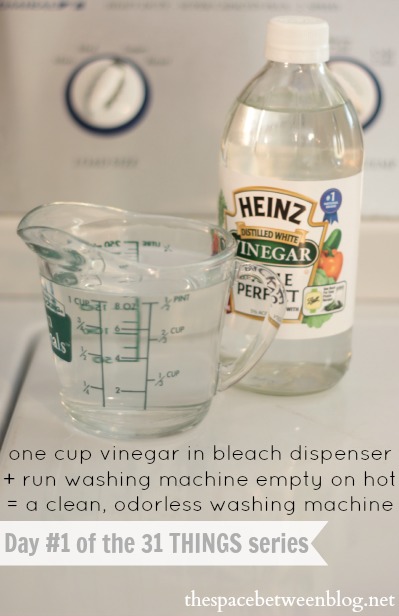
Start with about 2 cups of white vinegar. Pour it directly into the drum or detergent dispenser.
Set your washing machine to the hottest and longest cleaning cycle available. This allows vinegar to dissolve residue and kill bacteria deeply.
After the cycle ends, wipe the rubber seal and door with a cloth soaked in vinegar. This targets mold in hard-to-reach spots.
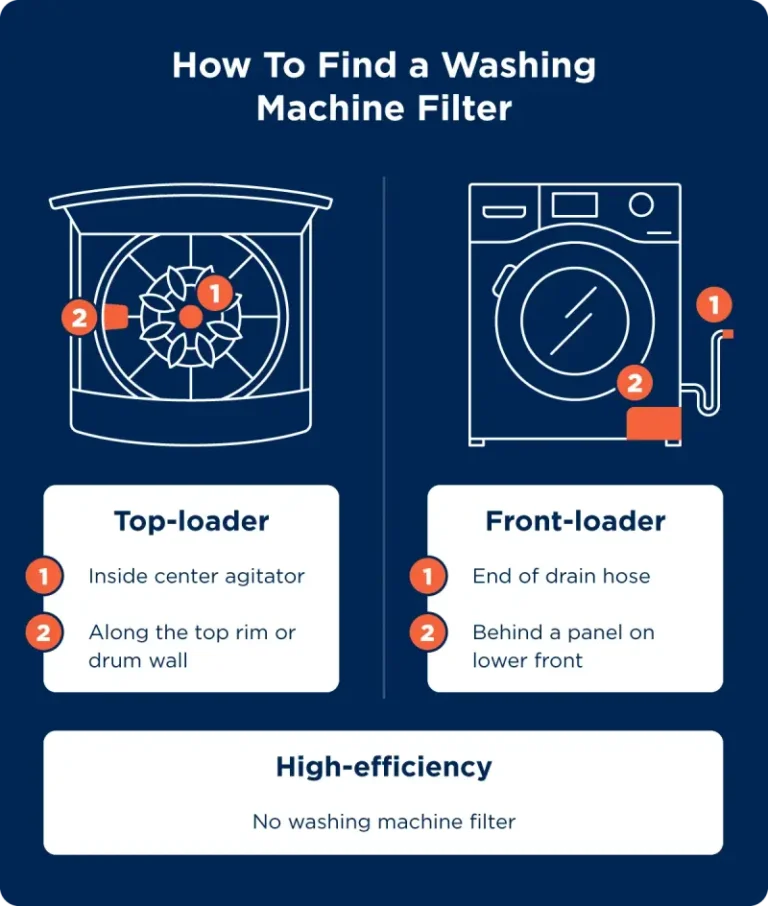
For front loaders, check the detergent drawer and clean it with vinegar if needed. Also, clean the washing machine filter regularly to remove lint and debris.
Let the door stay open after cleaning to air dry and prevent mildew growth.
Repeat this process monthly for best results in washing machine mold removal and deodorization.
Below is a quick checklist for this vinegar cleaning routine:
✅ Run hottest, longest cycle
✅ Wipe rubber seal and door
✅ Clean detergent drawer (front loaders)
✅ Clean washing machine filter
✅ Leave door open to dry
Cleaning Front Load vs. Top Load Washers
Front load washers often trap more water in the rubber gasket. This creates mold and mildew buildup. Cleaning the rubber seal with vinegar is crucial. You can learn more about detailed cleaning of these seals at how to clean front loader washing machine rubber seal. Wiping the seal monthly reduces mold risk.
Top load washers have a washing machine drum exposed to air and water. However, detergent residue and scale buildup still occur. Using vinegar in a cleaning cycle dissolves these deposits. Also, clean the washing machine filter and drain hose occasionally for full maintenance.
Both washer types benefit from natural washing machine cleaners like vinegar to maintain laundry cleanliness and machine health.
Common Washing Machine Problems Fixed by Vinegar
Many issues arise from neglecting washing machine maintenance. Vinegar helps solve:
- ✅ Mold and mildew inside the drum and gasket
- ✅ Musty or sour washing machine odor
- ✅ Detergent and fabric softener buildup
- ✅ Scale buildup from hard water
- ✅ Reduced cleaning performance
Regular vinegar cleaning keeps your machine fresh and efficient. It improves rinse cycles by clearing residue that traps dirt and bacteria.
Here is a table showing these problems and how vinegar helps:
| Problem | Cause | How Vinegar Helps |
|---|---|---|
| Mold & Mildew | Trapped moisture, rubber seal | Kills mold and cleans seals |
| Bad Odor | Bacteria, mildew buildup | Deodorizes and kills bacteria |
| Detergent Residue | Excess detergent use | Dissolves residue and buildup |
| Scale Buildup | Hard water minerals | Breaks down mineral deposits |
| Low Cleaning Power | Clogged filters, buildup | Restores rinse and wash efficiency |
Cleaning your washing machine regularly with vinegar supports laundry hygiene and machine longevity.
:max_bytes(150000):strip_icc()/how-to-wash-cloth-diapers-2146226-03-b8b4b7c954624ca98c049eec14a91570.jpg "Yes, You Can Clean Your Washing Machine Using Just Vinegar—Here's How (Figure)")
Additional Machine Cleaning Tips
To keep your washing machine in top shape, combine vinegar use with these tips:
- Use the right amount of detergent to avoid excess residue.
- Run a monthly cleaning cycle with vinegar or a natural washing machine cleaner.
- Wipe down the rubber gasket and door after each use.
- Leave the door open after washing to air dry.
- Clean the washing machine filter regularly.
Following a maintenance routine prevents mold growth and odors. It also reduces the need for harsh chemicals.
Here is a comparison table of vinegar vs. commercial washing machine cleaners:
| Cleaning Method | Effectiveness | Safety | Cost |
|---|---|---|---|
| White Vinegar | High for mold, odors, residue | Safe for most machines | Low |
| Commercial Cleaners | Very high | Some chemicals may harm parts | Medium to High |
Choosing vinegar as a natural washing machine cleaner balances effectiveness, safety. And cost.
Conclusion: Keep Your Washing Machine Fresh with Vinegar
Cleaning your washing machine with vinegar is a simple, natural way to fight mold, odors. And buildup. It works well for both front load and top load washers. The acetic acid in white vinegar breaks down residue and kills bacteria that cause bad smells.
Regular vinegar cleaning supports laundry hygiene and extends your machine’s life. Combine it with wiping seals and cleaning filters for best results. Remember to leave the door open to air dry after cleaning. This stops mildew from returning.
For more detailed advice on maintaining your appliance, consider exploring proper care for washing machine parts. For instance, this guide on front-load washer cleaning offers helpful insights.
With these tips, your washing machine will stay clean, fresh. And ready for every laundry load in 2026 and beyond. Embrace vinegar as your trusted natural washing machine cleaner today!
Frequently Asked Questions
Is vinegar safe for washing machines?
Yes, white vinegar is safe for most washing machines. It helps remove mold, mildew, and detergent residue without damaging parts.
How often should I clean my washing machine with vinegar?
Cleaning your washing machine with vinegar once a month helps prevent mold buildup and bad odors, ensuring better laundry hygiene.
Can vinegar remove washing machine odors?
Yes, vinegar’s acetic acid helps deodorize the washing machine by killing bacteria and neutralizing smells.
Should I clean front load and top load washers differently?
Both types benefit from vinegar cleaning, but pay special attention to the rubber seal in front load washers where mold often builds.
Can vinegar damage rubber seals or detergent dispensers?
When used properly, vinegar is safe and effective for rubber seals and detergent dispensers. Avoid excessive use to prevent wear.

Keith Boyd Is A Seasoned Appliance Care Expert With Over A Decade Of Experience In Home Appliance Maintenance. His Authoritative Insights On Washing Machine Care And Upkeep Are Trusted By Homeowners Nationwide. With A Passion For Educating Others, Keith Shares Valuable Tips That Ensure Your Appliances Run Smoothly For Years To Come.