Understanding Wash Cycle Duration
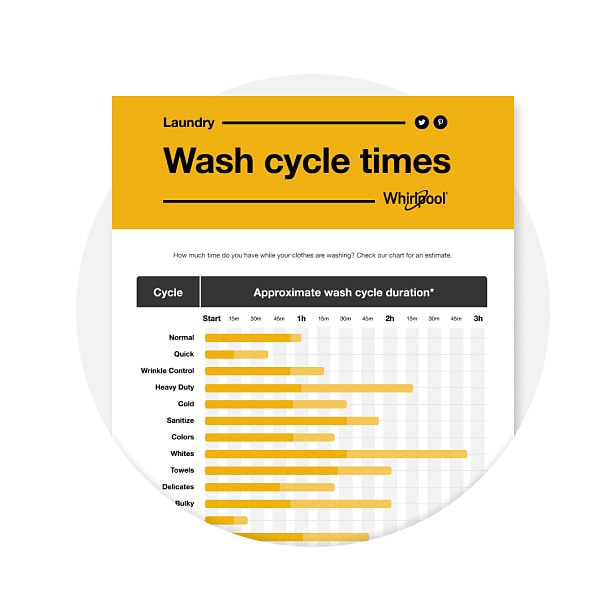
Washing machine cycle duration varies widely. It depends on the type of machine, the chosen wash program. And the load size. Standard wash time for many machines lasts about 45 to 60 minutes. This includes washing, rinsing. And spinning phases. Different cycles have different lengths based on intensity and fabric needs.
Front load washers typically have longer cycle times compared to top load washers. They use less water but perform more efficient cleaning. On the other hand, top load washer wash duration is often shorter but uses more water and energy.
For a deeper understanding of this mechanic, analyzing resources on washing machine cycle duration provides excellent foundational context.
Factors Impacting Cycle Length
Several factors affect how long a washing machine takes to wash clothes. Wash load size impact is significant. A full or heavy load takes more time to clean than a small load. Energy consumption washing machine settings also matter. Eco wash mode duration is longer but saves energy and water.
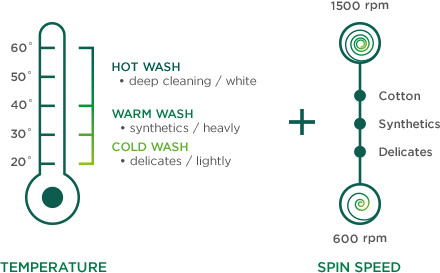
Water temperature choice makes a difference too. Cold wash vs hot wash cycles vary in length. Hot cycles may be shorter but use more energy. Cold washes are gentler but sometimes longer to ensure cleanliness.
Automatic detergent dispenser timing and wash intensity settings also influence cycle time. Machines with smart washer cycle adjustments can optimize timing based on sensors.
Fabric type wash settings matter as well. Delicate cycle washing time is usually longer to protect sensitive fabrics while ensuring stain removal washing time is adequate for tough soils.
Common Washing Machine Cycles and Times
Different wash programs have different cycle durations. Below is a breakdown of popular cycles and their typical times.
| Cycle Type | Approximate Duration | Purpose |
|---|---|---|
| Standard Wash | 45-60 min | Regular washing for most fabrics |
| Quick Wash | 15-30 min | Lightly soiled clothes or small loads |
| Heavy Duty | 60-90 min | For heavily soiled items |
| Delicate | 40-60 min | Gentle cycle for sensitive fabrics |
| Eco Wash | 75-120 min | Energy-saving mode with longer cycle |
Understanding these cycles helps users pick settings that balance cleaning and time. Heavy duty wash cycle uses high wash intensity and longer rinse cycle length for best stain removal.
Spin cycle speed also affects total cycle time. Higher washing machine spin speed reduces drying time but may add slight noise. Modern machines allow cycle customization to adjust spin speed and rinse hold phases.
Load Capacity and Cycle Effect
Wash load weight directly affects cycle duration. Overloading a machine can make cycles longer or less effective. Underloading wastes water and energy. Sensor technology in smart washers detects load size and adjusts water usage washing cycles accordingly.
Proper load distribution also helps balance washing and spin cycles. Uneven loads can trigger delays or extra balancing spins. For best results, avoid overstuffing and follow recommended load capacity for your machine type.
Choosing the right detergent type and fabric care settings further optimize wash results and cycle length. Using too much detergent can cause longer rinse cycles. Many modern machines include automatic detergent dispenser timing to release detergent at optimal moments.
Washing Machine Timer Delay and User Interface
Many washers offer washing machine timer delay options. This allows users to set cycles to start later, fitting laundry into daily schedules. It can also help take advantage of off-peak energy rates.
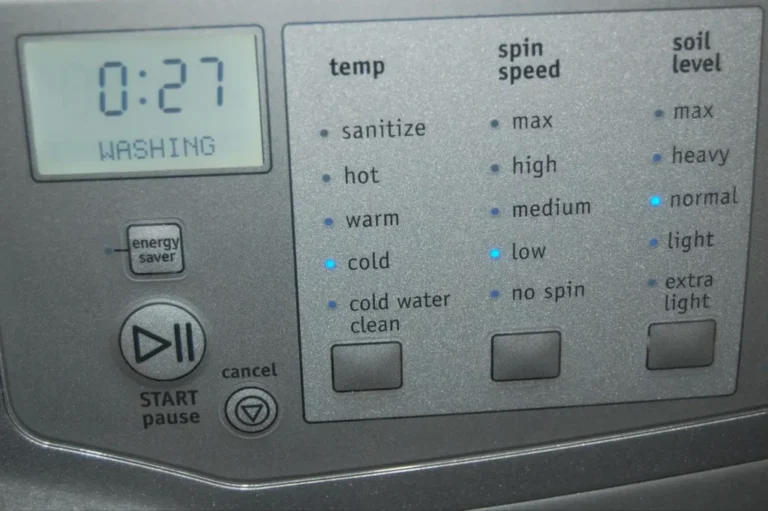
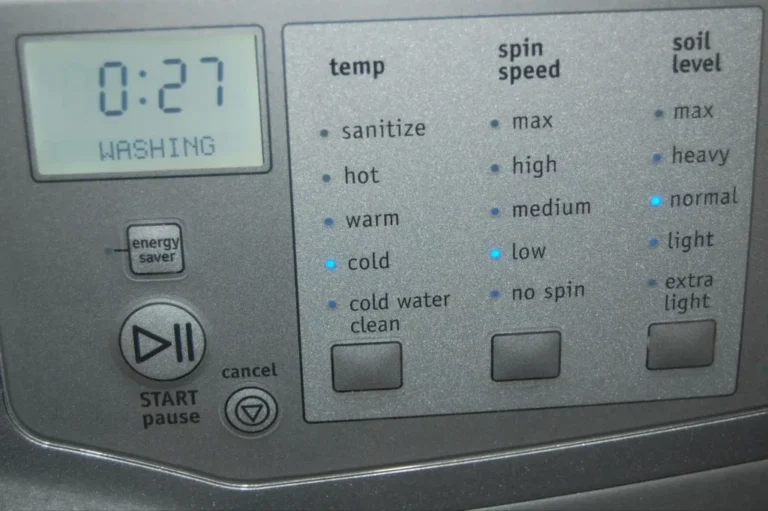
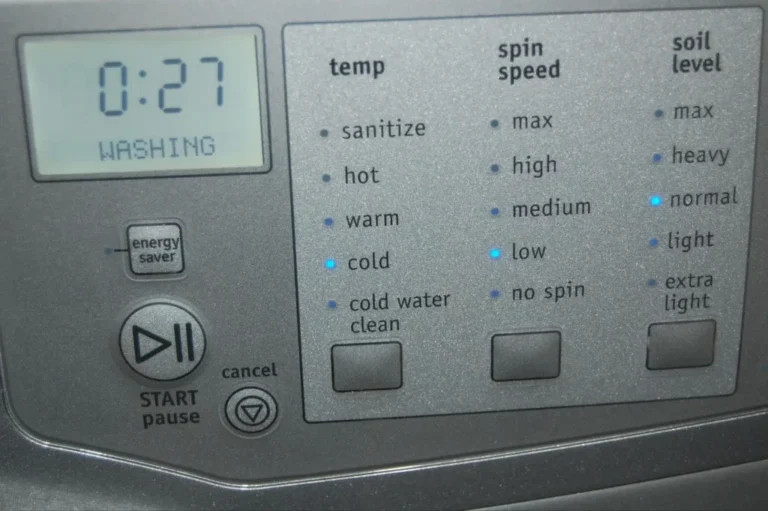
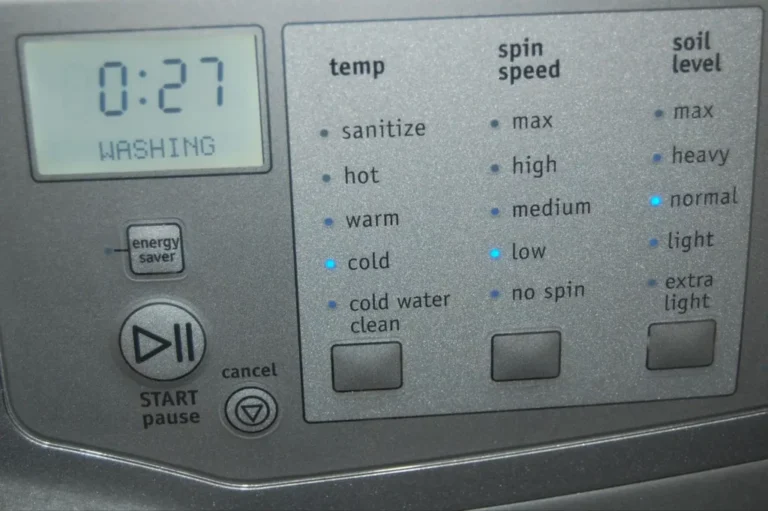
The user interface on modern machines is a key factor in cycle selection. Clear options for fabric sensitivity, soil level. And temperature help users customize cycles easily. Some smart models even suggest optimal settings based on previous loads.
Cycle customization enhances user experience and can improve energy efficiency. For example, selecting rinse hold keeps clothes wet until ready to unload, preventing wrinkles but extending cycle time.
Cold Wash vs Hot Wash: Which Is Better?
Cold wash cycles have gained popularity for energy savings. They use lower water temperature, which reduces energy consumption washing machine demands. However, cold water may require longer cycle duration to remove stains effectively.
Hot wash cycles are faster and better at killing bacteria but use more electricity. Industry consensus indicates that cold washes with the right detergent and cycle settings can clean just as well for most clothes.
Choosing between cold and hot wash depends on fabric type, soil level. And personal preference. For delicate fabrics, cold wash is safer. For heavy soil or sanitizing needs, hot wash is preferred.
⭐ Expert Insight: Cycle Optimization in 2026
Smart washers in 2026 use advanced sensors and AI to optimize cycle duration and performance. They analyze wash load weight, fabric type. And stain level to adjust water use and spin speed. This reduces energy waste and improves fabric care.
Smart cycle adjustments also allow for eco and quick wash modes that save time and resources without sacrificing cleaning quality. Users benefit from shorter cycles for light loads and longer, more thorough cycles when needed.
For longevity, proper cycle selection and load management are crucial. Learn more about how long do washing machines last to maintain your machine well.
📌 Step-by-Step Guide to Selecting Optimal Cycle
- Check fabric care labels on your clothes.
- Sort laundry by color, fabric type. And soil level.
- Choose appropriate wash program (standard, delicate, heavy duty, quick, eco).
- Adjust water temperature (cold or hot) based on fabric and stain needs.
- Set load size and spin speed to match the load weight.
- Use automatic detergent dispenser if available.
- Activate timer delay if you want to start later.
Following these steps ensures efficient washing and extends fabric life.
🆚 Comparison Table: Front Load vs Top Load Wash Times
| Machine Type | Standard Wash Time | Energy Use | Water Use | Spin Speed |
|---|---|---|---|---|
| Front Load Washer | 45-60 min | Low | Low | High (up to 1400 rpm) |
| Top Load Washer | 30-45 min | Higher | Higher | Lower (up to 800 rpm) |
Front load washers tend to have longer cycles but use less energy and water. Top load washers are faster but less efficient. Choice depends on user priorities.
Final Thoughts on Washing Machine Cycle Durations
Washing machine cycle duration depends on many factors including machine type, load size, fabric type. And selected wash program. Modern smart washers optimize these elements to save energy, water. And time.
Choosing the right cycle improves cleaning, protects fabrics. And reduces wear on your machine. Balancing cold vs hot wash and using features like timer delay and automatic detergent dispensers enhance convenience and efficiency.
For more tips on caring for your laundry, see our guide on how to wash soft toys washing machine.
Frequently Asked Questions
What is the average wash cycle duration for a washing machine?
The average wash cycle duration ranges from 30 to 60 minutes, depending on the machine type, wash program, and load size.
How does fabric type affect washing machine cycle time?
Delicate fabrics require gentler and often longer cycles, while regular fabrics can be washed on shorter, more intense cycles.
Does using cold water affect the washing time?
Cold wash cycles may take slightly longer to clean effectively, but modern machines adjust the cycle to maintain performance.
What is the quick wash setting on washing machines?
Quick wash is a shorter cycle that lasts about 15 to 30 minutes, designed for lightly soiled clothes or small loads.
How do smart washers adjust cycle duration?
Smart washers use sensor technology to detect load size, soil level, and fabric type to customize and optimize cycle duration and energy use.

Keith Boyd Is A Seasoned Appliance Care Expert With Over A Decade Of Experience In Home Appliance Maintenance. His Authoritative Insights On Washing Machine Care And Upkeep Are Trusted By Homeowners Nationwide. With A Passion For Educating Others, Keith Shares Valuable Tips That Ensure Your Appliances Run Smoothly For Years To Come.