
Ever found yourself bleary-eyed and grumbling because your favorite Saturday morning felt stolen? Welcome to the fall time change. It’s that twice-a-year ritual that tweaks our clocks and our lives — and yes, it’s coming again in fall 2027. But when exactly? And why do we keep pulling this stunt on ourselves?
When Is the Time Change for Fall 2027?
Mark your calendars: the expected time change for fall 2027 will cascade through the United States on Sunday, November 7, 2027. At 2:00 a.m. locals will push their clocks back one hour, slipping into standard time. This move gives us an extra hour of sleep — a deceptive gift because the darker evenings make afternoons feel brief.
Key Dates for Fall 2027 Time Change
| Event | Date | Time |
|---|---|---|
| Fall 2027 Time Change (Clocks Fall Back) | Sunday, November 7, 2027 | 2:00 a.m. (local time) |
Why Do We Still Bother With Daylight Saving Time?

Source: bigfrog104.com
Some folks think this whole daylight saving business is a relic crafted to save candles or oil lamps. Truth is, its origins are tangled with wartime energy conservation, but the modern argument ticks differently.
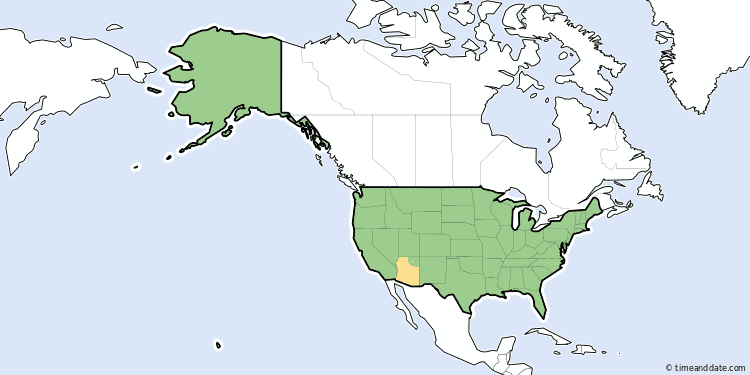
Source: www.timeanddate.com
- Farmers used to hate it (and still kinda do) because animals don’t read clocks. But oddly enough, agriculture wasn’t the primary reason for time changes — per historical research like that from the Farmers’ Almanac, it was more about saving energy and maximizing daylight hours for commerce.
- The U.S. Naval Observatory notes that DST is aimed at making better use of sunlight during warmer months, which theoretically reduces energy consumption for lighting (USNO FAQ on Daylight Time).
- Some states and countries want to scrap it altogether, arguing the disruptions outweigh the benefits — a debate that hasn’t settled despite decades of tweaking.
How to Handle the Clock Change Like a Pro
Imagine this: you run a coffee shop on Main Street, and suddenly your early morning crowd feels deserted because everyone’s internal clocks are off. What’s your move? Understanding how to adjust matters.
- Start shifting your schedule a few days before November 7 by going to bed 15 minutes earlier each night.
- Get more sunlight during the day to help reset your body’s internal clock.
- Avoid caffeine and heavy meals close to bedtime on the weekend of the time change.
- Use automatic updates on smartphones and computers as your friend to avoid confusion.

Source: www.farmersalmanac.com
Learn more about managing these transitions from the National Institute of Standards and Technology, which manages official U.S. time standards and offers practical advice.
What About Other Countries in Fall 2027?
Not everyone jumps on the same day or even keeps daylight saving time at all. Europe, for instance, usually flips clocks back late October rather than November. Meanwhile, many parts of Asia and Africa don’t do daylight saving at all — they shrug while we fuss over clocks. Here’s a quick snippet:
- European Union countries expected to end DST on the last Sunday of October 2027, which will be October 31 (Webexhibits Daylight Saving FAQ).
- Major regions in Asia and Africa do not change clocks.
Frequently Asked Questions (FAQ)
What exactly happens when the clocks fall back?
On the designated Sunday at 2:00 a.m., clocks get set back to 1:00 a.m.—giving an extra hour that night. It means sunrise and sunset happen an hour earlier, so mornings are lighter but evenings are darker.
Is the fall 2027 time change date fixed?
The date for the fall 2027 time change is expected to be November 7, according to current federal guidelines, but final confirmation will come as the year approaches depending on government updates.
Why do some states not observe daylight saving time?
States like Arizona and Hawaii skip it, mostly to avoid the hassle and because the energy-saving benefits are minimal in their climates. Policies can vary, reflecting local priorities and public opinion.
Does changing the clocks impact health?
Yes, it can disrupt sleep patterns, resulting in grogginess or increased accident risk right after the switch. The USAFacts report discusses some of the health and economic effects linked to these changes.
How can I remember which way to change my clock?
Here’s a timeless trick: “Spring forward, fall back.” In spring, you move clocks ahead an hour; in fall, you set them back—meaning you gain that precious extra hour of sleep.
Disclaimer: All dates and information are based on the most recently available official sources and are subject to change. Always verify with the official institution website for the most current details.

Arlen Bernier specializes in creating high-resolution digital graphics and functional planning templates. With a passion for productivity, Jay designs printable calendars that help users organize their time effortlessly.