Ever caught yourself scratching your head wondering, “When exactly do we turn the clocks back in 2027?” Hold tight, because the Fall Back Time Change 2027 isn’t just another date on the calendar. It’s the moment when we grab an extra hour of sleep—or, for some, face a distinct shift in their schedules. Why does this matter? Because this moment is a pivot point steering our routines, energy bills, and even mood changes.
Marking the Moment: Key Dates for Fall Back 2027
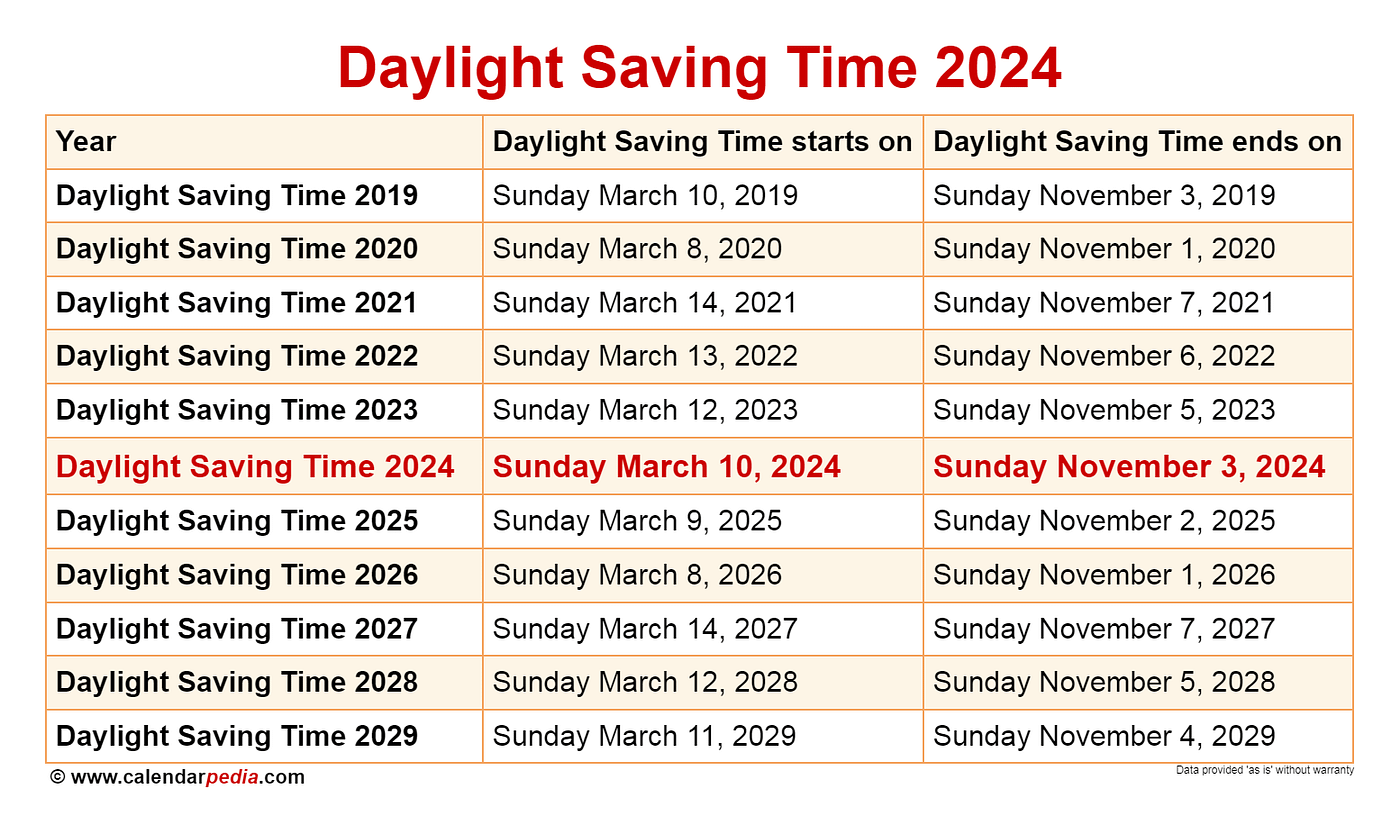
The clocks of the USA are set to fall back by one hour on the first Sunday in November 2027. Specifically, this happens at 2:00 AM local daylight time, instantly switching your clock to 1:00 AM standard time. This means more darkness in the evening but lighter mornings. If you love that extra morning light, this shift’s for you.
Source: digitalsurvivor.medium.com
Fall Back 2027 Exact Date
| Event | Date & Time |
|---|---|
| Fall Back Time Change 2027 (End of DST) | November 7, 2027, at 2:00 AM local time |
Why Do We Even Fall Back?

Source: www.farmersalmanac.com
People have debated Daylight Saving Time (DST) for decades. Some swear by it, citing energy savings and better use of daylight. Others see it as a relic that messes with sleep and causes confusion. The fundamental goal of falling back is to match our waking hours better with the sun’s schedule, you know, natural timing.
- According to the official Wikipedia page on US Daylight Saving Time, the system started during World War I to save fuel by reducing artificial lighting.
- The U.S. Naval Observatory manages the official time and reminds us that shifts happen twice a year: spring forward and fall back.
Bottom line? The fall back gives a breather to the evening hours—though it might crank frustrations in your body clock.
How Does the 2027 Fall Back Impact You?
Picture Sarah, a nurse working the night shift at a hospital in Illinois. That night when the clock falls back, her shift technically gains an hour, letting her stay awake longer but also confusing billing and payroll if the hospital’s system isn’t updated properly. That’s just one slice of the real-life ripple effect.
Source: www.timeanddate.com
- Sleep patterns often get disrupted. That extra hour sometimes causes grogginess or wakefulness at odd times.
- Businesses that operate across different time zones need to ensure schedule accuracy to prevent costly mishaps.
- Standard energy usage debates spike: some argue the extra evening darkness increases electric consumption.
- If you’re commuting, be ready for darker evenings from November onwards, which can affect visibility and safety.
- The timeanddate.com resource for 2027 DST changes offers detailed, location-based information for anyone who wants to double-check their local observance.
States That Play by Different Rules
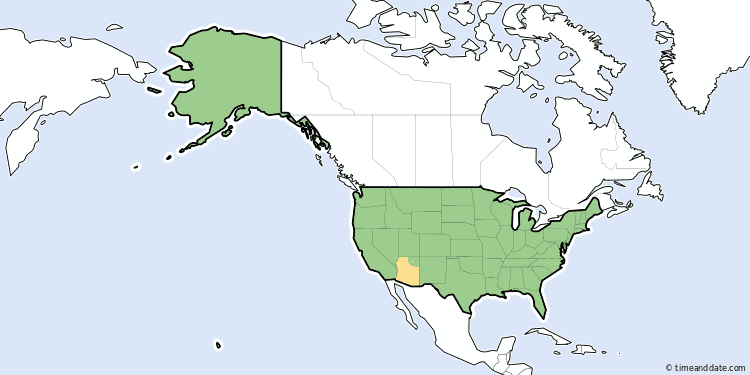
Not everyone in the U.S. joins the fall back party. Arizona (except the Navajo Nation) and Hawaii stick to standard time all year round. So, if you’re planning a call or road trip, don’t assume everyone flips their clocks back on the same day.

Source: bigfrog104.com
A quick heads-up: The patchwork of rules can trip people up if they’re not careful. The Webexhibits explanation on when clocks change is a handy guide to clarifying such exceptions, a must-read reference for any thoughtful planner.
Frequently Asked Questions About Fall Back Time Change 2027
What is the exact date and time for the Fall Back 2027?
The clocks fall back on November 7, 2027, at exactly 2:00 AM local daylight time, marking the end of daylight saving time for that year.
Does every state in the U.S. observe the fall back time change?
No. For instance, Arizona (excluding the Navajo Nation) and Hawaii do not observe daylight saving time changes, including the fall back.
How does the fall back time change affect my daily routine?
You gain an extra hour that night, which can mean better rest or confusion with schedules. The evenings get darker earlier, which may impact activities after work or school.
Who manages and regulates daylight saving time in the U.S.?
The policy is federally regulated, but time observance is coordinated with assistance from organizations such as the United States Naval Observatory, which keeps official time.
Is the fall back time change in 2027 expected to be the same as previous years?
Yes, the fall back in 2027 follows the established schedule under the Energy Policy Act of 2005, which sets DST to end on the first Sunday of November annually.
Disclaimer: All dates and information are based on the most recently available official sources and are subject to change. Always verify with the official institution website for the most current details.

Arlen Bernier specializes in creating high-resolution digital graphics and functional planning templates. With a passion for productivity, Jay designs printable calendars that help users organize their time effortlessly.