Have you ever paused mid-conversation and blurted out, “Is 2027 a leap year?” If you have, you’re not alone. These odd-year questions pop up more often than you’d think, especially as we inch closer to new calendars. Spoiler: 2027 is NOT a leap year. But why? Let’s get into the nitty-gritty.
Why Some Years Get an Extra Day
Before we zero in on 2027, it pays to know why leap years exist at all. Earth doesn’t orbit the sun in an exact 365 days; it actually takes about 365.2425 days. That fraction piles up over time, messing with calendars. Skip adding a day every four years and (bam!) seasons start drifting away from their usual spots. Here’s the catch: locking in a whole day every four years fixes this drift, but it’s not a flawless solution.
The official rule came from astronomers and calendar experts, laid out clearly on Wikipedia’s detailed Leap year page. Basically:
- Years divisible by 4 are generally leap years.
- Years divisible by 100 are NOT leap years, unless…
- They’re also divisible by 400, then they ARE leap years.
This rule keeps our calendar aligned with Earth’s orbit almost perfectly.

Source: templacity.com
So, What About 2027?
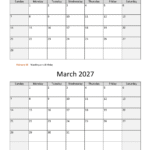
Take a quick peek at the number: 2027. It’s not divisible by 4. Check it yourself—2027 ÷ 4 is 506.75. Since it’s not a whole number, 2027 skips the leap year club entirely. That means February 2027 will have just 28 days like every normal year. Simple math, but surprisingly tricky if you don’t remember the exact rules.
Check out this analysis on Templacity’s explanation on 2027 and leap years for a straightforward breakdown.
Impact of Leap Years on Your Calendar and Planning
Alright, you might be thinking, “So what if 2027 isn’t a leap year?” Well, here’s the rub: leap years do more than just give you a bonus day. They keep everything – holidays, seasons, birthdays – chronologically neat and on-point.
- If 2027 had been a leap year, everyone born on Feb 29 would be celebrating their official birthday that year. Since it’s not, they wait four years (or settle for Feb 28 or Mar 1).
- For businesses, fiscal calendars get adjusted based on whether the year has 365 or 366 days, impacting budgets and financial forecasts.
- Farmers and gardeners track seasons tightly; leap years help in planning planting and harvesting cycles.
In short, a leap year slipping in or out changes a lot more than just your party plans.
Upcoming Leap Years to Watch
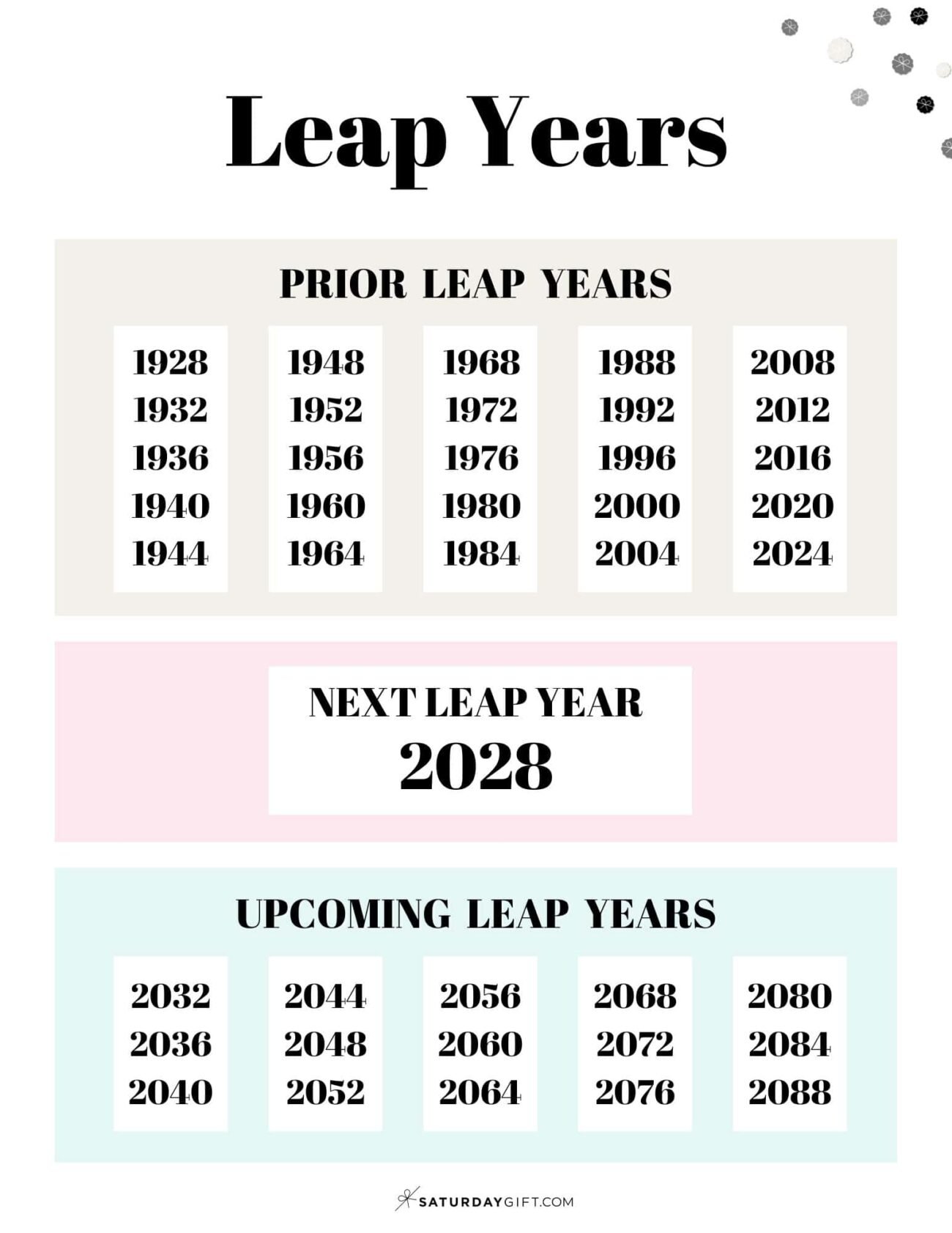
Feeling left out that 2027 skips the leap day? Don’t fret. The next leap years are just around the corner:

Source: www.calendarlover.com
| Year | February Days | Notes |
|---|---|---|
| 2028 | 29 | Next official leap year |
| 2032 | 29 | Leap year after 2028 |
These dates follow the exact logic described by the U.S. Naval Observatory’s official leap year FAQ, which is a gold-standard reference for anyone curious about how we keep time in sync with the cosmos.
Quick FAQ on Leap Years & 2027
Is 2027 a leap year?
No. It does not meet the divisibility criteria set for leap years, thus February has 28 days in 2027.
How often do leap years occur?
Generally, every four years except for years divisible by 100 but not by 400, as defined by the Gregorian calendar. This pattern was solidified to keep our calendar accurate.
What happens to people born on February 29 in non-leap years?
They typically celebrate on either February 28 or March 1 during non-leap years.
Why don’t we just add a leap second instead of a leap day?
Leap seconds are for correcting Earth’s rotational irregularities and happen occasionally, whereas leap days adjust our calendar year length to match the orbit time around the sun, a separate issue entirely.
When is the next leap year after 2027?
The next leap year is 2028, which will include February 29.
Disclaimer: All dates and information are based on the most recently available official sources and are subject to change. Always verify with the official institution website for the most current details.

Source: www.asucla.ucla.edu

Arlen Bernier specializes in creating high-resolution digital graphics and functional planning templates. With a passion for productivity, Jay designs printable calendars that help users organize their time effortlessly.