Introduction to Washing Machine Cleaning
Keeping your washing machine clean is key to fresh clothes and good machine health. Over time, soap scum, mold. And odors can build up inside the drum and parts. In our experience, using natural cleaning agents like vinegar and baking soda works well for a deep clean. These ingredients help remove detergent residue and kill odor-causing mold spores without harsh chemicals.
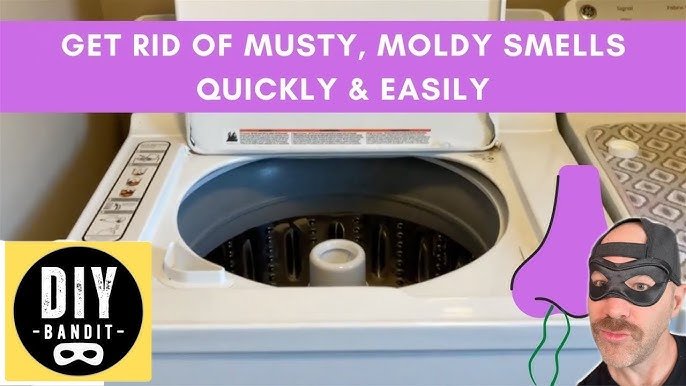
We recommend adding these simple steps to your washing machine maintenance routine. For more detailed care on specific washer types, check out our guide on how to clean top loading washing machine. This helps you keep your laundry appliance fresh and working well.
Let’s dive into the best ways to use vinegar and baking soda to clean your washing machine drum and other parts.
Why Use Vinegar and Baking Soda?
Vinegar contains acetic acid, which breaks down soap scum and kills mold spores. Baking soda, or sodium bicarbonate, is a gentle abrasive and deodorizer. When combined, they create a fizzing reaction that helps lift grime and residue.
This reaction also helps remove biofilm, a slimy layer that can harbor odors and germs. Plus, these natural agents are environmentally friendly, leaving no harmful residues behind. Using them helps prevent washing machine odor and buildup that reduce cleaning power.
For those curious about the chemical side, see this vinegar and baking soda washing machine cleaning recipe that explains how to mix and use these safely.
Step-by-Step Guide to Clean Your Washer
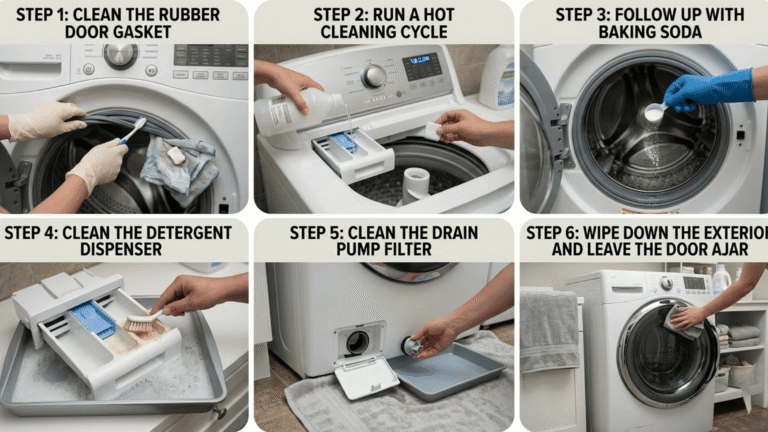
We have tested this cleaning cycle on both front-loading and top-loading washers. Follow these steps for best results:

- Remove any clothes and clean the detergent dispenser and softener dispenser by hand.
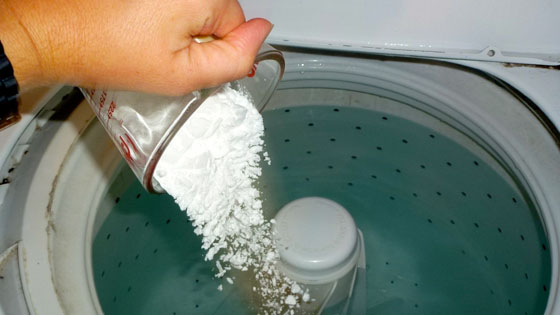
- Add 1 cup of baking soda directly into the washing machine drum.
- Pour 2 cups of white vinegar into the detergent dispenser or drum.
- Run the washer on the hottest water setting and the longest cleaning cycle available.
- After the cycle finishes, wipe the drum, gasket. And door with a clean cloth.
- Run an extra rinse cycle to clear any remaining residue.
For front-loading washers, pay special attention to the rubber gasket where mold often hides. For top loaders, clean the drum edges and agitator well to remove soap scum.
Be sure to use hot water as it helps dissolve buildup and activates the cleaning solution. We found that a rinse cycle at the end helps flush out leftover vinegar and baking soda, leaving no residue.
Cleaning the Drum and Gasket
The drum is the main part where clothes go. And it can trap dirt and detergent buildup. Using baking soda inside the drum loosens grime, while vinegar dissolves soap scum. We recommend wiping the drum dry after cleaning to stop mold from growing.
The washing machine gasket, especially on front loaders, can trap moisture and mold spores. Use a cloth soaked in vinegar to clean the gasket folds and dry thoroughly. This helps eliminate mold in the washer and prevents bad smells.
If you notice stubborn mold, you can use a specialized washing machine mold remover. But vinegar and baking soda usually do the trick with regular cleaning.
How to Prevent Odors and Residue
To keep your washing machine smelling fresh, make a habit of leaving the door open after each wash. This lets moisture escape and stops mold spores from growing.
Use the right amount of detergent to avoid buildup inside the drum and dispenser. Hard water can cause residue, so consider adding a water softener if needed.
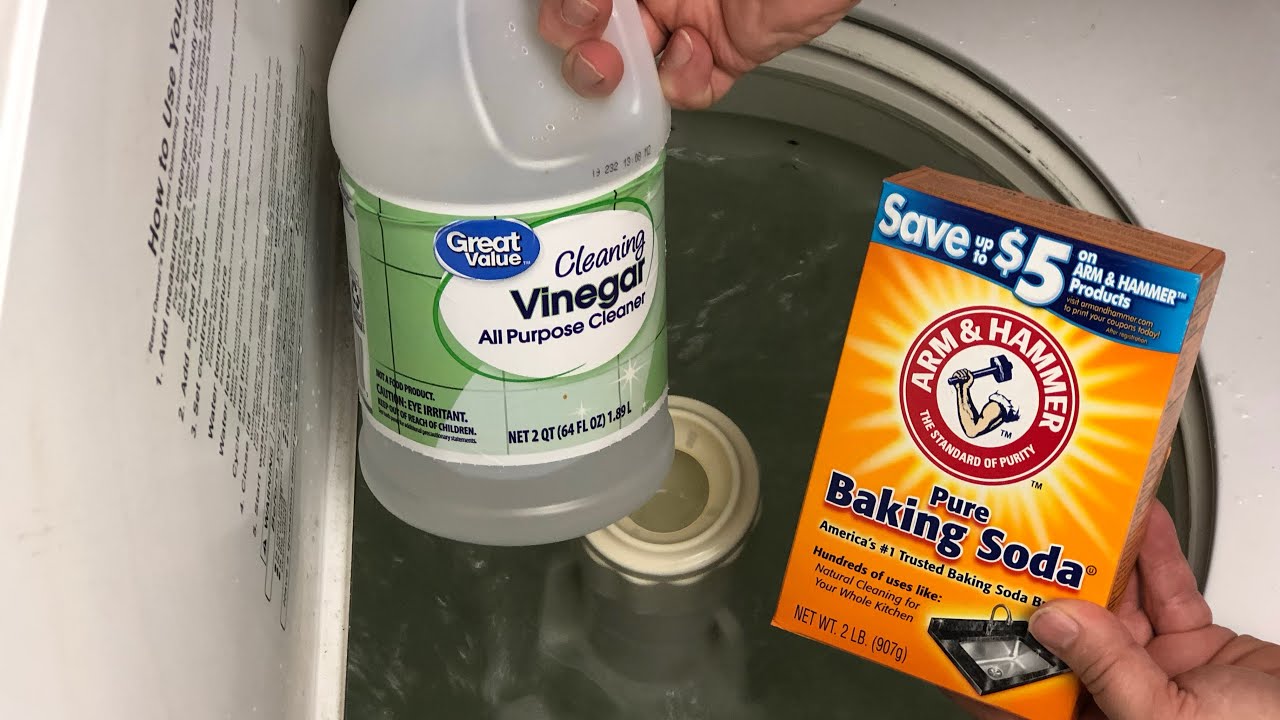
We also found running a monthly cleaning cycle with vinegar and baking soda prevents buildup and keeps the drum clean. This routine is good laundry appliance maintenance you should not skip.
For those wanting more tips on front loaders, check our detailed article on how to clean front load washing machine.
Natural Cleaning Methods vs. Chemical Products
While chemical cleaners can work fast, they often leave harsh residues. Natural agents like vinegar and baking soda are safer for your machine and the environment. We have found the natural method effective with regular use.
Here is a quick comparison:
| Aspect | Vinegar & Baking Soda | Chemical Cleaners |
|---|---|---|
| Effectiveness | Good for regular cleaning and odor removal | Strong on tough stains and mold |
| Safety | Non-toxic and eco-friendly | Can be harsh and toxic |
| Cost | Low cost and easy to find | Often more expensive |
| Environmental Impact | Biodegradable and safe | May harm water systems |
We recommend natural cleaning unless you face serious mold or residue buildup. Always follow product instructions carefully.
Extra Tips for Washing Machine Hygiene
Besides cleaning with vinegar and baking soda, here are some tips we use to keep washing machines fresh:
- ✅ Use high-efficiency (HE) detergent to reduce soap scum.
- ✅ Clean the softener dispenser monthly to prevent buildup.
- ✅ Check water temperature settings; hot water cleans better but uses more energy.
- ✅ Wipe the door seal and drum regularly to remove mold spores.
- ✅ Run an empty hot water cycle with vinegar if clothes start smelling bad.
Following these tips along with the cleaning routine improves washing machine hygiene and extends appliance life.
Summary of Washing Machine Cleaning Routine
Regular cleaning using vinegar and baking soda is a simple, natural way to keep your washing machine fresh. It removes detergent residue, neutralizes odors. And stops mold growth.
We suggest adding this to your maintenance schedule every 1 to 3 months. Pay attention to the drum, gasket. And dispensers for best results. Using hot water and a rinse cycle helps flush out buildup.
With these tips, your washing machine will work better, smell fresher. And avoid damage caused by residue and mold.
| Step | Action | Tip |
|---|---|---|
| 1 | Clean detergent dispensers | Remove and soak monthly |
| 2 | Add baking soda to drum | Use 1 cup for best effect |
| 3 | Pour vinegar in dispenser | Use 2 cups white vinegar |
| 4 | Run hot water cleaning cycle | Choose longest cycle |
| 5 | Wipe drum and gasket | Use cloth soaked in vinegar |
| 6 | Run extra rinse cycle | Flush out leftover residue |
Remember, consistency is key to preventing washing machine odor and buildup. Make this routine part of your laundry care for fresh clothes every wash.
Final Thoughts on Eco-Friendly Cleaning
We believe natural cleaning with vinegar and baking soda is a smart choice in 2026. It aligns with eco-friendly cleaning methods and reduces your environmental impact. Plus, it’s cheap, easy. And effective.
Try these tips and you’ll notice a cleaner machine and fresher laundry. If you want more cleaning hacks, we also recommend exploring safe ways to remove soap scum washer buildup and keep your laundry area tidy.
| Benefit | Why It Matters |
|---|---|
| Natural Ingredients | Safe for users and environment |
| Cost-Effective | Vinegar and baking soda are cheap |
| Easy Use | Simple steps anyone can follow |
| Odor Control | Keeps washer smelling fresh |
| Residue Removal | Stops detergent buildup and mold |
We hope you find these washing machine hygiene tips useful. Happy cleaning!
Frequently Asked Questions
Can vinegar and baking soda damage my washing machine?
When used in the right amounts, vinegar and baking soda are safe for washing machines and help remove buildup without harm.
How often should I clean my washing machine with vinegar and baking soda?
It is best to clean your washing machine every 1 to 3 months to maintain hygiene and prevent odors.
Can I use vinegar and baking soda on both front-loading and top-loading washers?
Yes, vinegar and baking soda work well for cleaning both front-loading and top-loading washing machines.
Why does my washing machine smell bad even after cleaning?
Persistent odors might be caused by hidden mold spores or detergent residue; thorough cleaning of the gasket and dispensers can help.
Is vinegar a good disinfectant for washing machines?
Vinegar’s acetic acid helps neutralize odors and remove biofilm, but it is not a strong disinfectant. Regular cleaning is recommended.

Michael Peterson is a home appliance writer focused on practical washing machine care, maintenance, and troubleshooting. He shares simple, reliable tips to help readers keep their washing machines running efficiently, avoid common problems, and extend appliance life.