Why Cleaning Your Ice Maker Matters
In our experience, a clean ice maker machine makes all the difference. Dirt, mold, and mineral deposits can build up fast. This affects ice quality and food safety. When we test ice makers, the ones cleaned regularly make clearer, tastier ice. Plus, cleaning stops bad smells and keeps your machine running well.
Regular ice maker maintenance also helps avoid costly repairs. Removing mineral buildup ice machine parts protects the system. A clean ice dispenser and drip tray keep germs away. We always recommend setting a cleaning frequency and sticking to it.
Proper cleaning is key to good ice quality and safe use. You can find many ice maker cleaning instructions online, but we’ll share what really works for us.
Tools and Supplies You Will Need
Before starting, gather these items. You’ll want a good ice maker cleaning kit or make your own.
- ✅ Food-safe cleaning solution or descaling agent
- ✅ Sanitizer for ice maker parts
- ✅ Soft cloths and brushes
- ✅ Bucket for water
- ✅ Protective gloves
- ✅ Replacement ice maker filter if needed
- ✅ Water filtration system (optional but recommended)
Using the right products keeps your ice maker safe and clean without damage. We always avoid harsh chemicals like bleach unless the instructions say so.
For more tips on ice machine cleaning, check out Ice Machine Cleaning Tips for Better Performance. It has great advice on cleaning cycles and products.
How Often Should You Clean Your Ice Maker?
We found that ice maker cleaning frequency depends on use and water quality. For home ice makers, cleaning every 3-6 months works well. Commercial ice machines need cleaning more often, sometimes monthly.
Signs you need to clean your ice maker include:
- Ice tastes or smells bad
- Mineral buildup on ice maker components
- Ice cubes look cloudy or misshapen
- Water lines seem clogged
Sticking to a maintenance schedule prevents problems before they start. We keep a calendar reminder to descale ice machine parts and sanitize them regularly.
Step-by-Step Ice Maker Cleaning Process
Cleaning your ice maker machine is simple if you follow steps carefully. Here is how we do it:
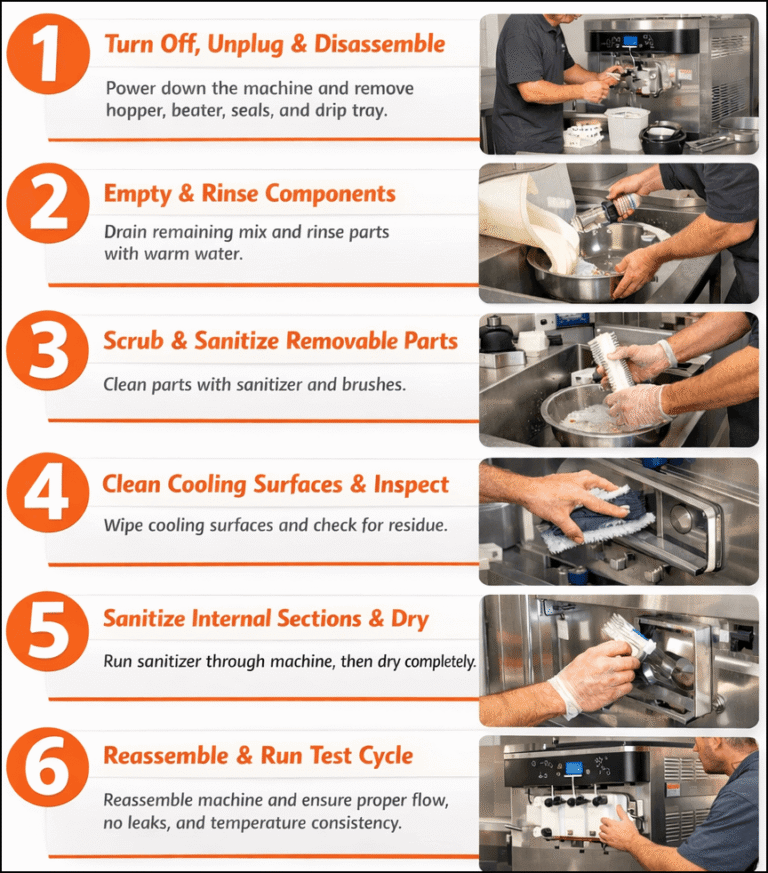
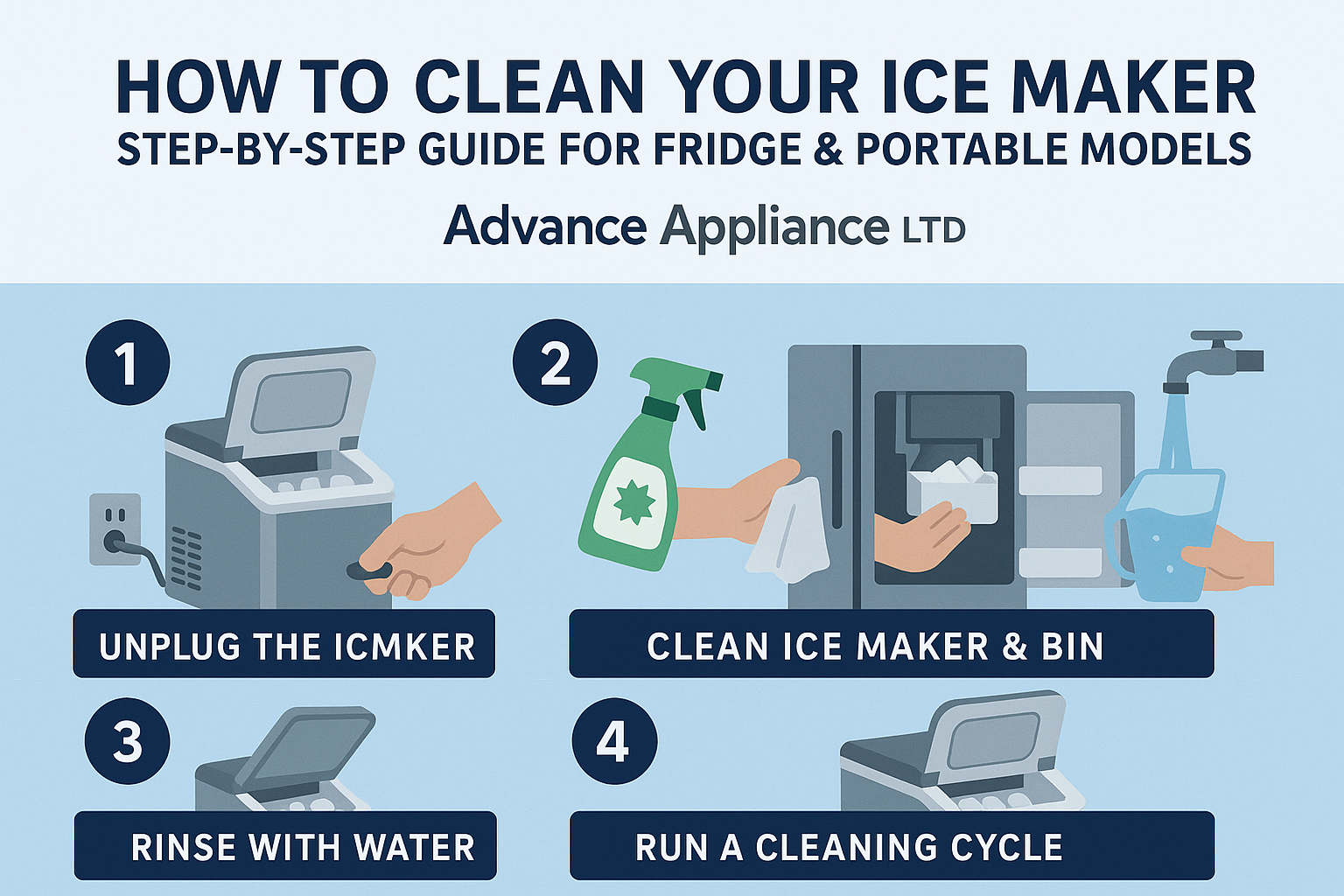
- Turn off and unplug the ice maker to stay safe.
- Empty the ice bin and discard old ice.
- Remove ice mold and trays, soak them in warm water with cleaning solution.
- Clean the drip tray with sanitizer and a cloth.
- Run a cleaning cycle using the recommended descaling agent.
- Clean the water line to remove mineral deposits and bacteria.
- Wipe down all surfaces including coils and ice dispenser.
- Replace filters if needed for better water quality.
- Rinse thoroughly to remove all cleaning solution residues.
- Plug in and restart the ice maker.
- Discard the first batch of ice after cleaning.
This full process keeps your ice maker fresh and working well. We recommend watching your model’s specific instructions too.
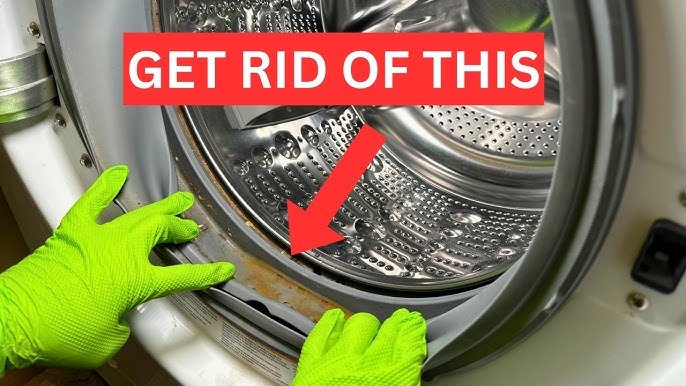
Cleaning ice maker mold is important to avoid health risks. Using sanitizer is the best way to kill mold and mildew.
Cleaning Key Ice Maker Components
Each part of your ice maker needs special care. We break down the main components:
- Ice mold and trays: Soak and scrub with ice maker cleaning solutions to remove mold and buildup.
- Water line: Flush with sanitizer and water to clear deposits and germs.
- Drip tray: Clean often to stop mold and bad smells.
- Filters: Replace or clean to keep water pure and ice clear.
- Coils: Dust and wipe coils to improve cooling and ice quality.
We pay close attention to these parts. Cleaning ice maker coils helps machines run cooler and longer.
Regular water filtration also reduces mineral deposits that clog your machine. This makes ice clearer and tastier.
Common Problems and How to Fix Them
We have seen many ice makers suffer from these issues:
- Mineral buildup: Causes slow ice making and bad taste. Use a descaling agent to remove it.
- Mold and mildew: Can grow in drip trays or water lines. Use sanitizer to kill it.
- Odors: Often from dirty parts or old ice. Clean all parts and replace filters.
- Ice quality drops: Clean machine and water lines to improve ice clarity and taste.
Fixing these issues early saves money and keeps ice safe. We also found that replacing water filters helps prevent many problems.
Cleaning Commercial Ice Machines
Commercial ice machines need extra care. They produce more ice and face heavier use. We clean these machines every month or two.
Because of their size, cleaning commercial ice machines involves more steps. We use stronger descaling agents and sanitize all parts well. The drip trays and water lines are cleaned more often to avoid buildup.
Having an ice maker cleaning kit with the right tools makes this job easier and faster. Follow your machine’s manual closely for safety.
Tips to Improve Ice Machine Ice Quality
We want our ice to be clear and fresh. To do that, we suggest:
- Using a good water filtration system to reduce minerals.
- Cleaning and replacing filters regularly.
- Running cleaning cycles often to remove buildup.
- Keeping the ice maker dry when not in use to stop mold.
- Ensuring the ice dispenser is clean and free of residue.
Following these tips improves ice machine ice quality and taste. For extra help, you can see detailed cleaning instructions by brands like KitchenAid at KitchenAid’s cleaning guide.
Ice Maker Cleaning Frequency Chart
To keep track, here is a simple chart of how often to clean parts:
| Part | Home Use | Commercial Use |
|---|---|---|
| Ice mold & trays | Every 3 months | Monthly |
| Drip tray | Monthly | Weekly |
| Water lines | Every 6 months | Monthly |
| Filters | Every 6 months | Every 3 months |
| Coils | Every 6 months | Every 3 months |
This schedule helps you plan your ice maker maintenance well. Adjust based on your water quality and use.
Pros and Cons of Cleaning Methods
We tried different cleaning solutions and methods. Here’s a quick look:
| Method | Pros | Cons |
|---|---|---|
| Descaling agent | Effective for mineral buildup | Needs rinsing to avoid residue |
| Sanitizer | Kills mold and bacteria | Must follow safety instructions |
| Bleach | Strong mold remover | Harsh, can leave odors |
| Vinegar solution | Natural and cheap | Less effective on heavy buildup |
We recommend using a food-safe descaling agent and sanitizer over bleach. Vinegar can help but is not enough for deep cleaning.
Step-By-Step Guide to Clean Ice Maker Water Line
Cleaning the water line is key to good ice quality. Here is how we do it:
- Turn off the ice maker and water supply.
- Disconnect the water line carefully.
- Flush it with a sanitizer solution.
- Use a small brush if possible to scrub inside.
- Rinse thoroughly with clean water.
- Reconnect and turn on water supply.
- Run ice maker to flush the system.
Cleaning your water line removes hidden mold and mineral buildup. This step often improves ice taste greatly.
Final Thoughts on Ice Maker Cleaning
Keeping your ice maker machine clean is easy if you follow a plan. In our experience, regular cleaning improves ice quality, safety, and machine life. Use the right products and tools, and do not skip steps.
Remember to clean all key parts, including the ice mold, drip tray, water line, and filters. Set a cleaning frequency that fits your usage. For commercial machines, clean even more often.
With these simple tips and tools, you can enjoy fresh, clean ice every day in 2026 and beyond. Your ice maker will thank you!
🚀 Beginner Tip: Always discard the first batch of ice after cleaning to avoid any leftover chemicals mixing with your ice cubes.
Frequently Asked Questions
How often should I clean my ice maker machine?
You should clean your ice maker at least every six months, but if you notice odors or mineral buildup, clean it more often.
What is the best solution to descale an ice machine?
Use a food-safe descaling agent made for ice machines, following the manufacturer’s instructions closely.
Can I use bleach to sanitize my ice maker?
It is best to use a sanitizer made for ice makers that is safe and effective, as bleach can be harsh and leave residues.
How do I remove mold from my ice maker?
Clean the ice mold and water lines carefully with a sanitizer and cleaning solution designed to kill mold and mildew.
Why does my ice have a bad odor even after cleaning?
Bad odors can come from mineral deposits, mold, or dirty water lines. Make sure to clean all parts, including the drip tray and coils.

Michael Peterson is a home appliance writer focused on practical washing machine care, maintenance, and troubleshooting. He shares simple, reliable tips to help readers keep their washing machines running efficiently, avoid common problems, and extend appliance life.