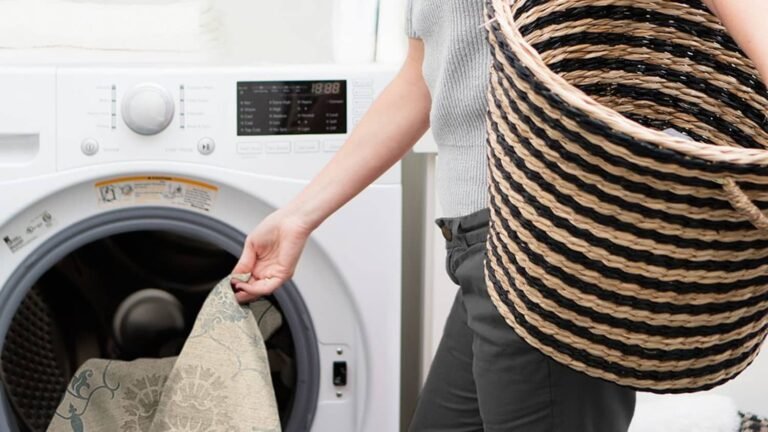
Can Rugs Go in Washer? Understanding Compatibility
Not all rugs can be tossed in a washing machine. Rug size and fabric type matter a lot. Small to medium rugs made from synthetic fibers or cotton often handle machine washing well. But thick, heavy, or wool rugs usually do not.
Check your rug’s care label before washing. The label shows if the rug is machine washable and lists special instructions. Following these helps protect your rug and washer. For extra info, the detailed guide on machine washing rugs covers size limits and material tips.
Using a washing machine for rugs can save time and effort. But ignoring size or fabric rules risks damage to both your rug and the washer drum.
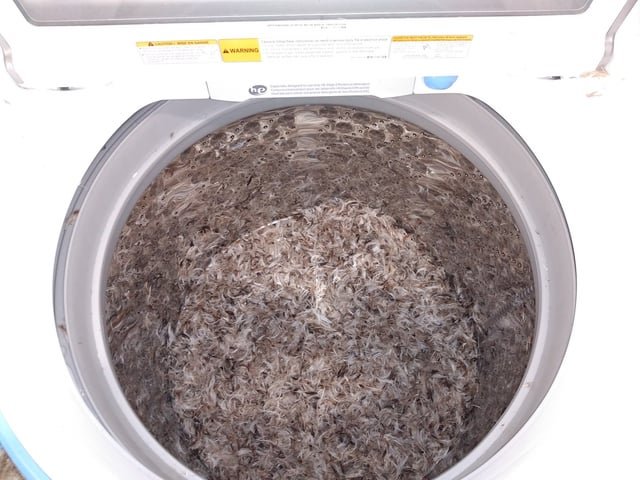
It’s also good to learn about wash machine filters to keep your machine safe from lint and fibers that rugs shed.
🚀 Beginner Tip: Test a small rug section with water first before full washing.
Rug Material Washing Guide
Different rug fabrics need different care. Synthetic rugs like polyester or nylon handle washing machine cycles well. Use gentle settings to keep their fibers smooth. Wool rugs are delicate. They may shrink or felt if washed too roughly.
Natural fiber rugs like jute or sisal should not go in a washer. They absorb water fast and dry slowly, which harms them. Cotton rugs are usually safe but check the label. Some blends may need hand washing.
⭐ Expert Insight: Always match wash cycle to fabric type to avoid abrasion or fiber loss.
| Rug Material | Machine Wash Safe? | Recommended Wash Cycle |
|---|---|---|
| Synthetic Fibers (Polyester, Nylon) | Yes | Delicate or gentle |
| Wool | Sometimes (check label) | Cold water, gentle cycle |
| Cotton | Yes | Gentle |
| Jute, Sisal, Natural Fibers | No | Hand wash only |
Always use the best detergent for rugs that is mild and designed for delicate fabrics. Harsh chemicals can strip colors and weaken fibers.
Rug Size and Washer Compatibility
Size is a key factor for machine rug cleaning. Large or heavy rugs can overload your washer. This causes poor cleaning and may damage the machine drum or motor. Most home washers can handle rugs up to about 4×6 feet if they are thin.
Always weigh the rug if possible. Keep the load below the washer’s max capacity. If your rug is too big, hand washing or professional cleaning is safer. Using bulky cycle settings on your washer can help with medium-sized rugs.
🔢 Numbered List: How to check rug size for washer:
- Measure rug dimensions and thickness.
- Check washer drum size and max load.
- Estimate rug weight (use fabric type for rough guess).
- Confirm rug fits loosely inside drum without bunching.
For more on washer limits, explore the article on rug washer size limits.
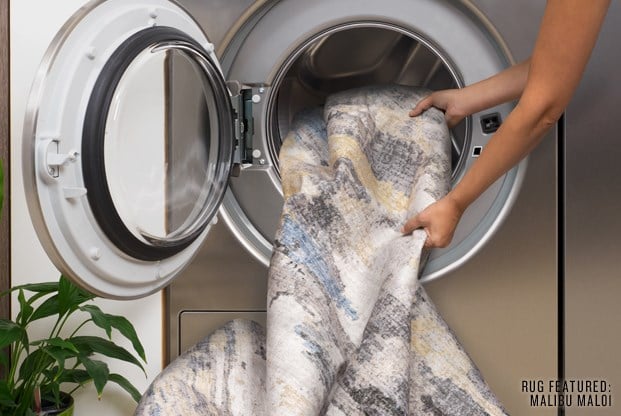
Safe Washing Machine Settings for Rugs
Choosing the right settings helps protect your rug and washer. Use cold water to avoid color fading or shrinking. Select gentle or delicate wash cycles. These cycles use slower agitation and spin speeds, which reduce fiber wear.
Avoid hot or heavy cycles that can harm delicate rugs. Use low spin to prevent wrinkles and machine damage. Add mild detergent made for delicate fabrics. Skip fabric softeners, as they can leave residues on rugs.
📌 Step-by-Step Guide: Washing a rug in your machine:
- Check care label for instructions.
- Remove loose dirt by shaking or vacuuming.
- Pre-treat stains with gentle stain removers.
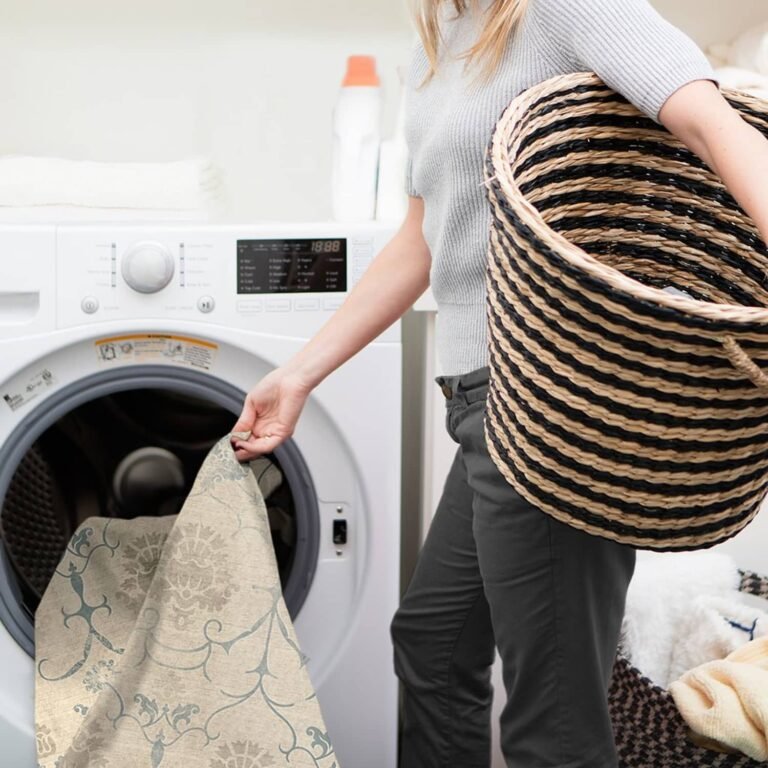
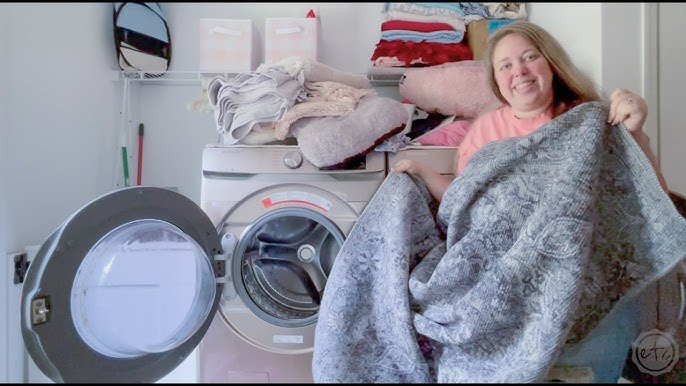
- Load rug evenly into drum.
- Select delicate cycle with cold water and low spin.
- Add recommended mild detergent.
- Start wash and monitor for noises or issues.
Machine damage prevention is crucial. Overloading or using harsh cycles can break washer parts. Also, avoid washing rugs with sharp objects or heavy debris.
Washing Delicate Rugs: Hand Wash vs Machine
Delicate rugs, especially wool or antique types, need gentle care. Hand washing is often better to avoid damage. Use a tub or basin with cool water and wool-safe detergent. Gently scrub and rinse with care.
Machine washing can be risky for these rugs. The agitation and spinning might cause fiber loss or shrinkage. If you must machine wash, use the shortest delicate cycle and cold water. Always air dry afterward.
⚖️ Pros & Cons Box: Hand Washing vs Machine Washing Delicate Rugs
| Method | Pros | Cons |
|---|---|---|
| Hand Washing | Gentle on fibers, no machine wear | Time-consuming, labor-intensive |
| Machine Washing | Fast, convenient | Risk of damage, shrinkage |
For those with delicate rugs, the safer choice is hand washing or using professional rug cleaning services.
Rug Stain Removal Techniques Before Washing
Removing stains before washing improves results. Use gentle stain removers suited for your rug’s fabric. Blot stains with a clean cloth; do not rub as it spreads the stain.
Common techniques include using diluted vinegar or baking soda paste for synthetic rugs. For wool, use a wool-safe cleaner only. Always test stain removers on a small hidden spot first.
💬 Quote Box: “Pre-treating stains is key to saving your rug’s look and texture after washing.”
For more detailed cleaning methods, the extensive resource on rug cleaning in washing machines offers great community advice and tips.
:max_bytes(150000):strip_icc()/How-to-Wash-Throw-Rugs-for-Best-Results-03-dfca297f9bc74678a5e3366121464dd8.jpg "Can You Wash a Rug in the Washing Machine? What a Cleaning Pro Says (Figure)")
Rug Drying Methods
Drying is just as important as washing. Air drying on a flat surface or drying rack is best. It prevents wrinkles and helps fibers keep shape. Avoid direct sunlight, which can fade colors.
Using a dryer is not recommended. Heat can shrink or damage backing and fibers. If you must use a dryer, select no heat or air fluff settings only.
✅ Checklist: Best rug drying practices:
- ✅ Lay flat on clean surface.
- ✅ Use drying rack or hang if small.
- ✅ Turn rug occasionally for even drying.
- ✅ Avoid dryers unless no heat option available.
- ✅ Keep away from direct sun.
Drying synthetic rugs may take less time than natural fiber ones. Plan accordingly to keep your rugs fresh and long-lasting.
Rug Washing Frequency and Routine Care
Rug cleaning frequency depends on use and dirt level. High traffic areas need washing every 6 months. Low traffic rugs can last 12 months or more between washes.
Regular vacuuming and spot cleaning extend time between washings. Check manufacturer label instructions for suggested care intervals. Avoid over-washing which wears out fibers.
For ongoing care, learn more about how to wash towels in washing machine as some routine principles overlap with rug care.
🚀 Quick Fact: Proper washing and drying keep your rug safe and your washing machine running smoothly.
Conclusion: Smart Rug Washing in Your Machine
Washing rugs in a machine is possible with care and knowledge. Always check rug size and fabric type first. Use gentle wash cycles, mild detergent, and cold water. Pre-treat stains and dry rugs flat to extend their life.
For delicate or large rugs, hand washing or professional cleaning is safer. Following these guidelines prevents machine damage and keeps your rugs clean and fresh in 2026.
Stay informed with trusted sources and expert advice to make the best cleaning choices. This approach saves time and protects your home investment.
Frequently Asked Questions
Can all rugs be washed in a washing machine?
No, not all rugs can be washed in a washing machine. Only small, machine washable rugs made from durable materials like synthetic fibers or cotton are suitable. Always check the rug care instructions first.
What washing machine settings are best for rugs?
Use a gentle or delicate wash cycle with cold water and a low spin speed to protect the rug’s fibers and prevent machine damage.
How often should I wash my rugs?
Rugs should be cleaned every 6 to 12 months, depending on foot traffic and dirt buildup. Spot clean stains as needed between washes.
Is hand washing better than machine washing for rugs?
Hand washing is safer for delicate or large rugs that may not fit well in a washer. It reduces abrasion and machine damage risks.
How should I dry a rug after washing?
Air drying on a flat surface or drying rack is best. Avoid using a dryer as heat can damage rug fibers and backing.

Michael Peterson is a home appliance writer focused on practical washing machine care, maintenance, and troubleshooting. He shares simple, reliable tips to help readers keep their washing machines running efficiently, avoid common problems, and extend appliance life.