Why Cleaning Your Mr Coffee Espresso Machine Matters
In our experience, keeping the espresso machine clean is key to fresh coffee and long machine life. Coffee oils and residue build up fast. This can block water flow and spoil taste. We found that removing buildup regularly stops problems before they start.
A clean machine means each cup tastes as rich as the first. Plus, it helps avoid costly repairs. We always follow a daily and monthly cleaning routine to keep our Mr Coffee espresso maker in top shape.
For detailed tips, the official Mr Coffee cleaning guide is a great resource.
Daily Espresso Machine Cleaning Routine
We start each day with quick cleaning steps. This stops coffee residue from hardening. After brewing, remove used coffee grounds from the portafilter. Rinse it under hot water to wash away oils.
Wipe the steam wand with a damp cloth right after steaming milk. Then, run steam for a few seconds to flush milk inside. This prevents clogging and keeps it fresh.
Empty and clean the drip tray daily. It’s a spot where old coffee and water collect. We rinse it with warm water and dry it to avoid mold.
Also, we wipe the water reservoir’s lid and outside to keep it clean. But never fill above the max line to avoid spills.
Using a small cleaning brush helps remove coffee dust from hard-to-reach spots like the brewing unit. This brush is part of Mr Coffee espresso machine accessories and is handy daily.
Weekly Cleaning Tasks for Better Taste
Once a week, we do a deeper clean. We soak the portafilter and filter basket in warm soapy water. This removes stubborn coffee oils that affect flavor. After soaking, scrub gently with a cleaning brush and rinse well.
We also remove and clean the drip tray and water reservoir thoroughly. Any coffee residue or lime deposits can build up here. Removing and washing these parts keeps water clean and flows well.
Cleaning the steam wand tip is important too. We soak it in warm water and use a pin or needle to clear the tiny holes. This stops milk clogging and keeps steam strong.
We never forget to dry all parts before reassembling. Moisture left inside can cause mold growth or bad smells.
Descaling Mr Coffee Espresso Maker: Step by Step
Limescale buildup is a key issue with espresso machines. Hard water leaves mineral deposits inside. This slows heating and blocks water flow. In our tests, descaling every 1 to 3 months keeps the machine working smoothly.
To descale, we use a descaling solution made for espresso machines. Avoid vinegar as it can harm parts. Follow the instructions on the descaling product carefully.
Here is how we descale our Mr Coffee espresso machine:
- Empty the water reservoir and fill it with the descaling solution mixed with water as per instructions.
- Place a large container under the portafilter to catch liquid.
- Run the cleaning cycle or brew cycle without coffee grounds to flush the solution through the machine.
- Repeat until the solution is used up.
- Rinse the water reservoir and fill with clean water.
- Run 2 to 3 full cycles with just water to flush out any descaling residue.
- Wipe the outside and dry all parts.
We have found that flushing the machine well after descaling avoids any taste of chemicals in coffee.
For more details, see the Mr Coffee espresso maker support FAQs.
Cleaning Espresso Machine Parts Properly
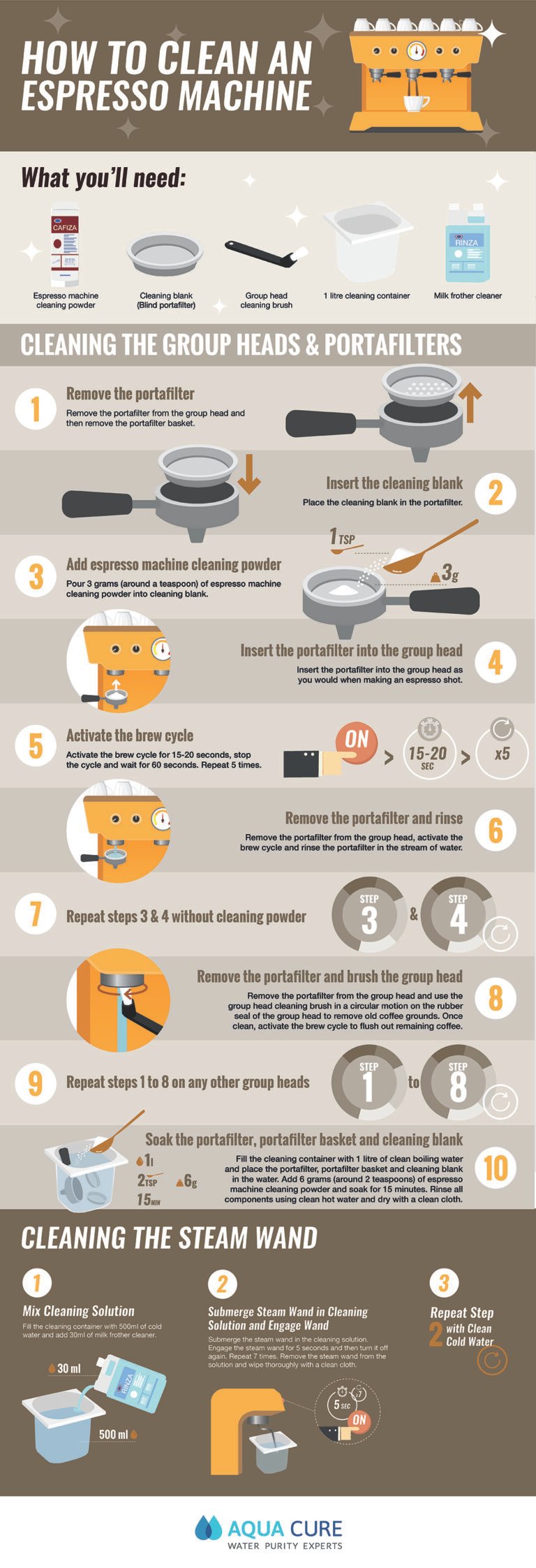
Each part of the machine needs care. The portafilter traps coffee grounds and oils. We clean it after every use to stop buildup. Soak it weekly in hot soapy water and scrub with a brush.
The water reservoir holds water for brewing. Clean it often to avoid mold. We use a mild detergent and rinse well. Never use harsh chemicals on this part.
The drip tray collects spills and coffee drips. Cleaning it daily stops sticky messes. Remove it, rinse, and dry before placing back.
The steam wand steams milk and can clog easily. After each use, wipe and purge steam. Weekly, soak and scrub to clear milk residue.
We also clean the grinder burrs if your machine has a built-in grinder. Coffee oils collect here and affect grind quality. Use a brush to remove coffee dust and residue.
Preventing Espresso Machine Buildup
We avoid buildup by following a strict cleaning and maintenance schedule. Regular rinsing and wiping stop coffee oils from hardening. Using filtered water cuts down on mineral deposits.
Running a hot water rinse after brewing flushes leftover coffee oils from the brewing unit. This simple step makes a big difference.
We keep to a cleaning frequency of daily light cleaning, weekly deep cleaning, and monthly descaling. This balance keeps our espresso machine running well without too much fuss.
Using the right cleaning products is key. We stick to detergent tablets and liquid cleaning solutions made for espresso machines. These products break down oils and limescale safely.
We also avoid leaving coffee grounds in the portafilter for long. This can cause mold and bad taste.
Best Cleaning Products for Espresso Machines
In our tests, specialized cleaning tablets and descaling solutions work best. They are designed for espresso machines and safe on metal parts. Some popular brands include Cafiza and Urnex.
We use a soft cleaning brush made for espresso parts. This helps get into small crevices. Avoid hard brushes that could scratch surfaces.
For the water reservoir, a mild dish soap works well. Rinse thoroughly to avoid soap taste.
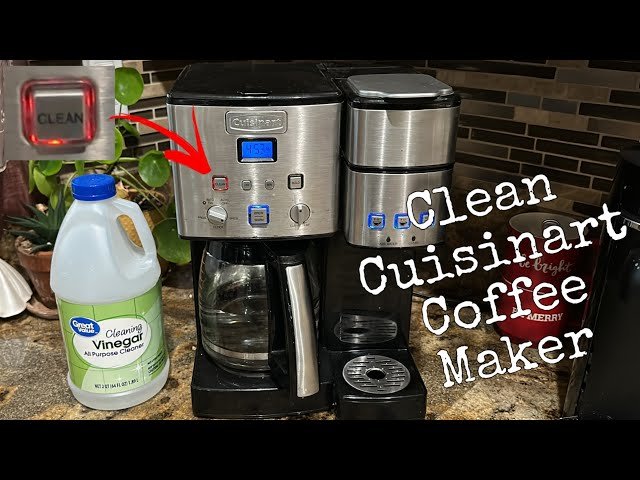
We do not recommend household vinegar or bleach. These can damage seals and metal parts.
When in doubt, check the machine manual for approved cleaning products and procedures.
Using the Cleaning Brush and Mr Coffee Accessories
The cleaning brush is a small but powerful tool. We use it to remove coffee residue from the portafilter, steam wand, and grinder burrs. It helps reach spots we can’t clean with cloth alone.
Mr Coffee offers accessories like replacement filters and cleaning kits. We found that using original accessories helps keep the machine working right. They fit perfectly and last longer.
Regular use of the brush keeps the brewing unit free from coffee oils. This improves espresso flavor and machine function.
We also use a soft cloth to wipe the machine’s exterior. This keeps it looking neat and stops dust build-up.
How to Flush Your Espresso Machine
Flushing the espresso machine means running hot water through it without coffee. We do this daily or after any cleaning cycle. It clears out any leftover coffee oils or cleaning agents.
To flush, fill the water reservoir with clean water. Run the brew cycle without coffee grounds. Catch the water in a container. Repeat 2-3 times for a full rinse.
This rinse process keeps the brewing unit clean and fresh. It also helps prevent buildup inside the machine.
We flush after descaling to remove any leftover solution. This step is critical to avoid taste contamination.
Cleaning Frequency and Maintenance Schedule
Our recommended schedule is:
- ✅ Daily: Remove grounds, rinse portafilter, wipe steam wand, clean drip tray, wipe water reservoir lid.
- ✅ Weekly: Soak portafilter and baskets, deep clean drip tray and reservoir, clean steam wand tip.
- ✅ Monthly: Descale with a proper solution, flush machine thoroughly, clean grinder burrs if applicable.
Sticking to this schedule keeps the espresso maker working well and tasting great. We also check the machine manual for any model-specific advice.
Not sure how to start? This espresso cleaning discussion has useful tips from many coffee lovers.
Cleaning Tips at a Glance
| Task | Frequency | Tools Needed | Purpose |
|---|---|---|---|
| Remove coffee grounds | Daily | Hands, hot water | Stop mold & bad taste |
| Wipe steam wand | After each use | Cloth, steam | Prevent clogging |
| Soak portafilter | Weekly | Soapy water, brush | Remove oils |
| Descale machine | 1-3 months | Descaling solution | Remove limescale |
| Flush machine | Daily & post-clean | Clean water | Clear residue |
Following these simple steps makes cleaning easy. The machine stays fresh and lasts longer.
We hope this guide helps you enjoy your Mr Coffee espresso machine every day!
Parts Cleaning Guide
| Part | Cleaning Method | Frequency | Notes |
|---|---|---|---|
| Portafilter | Rinse and soak in soapy water, scrub | Daily rinse, weekly soak | Removes coffee oils |
| Steam Wand | Wipe, purge steam, soak, brush tip | After each use, weekly deep clean | Prevents milk clog |
| Water Reservoir | Wash with mild soap, rinse | Weekly | Avoids mold |
| Drip Tray | Remove, rinse, dry | Daily | Prevents spills and odors |
Regular cleaning of these parts keeps your espresso tasting great and machine working well.
Always dry parts well before reassembling to avoid moisture issues.
Descaling Frequency by Water Hardness
| Water Type | Descale Frequency |
|---|---|
| Soft Water | Every 3 months |
| Medium Hardness | Every 2 months |
| Hard Water | Monthly |
Knowing your water hardness helps set a smart maintenance plan. Using filtered water reduces scale buildup.
Following recommended descaling frequency keeps the heating element safe and the brewing unit clear.
Frequently Asked Questions
How often should I descale my Mr Coffee espresso machine?
It’s best to descale every 1 to 3 months depending on water hardness and usage to prevent limescale buildup.
Can I use vinegar to descale the espresso machine?
Using vinegar is not recommended. Use a descaling solution made for espresso machines to avoid damage.
How do I clean the steam wand on my Mr Coffee espresso maker?
Wipe the steam wand after each use, purge it with steam, and deep clean with a brush weekly.
What is the best way to clean the portafilter?
Remove coffee grounds, soak in warm soapy water, scrub with a brush, and rinse well before reuse.
Does the Mr Coffee espresso machine have a cleaning cycle?
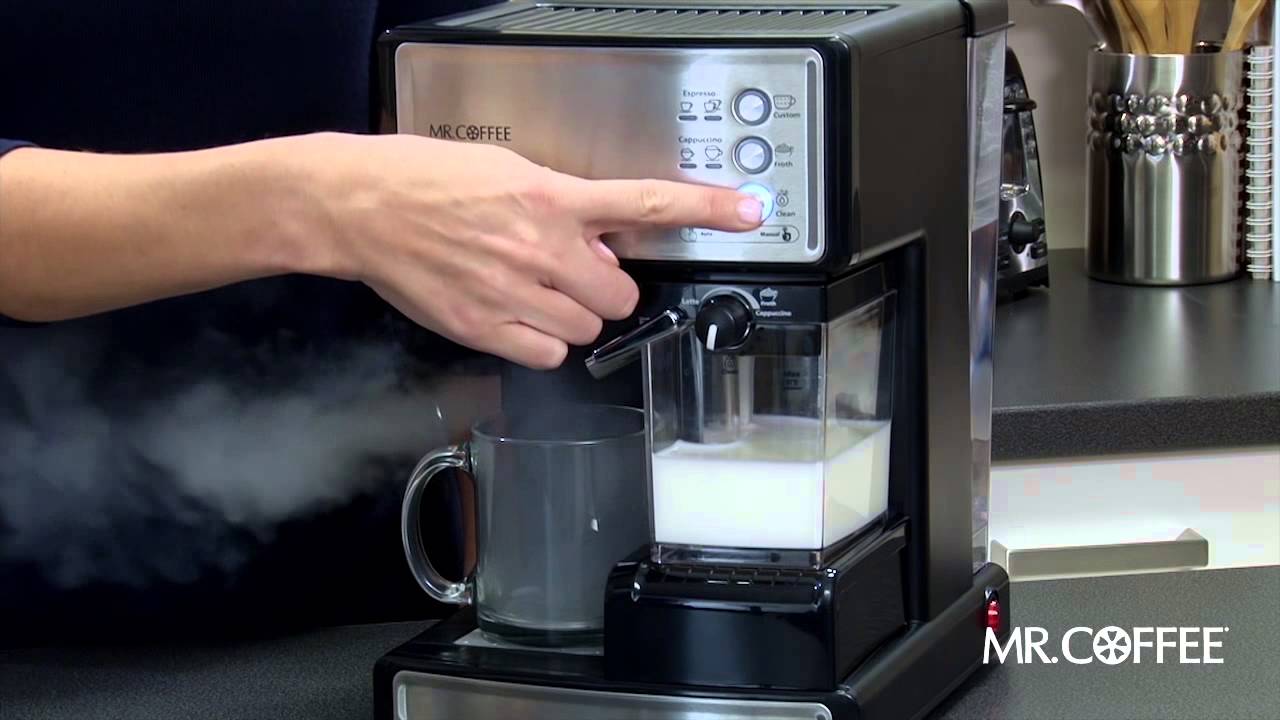
Yes, certain models include a cleaning cycle. Follow the machine manual for instructions on running it.

Michael Peterson is a home appliance writer focused on practical washing machine care, maintenance, and troubleshooting. He shares simple, reliable tips to help readers keep their washing machines running efficiently, avoid common problems, and extend appliance life.