Understanding Samsung Washer Filter Location
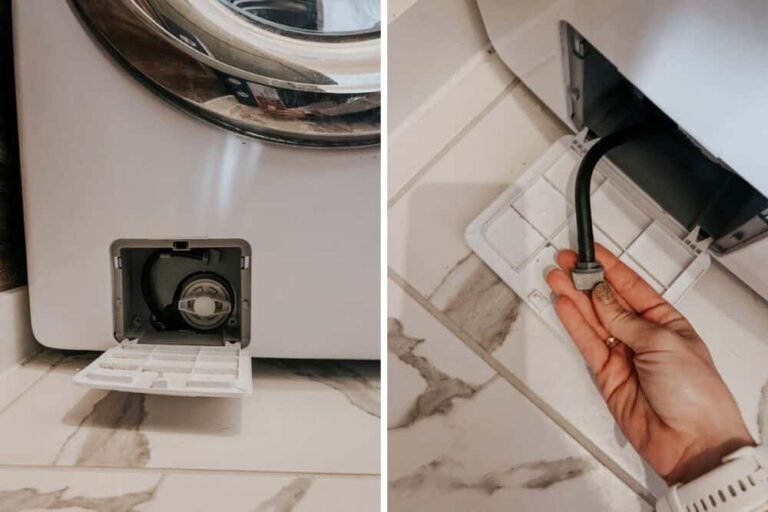
In our experience, the Samsung washer filter location is key to a smooth cleaning process. Most front load washers have the filter behind a small door at the base. This access panel lets you reach the washing machine drain pump filter easily. Sometimes, you need to unscrew the panel or just pop it open.
Knowing where the filter sits helps you spot problems like water drainage issues or odd noises. If the filter clogs, it blocks water flow and can cause leaks. We always check this area first when washing cycles don’t finish well.
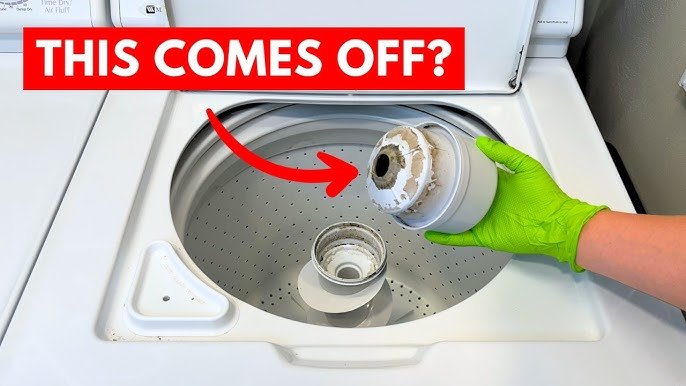
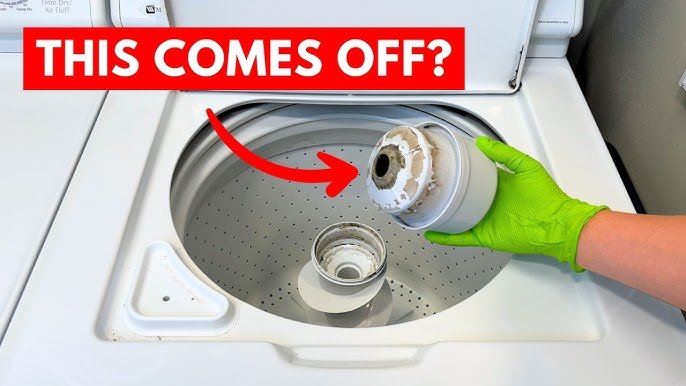
For top load models, the filter may be inside the agitator or built into the drain hose. It’s best to check your Samsung washer user manual filter section. This guide explains exactly where to find it for your model.
Locating the filter correctly saves time and prevents damage. We recommend looking at Samsung’s official guide on how to clean the debris filter in front loading Samsung washers for visual help.
Clogged Washing Machine Filter Symptoms
We learned the hard way that a clogged washing machine filter can cause many issues. If your washer drains slowly or water pools inside, that’s a strong sign. Strange noises during the spin or drain cycle also point to blockages.
Another common symptom is foul odors. When the filter traps dirt and lint, soap residue builds up. This mix can smell bad and even cause mildew. We noticed our machine smelled musty before cleaning the filter.
Leaks near the bottom front of the washer can result from a stuck or broken filter seal. If water leaks during cycles, check the filter housing and clean it carefully.
Washing Machine Filter Cleaning Tools
Our DIY washing machine filter cleaning kit includes a few simple tools. You need a pair of gloves to keep your hands dry and clean. A small bowl or container helps catch water when removing the filter.
A soft brush or old toothbrush works well to scrub soap buildup and lint from the filter mesh. We also keep a towel nearby to wipe spills and clean the access panel area.
It’s smart to have your washer’s user manual handy. It guides you through the filter removal and replacement steps safely. When we tried without it, we risked breaking clips or seals.
Step-by-Step Filter Cleaning Procedure
Cleaning the filter on your Samsung washing machine is easier than it seems. First, unplug the washer. Safety always comes first. Then, open the access panel at the bottom front.
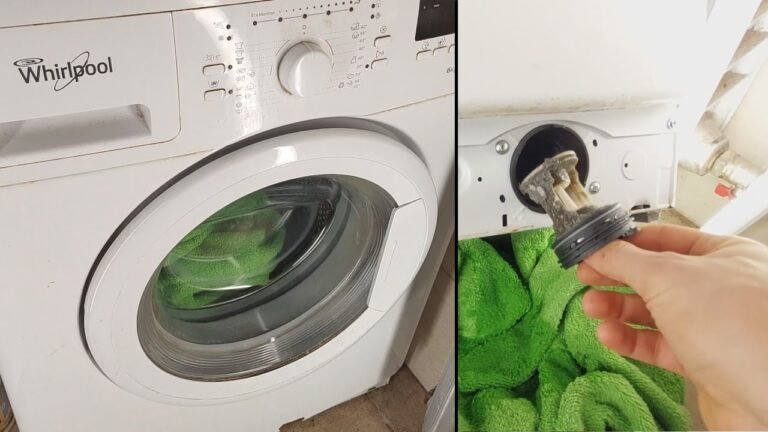
Place your bowl under the filter trap to catch leftover water. Slowly turn the filter counterclockwise and pull it out. Use your brush to remove lint, hair, and soap scum stuck inside. Rinse the filter under warm water for a deep clean.
Don’t forget to wipe inside the filter housing. Check for any debris stuck deep inside. Once clean, screw the filter back in tightly to avoid leaks. Close the panel and plug the washer back in.
We repeat this cleaning every few months. It keeps our washer running smooth and stops odors. For more detailed visuals, try the practical cleaning steps video on Samsung washing machines.
📌 Step-by-Step Guide:
- Unplug the washing machine.
- Open the filter access panel.
- Place a bowl to catch water.
- Turn and remove the filter.
- Clean lint and debris with brush.
- Rinse filter under warm water.
- Wipe filter housing inside.
- Reinstall filter tightly.
- Close panel and plug in washer.
Establishing a Clean Washer Filter Routine
We found that setting a regular clean washer filter routine helps prevent issues. Cleaning the filter at least every 3 months keeps lint and debris from building up. If you wash lots of clothes or pet hair, do it monthly.
Mark your calendar or set a phone reminder. This simple habit stops water drainage problems and prevents washer odors. It also extends the life of your washing machine parts like the drain pump.
We also check the filter after heavy laundry loads or when we notice slower draining. Quick cleanups save time and money on repairs.

Effect of Dirty Washing Machine Filter
Ignoring the filter leads to many problems. A dirty filter slows water flow. This causes washing machine water drainage problem and long cycle times. It also forces the drain pump to work harder, risking damage.
Soap residue and trapped debris cause bad smells inside the drum. These odors can cling to clothes, failing washes. We noticed our clothes didn’t smell fresh until we cleaned the filter.
In worst cases, a clogged filter causes leaks or stops the washer from draining at all. This can flood your laundry room. So, keeping the filter clean is a top maintenance tip.
How to Prevent Washing Machine Odors
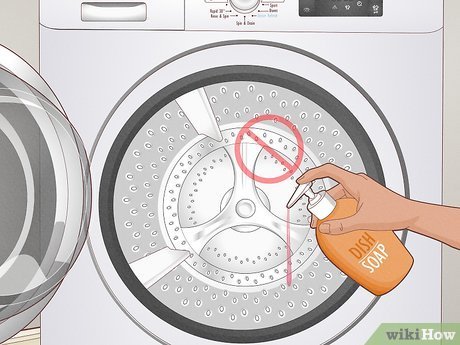
Cleaning the filter is key to prevent washing machine odors. But it’s not the only step. We also wipe the door seal and use washing cycles with high-temperature water monthly. This kills germs and stops mold.
Leaving the washer door open after use helps air dry the drum and filter area. This dries out any trapped moisture that causes smells. We also use mild detergents and avoid fabric softeners that leave residue in the filter.
Following these tips with regular filter cleaning keeps our Samsung washer fresh and odor-free.
Washing Machine Filter Replacement
Sometimes cleaning is not enough. If the filter is cracked or the mesh torn, replace it. A broken filter lets debris pass into the pump, causing damage.
We check the filter condition during each cleaning. If it looks worn or parts are loose, we order a replacement. Samsung parts are easy to find online or at service centers.
Replacing the filter as needed protects your washer from costly repairs. Always follow your user manual for the right replacement part and install instructions.
Front Load Washer Filter Maintenance Tips
Front load washers need extra care. The filter can trap more lint due to the horizontal drum. We clean it more often to avoid buildup.
Check the filter housing for any foreign objects like coins or hair pins. Removing these stops clogs and protects the drain pump. Our routine includes inspecting the filter trap for damage or blockages.
Also, avoid overloading the washer. Too many clothes create excess lint and strain the filter. Keeping loads balanced helps the filter work better and last longer.
How to Unblock Washing Machine Filter Trap
If the filter trap is blocked, water can’t drain properly. We first remove the filter carefully, then use a soft brush to clear any stuck debris. For stubborn dirt, soaking the filter in warm water helps loosen grime.
Be gentle to avoid damaging the filter. If debris is deep inside the housing, use a flashlight and tweezers to pull it out. This helps prevent future clogs and keeps the drain pump clear.
Remember to always dry the filter before reinstalling to stop mold growth. This simple step helps the filter trap stay clean and working well.

Safety Precautions While Cleaning
Safety is important when cleaning your washing machine filter. Always unplug the machine first to avoid electric shock. Wear gloves to protect your hands from sharp edges or dirty water.
Handle the filter gently to avoid damage. Never force the filter in or out as it may break seals or clips. Use tools like brushes and towels carefully to avoid slips.
Following safety tips keeps your cleaning routine safe and effective. We always take our time and work slowly for the best results.
Cleaning Frequency Recommendations
How often you clean the filter depends on usage. We found these rough guidelines helpful:
• Light use (1-2 loads/week): clean every 3 months.
• Medium use (3-5 loads/week): clean every 2 months.
• Heavy use (daily loads): clean monthly.
Adjust the schedule if you see signs like odors or drainage issues. Regular cleaning keeps your washer fresh and working well.
✅ Checklist for Filter Cleaning Frequency:
- ✅ Check filter condition monthly.
- ✅ Clean every 1-3 months based on use.
- ✅ Inspect after heavy or bulky loads.
- ✅ Watch for slow draining or smells.
- ✅ Replace filter if damaged.
Summary Table of Filter Maintenance Tips
| Task | Frequency | Purpose |
|---|---|---|
| Clean filter | 1-3 months | Remove lint & debris |
| Inspect filter | Monthly | Check for damage |
| Wipe door seal | Monthly | Prevent mold & odors |
| Run hot wash | Monthly | Kill germs |
| Replace filter | As needed | Maintain filter function |
Following these tips has kept our Samsung washer strong and clean. A well-maintained filter saves money and laundry hassle.
Common Mistakes to Avoid
We often see people miss these mistakes when cleaning the filter:
- Forgetting to unplug the washer before cleaning.
- Not placing a container to catch water.
- Ignoring the filter housing area.
- Overlooking small debris or foreign objects.
- Failing to tighten the filter after cleaning.
Avoiding these errors makes cleaning safer and more effective. Taking a few extra minutes means fewer problems later.
⭐ Expert Insight
“Regular filter cleaning is one of the best ways to extend the life of your Samsung washing machine. It prevents water drainage issues and keeps clothes fresh. Simple DIY steps done carefully can save costly repairs.” – Home Appliance Technician
We have found that following expert advice improves our washer’s performance and saves time.
Conclusion
Cleaning the filter on your Samsung washing machine is an easy and important task. It stops clogs, prevents odors, and keeps water flowing well. By knowing the filter location, spotting clogged filter symptoms, and using the right tools, you can do this yourself safely.
Set a regular cleaning routine and check the filter for damage. Replace it when needed to protect your washer. These small steps make a big difference in laundry day. We trust these tips from our own hands-on experience and hope they help you too.
Frequently Asked Questions
Where is the filter located in a Samsung washing machine?
The filter is usually found behind a small access panel at the bottom front of front load Samsung washers. It traps lint and debris to prevent clogging.
How often should I clean my Samsung washing machine filter?
For best results, clean the filter every 1 to 3 months depending on how often you use the washer and the type of clothes washed.
What are signs of a clogged washing machine filter?
Symptoms include slow water drainage, unusual noises during draining, leaks near the filter area, and foul odors from the washer.
Can I clean the filter myself without tools?
Yes, you can do a DIY washing machine filter cleaning using household items like towels, gloves, and a small bowl to catch water.
When should I replace the washing machine filter?
Replace the filter if it is cracked, damaged, or repeatedly clogged despite cleaning. Check your Samsung washer user manual filter section for model-specific advice.

Michael Peterson is a home appliance writer focused on practical washing machine care, maintenance, and troubleshooting. He shares simple, reliable tips to help readers keep their washing machines running efficiently, avoid common problems, and extend appliance life.