Understanding Wash Cycle Durations
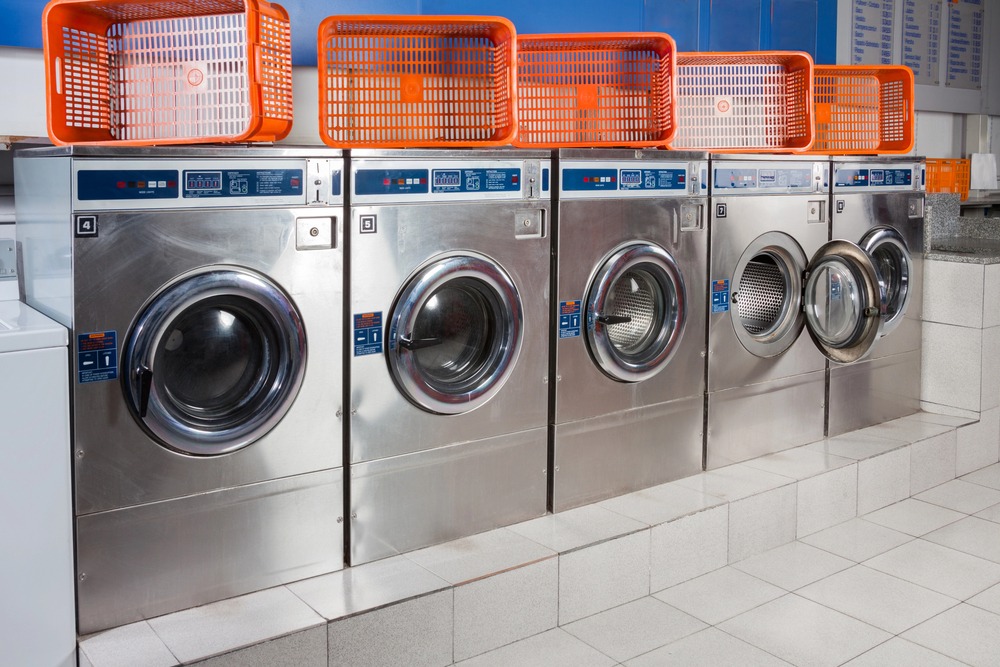
Laundromat wash cycle durations vary widely but typically range from 25 to 40 minutes. This includes the wash, rinse. And spin cycles that clean your clothes thoroughly. Commercial washing machines are designed to balance speed and cleaning power to serve many users quickly and efficiently.
Industry consensus indicates that shorter cycles, such as quick wash options, usually last about 15 to 20 minutes but are best for lightly soiled clothes. Heavier fabrics and larger loads require longer cycles. For a deeper understanding of this mechanic, analyzing resources on laundry timing at laundromats provides excellent foundational context.
Self-service laundry timing guides often suggest planning for at least 30 to 50 minutes per load, including drying.
Commercial vs. Home Washing Machines
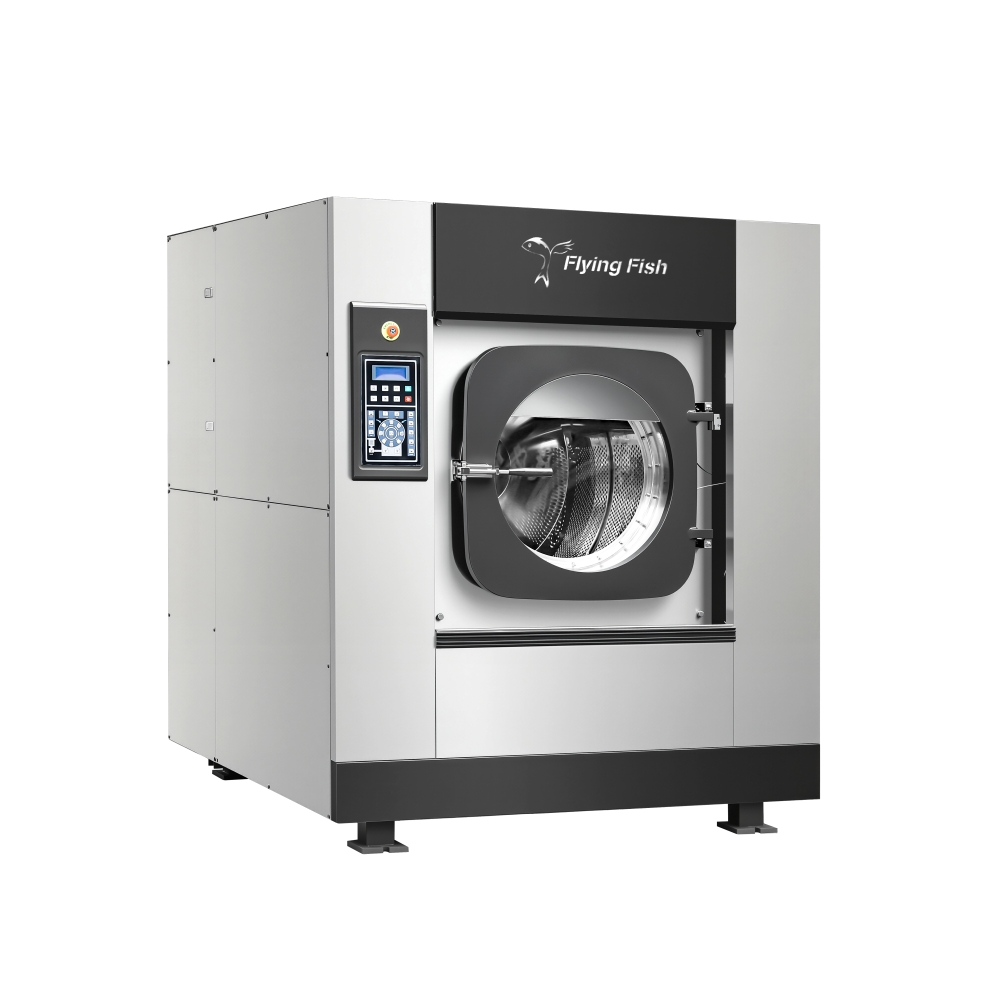
Commercial washing machines found in laundromats differ from home models in several ways. They usually have a higher load capacity and more robust cycle settings. This impacts the wash time as commercial machines often run faster cycles to handle more loads daily.
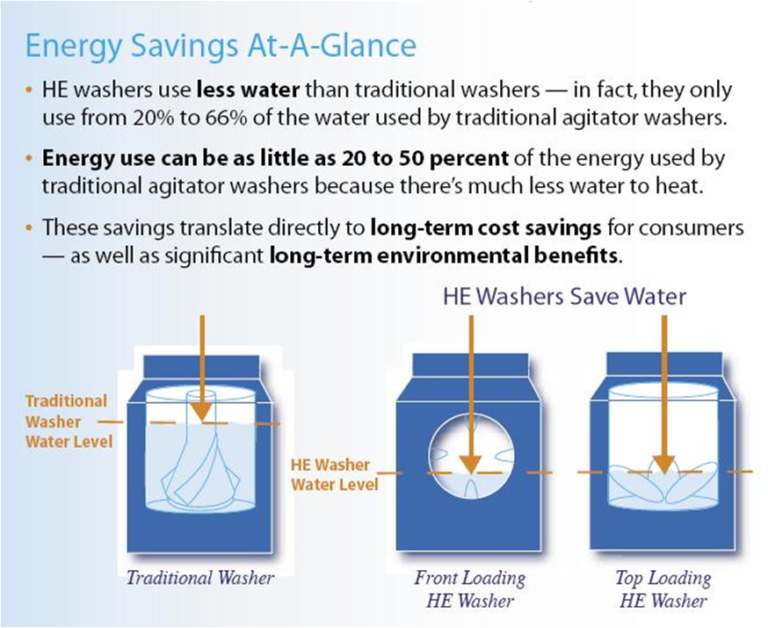
Front load machines generally take longer than top load models due to their gentle tumbling action. However, they use less water and are more energy efficient. This makes them popular in commercial settings despite the longer wash time. Home washers, especially older top load types, might run cycles from 35 to 50 minutes. Meanwhile, commercial washers aim to keep cycles under 40 minutes.
Understanding the difference helps customers adjust expectations when using laundromat equipment.
Factors Affecting Washing Machine Time
Several factors influence how long a wash cycle takes at a laundromat. Laundry load size is crucial. larger loads demand more water and longer agitation. Detergent type and dispensing can also affect cycle speed, as some detergents require extra rinse cycles.
Fabric type impacts wash duration, too. Delicate fabrics use gentle, shorter cycles. Meanwhile, heavy-duty fabrics like denim or towels require longer, more intense washing and spinning. Temperature settings matter. warm or hot water washes take more time due to heating but improve cleaning of greasy or oily stains.
Machine maintenance and performance are also key. Well-maintained machines run cycles efficiently. Poor upkeep can cause longer cycle times due to mechanical delays.
Laundromat Washer Timing Guide
Below is a guide summarizing typical laundromat cycle times by fabric and cycle type.
| Cycle Type | Fabric Type | Typical Duration (minutes) |
|---|---|---|
| Quick Wash | Light fabrics, small loads | 15-20 |
| Regular Wash | Cotton, mixed fabrics | 30-35 |
| Heavy-Duty | Towels, jeans, bulky items | 40-45 |
| Delicate | Silk, wool, delicate blends | 25-30 |
| Rinse & Spin | All types | 10-15 |
These times represent average durations. Actual timings depend on specific machine models and settings.
Machine models vary widely in cycle efficiency. For advice on maintaining home washers to optimize cycle times, see does washing machine need dedicated circuit which discusses electrical setups affecting performance.
Peak Hours and Wait Times
Laundromats experience busy periods during evenings and weekends. During these peak usage hours, wait times increase as machines are in high demand. Users may face queues, extending total laundry time beyond just wash and dry cycles.
Planning laundry during off-peak hours reduces wait time. Notably, drying machine time also adds to the total duration. Commercial dryers typically run 30 to 45 minutes, depending on load size and fabric type.
Understanding peak hours helps users manage their laundry tasks efficiently.
Energy-Efficient Washing Machines and Cycle Choice
Many laundromats now install energy-efficient washing machines. These models use less water and power but may have longer wash and rinse cycles to compensate. Selecting the right cycle for your fabric and soil level improves cleaning while saving energy.
Cycle settings like soil level and water temperature adjust wash time and energy consumption. Choosing a medium soil level and warm water often balances cleanliness and speed effectively.
Proper machine maintenance is vital to keep these energy-efficient washers running at peak performance. For cleaning tips on washers, the guide on how to clean rubber gasket on washing machine offers expert advice.
Laundromat Drying Machine Time
After washing, drying cycles usually take 30 to 45 minutes. Drying time depends on load size, fabric type. And dryer model. Heavy fabrics like towels need longer drying. Meanwhile, lighter clothes dry faster.
Many laundromats provide drying machine timers and guides. Some machines offer sensor drying that stops when clothes are dry, saving energy and time.
Combining wash and dry cycle duration is essential for planning your laundromat visit efficiently.
Conclusion
Laundromat washing machine cycle times vary from 15 minutes for quick washes to over 45 minutes for heavy-duty loads. Factors like fabric type, load size. And machine model influence the duration. Commercial machines balance speed and cleaning, often running faster than home washers.
Peak usage hours can increase wait times. So planning laundry trips during off-peak times is wise. Energy-efficient machines offer eco-friendly options but may have longer cycles. Proper maintenance keeps washers and dryers running efficiently.
Understanding these aspects helps customers manage their laundry time better and get the most from laundromat services. For detailed tips on laundry care and machine maintenance, exploring guides on washer maintenance and washing machine electrical needs proves beneficial.
Overall, knowing the average washing machine time and cycle types enables better planning and efficient laundry care in 2026’s laundromats.
Frequently Asked Questions
What is the average wash cycle time at a laundromat?
The average wash cycle time at a laundromat ranges between 25 to 40 minutes, depending on the machine and cycle type.
Do commercial washing machines have shorter cycles than home washers?
Yes, commercial washers often have faster cycles optimized for quick turnover, typically lasting around 25 to 35 minutes.
How does laundry load size affect washing time?
Larger loads can increase the wash cycle duration as machines adjust water levels and agitation time to clean effectively.
Are quick wash cycles effective in laundromats?
Quick wash cycles save time but may not clean heavily soiled fabrics as well as standard or heavy-duty cycles.
What impacts laundromat wait times during peak hours?
Peak hours increase wait times due to high demand, meaning machines may be busy, and drying cycles add to total time spent.

Michael Peterson is a home appliance writer focused on practical washing machine care, maintenance, and troubleshooting. He shares simple, reliable tips to help readers keep their washing machines running efficiently, avoid common problems, and extend appliance life.