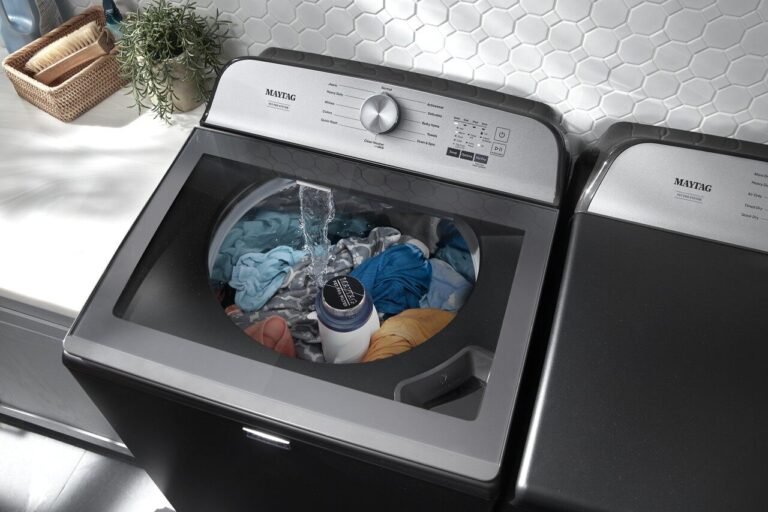
Washing Machine Weight Overview
Washing machines vary in weight based on their design and size. Most home washers weigh between 55 and 85 kilograms. This range covers the common models used in households today. Knowing the weight helps with installation, transport, and choosing the right machine for your needs.
For a deeper understanding of this mechanic, analyzing resources on washing machine weight provides excellent foundational context. Weight influences energy use, durability, and how the machine handles heavy loads.
Different types of washing machines also affect weight. Top load washers and front load washers have distinct builds that impact their mass. Industrial and portable washers add more variety in weights and sizes.
Types of Washing Machines and Their Weight
Top load washers usually weigh between 60 and 80 kilograms. They have a vertical drum and a motor that sits on top or at the bottom. Their frame and motor size keep the weight moderate.
Front load washers tend to be heavier, about 70 to 90 kilograms. They have a horizontal drum and a more robust frame to reduce vibration. The motor and drum materials add weight but improve washing performance.
Portable washing machines are much lighter. They weigh between 20 and 30 kilograms. These are ideal for small spaces or for people who move often. Their compact size and lighter materials make them easy to carry.
Industrial washing machines are much heavier. They can weigh 150 kilograms or more. These machines are built for large loads and long operating hours. Their heavy-duty frames and motors add to the weight.
Detailed Weight Breakdown by Component
The weight of a washing machine depends on several parts. The drum is often made of stainless steel or plastic. Stainless steel drums are heavier but last longer and resist stains.
The motor size also affects weight. Larger motors provide more power but add kilograms. The frame is key for durability and vibration control. A strong metal frame weighs more but keeps the machine steady during spins.
Packaging and shipping add temporary weight. Manufacturers package washers carefully to avoid damage. This can add 5 to 10 kilograms to the shipping weight.
Energy efficiency features sometimes add weight due to extra insulation or advanced motors. However, these features reduce power use over time and save money.
Washing Machine Dimensions and Capacity
The size of a washing machine also links to weight. Larger machines with higher load capacity weigh more. A typical top load washer has dimensions of about 60 cm wide, 60 cm deep, and 90 cm tall.
Front load washers can be similar in width but are often deeper due to the horizontal drum. Portable washers tend to be smaller, about 45 cm wide and 50 cm deep. This reduced size helps lower weight.
Load capacity ranges from 5 kg to 12 kg for home washers. Higher capacity washers weigh more because they have bigger drums and stronger motors to handle the extra clothes.
When choosing a washer, consider both weight and dimensions for your space and lifting needs. Installation also depends on these factors.
Washing Machine Installation and Moving Tips
Installing a washing machine requires care due to its weight and size. Make sure floors can support the machine and that water and power hookups are near. Level the machine to reduce vibration and noise.
When moving a heavy washing machine, use proper lifting tools. Secure the drum with shipping bolts if available. Getting help from another person or a mover makes the process safer. Protect floors with blankets or boards during transport.
For step-by-step guidance, check trusted resources on how to reset a maytag washer machine. This link also covers basic care post-installation to keep your machine working well.
Always avoid laying the washer on its side unless the manufacturer says it is safe, as this can damage internal parts and affect weight balance.
Energy Efficiency and Weight Impact
Weight can affect washing machine power use. Heavier machines with strong frames and motors often have better vibration control. This means they can spin faster and dry clothes more efficiently.
Machines with higher energy ratings use less power despite their weight. They include features like variable-speed motors and better water controls. These improvements help save energy and money over time.

Choosing a washer with a good energy rating and right weight balance is key for long-term savings and performance. Keep in mind that very heavy machines may cost more to ship and install.
Comparing Top Load vs Front Load Washer Weight
Top load washers are lighter and usually simpler to move. Front load washers are heavier but offer better cleaning and energy efficiency. Your choice depends on space, budget, and how often you move the machine.
Front load washers have a sturdier frame to reduce shaking and noise. This adds weight but improves durability. Top load machines may be easier to maintain but can vibrate more if not installed properly.
Consider the weight differences when planning installation. Front load machines may need stronger flooring or extra support. Either type should meet appliance weight standards for safety.
| Washer Type | Weight Range (kg) | Typical Dimensions (cm) | Load Capacity (kg) |
|---|---|---|---|
| Top Load Washer | 60 – 80 | 60 W x 60 D x 90 H | 5 – 12 |
| Front Load Washer | 70 – 90 | 60 W x 65 D x 85 H | 6 – 12 |
| Portable Washer | 20 – 30 | 45 W x 50 D x 85 H | 2 – 5 |
| Industrial Washer | 150+ | Varies | 20+ |
Understanding these differences helps in choosing the right model and preparing for installation. Weight also affects how you handle transport and moving.
Energy efficiency and durability often go hand in hand with weight and materials used. Stainless steel drums and metal frames add weight but increase lifespan.
Materials and Construction Impact on Weight
Washing machines use strong materials to last long. Stainless steel drums are common in 2026 models for their strength and stain resistance. They add weight compared to plastic drums but improve durability.
Frames are usually made of steel or heavy-duty plastic. Steel frames weigh more but reduce vibration and noise. Some portable or budget models use lighter materials to cut weight and cost.
Motors in heavy duty washing machines are larger and heavier. They provide the power needed for big loads and fast spins. The motor weight can be a significant part of the total machine weight.
Packaging materials also add to shipping weight. Foam and cardboard protect the machine but do not affect functioning or installation weight.
Washing Machine Shipping and Transport Weight
Shipping weight includes the machine plus packaging and accessories. It can be 5 to 10 kilograms more than the machine alone. This is important when calculating shipping costs and planning transport.
For moving a washing machine safely, remember these tips:
- ✅ Use a dolly or hand truck designed for appliances.
- ✅ Secure the drum to prevent damage.
- ✅ Get help from a second person or professional movers.
- ✅ Protect floors and walls during the move.
Following these steps reduces risk of injury and damage. For more advice on washing machine maintenance, see our guide on how to use bleach in washing machine to keep your appliance clean and efficient.
| Moving Step | Tip |
|---|---|
| Preparation | Unplug machine and disconnect water |
| Securing Drum | Use shipping bolts or tape |
| Transport | Use dolly, keep machine upright |
| Installation | Level machine and reconnect hoses |
These guidelines help preserve your washing machine and make moving easier. Understanding weight details makes planning smoother and safer.
Conclusion
Washing machine weight varies widely by type, design, and capacity. Top load washers weigh about 60 to 80 kilograms, front load washers are heavier at 70 to 90 kilograms, and portable washers weigh much less. Industrial machines weigh even more due to their heavy-duty build.
Weight affects installation, transport, and energy use. Strong materials like stainless steel drums and steel frames add to weight but improve durability and performance. Proper moving techniques protect the machine and your home during transport.
When choosing a washing machine, consider weight along with size and energy rating. This helps ensure the machine fits your space, meets your needs, and lasts for years. For a complete understanding of washing machine care and operation, explore our articles on how to reset ge washer machine and can i wash a rug in a washing machine.
| Key Factor | Impact on Weight |
|---|---|
| Drum Material | Stainless steel adds weight and durability |
| Motor Size | Larger motors increase weight and power |
| Frame | Steel frames weigh more but reduce vibration |
| Load Capacity | Bigger capacity means heavier machine |
| Packaging | Adds temporary weight for shipping |
Frequently Asked Questions
What is the average weight of a washing machine?
The average washing machine weighs between 55 and 85 kilograms depending on type and capacity.
How does the weight differ between top load and front load washers?
Top load washers generally weigh less, around 60-80 kg, while front load washers tend to be heavier, about 70-90 kg.
What factors influence the weight of a washing machine?
The motor size, drum material, frame, load capacity, and packaging all affect the washing machine’s weight.
Are portable washing machines lighter than standard ones?
Yes, portable washing machines weigh much less, usually between 20 and 30 kilograms for easy transport.
What are some tips for moving a heavy washing machine safely?
Use proper lifting techniques, secure the drum, get help from movers, and protect floors during transport.

Michael Peterson is a home appliance writer focused on practical washing machine care, maintenance, and troubleshooting. He shares simple, reliable tips to help readers keep their washing machines running efficiently, avoid common problems, and extend appliance life.