Overview of Washing Machine Weight
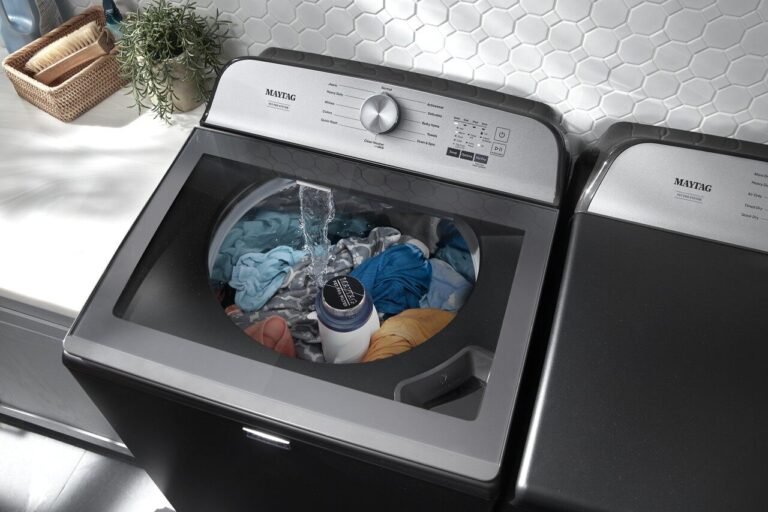
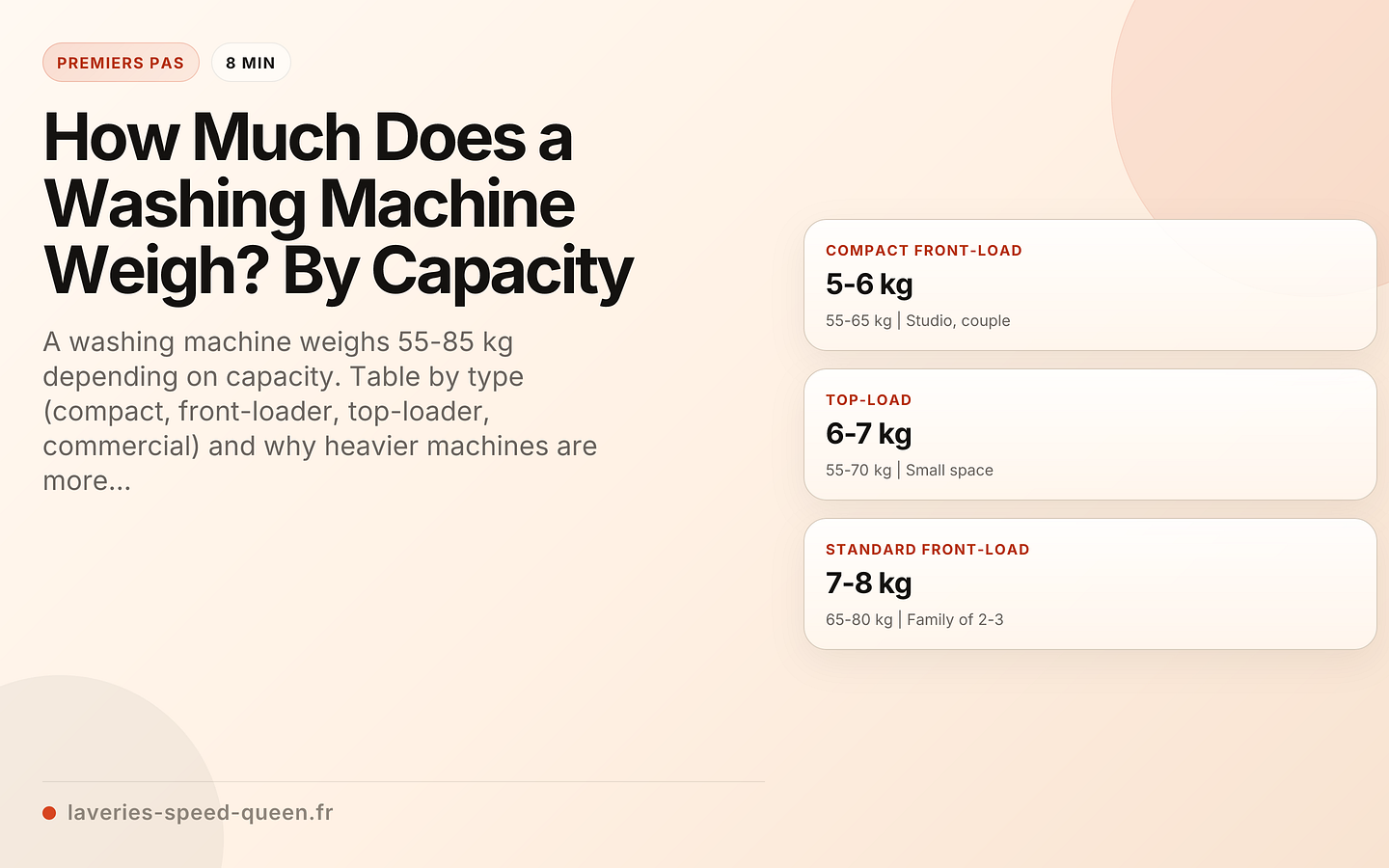
Washing machines come in many types and sizes. Their weight varies widely. The average washing machine weight ranges from about 55 to 85 kilograms. This depends on the model, size, and features. Understanding washing machine capacity and weight is key for safe handling and installation.
For those curious about how much washing machine weigh, this guide will explain differences between front load, top load, and portable washers in 2026. We also cover dimensions, transport, and energy rating impacts on weight.
Knowing appliance weight standards helps users and movers avoid damage or injury. In this article, we analyze common washer weights and sizes with expert insight.
Weight of Front Load Washers
Front load washers tend to be heavier than top load models. This is due to their large, durable drums and extra sound insulation. Most front load washers weigh between 70 and 90 kilograms (154 to 198 pounds). Some high-capacity models exceed 100 kilograms.
Due to their weight, front load washers require careful lifting and solid installation surfaces. They often have a steel drum that adds to the total washing machine drum weight. This helps with durability and balanced spinning.
Industry consensus indicates front load washers provide excellent cleaning and energy efficiency but come with a heavier weight profile than other types.
Top Load Washing Machine Weight
Top load washers generally weigh less than front loaders. Their average weight is around 60 to 80 kilograms (132 to 176 pounds). This depends on whether they use an agitator or impeller design.
Top load machines with agitators tend to be heavier due to extra mechanical parts. Compact and energy efficient top loaders weigh less. The weight also relates to the washing machine’s size and load capacity.
These washers are easier to move but may have larger dimensions requiring more space. Their weight distribution affects how they vibrate during cycles.
Portable Washing Machine Weight
Portable washers are designed for small spaces and easy transport. They usually weigh between 20 and 30 kilograms (44 to 66 pounds). This makes them lightweight compared to standard models.
Portable washing machines have smaller drums and fewer features. Their compact size means they use less water and power but also have limited load capacity.

Many renters and travelers prefer portable washers due to these weight and size benefits. They can fit on countertops or in closets.
Washing Machine Dimensions and Weight
Washing machine size and weight are closely linked. Larger washers with bigger drums weigh more. The average washing machine size is about 27 inches wide, 30 to 34 inches tall, and 25 to 34 inches deep.
Weight varies with dimensions and materials. Steel frames and drums add bulk. Plastic parts help reduce weight but may affect durability. Manufacturers list dimensions and weights for safe installation.
Knowing these specs helps plan space and lifting needs. For example, a compact washer weighs less and fits smaller spaces but holds fewer clothes.
Weight Comparison of Washers
The following table compares common washing machine types by weight, capacity, and size. This helps choose the right model for your needs.
| Washer Type | Average Weight (kg) | Load Capacity (kg) | Typical Dimensions (WxHxD in inches) |
|---|---|---|---|
| Front Load Washer | 70-90 | 7-12 | 27 x 34 x 30 |
| Top Load Washer (Agitator) | 65-80 | 6-10 | 27 x 42 x 28 |
| Top Load Washer (Impeller) | 60-75 | 6-11 | 27 x 42 x 28 |
| Portable Washing Machine | 20-30 | 2-4 | 20 x 35 x 20 |
| Compact Washer | 35-50 | 4-6 | 24 x 33 x 24 |
These numbers reflect common 2026 models with energy efficient designs. Heavier washers tend to have larger drums and more insulation, improving cleaning and noise control.
Choosing the right washer weight also depends on your home’s floor strength and installation space.
Washing Machine Installation Weight
Installation weight includes the washer’s dry weight plus water and detergent during use. A loaded washing machine can weigh significantly more.
For example, a 70-kilogram front load washer holding 10 kilograms of laundry and water may weigh over 85 kilograms when running. This impacts floor load and transport safety.
Proper installation requires checking floor ratings and securing the washer to prevent movement. This ensures durability and safety during washing cycles.
Washing Machine Transport Weight
When moving a washing machine, consider shipping weight. This includes the washer, packaging, and accessories. Shipping weights are usually 10-20% higher than the dry weight.
Transporting heavy washing machines needs proper equipment like dollies and straps. Lifting weight is often shared by two or more people to avoid injury.
For safe transport, always consult the manufacturer’s specifications and follow recommended lifting techniques. This reduces damage risk.
Energy Efficient Washer Weight
Energy efficient washers often weigh more due to extra insulation and advanced motors. These features save water and power but add weight.
Modern front load washers with high energy ratings usually have thicker drums and noise reduction materials. This increases washing machine drum weight.
Despite the extra weight, energy efficient washers lower utility bills and offer better cleaning, making them popular in 2026.
Lifting and Handling Washing Machines
Lifting washing machines safely is critical. Average washers weigh 55 to 90 kilograms, requiring two people for most models.
Use proper lifting gear and techniques to avoid injury. Plan the route and clear obstacles before moving the appliance.

For heavy washing machines, consider professional movers. They understand weight distribution and appliance handling best.
Load Capacity vs Weight in Washing Machines
Load capacity refers to how much laundry a washer can hold. Generally, higher capacity washers weigh more due to bigger drums and stronger frames.
However, weight alone does not determine performance. Some compact washers use advanced materials to keep weight low while maintaining load size.
Choosing a washing machine means balancing capacity with weight and space available. Check manufacturer specs for detailed information.
Conclusion
Understanding washing machine weight is key in 2026. Front load washers are heavier, ranging from 70 to 90 kilograms. Top load models weigh less, about 60 to 80 kilograms. Portable washers are the lightest, usually under 30 kilograms.
Weight relates closely to size, load capacity, and energy efficiency features. Installation and transport must consider full operational weight for safety.
For a deeper understanding of this mechanic, analyzing resources on washing machine transport weight provides excellent foundational context. Also, read our guide on how much washing machine weigh for more details and tips on handling.
Choosing the right washing machine means considering weight, size, and your home’s needs. Remember to plan installation and moving carefully. This ensures your laundry setup stays safe and efficient for years to come.
Frequently Asked Questions
What is the average weight of a washing machine?
The average washing machine weighs between 55 to 85 kilograms (120 to 187 pounds), depending on type and capacity.
How much does a front load washer typically weigh?
Front load washers usually weigh between 70 and 90 kilograms (154 to 198 pounds) due to their heavy-duty drums and insulation.
Are portable washing machines lighter than standard ones?
Yes, portable washers generally weigh 20 to 30 kilograms (44 to 66 pounds), making them easier to move and install.
Why is knowing the washing machine weight important?
Understanding washer weight helps with safe lifting, transportation, proper installation, and choosing the right support or platform.
Does washing machine capacity affect its weight?
Yes, machines with larger load capacities tend to be heavier due to bigger drums and stronger frames.

Michael Peterson is a home appliance writer focused on practical washing machine care, maintenance, and troubleshooting. He shares simple, reliable tips to help readers keep their washing machines running efficiently, avoid common problems, and extend appliance life.