Understanding Washing Machine Lifespan
The average washing machine lifespan varies but typically ranges from 8 to 12 years. This depends largely on how often it is used and how well it is maintained. Industry consensus indicates that a washing machine is designed to handle about 300 to 500 loads per year. This means if you do 5 loads each week, your machine might last close to 10 years.
Many factors affect the washing machine usage durability, such as the type of washer, load size. And cycle count. For example, front load washers generally cause less mechanical wear than top load models due to their gentler agitation mechanism.
For a deeper understanding of this mechanic, analyzing resources on how long spin cycle washing machine provides excellent foundational context.
Different parts of a washing machine show wear at different rates. The motor lifespan, bearing degradation. And seal failure are common weak points. Regular maintenance can help slow this wear.
Load Count and Cycle Impact on Washer Longevity
How many washes a machine can handle depends on both load count and cycle count. Every wash cycle involves mechanical movement that stresses parts. More cycles mean more wear. Heavy or unbalanced loads increase stress.
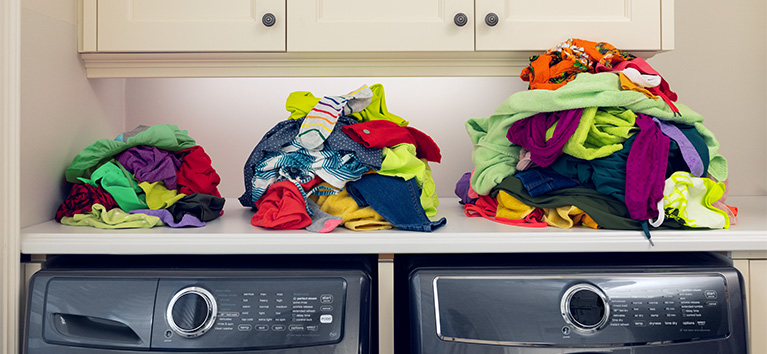
Washing machines have recommended load capacities. Exceeding the washing machine load capacity leads to faster part wear and possible breakdown. Similarly, running very small loads wastes energy and may harm the machine’s balance.
Using the proper detergent type and following fabric care instructions also matter. Harsh detergents or washing delicate fabrics improperly can damage internal parts.
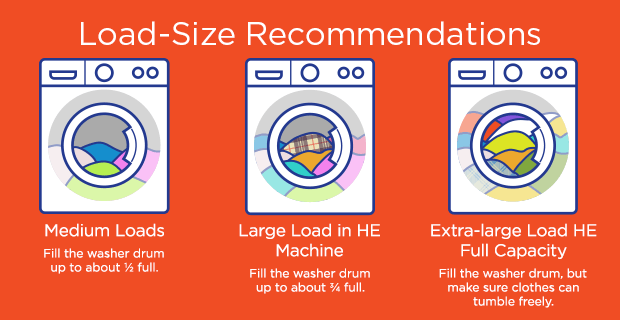
To learn how to balance loads properly and avoid damage, check guidance on how to balance washing machine.
| Factor | Impact on Lifespan | Tips |
|---|---|---|
| Load Size | Overloading strains motor and bearings | Follow max load limits in user manual |
| Cycle Count | More cycles lead to faster mechanical wear | Combine small loads when possible |
| Detergent Type | Harsh chemicals may degrade seals and hoses | Use recommended detergents for your washer |
| Fabric Types | Delicate fabrics require gentler cycles | Choose cycle based on fabric care labels |
Machine repair frequency rises as parts wear out. Bearings and seals often fail after years of use, leading to leaks or noise. Repair costs may exceed the benefit of fixing older machines, especially when warranty period has expired.
Energy-efficient washing machines today also help reduce electricity consumption and water usage. They often have longer lifespans due to better build quality and advanced parts.
Maintenance and Longevity Tips
Maintaining your washing machine properly is key to extending its life expectancy. Simple steps include cleaning the detergent drawer and drum regularly to avoid mold buildup. Preventive maintenance reduces breakdown signs like strange noises or leaks.
Check and clean filters often. Inspect hoses and seals for cracks or wear. Avoid overloading and use correct cycle settings for different fabrics. Following the user manual’s maintenance guide helps prevent common issues.
Experts advise scheduling occasional professional servicing, especially for front load washers. This can catch bearing degradation early before it causes costly damage.
Here is a quick checklist to help keep your washer in good shape:
- ✅ Clean detergent drawer monthly
- ✅ Run a cleaning cycle with vinegar quarterly
- ✅ Check hoses and replace every 3-5 years
- ✅ Balance loads to avoid strain
- ✅ Use correct cycle and detergent
Applying these tips can add years to your machine’s life. For more on extending washer life, see expert advice on how to fix washer machine that wont spin.
Front Load vs Top Load Washer Lifespan
Comparing front load and top load washers reveals differences in lifespan and durability. Front loaders tend to last longer because they use a tumbling action that is gentler on parts. They also use less water and energy. This reduces wear on seals and motors.
Top load washers use an agitator that moves clothes vigorously. This can cause faster mechanical wear but top loaders often handle bulky loads better. Their simpler design sometimes leads to easier repairs.
Below is a comparison table showing typical lifespan factors between these two types:
| Feature | Front Load Washer | Top Load Washer |
|---|---|---|
| Typical Lifespan (years) | 10-12 | 8-10 |
| Energy Efficiency | Higher (Energy Star rated) | Moderate |
| Maintenance Needs | Moderate (seal and mold care) | Lower (fewer seals) |
| Load Capacity | Large, better for delicate fabrics | Good for bulky/large loads |
Choosing the right type depends on your laundry needs and willingness to maintain the machine properly. Both types can last well beyond a decade with good care.
Recognizing Washing Machine Breakdown Signs
Knowing when your washing machine is nearing the end of its life is vital. Common breakdown signs include loud noises, water leaks, failure to spin. And error codes. These usually point to motor lifespan issues, bearing degradation, or seal failure.

Ignoring these signs can lead to more severe damage and costly repairs. If your machine is older than 10 years and shows multiple signs, it might be time to replace it.
Regularly checking for these issues and addressing them early can prevent sudden failure. For a quick guide on troubleshooting spinning issues, visit how to fix washer machine that wont spin.
Conclusion
In 2026, understanding how many loads a washing machine can last is essential for smart home management. The typical washer lifespan ranges from 8 to 12 years, influenced by load count, cycle count. And proper maintenance. Front load washers tend to last longer than top load models but require careful care to avoid seal failure.
Maintaining your washer by cleaning, balancing loads. And following user manual guidelines extends its life. Recognizing early breakdown signs helps avoid costly repairs. Choosing energy-efficient machines supports durability and lowers utility costs.
By following expert tips and regular upkeep, you can maximize your washing machine’s lifespan and enjoy reliable performance for many years.
For additional insights on washer performance and longevity, the article on How Long Do Washing Machines Last? offers excellent broader context on this topic.
Frequently Asked Questions
What is the average lifespan of a washing machine?
The typical washing machine lifespan is between 8 to 12 years or around 300 to 500 loads per year depending on usage and care.
Do front load washers last longer than top load washers?
Front load washers often last longer due to gentler agitation and less wear on parts, but top load washers can be more durable in heavy-use settings.
How does washing machine load size affect its lifespan?
Overloading or underloading can cause strain on mechanical parts, leading to faster wear and shorter lifespan.
What are common signs that a washing machine is nearing breakdown?
Signs include unusual noises, water leaks, failure to spin, and error codes indicating motor or bearing issues.
Can regular maintenance extend a washing machine’s life?
Yes, preventive maintenance like cleaning filters, seals, and following user manual guidelines can significantly extend washer life.

Michael Peterson is a home appliance writer focused on practical washing machine care, maintenance, and troubleshooting. He shares simple, reliable tips to help readers keep their washing machines running efficiently, avoid common problems, and extend appliance life.