Introduction to Washing Machine Transportation
Moving a washing machine safely is a common concern for many. The question often asked is, can washing machine be laid down or transported on its side? This is important because the washing machine drum and internal components are delicate. Improper handling can cause damage and void the manufacturer warranty. Following the correct washing machine shipping guidelines helps preserve its function.
For a deeper understanding of this mechanic, analyzing resources on washing machine transportation in SUVs provides excellent foundational context. This article explains washing machine laying precautions and the best way to move washing machine safely in 2026.
Also, if you want to learn how washing machines work, check out our detailed guide on how it works washing machine.
Risks of Laying Washing Machine on Side
Laying a washing machine on its side is not always safe. The washing machine drum sits on shock absorbers and tub suspension. When the machine is laid flat, these parts can shift or get damaged. This can cause vibration or noise during use.
Additionally, internal components like the drain pump, water inlet valve. And electrical connections can be strained. This strain may lead to leaks or electrical faults. Foam insulation and tub cushioning may also move, risking damage. The tilt angle and horizontal placement matter greatly during transport.
Industry consensus indicates that washing machine drum damage is the most common problem when machines are moved sideways. The drum bearings can wear out quickly if the drum is not locked properly during transport.
Manufacturer Guidelines and Warranty Impact
Most washing machine installation manuals warn against laying the machine flat. Transport locks are often provided to keep the drum stable. Using these locks is essential when moving the machine upright or tilted.
If a washing machine warranty and positioning rules are ignored, any damage found after transport may not be covered. This means the owner pays for repairs. Always read the manufacturer warranty and shipping mode instructions before moving your machine.
Some brands allow tilting the machine up to a 45-degree angle but warn against full horizontal washing machine positioning. This tilt angle reduces the risk of internal damage.
Best Ways to Move Washing Machine Safely
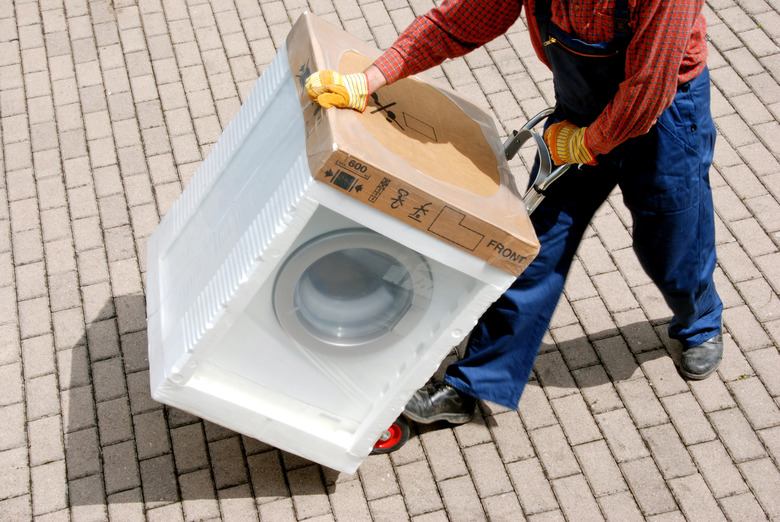
The best way to move washing machine is upright. This keeps the drum bearings and shock mounts in their proper places. If you must lay it on its side, tilt it carefully and avoid full flat laying.
Follow these steps for moving washing machine safely:
- Turn off power and water, disconnect all pipes and cords.
- Drain the machine fully to avoid water leaks.
- Secure the drum with transport locks or strong tape if locks are missing.
- Lift the machine with help, keeping it tilted no more than 45 degrees.
- Use a dolly or cart for transport over long distances.
- Once moved, wait a few hours before plugging in to allow oils to settle.
These precautions help protect the tub suspension and drum bearings.
Here is a checklist for moving your washing machine:
- ✅ ✅ Disconnect water and electrical connections
- ✅ ✅ Drain all water from machine
- ✅ ✅ Use transport locks or secure drum
- ✅ ✅ Move upright or tilted max 45°
- ✅ ✅ Avoid laying flat when possible
- ✅ ✅ Let machine rest before use
Precautions When Laying Washing Machine Flat
If horizontal washing machine positioning is unavoidable, take extra care. Lay the machine on its side that houses fewer sensitive parts. Avoid the side with the drain pipe or water inlet valve.
Use padding like foam insulation or blankets to protect shock absorbers and tub suspension. Avoid sudden jolts during transport. Keep the machine steady and avoid vibrations that may harm internal components.
Do not exceed a washing machine tilt angle of 45 degrees during transport. Moving it completely flat increases the risk of washing machine drum damage and voids warranty in many cases.
Washing Machine Maintenance After Moving
Once your washing machine is moved, check all connections. Inspect the drain pump and water inlet valve for leaks. Run a test wash without clothes to check for vibration or noise.
If you notice odd sounds or shaking, call a service technician. They can inspect tub suspension and shock mounts. Proper maintenance after moving can extend the life of your washing machine.
Learn more about how to clean your machine and keep it running smoothly at our guide on how to clean filter in whirlpool washing machine.
Summary Tables and Comparison
The following table shows risks and benefits of different washing machine orientations for transport.
| Orientation | Risk Level | Damage Potential | Warranty Impact |
|---|---|---|---|
| Upright | Low | Minimal | Safe |
| Tilted (max 45°) | Medium | Possible minor | Usually safe |
| Flat on Side | High | High (drum, shock absorbers) | Often voids |
Below is a numbered list of key washing machine parts sensitive to orientation during transport.
- Washing machine drum and drum bearings
- Shock absorbers and tub suspension
- Drain pump and drain pipe
- Water inlet valve
- Electrical connections
Lastly, this table compares common transport scenarios and their pros and cons.
| Transport Method | Pros | Cons |
|---|---|---|
| Upright with dolly | Protects internal parts. easy to secure | Requires more space. heavier to move |
| Side laying in truck | Saves space. easier in small vehicles | Risk of drum damage. voids warranty |
| Tilted at 45° | Balance between space and safety | Needs careful handling. partial risk |
Final Thoughts
In 2026, the best practice is to avoid laying washing machines flat whenever possible. The internal components like the drum, shock absorbers. And tub suspension are delicate. Moving the machine upright or slightly tilted keeps these parts safe and maintains the warranty.
If you must lay a washing machine on its side, follow strict washing machine laying precautions. Use padding, secure the drum. And limit tilt angle. After moving, run checks and maintenance to prevent damage.
For further questions on washing machine handling, the expert insights at can you lay washing machines down offer useful tips. Proper care ensures your washing machine runs smoothly for years.
Remember, knowing how to transport washing machine safely is key. Always refer to your installation manual and manufacturer warranty to avoid costly mistakes.
Frequently Asked Questions
Is it safe to lay a washing machine on its side for moving?
Laying a washing machine on its side can risk damage to internal parts like the drum and tub suspension. It is best to follow manufacturer shipping guidelines.
What are the risks of laying a washing machine flat during transport?
Laying a washing machine flat may cause the drum bearings and shock absorbers to shift or break, leading to vibration issues or failure.
How should I prepare my washing machine before moving it?
Secure the drum with transport locks, disconnect water and electrical connections, and drain all liquids to prevent damage.
Does laying a washing machine on its side affect the warranty?
Many manufacturers void warranties if the washing machine is laid down or transported improperly. Always check the installation manual.
What is the best way to move a washing machine safely?
Upright movement is preferred. If laying it down is necessary, keep it tilted at no more than 45 degrees and secure internal parts properly.

Michael Peterson is a home appliance writer focused on practical washing machine care, maintenance, and troubleshooting. He shares simple, reliable tips to help readers keep their washing machines running efficiently, avoid common problems, and extend appliance life.