Understanding Machine Washing for Stuffed Animals
Many parents and collectors wonder if machine washing plush toys is safe. Stuffed animals often collect dirt, stains, and germs from daily use. Machine washing can clean them well but must be done carefully. Using a gentle cycle and cold water helps keep the fabric and stuffing safe. This method is widely accepted as a safe laundry method for toys that can handle machine washing.
Before washing, check the toy’s label for care instructions. Some stuffed animals require hand washing or dry cleaning. For those safe to wash, placing them in a laundry bag protects them from rough spinning. This is a key step to prevent damage during the wash.
For a deeper understanding of this mechanic, analyzing resources on can you wash stuffed animals in the washing machine provides excellent foundational context.
Remember, not all toys are equal. The fabric type, stuffing material, and overall build affect how well they survive a machine wash.
Following these basics reduces wear and tear on beloved toys.
Safe Laundry Methods for Plush Toys
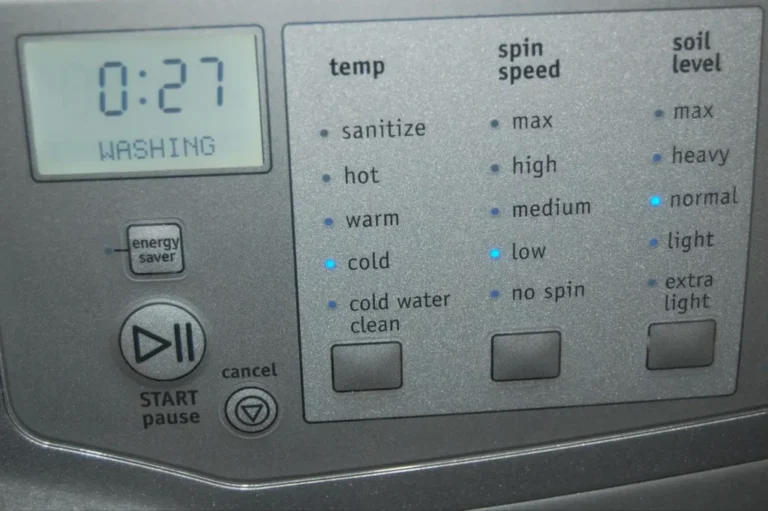
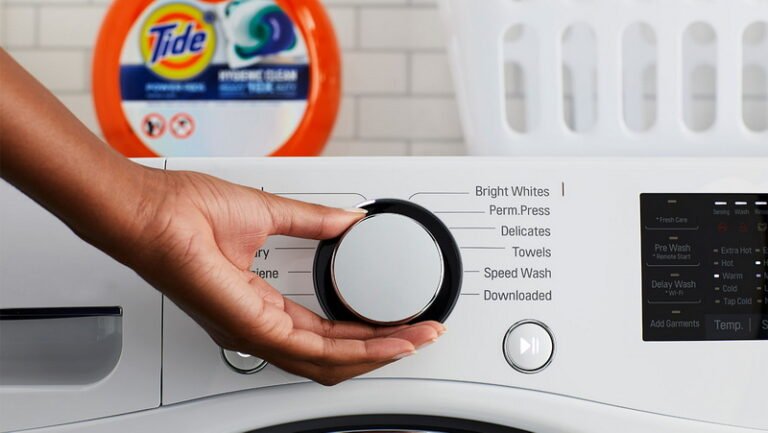
When washing stuffed animals, the best practice is to use the machine wash gentle cycle. This cycle uses slower agitation and spinning, which lowers the risk of tearing or deforming the toy. Cold or lukewarm water is preferred to protect delicate fabrics and avoid color fading.
Using a mild detergent designed for delicate fabrics or baby clothes is important. Harsh chemicals can damage plush fabric and the stuffing inside. Avoid bleach or strong stain removers unless the toy is very sturdy and the label says it is safe.
Always place stuffed animals inside a laundry bag or pillowcase. This adds a layer of protection and prevents small parts from coming loose. This also helps keep the washing machine safe from damage by buttons or plastic eyes.
Hand washing stuffed animals is another safe option. It allows you to control water temperature and pressure, minimizing damage risk. Use mild detergent and gently squeeze the toy. Rinse thoroughly and press out water without wringing.
Hand washing works well for delicate or vintage toys that cannot go in the machine. It’s a slower method but preserves the toy’s life.
Drying Stuffed Animals Correctly
Drying is as important as washing. Improper drying can cause mold, bad odors, or loss of shape. Air drying is the safest method. Lay the toy flat on a clean towel in a well-ventilated area. Avoid direct sunlight to prevent fading.
If you want to use a dryer, choose the lowest heat setting or air fluff. Place the toy in a laundry bag and add dryer balls or clean tennis balls. This helps fluff the stuffing and keeps the toy’s shape.
High heat can melt glue, warp plastic parts, or shrink fabric. It can also clump the stuffing inside, making the toy hard or lumpy.

For best results, flip the toy occasionally during drying to speed up moisture release. Patting the toy with a towel can also remove excess water before drying.
| Setting | Heat Level | Recommended Use |
|---|---|---|
| Air Fluff | None | Best for delicate toys |
| Low Heat | Low | Safe for most plush toys |
| Medium Heat | Medium | Use only if label allows |
| High Heat | High | Not recommended for plush toys |
Drying is key to preserving the toy’s softness and shape after washing.
Stain Removal and Hygiene for Stuffed Animals
Stains on stuffed animals are common. Pre-treating them helps improve wash results. Use a gentle stain remover or a paste of baking soda and water. Apply lightly and let it sit for a few minutes before washing.
Disinfecting stuffed animals is important for children’s toy hygiene. Washing in warm water with mild detergent kills most germs. For a deeper clean, adding a safe disinfectant recommended for fabrics can help. Avoid bleach as it may damage the plush fabric.
Odor removal can be done by adding vinegar to the rinse cycle or using baking soda. Both are mild and safe for delicate toys.
Regular washing and proper drying help maintain stuffed animals and keep them fresh and safe for kids.
Keeping toys clean is a part of stuffed animal maintenance that protects health and comfort.
Effects of Washing on Plush Toys
Repeated washing can affect stuffed animals. The fabric may pill, colors fade, or stuffing shift. This is why gentle care is essential. Using proper detergent and washing cycles limits damage.
Preserving plush toy shape depends on how you wash and dry. Avoid wringing or rough spinning. Stuffing material like cotton or synthetic fibers can clump if soaked or spun too fast.
Some collectors use fabric care sprays or gentle brushing after drying to restore softness. This helps keep toys looking new longer.
![Analysis of How to Clean Stuffed Animals in the Washing Machine [Fastest Method]](https://i.ytimg.com/vi/6ZACQqTW9Sg/maxresdefault.jpg "How to Clean Stuffed Animals in the Washing Machine [Fastest Method] (Figure)")
Knowing how to wash stuffed animals properly extends their life and keeps memories intact.
| Effect | Cause | Prevention |
|---|---|---|
| Color Fading | Hot water, harsh detergents | Use cold water, mild detergent |
| Fabric Pilling | Rough washing, spinning | Gentle cycle, laundry bag |
| Stuffing Clumping | Over-soaking, high spin speed | Low spin speed, air dry |
| Shape Loss | Improper drying, wringing | Air dry flat, avoid wringing |
These points guide safe care for plush toys.
Top Stuffed Animal Washing Tips
To sum up, here are key tips for washing stuffed animals safely:
- ✅ Check the care label before washing.
- ✅ Use a laundry bag for machine wash.
- ✅ Choose gentle cycle and cold water.
- ✅ Use mild detergent for delicate fabrics.
- ✅ Pre-treat stains carefully.
- ✅ Air dry or use dryer on low heat.
- ✅ Fluff stuffing after drying.
These tips help avoid damage and keep toys clean and fresh. For more advice, see our guide on how to wash stuffed animals in washing machine. This resource explains detailed washing steps and safety.
1. Inspect toy for damage.
2. Place in laundry bag.
3. Select gentle cycle.
4. Use mild detergent.
5. Air dry flat or tumble dry low.
6. Fluff stuffing after dry.
Proper care protects your plush friends for years.
Conclusion
Machine washing stuffed animals is possible if done with care. Using a gentle cycle, cold water, and laundry bags protects the toy’s fabric and stuffing. Mild detergent and proper drying methods help maintain the plush fabric’s softness and shape. Hand washing remains a good option for delicate or vintage toys.
Regular cleaning keeps stuffed animals hygienic and fresh. It also removes stains and odors that build up over time. Knowing the effects of washing on plush toys helps you choose the right care method.
By following expert tips and safe laundry methods, you can preserve your stuffed animals’ charm and keep them safe for play. Maintaining children’s toy hygiene is easier with these simple steps.
For further details on stuffed animal washing best practices, exploring guides on machine wash stuffed animals offers valuable insights.
Frequently Asked Questions
Is it safe to machine wash all stuffed animals?
Not all stuffed animals are safe for machine washing. Soft, plush toys with sturdy fabric and stitching usually are, but delicate or hand-made toys may get damaged.
What washing machine settings are best for plush toys?
Use the gentle or delicate cycle with cold water. This helps protect the fabric and stuffing from damage.
Should I use detergent when washing stuffed animals?
Yes, but use a mild detergent made for delicate fabrics to avoid harming the toy’s fabric or stuffing.
How do I dry stuffed animals after washing?
Air drying is safest to keep the shape. If using a dryer, choose the lowest heat setting and use a laundry bag.
Can washing stuffed animals remove odors and stains?
Yes, machine washing with mild detergent can remove stains and odors. For tough stains, pre-treat with a gentle stain remover before washing.

Keith Boyd Is A Seasoned Appliance Care Expert With Over A Decade Of Experience In Home Appliance Maintenance. His Authoritative Insights On Washing Machine Care And Upkeep Are Trusted By Homeowners Nationwide. With A Passion For Educating Others, Keith Shares Valuable Tips That Ensure Your Appliances Run Smoothly For Years To Come.