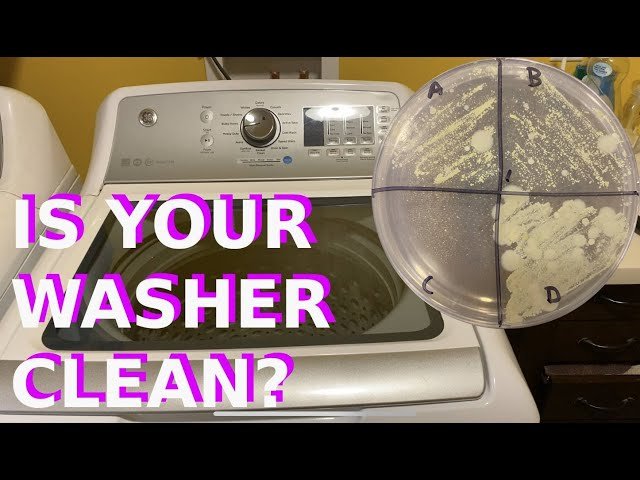
Understanding Black Mold in Washing Machines
Black mold, known scientifically as Stachybotrys chartarum, thrives in damp places. Washing machines provide a perfect home for it. Moisture stays in the gasket and detergent areas, allowing mold spores to grow. These spores can create a black or greenish film inside your washer.
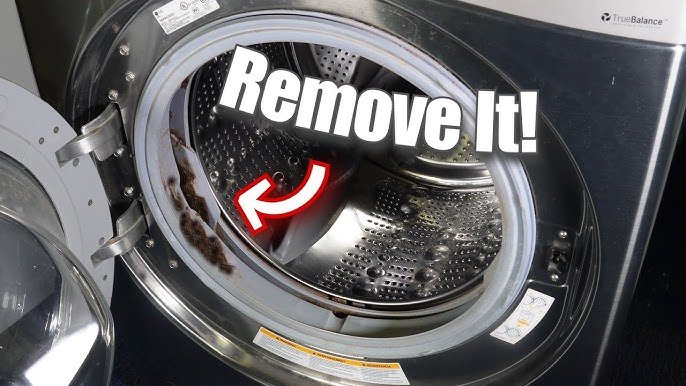
Both front load and top load washers can get mold. However, front load washers often trap more water in their rubber gasket. This makes them more likely to develop mold. You can also find mold in detergent trays and filters.
For more tips on keeping fabric fresh and clean, see this useful guide on cap washing in machines. It includes hygiene tips that help prevent mold buildup on clothes too.
Black mold growth conditions include humidity, warm temperature. And leftover detergent residue. When these factors combine, mold can form quickly and cause issues.
- ✅ Grows in humid, dark. And warm spots
- ✅ Common in washing machine gaskets and detergent trays
- ✅ Mold spores can spread to clothes and air
- ✅ Needs regular cleaning and ventilation to stop growth
Health Risks of Black Mold Exposure
Exposure to black mold in washing machines can lead to various health problems. The mold releases tiny spores and toxic compounds called mycotoxins. When inhaled or touched, they may cause allergic reactions and respiratory troubles.
People with asthma, allergic rhinitis, or weak immune systems face higher risks. Symptoms include coughing, sneezing, skin irritation. And eye redness. Long-term exposure may worsen lung problems or cause fungal contamination in sensitive individuals.
Industry consensus indicates that mold spores from household appliances can trigger asthma attacks and allergy flare-ups. Mold toxicity from washing machines is a real concern in 2026 homes.
| Symptom | Description | At-Risk Groups |
|---|---|---|
| Allergic Rhinitis | Sneezing, runny nose, congestion | Asthma sufferers, allergy patients |
| Respiratory Issues | Coughing, wheezing, shortness of breath | Children, elderly, immunocompromised |
| Skin Irritation | Rashes, redness, itching | Anyone with mold exposure |
For a deeper understanding of this mechanic, analyzing resources on washing machine mold removal provides excellent foundational context.
Causes and Conditions for Mold Growth
Mold growth in washers is driven by dampness and leftover dirt. When washing cycles use cold water or too little detergent, residue stays behind. This residue forms a sticky biofilm that attracts mold spores.
Additionally, poor ventilation in laundry rooms raises humidity. This helps the mold spread quickly. Detergent buildup in seals and filters also traps moisture. These factors combined create the danger of black mold exposure in washers.
Some washing machine odor causes also link to this mold. The smell often comes from mold or mildew trapped inside the machine. Regular cleaning and airing out your washer can reduce this problem.
Washing Machine Mold Removal and Cleaning Methods
To remove mold safely, start by wiping the washing machine gasket with a diluted bleach or vinegar solution. These cleaning agents kill mold spores and remove the black film. Make sure to wear gloves and keep the area ventilated during cleaning.
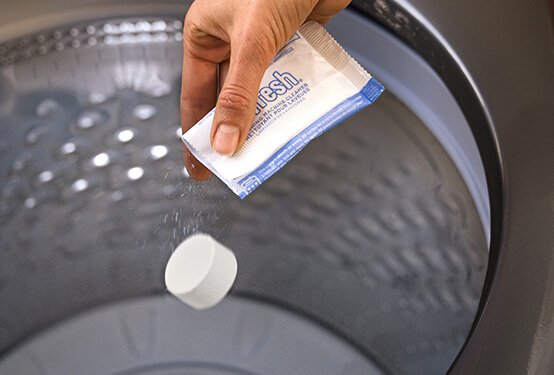
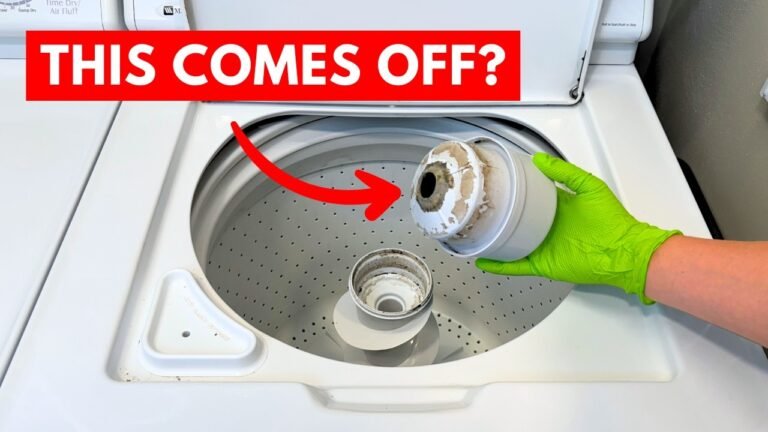
Run a hot water washing cycle with bleach or specialized mold remediation products. This helps clean inside the drum and pipes. Detergent trays and filters should be taken out and washed separately.
Cleaning tips for top loaders differ slightly from front loaders. For example, front loaders need extra care cleaning the rubber gasket where mold hides. For detailed cleaning techniques, explore our guide on how to clean the washing machine top loader.
- Wear gloves and mask for safety
- Mix bleach or vinegar with water
- Wipe gasket, detergent tray. And seals
- Remove and clean filters
- Run hot water cycle with bleach or mold cleaner
- Leave door open to dry after use
Washing Machine Mold Prevention and Maintenance Tips
Prevention is key to avoiding mold infestation. After every wash, leave your washing machine door open. This helps moisture evaporate and stops mold growth. Wipe down the gasket and detergent area regularly.
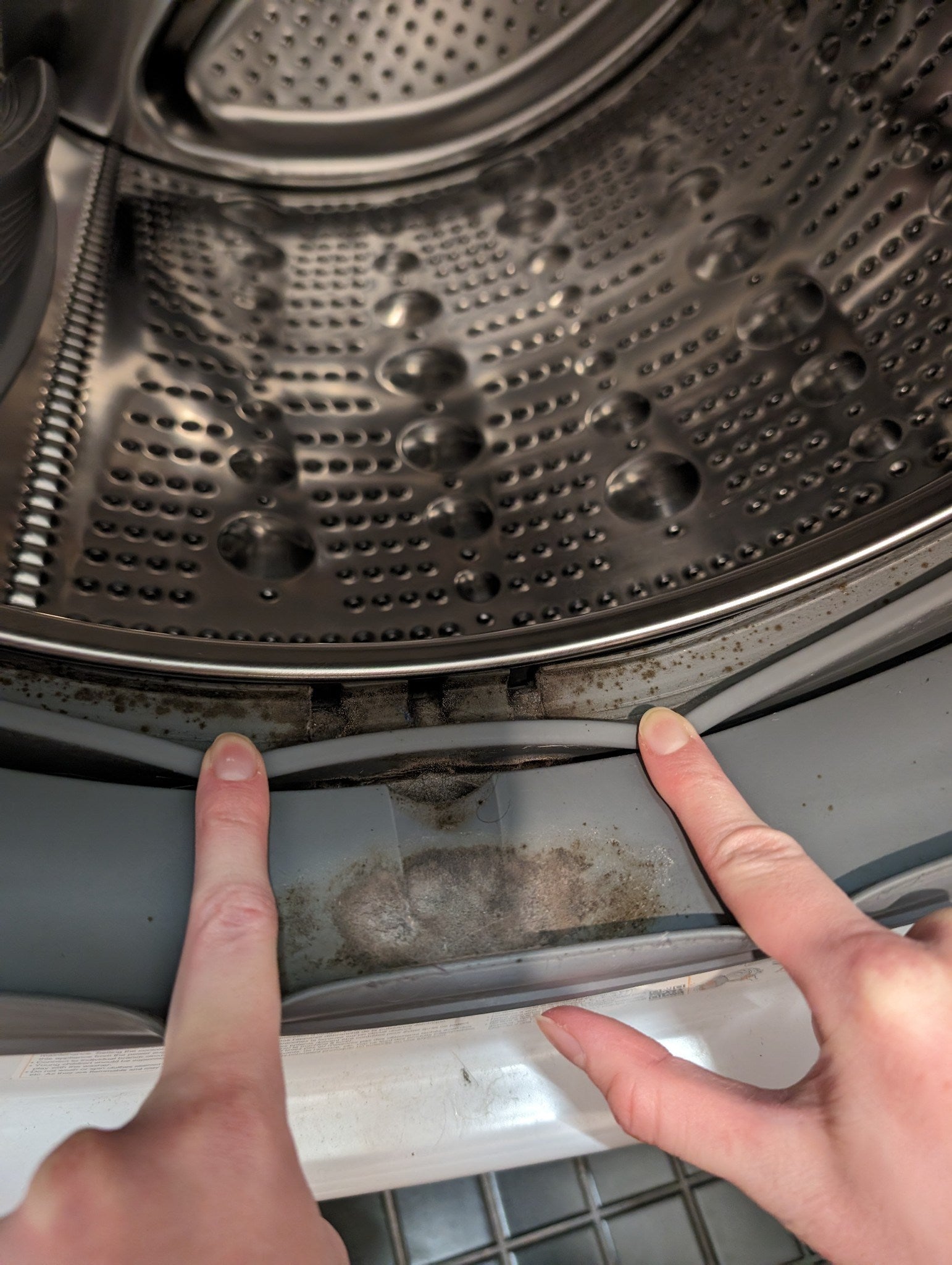
Use the correct amount of detergent and opt for hot water cycles to kill spores. Also, clean your washing machine monthly using vinegar or mold-safe products. Good ventilation in laundry rooms keeps humidity low.
Regular washing machine maintenance tips include checking and cleaning filters and seals. These steps reduce detergent buildup and mold growth. Investing time in upkeep ensures your machine stays safe and odor-free.
| Action | Frequency |
|---|---|
| Leave door open after use | Every wash |
| Wipe gasket and seals | Weekly |
| Run hot water cleaning cycle | Monthly |
| Clean detergent tray and filter | Monthly |
| Ensure laundry room ventilation | Continuous |
Testing and Remediation of Washing Machine Mold
If you suspect a serious mold infestation, consider washing machine mold testing. Professionals can identify the mold type and level of contamination. This helps determine if black mold remediation is needed.
Remediation involves thorough cleaning, repair of leaks. And sometimes replacing parts like the gasket. Using approved mold remediation products ensures safe and effective mold removal. This protects your health and your washing machine.
When mold symptoms appear on your clothes or in your home, act quickly. Early action can prevent health effects of mold spores and stop mold from spreading.
| Pros | Cons |
|---|---|
| Restores washing machine hygiene | Can be time-consuming |
| Reduces health risks | Requires chemical cleaners |
| Prevents mold odor | May need professional help |
For more on cleaning black mold safely, see our recommended methods on how to clean mold out of washing machine.
Conclusion
Black mold in washing machines is a real health risk in 2026. It grows in damp spots like the gasket and detergent areas. Exposure can cause allergic reactions, respiratory issues. And worsen asthma.
Regular cleaning, proper ventilation. And good washing habits help prevent mold. If mold appears, remove it quickly with proper agents. Testing and remediation may be necessary for severe cases.
Maintaining washing machine hygiene protects your health and keeps your clothes fresh. Stay alert to washing machine odor causes and symptoms of mold. Act fast to keep your laundry safe and mold-free.
For ongoing machine care, consider learning more about washing down pillows in machines to keep all your laundry clean and mold-free.
Frequently Asked Questions
What causes black mold in washing machines?
Black mold in washing machines is mainly caused by moisture buildup, detergent residue, and poor ventilation. These conditions create an environment where mold spores can grow.
Is black mold in washing machines harmful to health?
Yes, black mold, especially Stachybotrys chartarum, can release mycotoxins and spores that cause respiratory issues, allergic reactions, and worsen asthma, particularly in sensitive or immunocompromised individuals.
How can I remove mold from my washing machine?
Effective washing machine mold removal includes wiping the gasket with cleaning agents, running hot water cycles with bleach or vinegar, and regularly cleaning detergent dispensers and filters.
Can mold develop in both front load and top load washers?
Yes, mold can grow in both types. Front load washers often have more mold due to the rubber gasket, but top load washers can also develop mold, especially in hard-to-clean areas.
How do I prevent mold growth in my washing machine?
Prevention involves leaving the door open after use, using hot water cycles, cleaning regularly, avoiding detergent buildup, and ensuring good laundry room ventilation.

Michael Peterson is a home appliance writer focused on practical washing machine care, maintenance, and troubleshooting. He shares simple, reliable tips to help readers keep their washing machines running efficiently, avoid common problems, and extend appliance life.