Understanding Tie Fabric Types and Care
Neckties come in many fabrics like silk and polyester. Each type needs special care. For silk ties, dry cleaning is often advised because silk is delicate. Polyester ties are tougher and more washable. Knowing your tie’s fabric helps you pick the best cleaning method. Always check the fabric care label before washing. This label guides you on washing, drying, and ironing.
When thinking about cleaning ties, many ask if machine washing is safe. The answer depends on fabric and how you wash. For a deeper understanding of this, analyzing resources on machine washing delicate fabrics provides excellent foundational context.
Proper tie care keeps them looking sharp and lasts longer. Let’s explore how to clean ties safely.
Can You Machine Wash Ties?
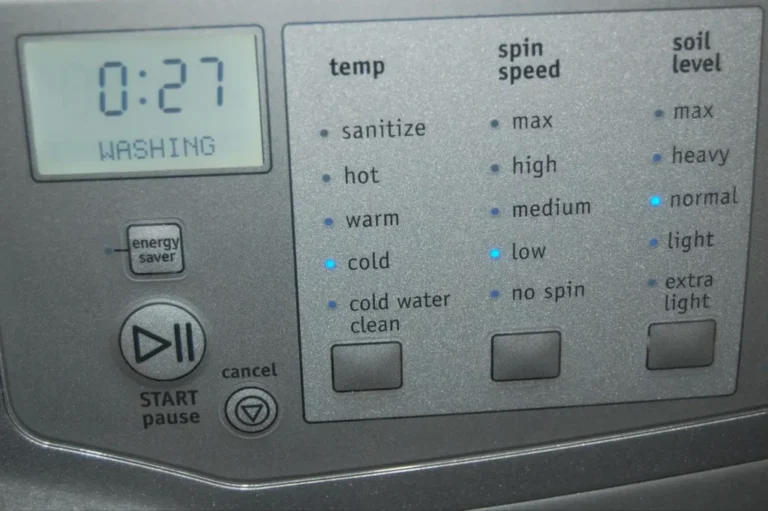
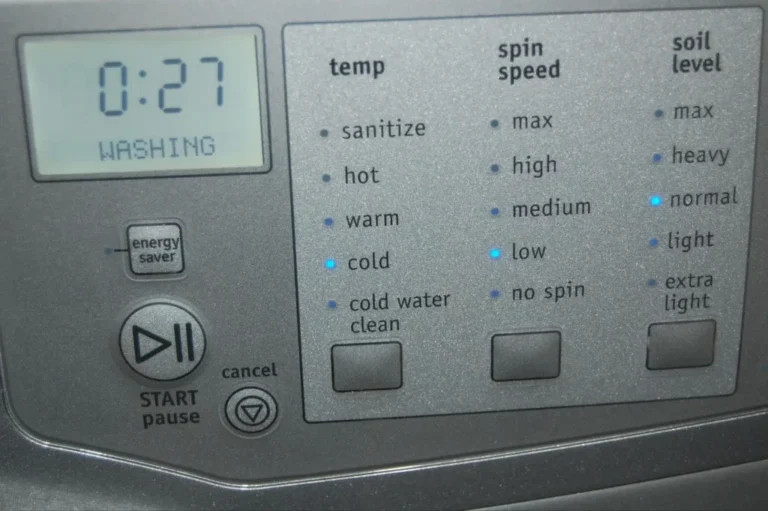
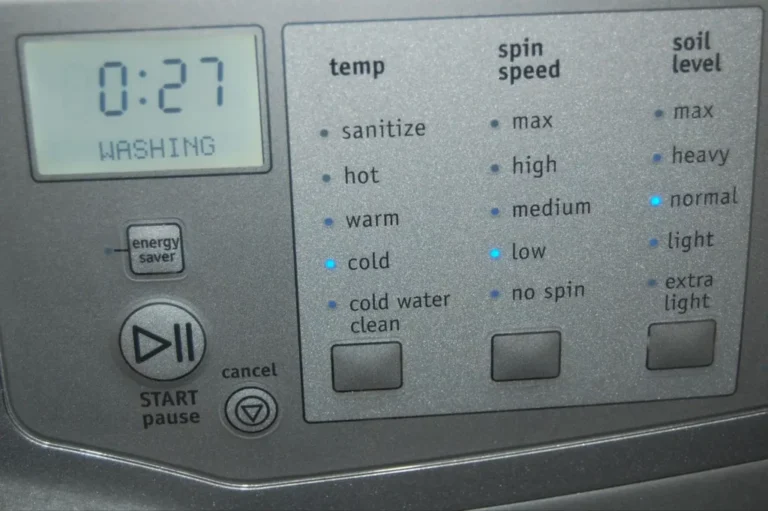
Machine washing ties is risky but possible if done right. For silk ties, machine washing can cause shrinking, wrinkling, or color loss. Polyester ties handle machine washing better but still need care. Use a gentle wash cycle, like the delicates cycle, and cold water. Avoid heavy spinning as it can harm tie shape and fabric stiffness.
Always wash ties individually in a mesh laundry bag to protect them and other clothes. Use a mild laundry detergent made for delicate fabrics. Avoid bleach or harsh chemicals. Check the tie fabric type and care instructions before machine washing ties. If in doubt, hand washing or dry cleaning is safer.
Remember, machine washing can reduce the life span of ties especially silk ones. If you want to preserve your ties well, consider alternatives.
Hand Washing Ties: A Safer Option
Hand washing is gentler than machine washing. Fill a basin with cold water and add mild detergent. Soak the tie briefly, then gently rub the fabric to clean. Avoid wringing or twisting the tie to keep its shape. Rinse with cold water until clean.

Lay the tie flat on a towel to dry. Do not hang as it can stretch the fabric. Hand washing silk or polyester ties reduces risk of shrinking or color fading. It is the best way to wash ties at home safely without dry cleaning.
- Fill basin with cold water and mild detergent.
- Soak tie 5-10 minutes.
- Gently rub fabric to remove dirt.
- Rinse with cold water.
- Lay flat on towel to dry.
This hand wash method avoids damage from machine washing and keeps ties looking new longer.
Why Dry Cleaning Is Preferred for Silk Ties
Dry cleaning uses solvents instead of water. This method protects silk ties from water damage, shrinking, and color fading. It also keeps tie stiffness and fabric smoothness intact. Professionals use special tie cleaning products for best results.
Though dry cleaning costs more, it extends the life span of high-quality ties. If your tie is stained or very delicate, dry cleaning is safer than home washing. Many tie fabric types benefit from this care method.
For ties with complex designs or valuable materials, dry cleaning is the best choice.
Removing Stains from Ties
Stains can ruin a tie’s look. Act fast to remove them. Dab the stain gently with a clean cloth and cold water. Avoid rubbing hard as this can spread or set the stain deeper. For tough stains, use a mild stain remover safe for delicate fabrics.
Test stain removers on a small hidden area first. If unsure, dry cleaning can remove stains safely. Avoid machine washing stained ties as it may fix the stain permanently in the fabric.

- ✅ Hand washing: Gentle, less risk of damage.
- ✅ Dry cleaning: Effective for tough stains but costlier.
- ✅ Machine wash: Risky, may worsen stain or tie shape.
Choosing the right method protects your tie’s look and fabric.
Tie Shape Preservation and Ironing
Ties need their shape preserved during cleaning. Machine washing may cause wrinkles and distortion. Hand washing and dry cleaning help keep the tie knot and fabric stiff. After washing, iron ties carefully if needed.
Use low heat for silk ties and medium heat for polyester. Place a cloth between the iron and tie to avoid direct heat. Iron in a smooth motion to remove wrinkles without flattening the fabric’s texture. Proper ironing keeps ties looking sharp and new.
- Silk ties: low heat + cloth barrier when ironing.
- Polyester ties: medium heat is safe.
- Never iron over stains or wet fabric.
Good tie maintenance includes careful storage. Hanging ties or rolling them loosely helps prevent wrinkles and creases.
Tie Storage Tips for Longevity
Storing ties properly keeps them in good shape longer. Avoid folding ties tightly or stuffing them in drawers. Hang ties on a tie rack or hanger to keep their shape. Rolling ties gently and placing them in a drawer also works well.
Store ties away from direct sunlight to prevent color fading. Avoid damp places to stop fabric stiffness loss or mold. Proper storage complements cleaning care and extends your tie’s life span.

| Method | Benefits | Notes |
|---|---|---|
| Hanging on rack | Keeps shape, no wrinkles | Use wide hangers |
| Rolling loosely | Prevents creases | Store in drawer or box |
| Flat storage | Good for delicate ties | Use tissue paper |
These tips help keep your ties neat and ready to wear.
Conclusion: How to Care for Your Ties in 2026
Machine washing ties is possible but risky, especially for silk. Always check the fabric care label. Hand washing is safer and effective for most ties. Dry cleaning remains the best for delicate silk and tough stains. Proper stain removal, ironing, and storage complete good tie care.
By following these tie maintenance guides, you preserve fabric quality, color, and shape. This extends the life span of your ties and keeps you looking sharp. Choosing the right cleaning method protects your investment in quality neckwear.
For more on caring for delicate fabrics, exploring machine wash leather jackets offers useful parallels in garment preservation techniques.
| Method | Fabric Best For | Pros | Cons |
|---|---|---|---|
| Machine Wash | Polyester | Quick, easy | Risk of shrink, wrinkles |
| Hand Wash | Silk, polyester | Gentle, safer | More time, care needed |
| Dry Clean | Silk, delicate | Preserves quality | Costly |
Keep your ties fresh and neat with these tips. Proper care in 2026 means longer tie life and better style.
| Fabric | Can Machine Wash? | Recommended Cleaning | Iron Setting |
|---|---|---|---|
| Silk | No | Hand wash or dry clean | Low heat with cloth |
| Polyester | Yes, gentle cycle | Machine or hand wash | Medium heat |
| Wool | No | Dry clean | Low heat |
Frequently Asked Questions
Can you machine wash silk ties?
Machine washing silk ties is generally not recommended as it can cause fabric damage, shrinkage, and color fading. Hand washing or dry cleaning is safer.
What is the best way to wash polyester ties?
Polyester ties are more durable and can often be machine washed on a gentle cycle or hand washed with cold water to keep their shape and color.
How do you remove stains from ties safely?
Use mild stain removers suited for delicate fabrics. Dab gently with a clean cloth and avoid rubbing to prevent damage or distortion.
Can ties be ironed after washing?
Yes, but use the correct iron settings for the fabric type. Silk ties need low heat and a cloth barrier, while polyester ties can handle a medium setting.
Is dry cleaning better than washing ties at home?
Dry cleaning is often the safest method, especially for silk ties, as it preserves fabric stiffness, color, and shape without water damage.

Keith Boyd Is A Seasoned Appliance Care Expert With Over A Decade Of Experience In Home Appliance Maintenance. His Authoritative Insights On Washing Machine Care And Upkeep Are Trusted By Homeowners Nationwide. With A Passion For Educating Others, Keith Shares Valuable Tips That Ensure Your Appliances Run Smoothly For Years To Come.