Understanding Rug Materials and Washing
Not all rugs are made the same. Rugs can be made from natural fibers like wool or cotton, or synthetic fibers such as nylon or polyester. Each type reacts differently to washing. Natural fiber rugs are often delicate and may shrink or lose color when machine washed. Synthetic rugs tend to be more durable and can usually handle machine washing better.
Before washing any rug, check the fabric care labels. These labels guide if the rug is washing machine safe and which cleaning methods are recommended. Ignoring these instructions can damage your rug or washing machine.
For a deeper understanding of rug washing and care, analyzing resources on rug cleaning methods in washing machines provides excellent foundational context. This resource explains common questions about machine washing rugs and what to expect.
Maintaining rugs properly increases their lifespan and keeps your home looking fresh. Let’s explore how to approach machine washing safely in 2026.
Washing Machine Safe Rugs Guide
In 2026, many rugs come labeled as washable or machine washable. These rugs are designed with fibers and backing that handle water and agitation well. Common machine washable rugs include cotton, synthetic blends, and some low-pile wool rugs that specify gentle care.
Always consider the size of your washing machine’s drum and the rug’s dimensions. Overloading the machine or washing a large rug can unbalance the spin cycle and harm the machine. Use machines with a large enough capacity to accommodate the rug comfortably.
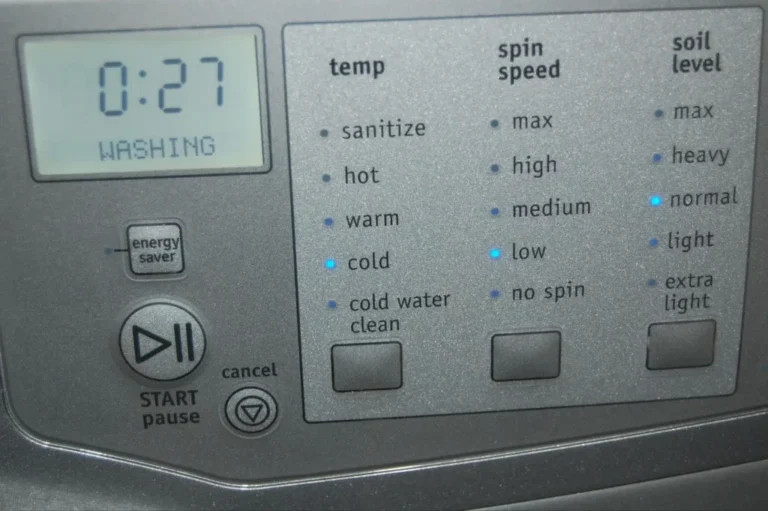
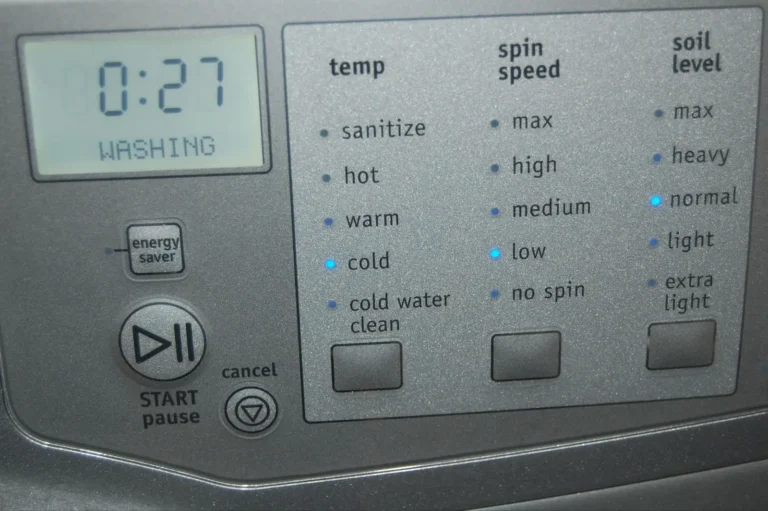
When selecting the washing cycle, use the delicate setting with cold water. This protects the rug fibers and prevents shrinking or color loss. Avoid hot water since it can damage natural fibers and adhesives in the rug backing.
Experts recommend avoiding the use of fabric softener on rugs, as it can leave residues that attract dirt. Instead, opt for a mild detergent formulated for delicate fabrics.
Machine washable rugs often have a sturdy backing that withstands water exposure. Rugs with rubber or latex backing are generally not good candidates for machine washing, as water can degrade the backing and cause the rug to lose shape.
How to Clean Rugs in the Washing Machine
Follow these steps to machine wash your rug safely:
- ✅ 1. Check the rug’s care label for washing instructions.
- ✅ 2. Vacuum the rug to remove loose dirt, pet hair, and lint.
- ✅ 3. Pre-treat any stains using a safe stain remover suitable for the rug fiber.
- ✅ 4. Place the rug in the washing machine, balancing it with towels to prevent spinning issues.
- ✅ 5. Choose the delicate or gentle cycle with cold water and a mild detergent.
- ✅ 6. Skip fabric softener to avoid residue build-up.
- ✅ 7. After washing, remove excess water by pressing the rug gently but do not wring it.
- ✅ 8. Air dry the rug on a flat surface or drying rack away from direct sunlight.
These steps balance effective cleaning with fabric care. Avoid harsh agitation or high spin speeds that could damage delicate rug fibers or distort shape.
For more advanced machine washing tips on delicate fabrics, see the expert guide on how to clean rugs in washing machine. This internal resource offers insights into cycle settings and detergent choices.
Removing Stains from Rugs
Stains from pets, food, or dirt can be tough to remove. Pre-treating stains before machine washing is crucial. Use safe detergents or shampoos specifically formulated for rugs. Avoid bleach or strong chemicals that can weaken fibers or fade colors.
For pet stains, enzyme-based cleaners work best. They break down proteins and odors safely. Apply cleaners to the stain area, let it sit as directed, then blot with a clean cloth before washing.
Always test stain removers on a small rug area first. This prevents unexpected discoloration. Combining pre-treatment with machine washing improves stain removal success and keeps your rug looking clean.
Drying Rugs After Wash
Proper drying is essential to preserve rug quality. Machine drying is generally discouraged, especially for delicate or natural fiber rugs. High heat can shrink or warp the rug.
The best method is air drying. Lay the rug flat on a drying rack or clean surface indoors or in the shade outdoors. Avoid direct sunlight to prevent fading. Flip the rug periodically to ensure even drying on both sides.
Using a drying rack helps maintain the rug’s shape and allows air to circulate freely. This technique reduces moisture retention that could cause mold or mildew.
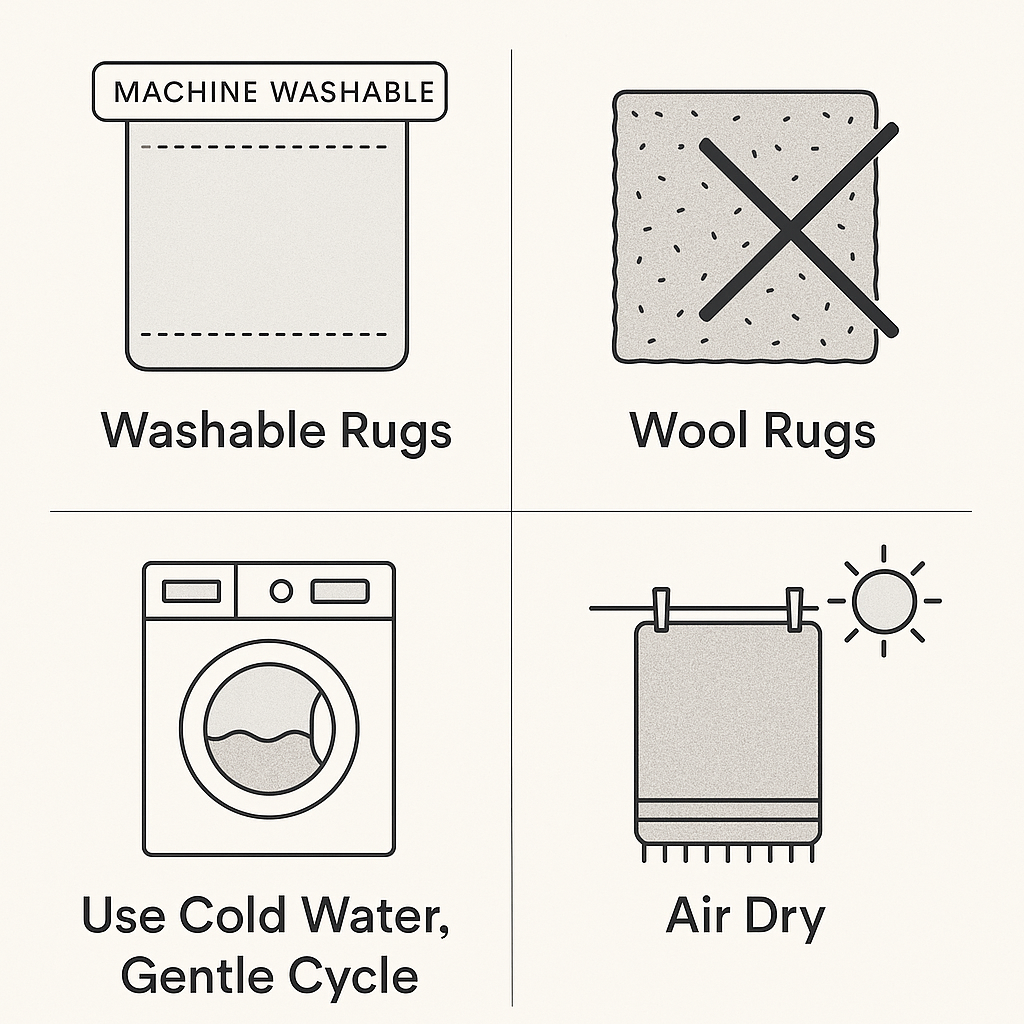
- Place rug flat on a drying rack.
- Keep away from direct sunlight.
- Flip rug every few hours.
- Allow 24-48 hours for full drying.
Following these drying steps protects your rug fibers and backing for longer use.
Hand Washing vs Machine Washing Rugs
Hand washing remains a safe alternative for delicate or large rugs that cannot fit in a machine. It allows more control over water temperature and agitation.
Machine washing is quicker and more thorough but risks damage if the rug is not suitable. Hand washing uses a mild shampoo and gentle scrubbing with a soft brush. Rinse well and dry flat.
| Method | Pros | Cons |
|---|---|---|
| Machine Washing | Fast, thorough cleaning | Risk of damage to delicate rugs, size limits |
| Hand Washing | Gentle, better for delicate rugs | Time-consuming, labor intensive |
Choose the method based on your rug’s care label and material. For delicate natural fiber rugs, hand washing is often safest.
Safe Detergents for Rugs
Detergent choice impacts rug care. Mild, pH-balanced detergents free from bleach or enzymes are recommended. These detergents clean effectively without harming fibers or colors.
Avoid laundry detergents designed for heavy fabrics or with brighteners. Specialized rug shampoos or delicate fabric detergents work best for machine washing rugs.
Always use the recommended detergent amount. Excess detergent can leave residues that attract dirt or cause stiffness.
For related advice on detergent use in washing machines, check the details on how to clean samsung washing machine front loader. This covers detergent placement and cycle settings useful for rug washing.
Rug Maintenance Advice
Regular care keeps rugs fresh and reduces deep cleaning needs. Vacuum rugs frequently to remove dirt and pet hair. Use a lint trap in your washing machine to avoid fiber buildup.
Rotate rugs periodically to ensure even wear. Address spills immediately with blotting, not rubbing. Follow the rug washing instructions precisely to avoid damage.
Proper rug care extends the life of your floor coverings and keeps your home healthy and clean.
Always test a small rug area before full machine washing. This prevents surprises and protects your investment.
Conclusion
Machine washing rugs can be safe and effective if done carefully. Knowing your rug material, following care labels, and using gentle cycles matters most. Pre-treat stains and choose mild detergents to protect fibers. Air drying on a rack maintains shape and quality. For delicate or large rugs, hand washing may be better.
In 2026, technology and detergents have improved, but cautious care remains key. With proper steps, home rug cleaning by machine washing is a practical option that saves time and refreshes your space.
For a more detailed look at machine washing different rug types, explore expert resources like the comprehensive guide on how to clean rugs in washing machine. This will help you master rug care in your modern home.
Frequently Asked Questions
Can all rugs be machine washed?
No, only certain rugs labeled as machine washable or made from durable synthetic or cotton fibers can be machine washed safely.
What washing cycle is best for rugs?
Use a delicate or gentle cycle with cold water to protect rug fibers and backing during machine washing.
How should I dry a rug after washing?
Air drying on a drying rack or flat surface is best to maintain shape and prevent damage; avoid direct sunlight.
Are there special detergents for washing rugs?
Yes, use mild, safe detergents free from bleach or harsh chemicals to avoid damaging rug fibers.
Can machine washing remove pet stains from rugs?
Machine washing can help, but pre-treating stains with safe stain removers improves the chances of full removal.

Keith Boyd Is A Seasoned Appliance Care Expert With Over A Decade Of Experience In Home Appliance Maintenance. His Authoritative Insights On Washing Machine Care And Upkeep Are Trusted By Homeowners Nationwide. With A Passion For Educating Others, Keith Shares Valuable Tips That Ensure Your Appliances Run Smoothly For Years To Come.